Beaux-Arts Architecture — A Guide
Overview
Beaux-Arts architecture represents the pinnacle of academic classical design. Taught at the prestigious École des Beaux-Arts in Paris, this style combined Greek and Roman architectural forms with Renaissance planning principles and modern engineering to create buildings of extraordinary grandeur. In America, Beaux-Arts became the chosen style for institutions that wanted to project permanence, culture, and civic pride.
American architects who studied in Paris — including Richard Morris Hunt, Charles McKim, and Daniel Burnham — brought the Beaux-Arts approach back to the United States, where it flourished from the 1880s through the 1920s. The 1893 World's Columbian Exposition in Chicago, with its gleaming 'White City,' established Beaux-Arts as the style of American aspiration. Grand railway stations, public libraries, museums, and government buildings across the country adopted its monumental vocabulary.
Key Characteristics
- Symmetrical facades with grand axial planning
- Classical columns, pilasters, and entablatures at monumental scale
- Elaborate sculptural decoration and allegorical figures
- Grand staircases, arched openings, and rusticated bases
- Rich materials: marble, bronze, gilt, and polished stone
- Mansard roofs, balustrades, and cartouches
Famous Examples Worldwide
Palais Garnier
Paris, 1875
Grand Central Terminal
New York City, 1913
New York Public Library
New York City, 1911
San Francisco City Hall
San Francisco, 1915
Buildings in Our Library (170)
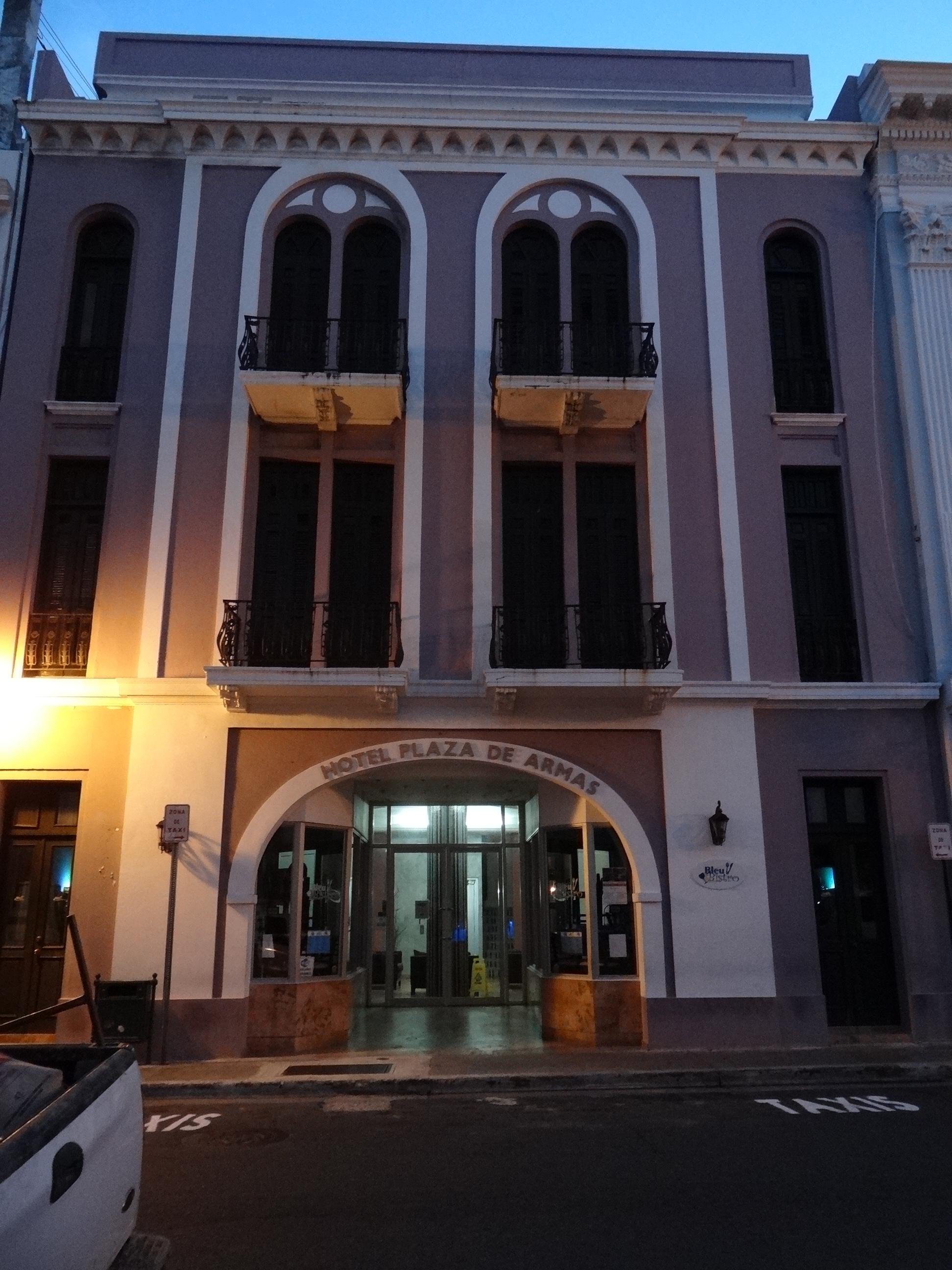
Hotel Plaza de Armas
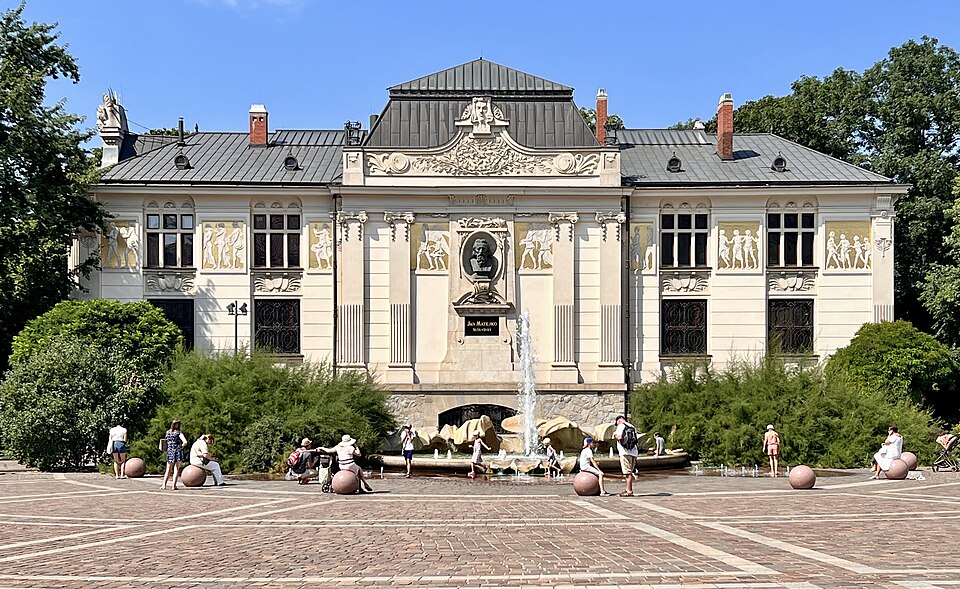
Palace of Art
plac Szczepański 4, 31-011 Kraków, Poland
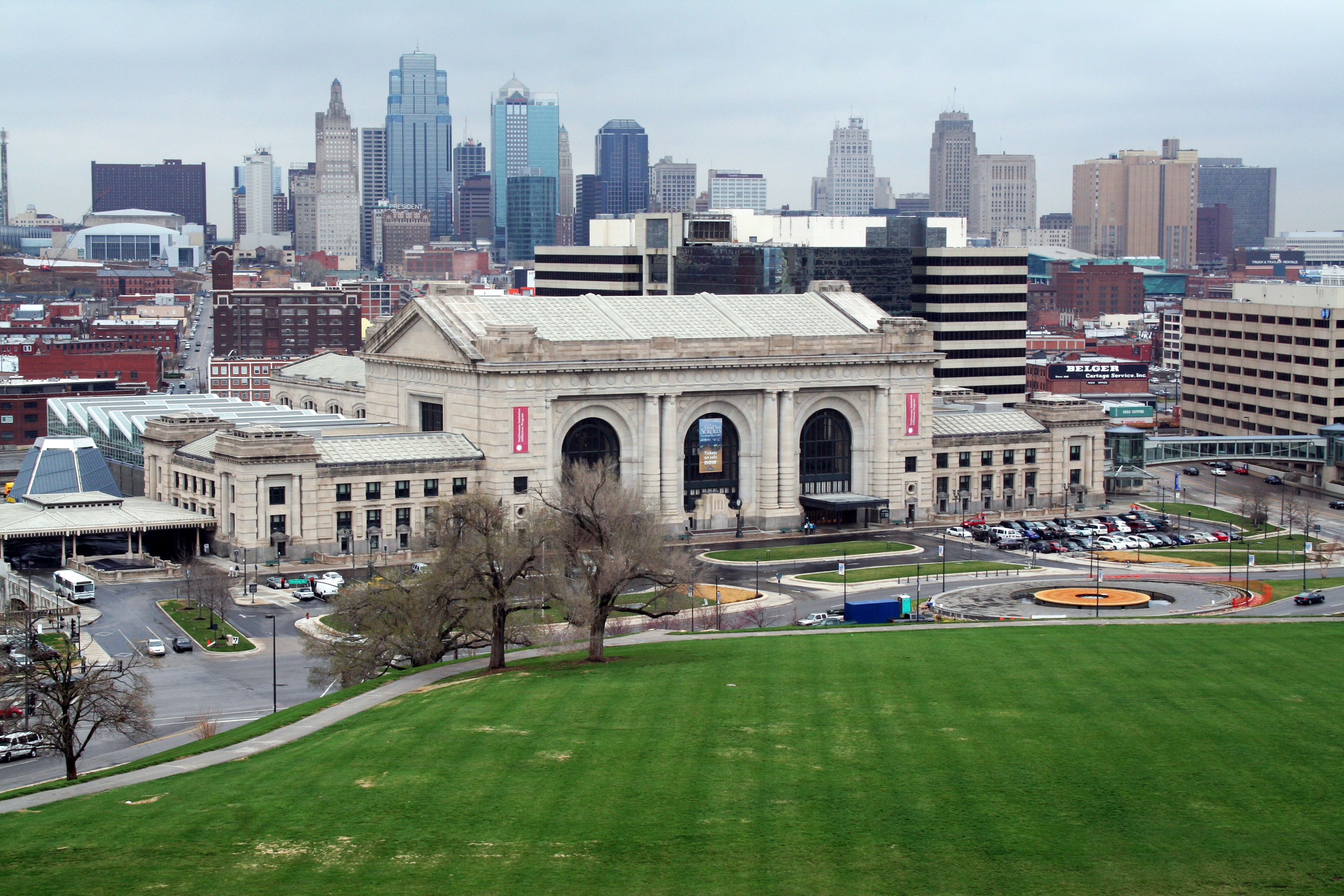
Kansas City Union Station
30 W Pershing Rd, Kansas City, MO 64108
Buddha Tooth Relic Temple
288 South Bridge Road, Singapore 058840
Sri Mariamman Temple
244 South Bridge Road, Singapore 058793
One Raffles Place
1 Raffles Place, Singapore 048616
UOB Plaza
80 Raffles Place, Singapore 048624
PARKROYAL on Pickering
3 Upper Pickering Street, Singapore 058289
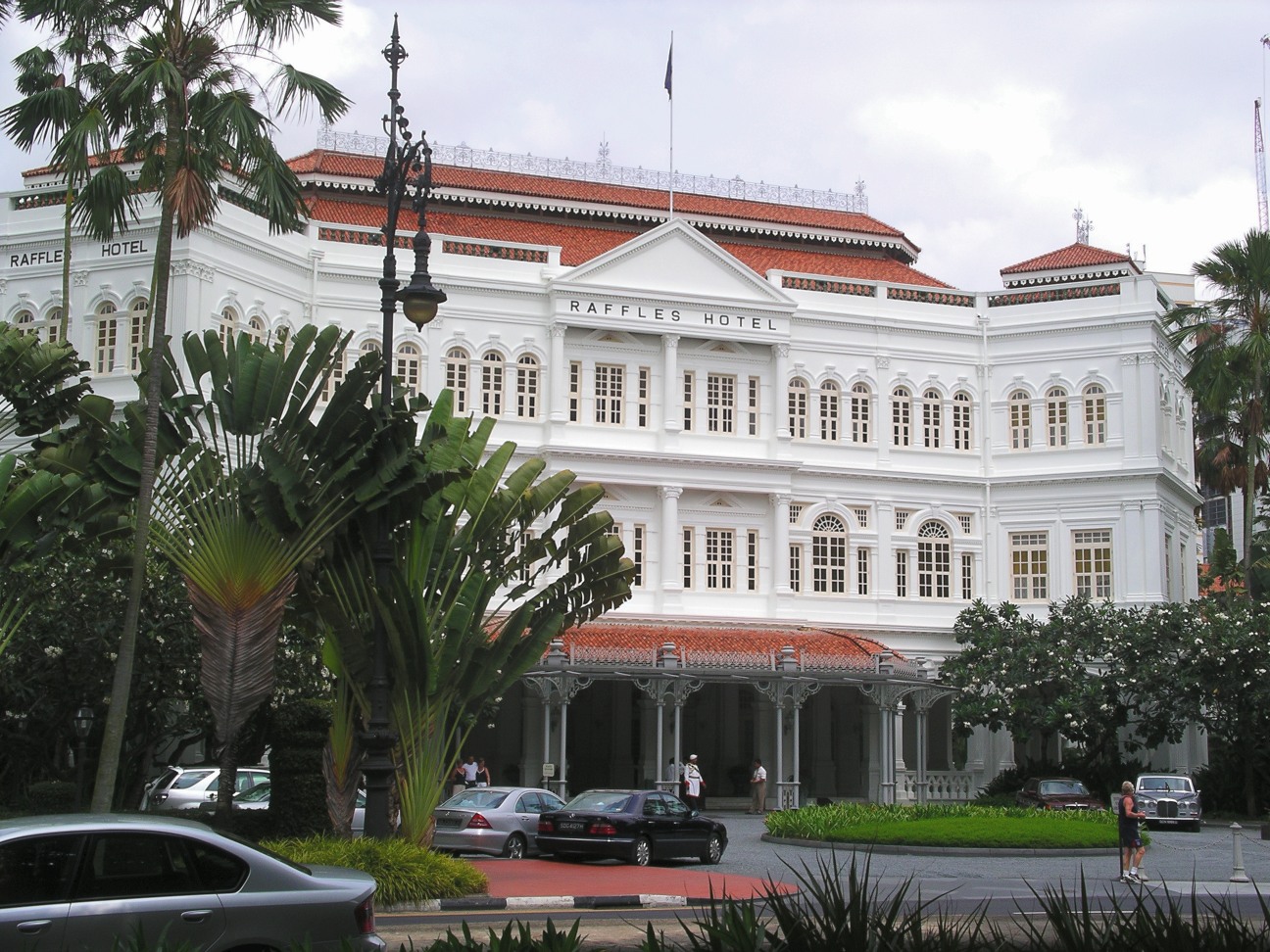
Singapore City Hall
3 St Andrew's Road, Singapore 178958
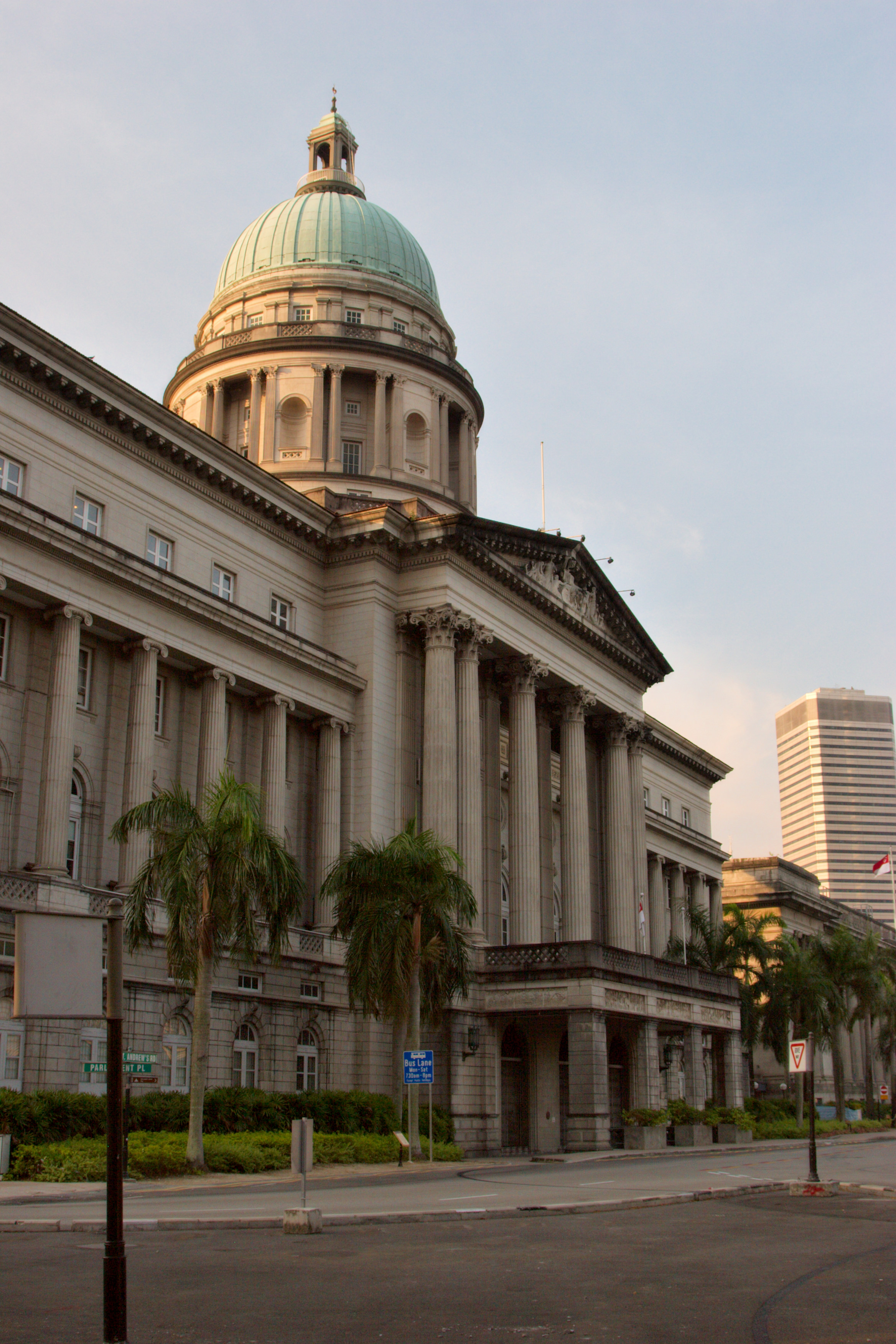
Old Supreme Court Building
1 St Andrew's Road, Singapore 178957
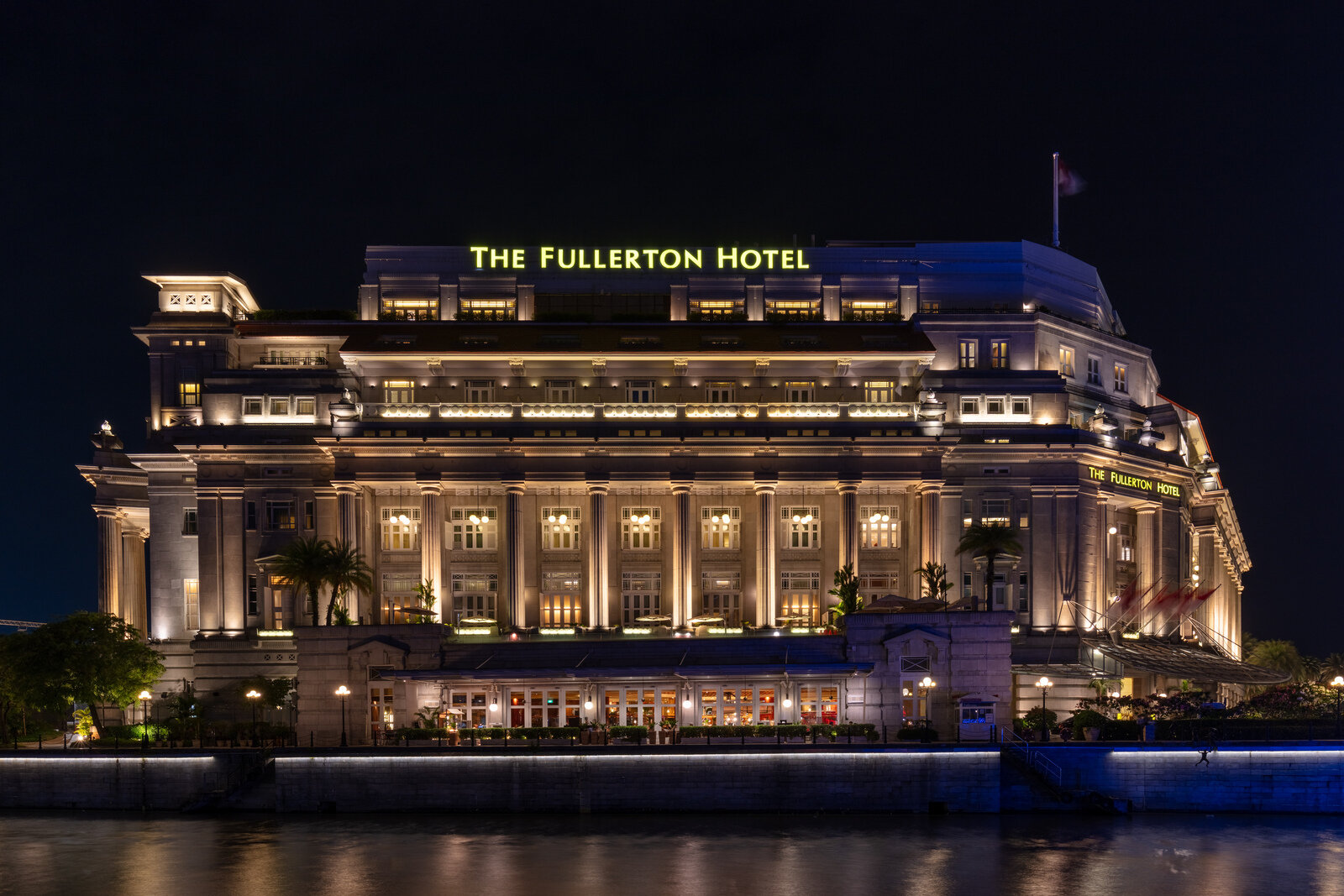
The Fullerton Hotel
1 Fullerton Square, Singapore 049178
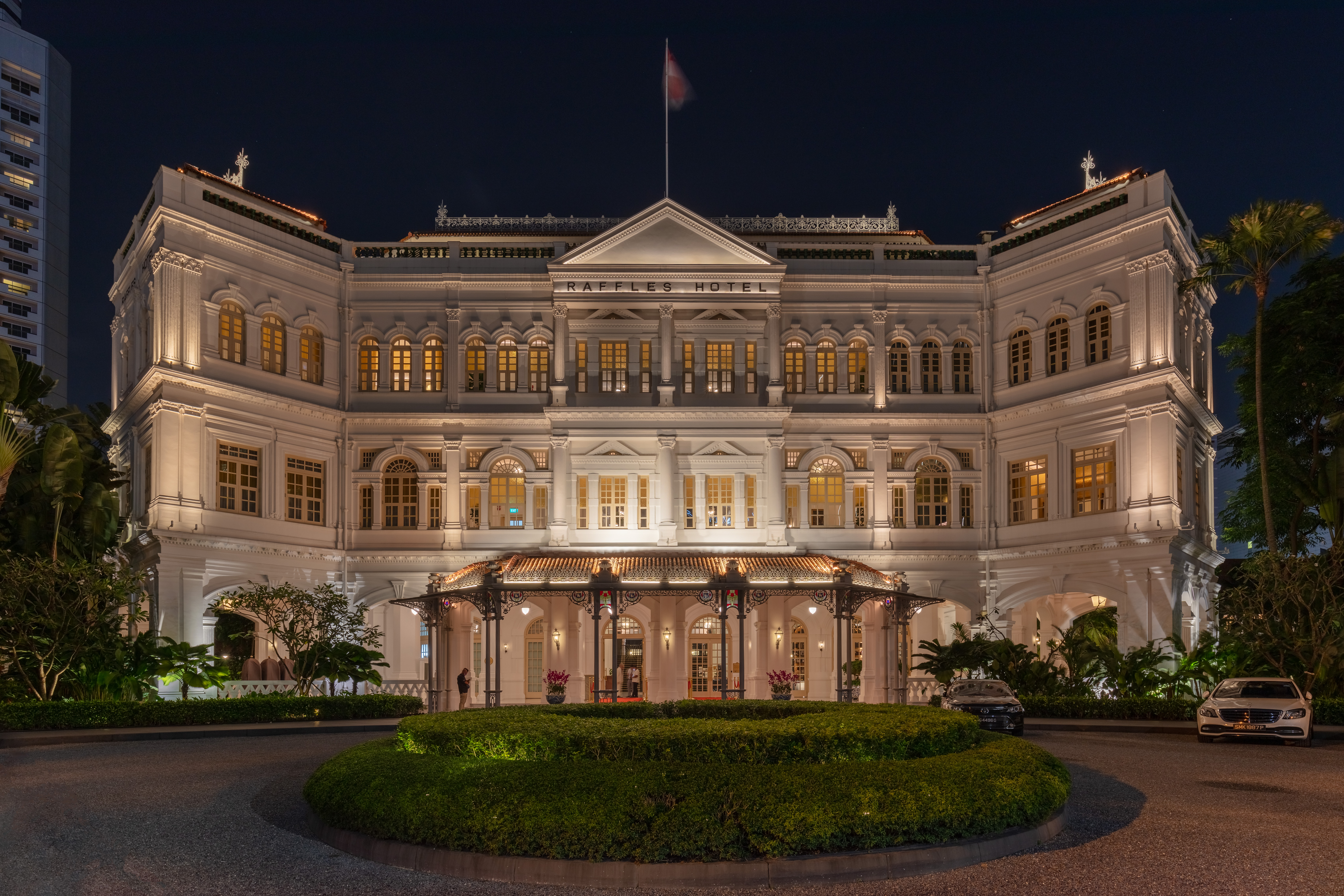
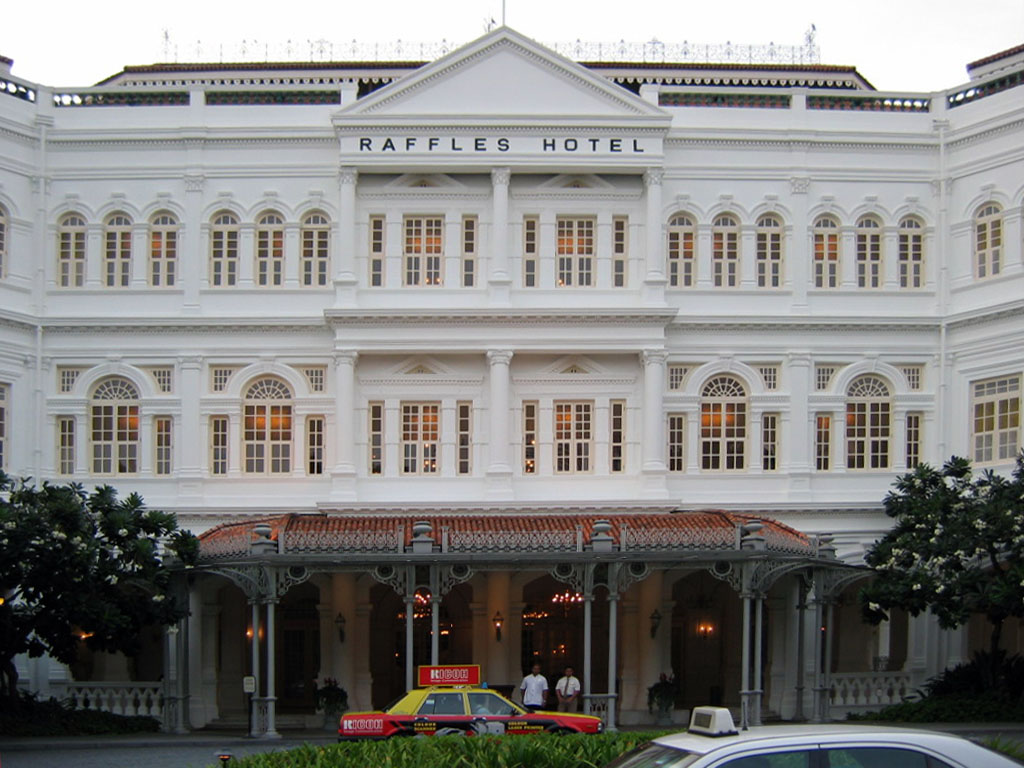
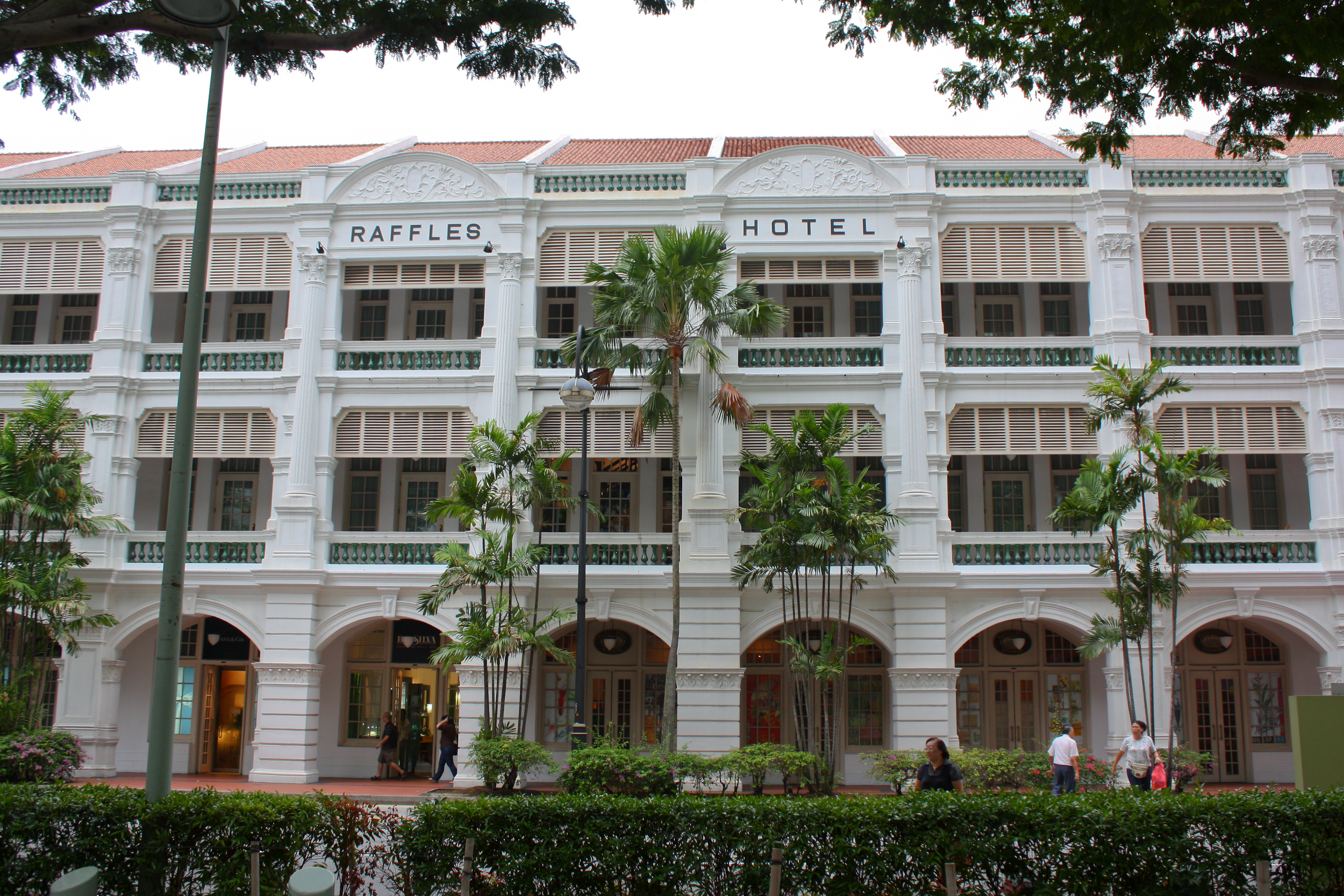
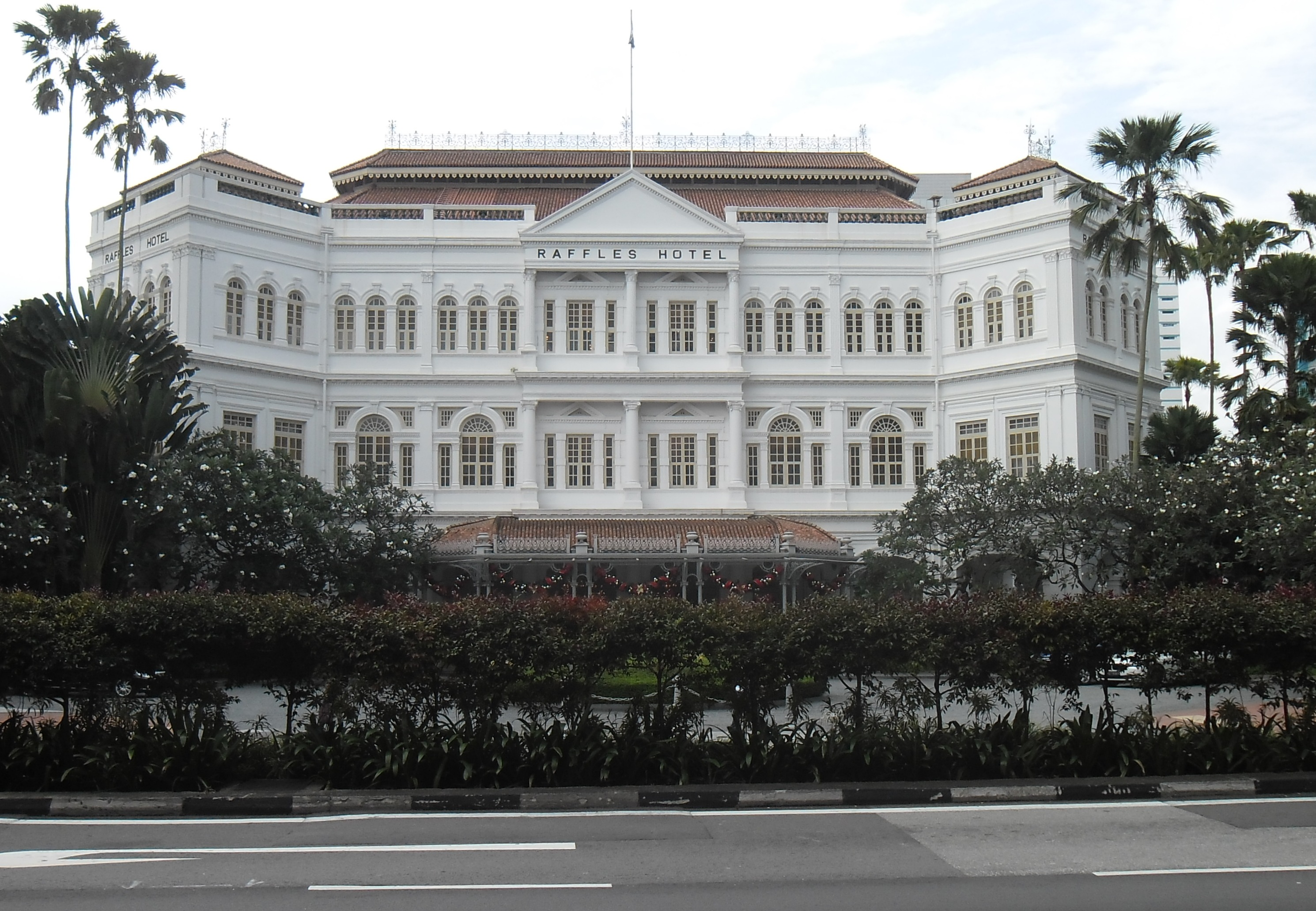
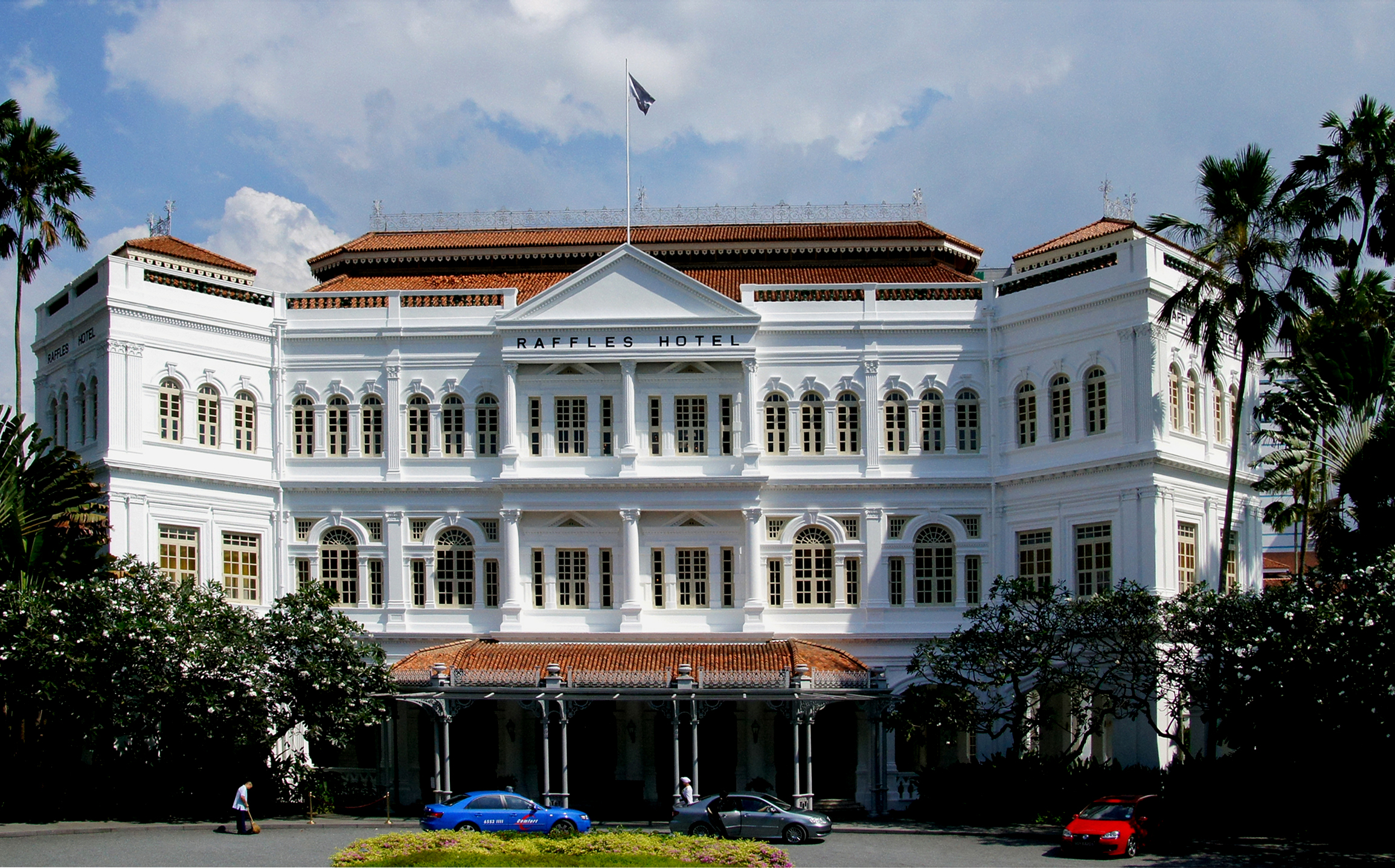
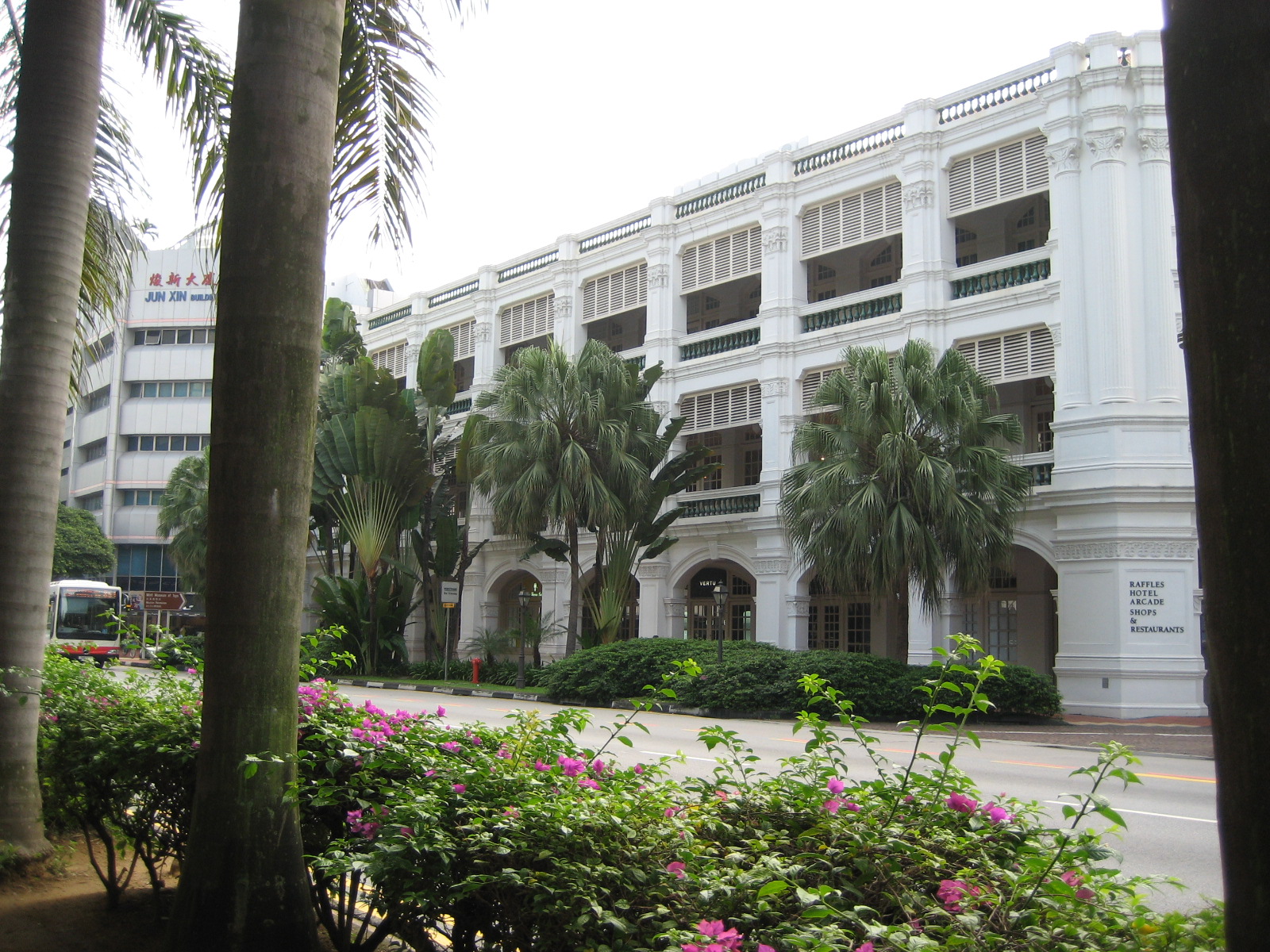
Raffles Hotel
1 Beach Road, Singapore 189673
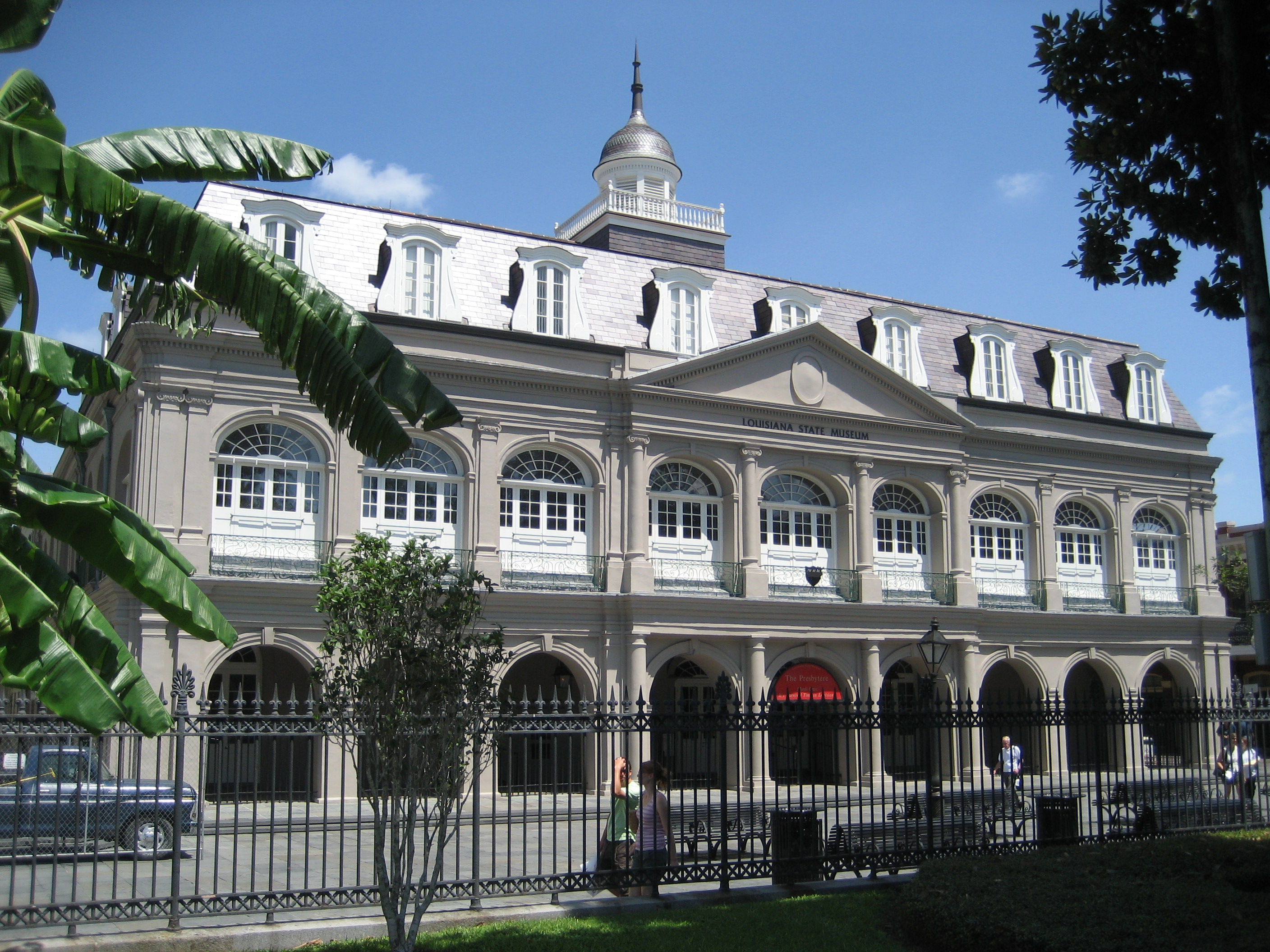
The Presbytère
751 Chartres Street, New Orleans, LA 70116
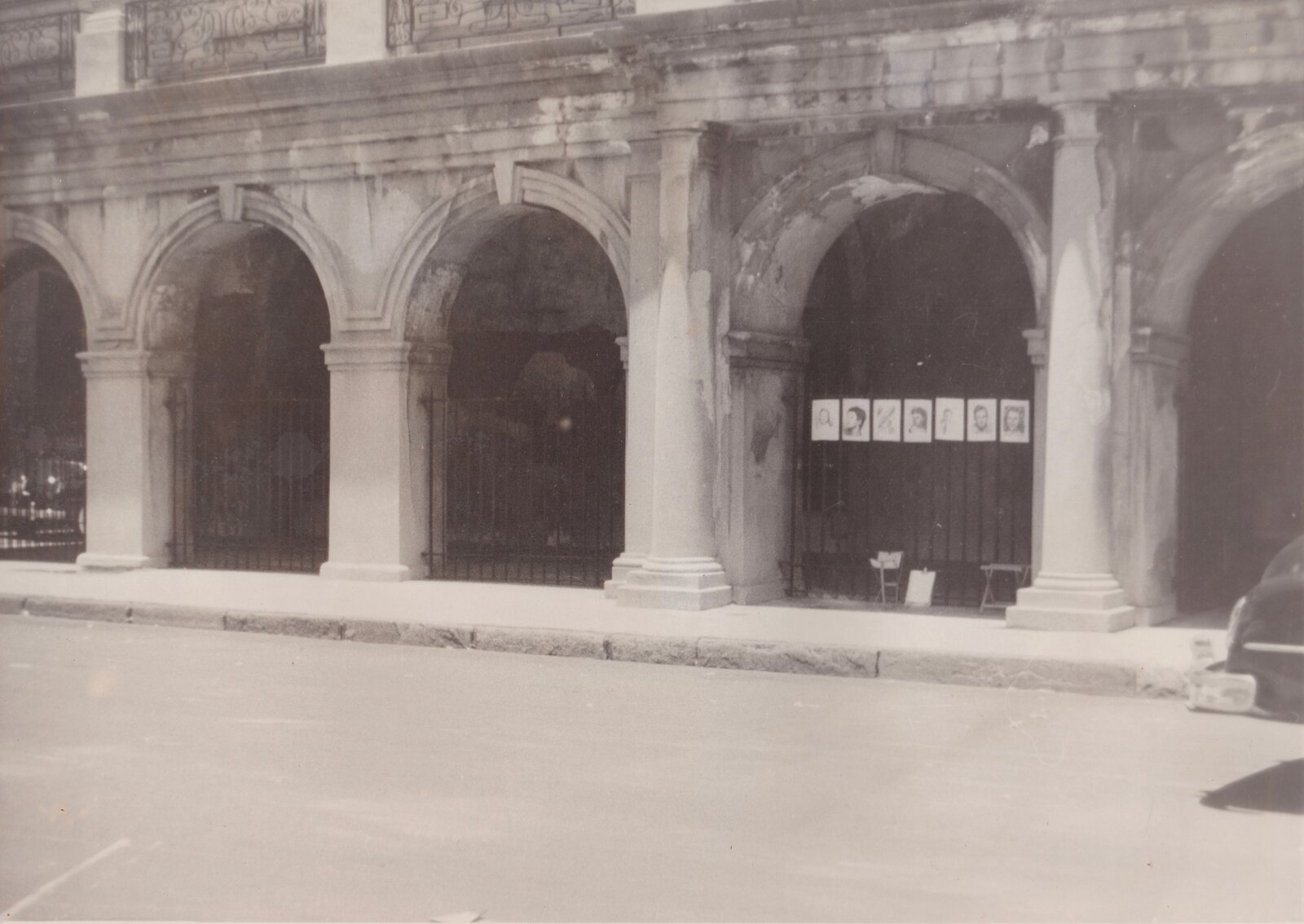
The Cabildo
701 Chartres Street, New Orleans, LA 70116
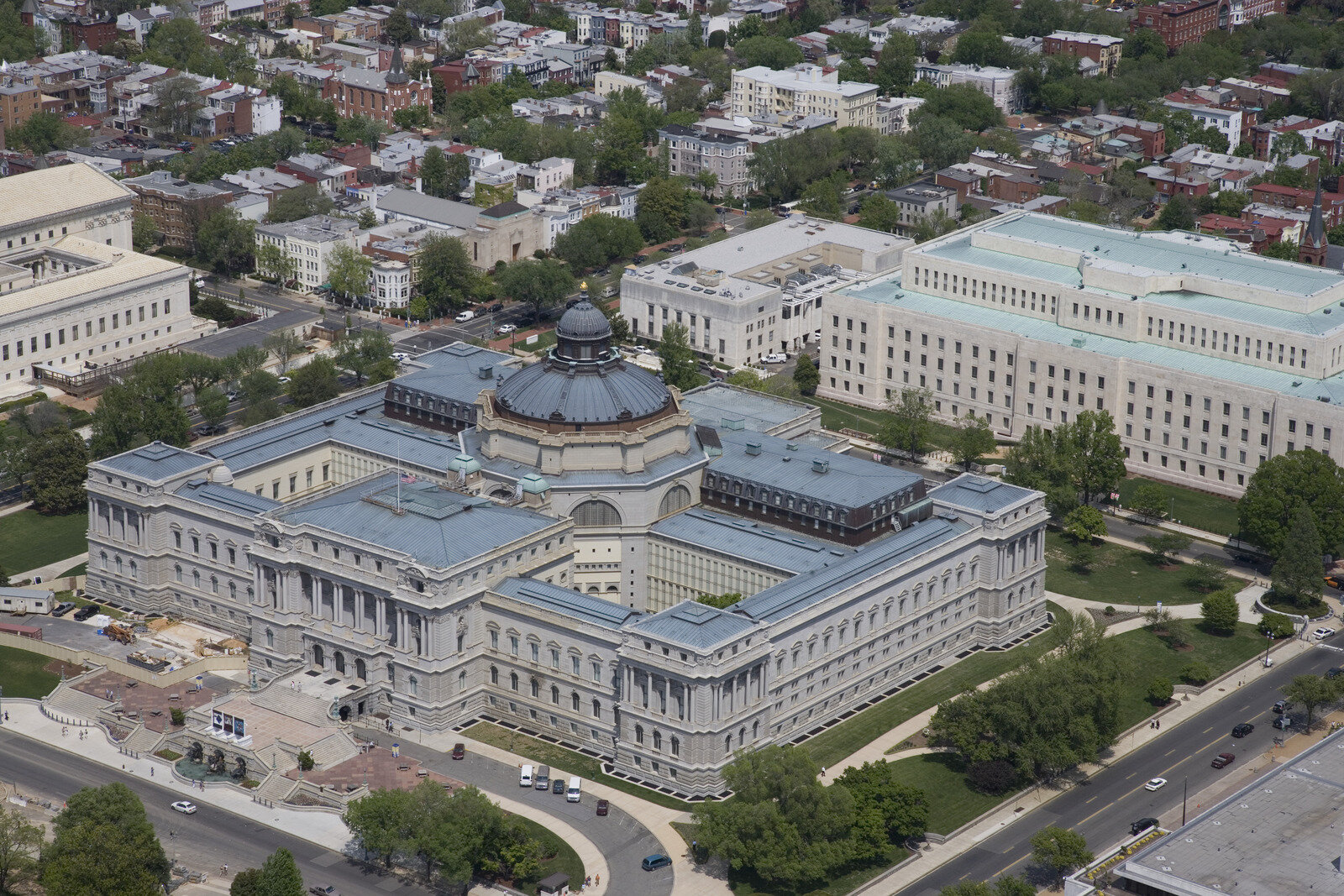
Thomas Jefferson Building
101 Independence Avenue SE, Washington, DC 20540
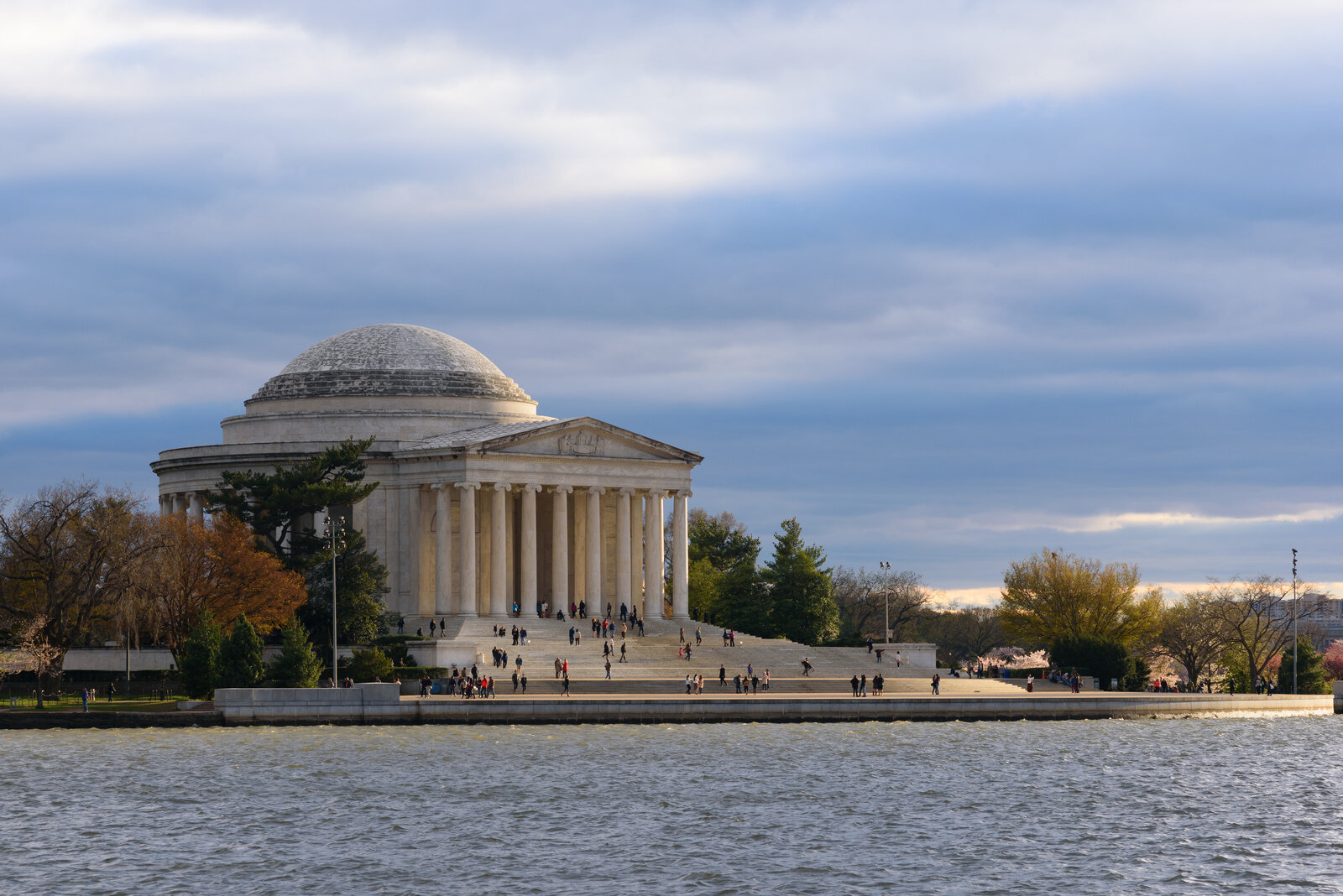
Jefferson Memorial
16 East Basin Drive SW, Washington, DC 20242
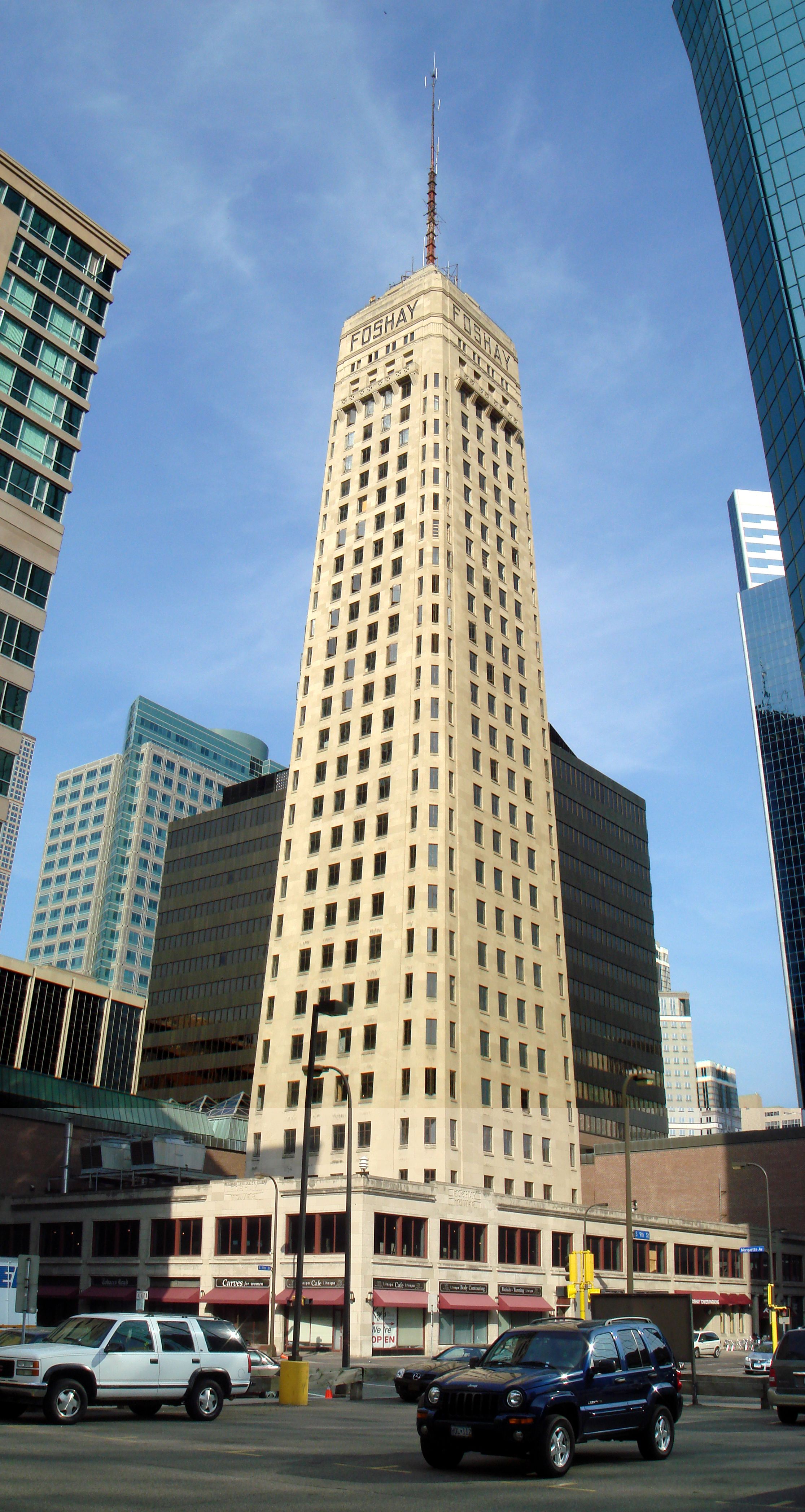
Federal Reserve Bank of Minneapolis
90 Hennepin Avenue, Minneapolis, MN 55401
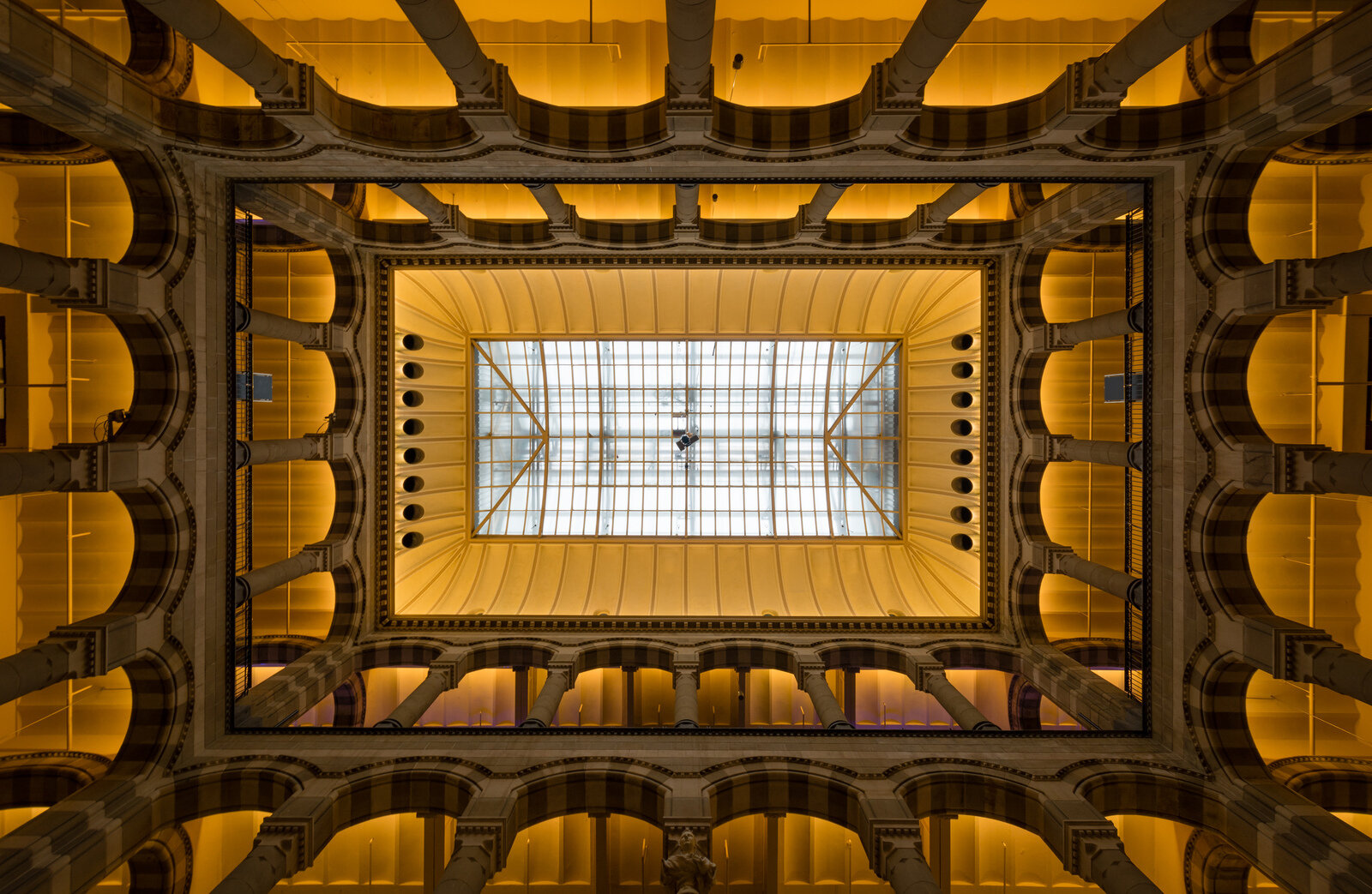
Magna Plaza
Nieuwezijds Voorburgwal 182, Amsterdam
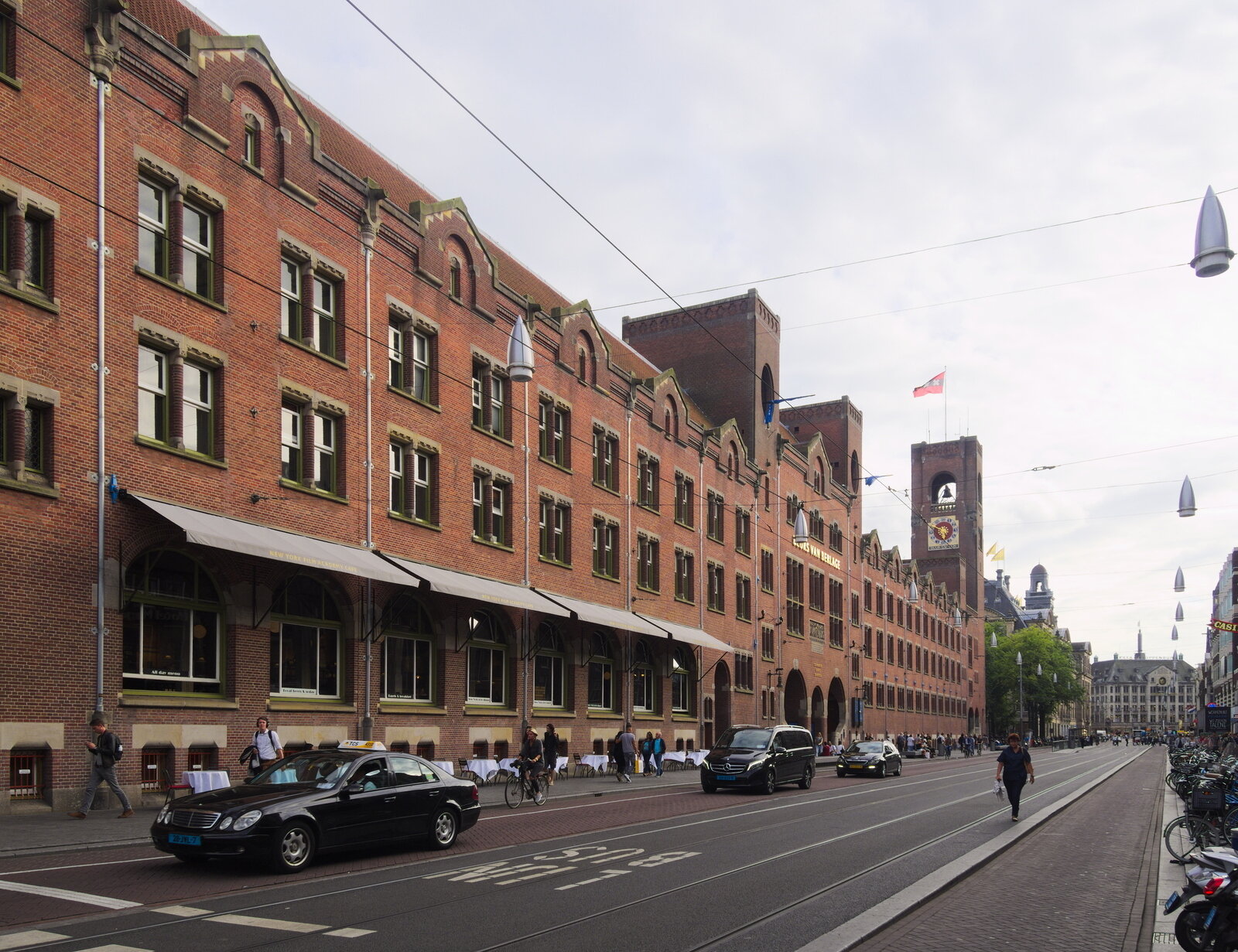
Beurs van Berlage
Damrak 243, Amsterdam
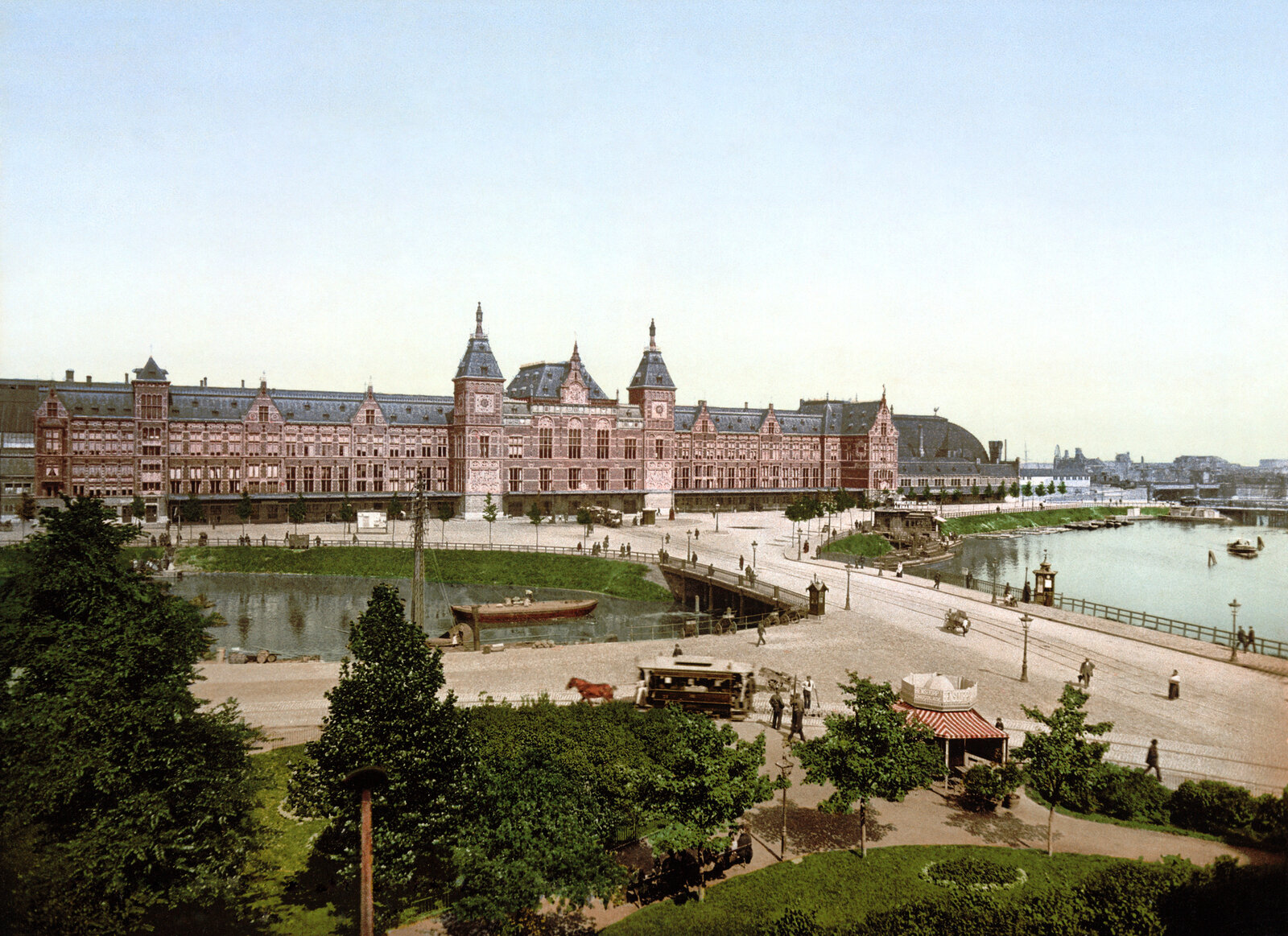
Amsterdam Centraal Station
Stationsplein 1, Amsterdam
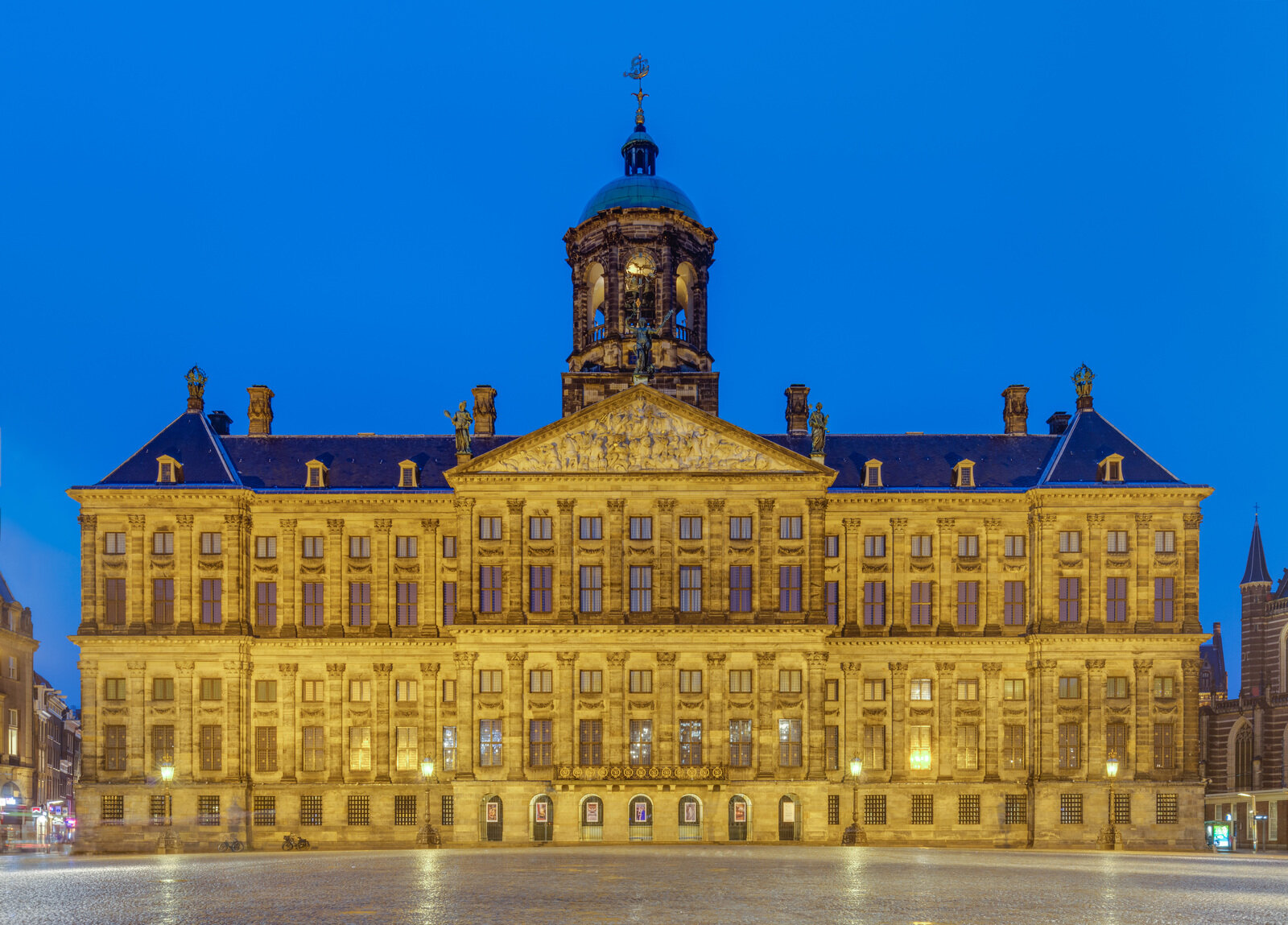
Royal Palace of Amsterdam
Dam, 1012 KB Amsterdam
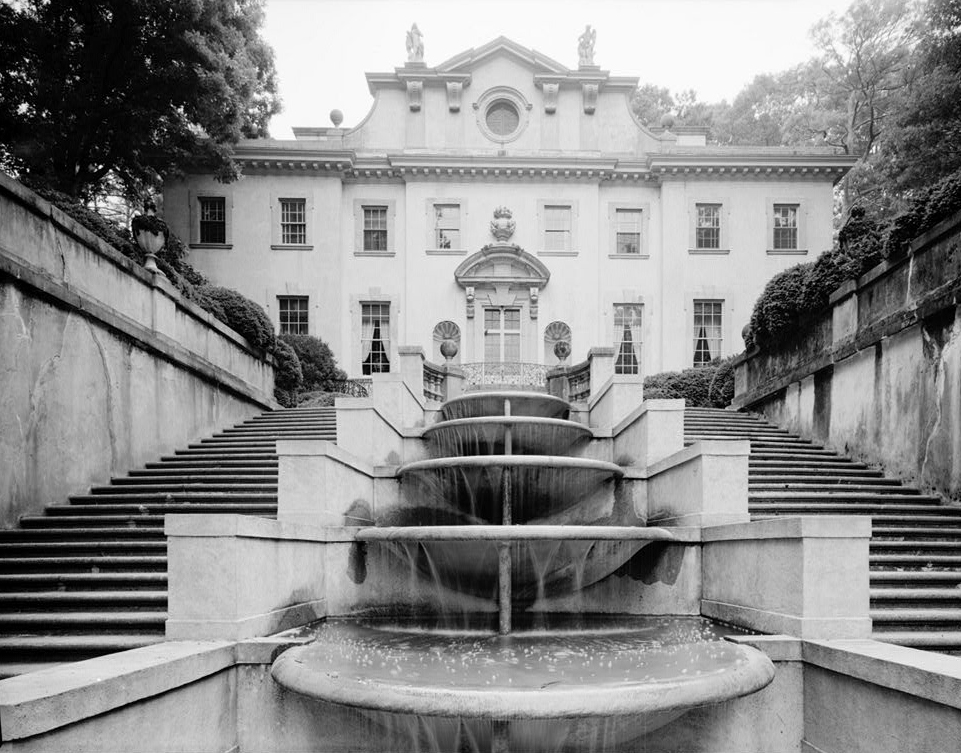
Swan House
130 W Paces Ferry Rd NW, Atlanta, GA 30305
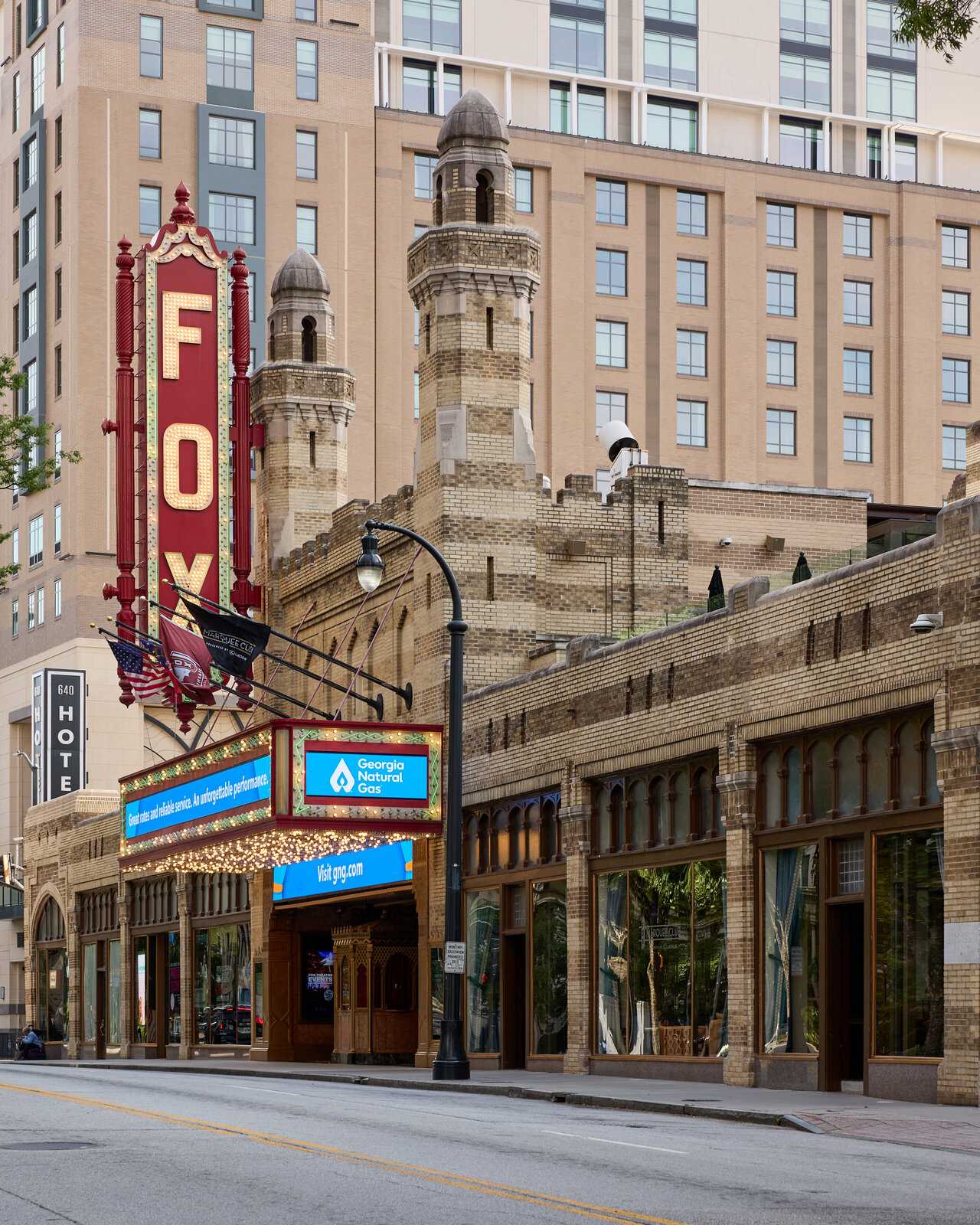
Fox Theatre
660 Peachtree St NE, Atlanta, GA 30308
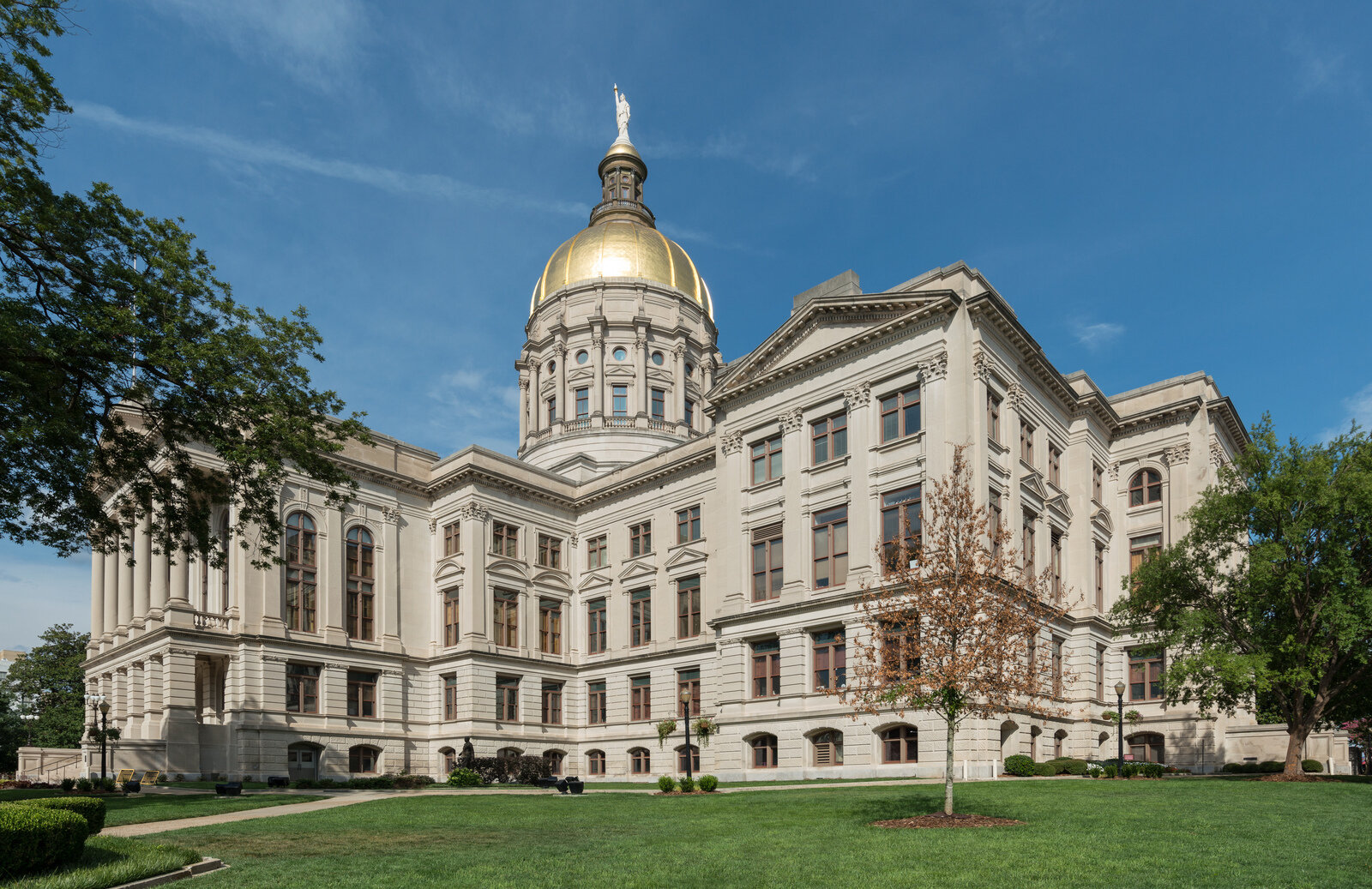
Georgia State Capitol
206 Washington St SW, Atlanta, GA 30334
Where to Find Beaux-Arts Architecture
Related Styles
Why Beaux-Arts Matters Today
Beaux-Arts architecture created some of the most beloved public spaces in the world. Its emphasis on civic grandeur, beautiful materials, and human-scaled monumentality offers lessons for contemporary architects seeking to create public buildings that inspire pride and belonging.
Frequently Asked Questions
What is Beaux-Arts architecture?
Beaux-Arts architecture represents the pinnacle of academic classical design. Taught at the prestigious École des Beaux-Arts in Paris, this style combined Greek and Roman architectural forms with Renaissance planning principles and modern engineering to create buildings of extraordinary grandeur. In America, Beaux-Arts became the chosen style for institutions that wanted to project permanence, culture, and civic pride.
When was Beaux-Arts architecture popular?
Beaux-Arts architecture flourished 1880s–1920s, originating in France.
What are the key characteristics of Beaux-Arts architecture?
Typical Beaux-Arts features include: symmetrical facades with grand axial planning, classical columns, pilasters, and entablatures at monumental scale, elaborate sculptural decoration and allegorical figures, grand staircases, arched openings, and rusticated bases, and rich materials: marble, bronze, gilt, and polished stone.
Where can I see Beaux-Arts architecture?
In the Architecture Helper library, Beaux-Arts buildings are most concentrated in Savannah, Sydney, Philadelphia, San Diego, and Toronto. Famous examples worldwide include Palais Garnier (Paris), Grand Central Terminal (New York City), and New York Public Library (New York City).
Which styles are related to Beaux-Arts?
Buildings analyzed as Beaux-Arts most often also show Neoclassical, Classical Roman, Victorian, and Art Deco, so those are the styles worth comparing it against.