Beaux-Arts Architecture in New Orleans
Explore 8 beaux-arts buildings that shape New Orleans's architectural identity
Beaux-Arts architecture emerged in New Orleans during the late 19th and early 20th centuries, a period marked by economic growth and cultural exchange. The city, with its unique blend of French, Spanish, and American influences, provided fertile ground for this grand architectural style. The movement emphasized symmetry, classical forms, and elaborate decorative elements, which can be seen in several notable buildings throughout the city.
The Presbytère, located at 751 Chartres Street, exemplifies the Beaux-Arts style with its symmetrical facade and intricate detailing. Originally built as a part of the Cabildo, this structure now houses a museum that reflects the history of New Orleans, while its imposing presence on Jackson Square underscores the style’s grandeur. Similarly, the Cabildo at 701 Chartres Street showcases the ornate features typical of Beaux-Arts, including its elaborate cornices and columned entryways, symbolizing the importance of civic architecture in this historic district.
Additional examples of Beaux-Arts architecture can be found along St. Charles Avenue and Royal Street, where buildings like 545 St Charles Ave and 214 Royal St display the characteristic decorative motifs and classical proportions. In this vibrant city, the style not only represents an architectural choice but also a reflection of the social and economic aspirations of the time, as New Orleans sought to assert its identity during a period of transformation.
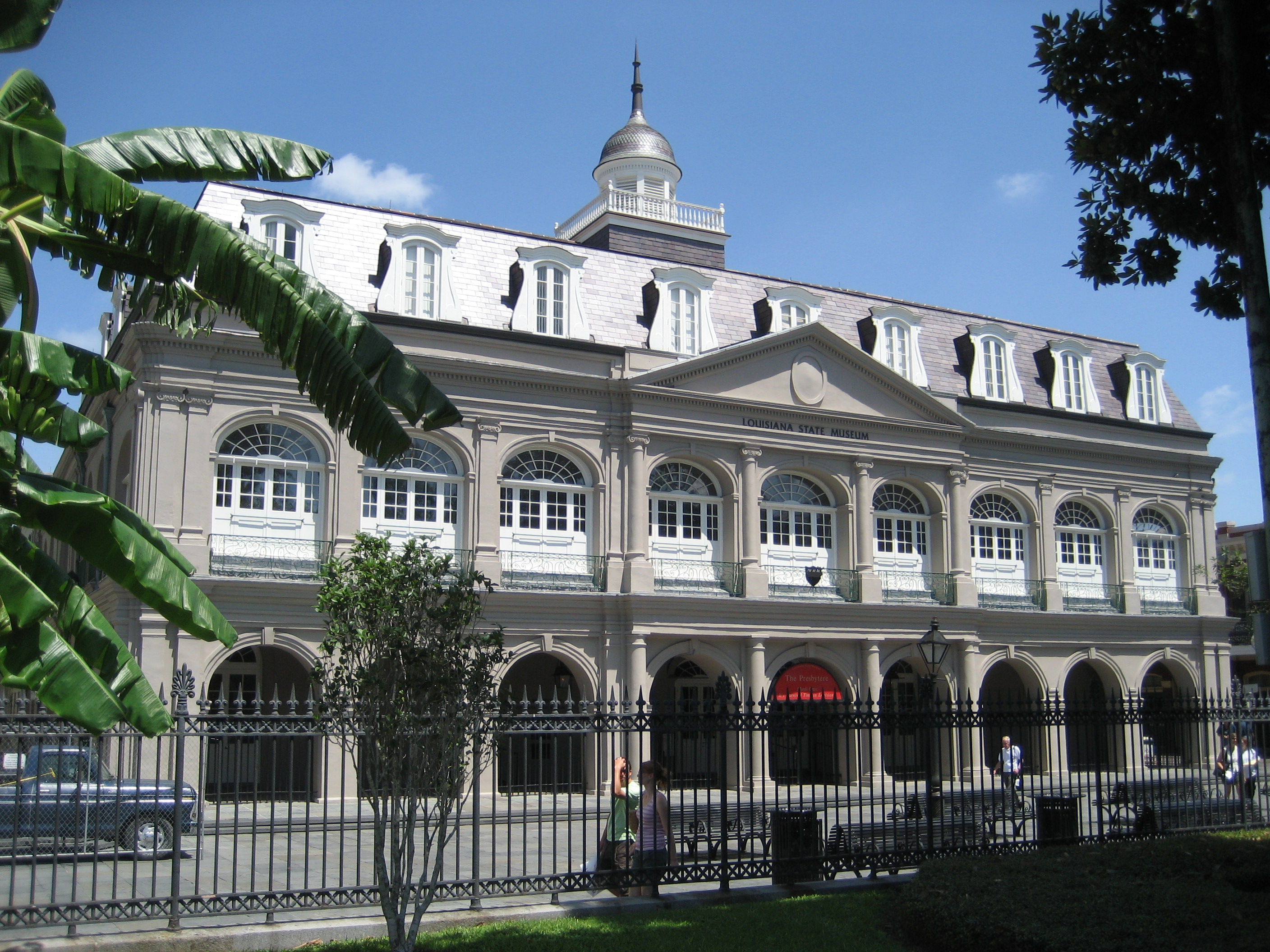
The Presbytère
751 Chartres Street, New Orleans, LA 70116
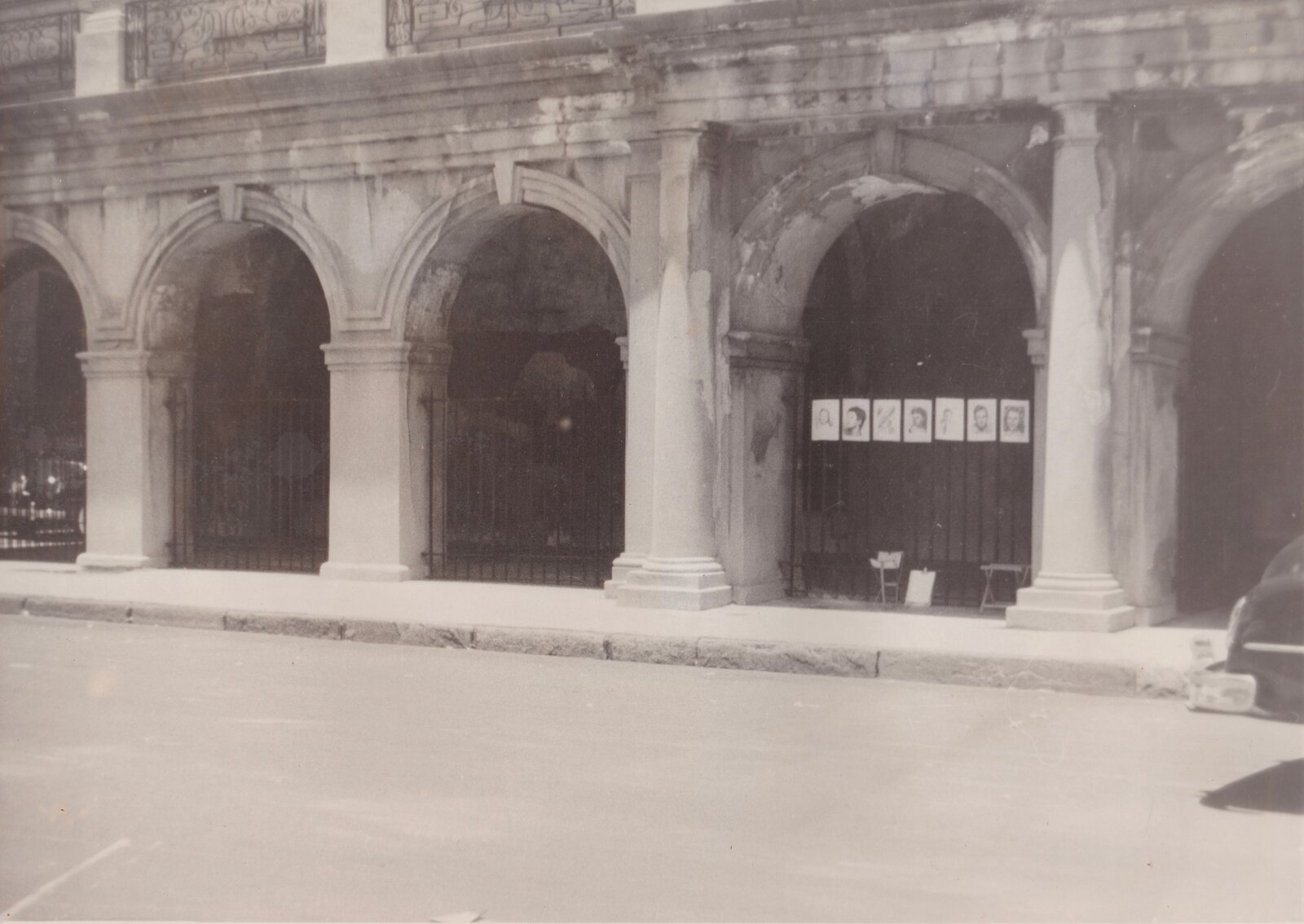
The Cabildo
701 Chartres Street, New Orleans, LA 70116
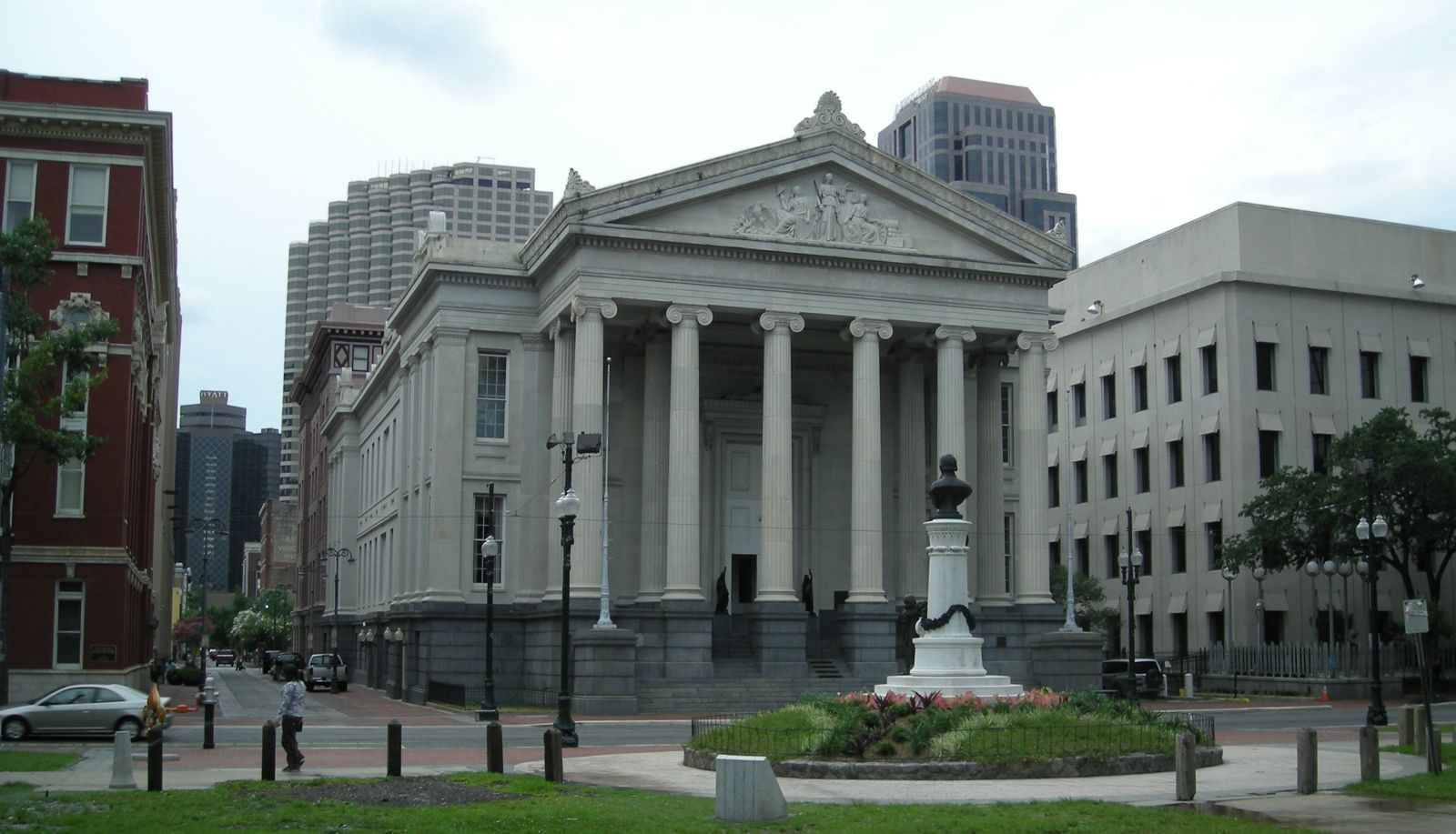
545 St Charles Ave, New Orleans, LA
545 St Charles Ave, New Orleans, LA
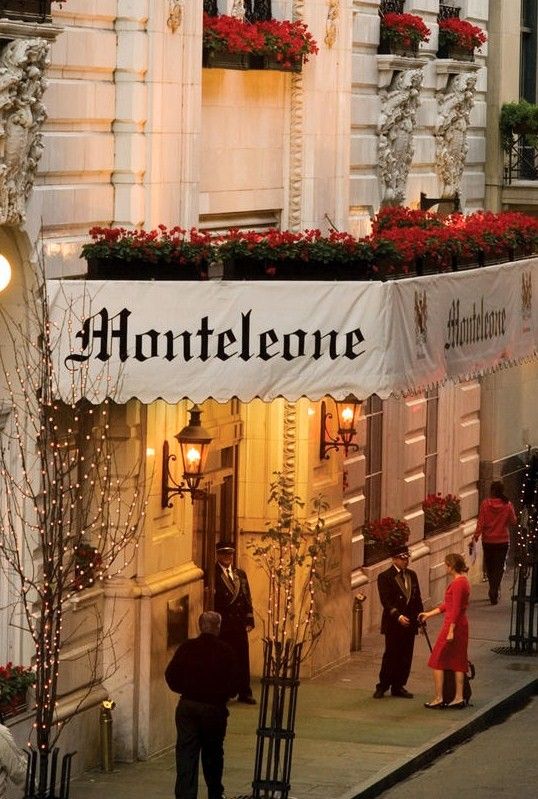
214 Royal St, New Orleans, LA
214 Royal St, New Orleans, LA
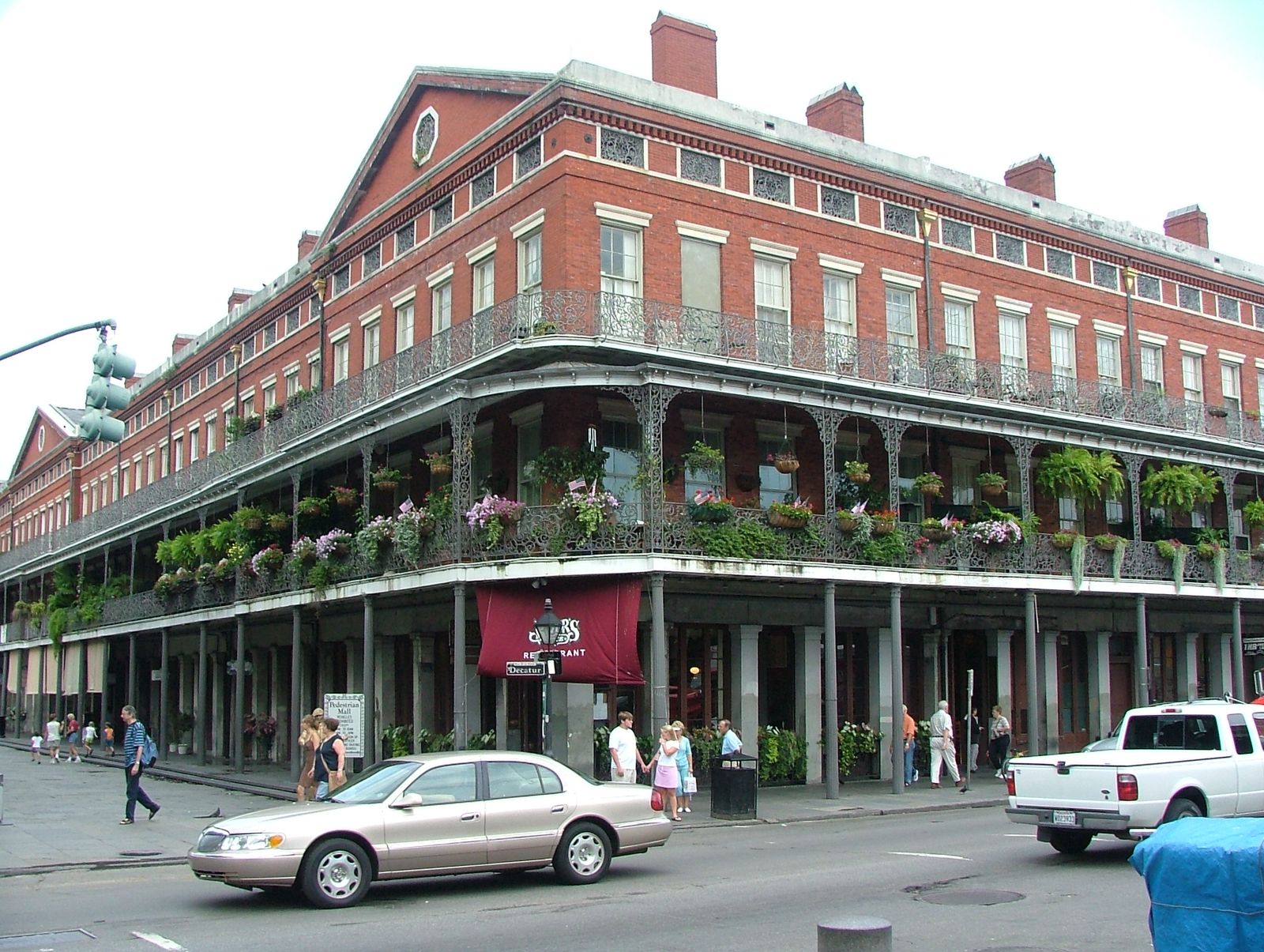
500 St Ann St, New Orleans, LA
500 St Ann St, New Orleans, LA
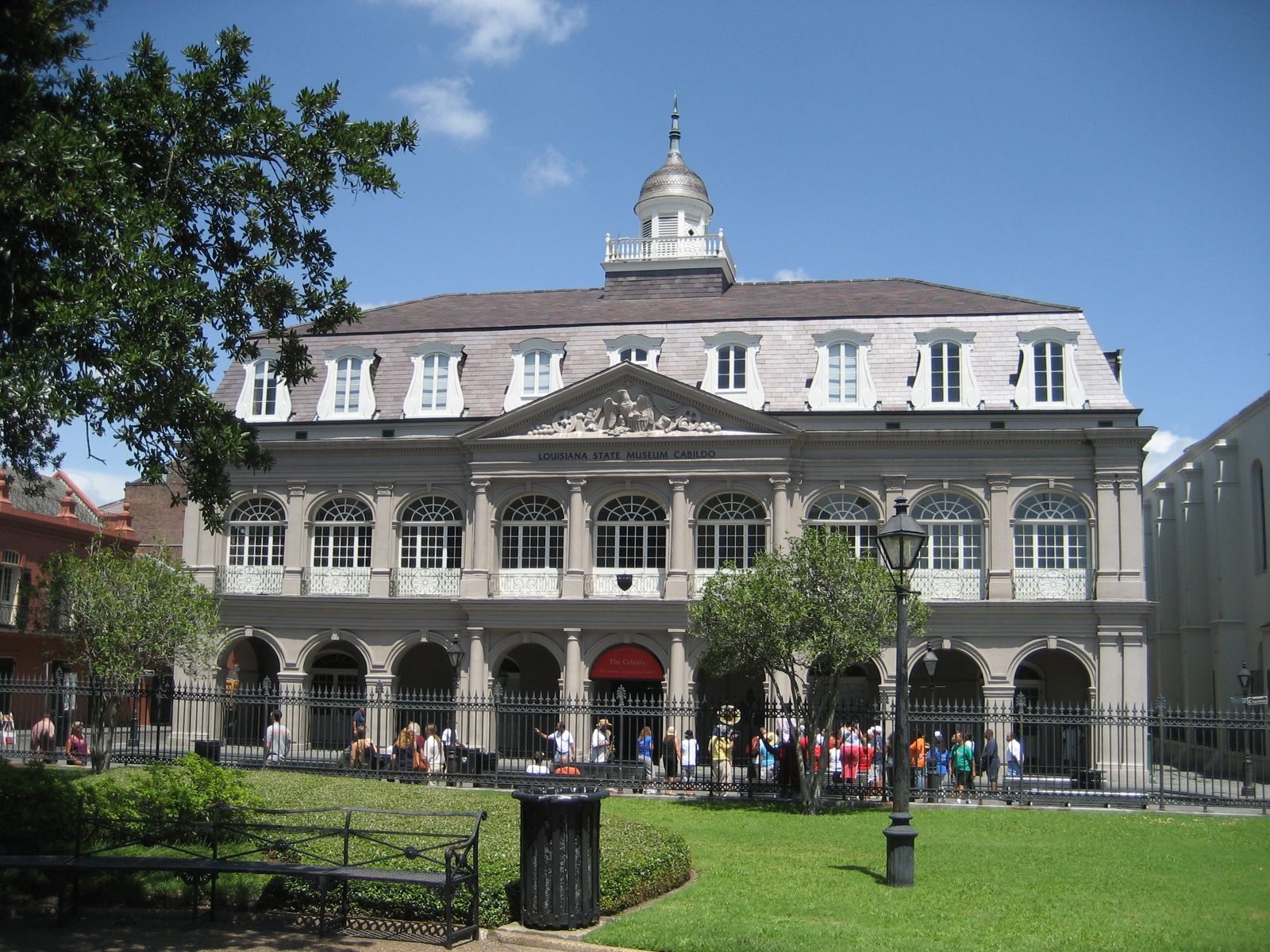
701 Chartres St, New Orleans, LA
701 Chartres St, New Orleans, LA
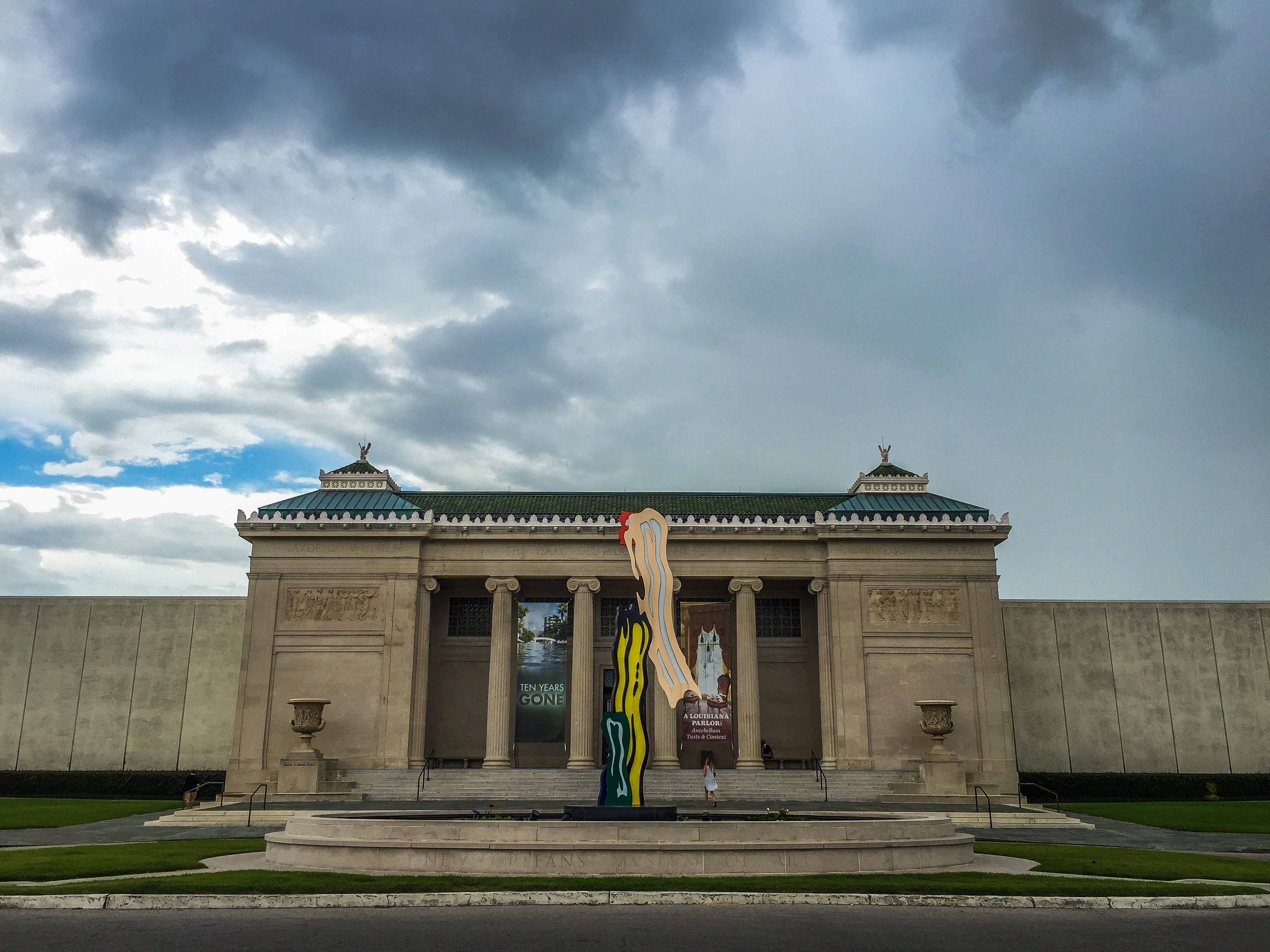
1 Collins C Diboll Circle, New Orleans, LA
1 Collins C Diboll Circle, New Orleans, LA
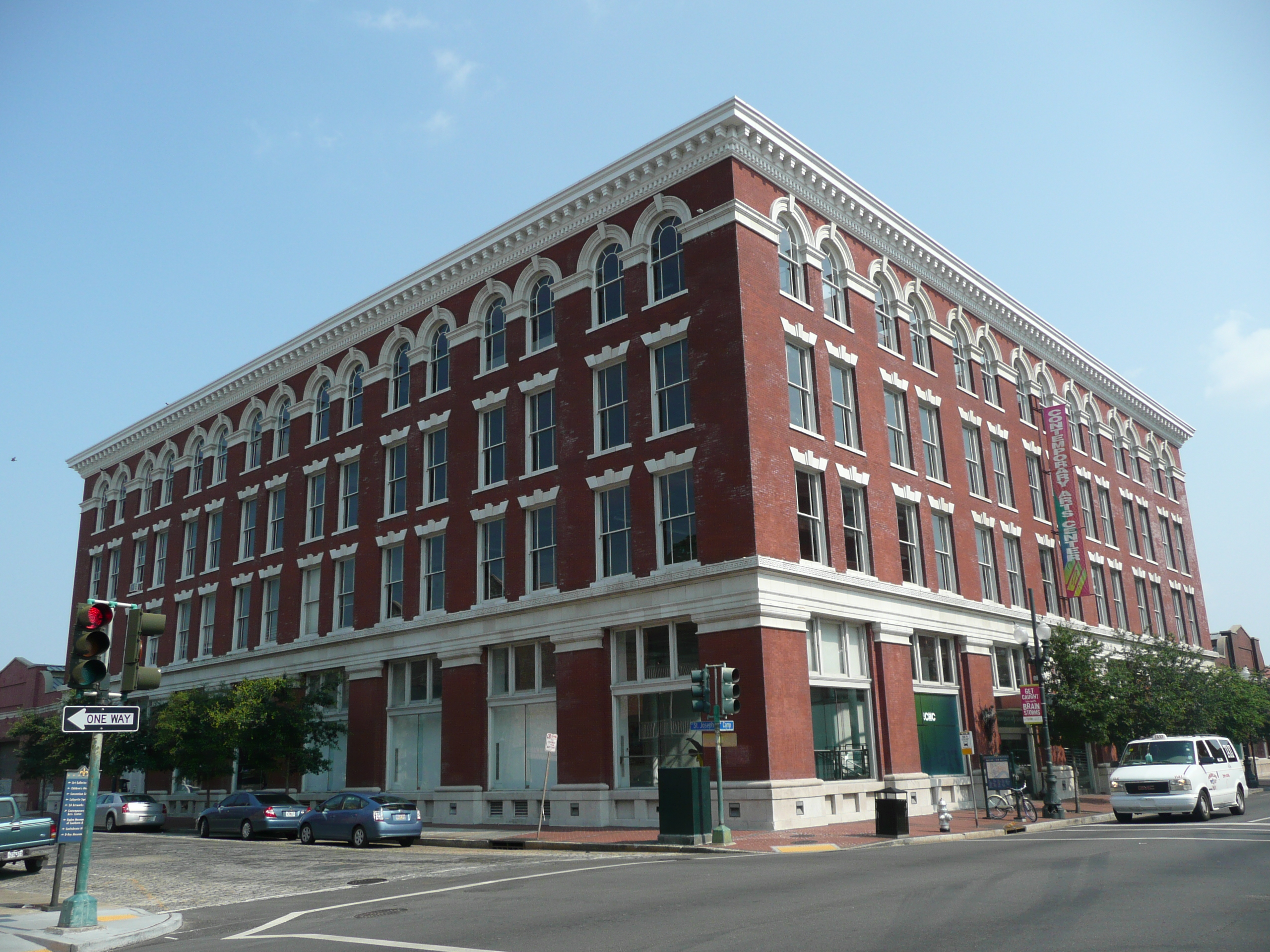
900 Camp St, New Orleans, LA
900 Camp St, New Orleans, LA
Beaux-Arts in New Orleans: Common Questions
Where can I see Beaux-Arts architecture in New Orleans?
Key locations include Chartres Street, where you can find The Presbytère and The Cabildo. St. Charles Avenue also features notable examples such as 545 St Charles Ave, showcasing the distinct characteristics of this style.
When were the Beaux-Arts buildings in New Orleans constructed?
Most Beaux-Arts buildings in New Orleans were built between the late 1800s and early 1900s, a time of economic growth and cultural development that greatly influenced the architectural landscape.
What should I look for in Beaux-Arts architecture?
Look for grandiose facades, symmetrical layouts, and elaborate decorative elements such as columns, pediments, and intricate moldings. Buildings like The Presbytère and The Cabildo exemplify these features.
How does New Orleans' Beaux-Arts architecture compare to other cities?
While Beaux-Arts architecture is present in many cities, New Orleans' version is unique due to its blend of cultural influences and the use of local materials, contributing to a distinct character that reflects the city's history.
Can I visit these Beaux-Arts buildings?
Yes, many of the Beaux-Arts buildings in New Orleans are accessible to the public. The Presbytère and The Cabildo, for example, operate as museums, offering visitors a chance to explore their architectural and historical significance.