Colonial Revival Architecture in New Orleans
Explore 7 colonial revival buildings that shape New Orleans's architectural identity
The Colonial Revival style emerged in the late 19th and early 20th centuries as a reaction to the industrialization and urbanization of America. In New Orleans, this architectural revival was influenced by a desire to reconnect with the nation’s historical roots and a burgeoning local economy that allowed for the construction of more elaborate homes. The style often incorporates elements of symmetry, classical detailing, and traditional building materials, creating structures that reflect the character of American colonial architecture.
In New Orleans, neighborhoods such as the French Quarter and Garden District feature notable examples of Colonial Revival architecture. The Beauregard-Keyes House, located at 1113 Chartres Street, exemplifies this style with its emphasis on symmetry and classical details that resonate with the city’s historical context. Similarly, Madame John's Legacy at 632 Dumaine Street showcases a wooden structure with a front-facing porch and symmetrical facade, illustrating how this architectural style has adapted to the local environment.
The Hermann-Grima House at 820 St. Louis Street further highlights the style's characteristics through its decorative entryways and the combination of brick with wood elements, embodying the Colonial Revival's interpretative nature. Other examples, such as 7 Bamboo Rd, 2726 Constance St, 1440 Moss St, and 2343 Prytania St, contribute to the architectural landscape, each presenting unique variations of the Colonial Revival style that reflect the diverse cultural influences present in New Orleans.
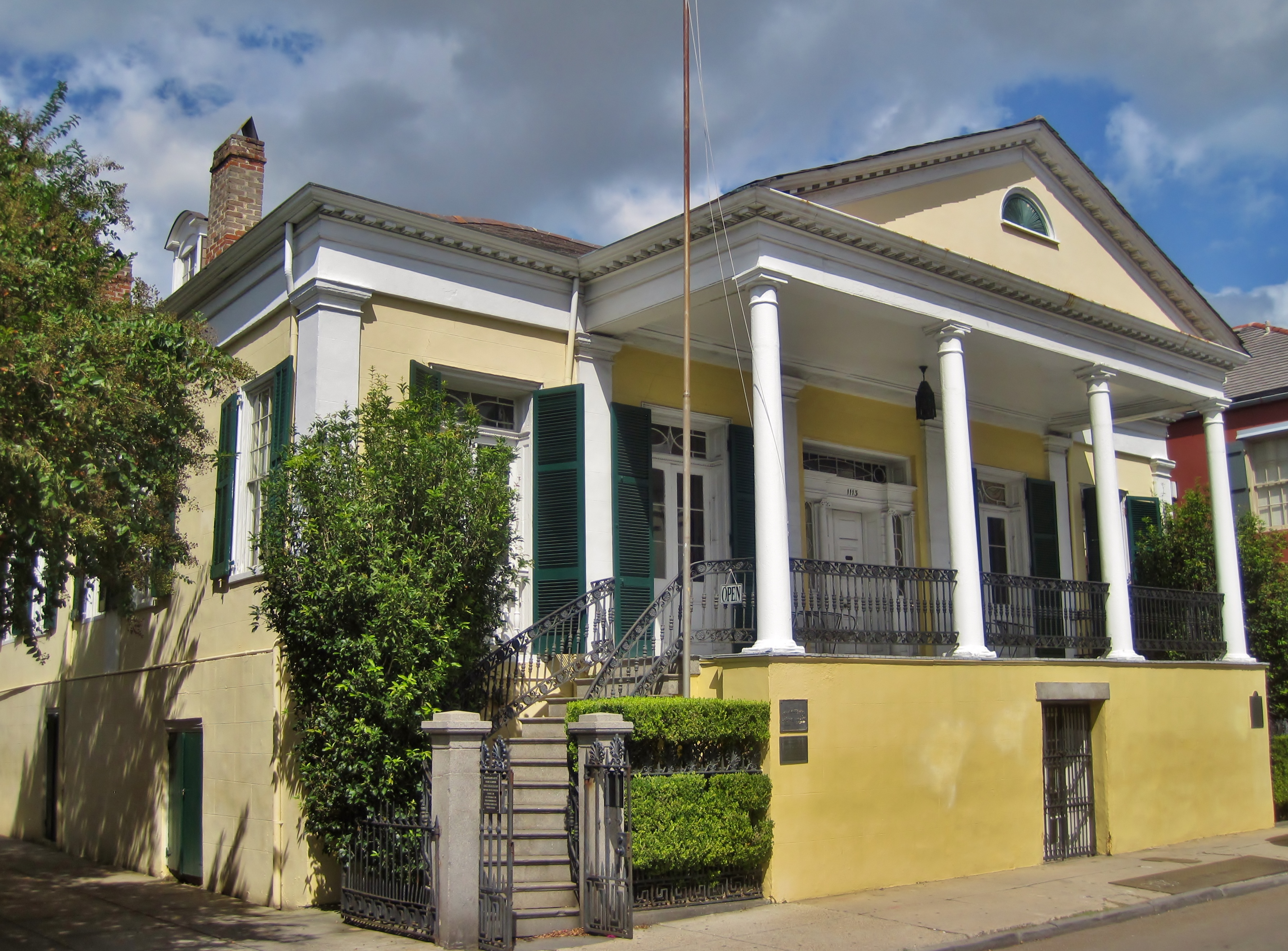
Beauregard-Keyes House
1113 Chartres Street, New Orleans, LA 70116
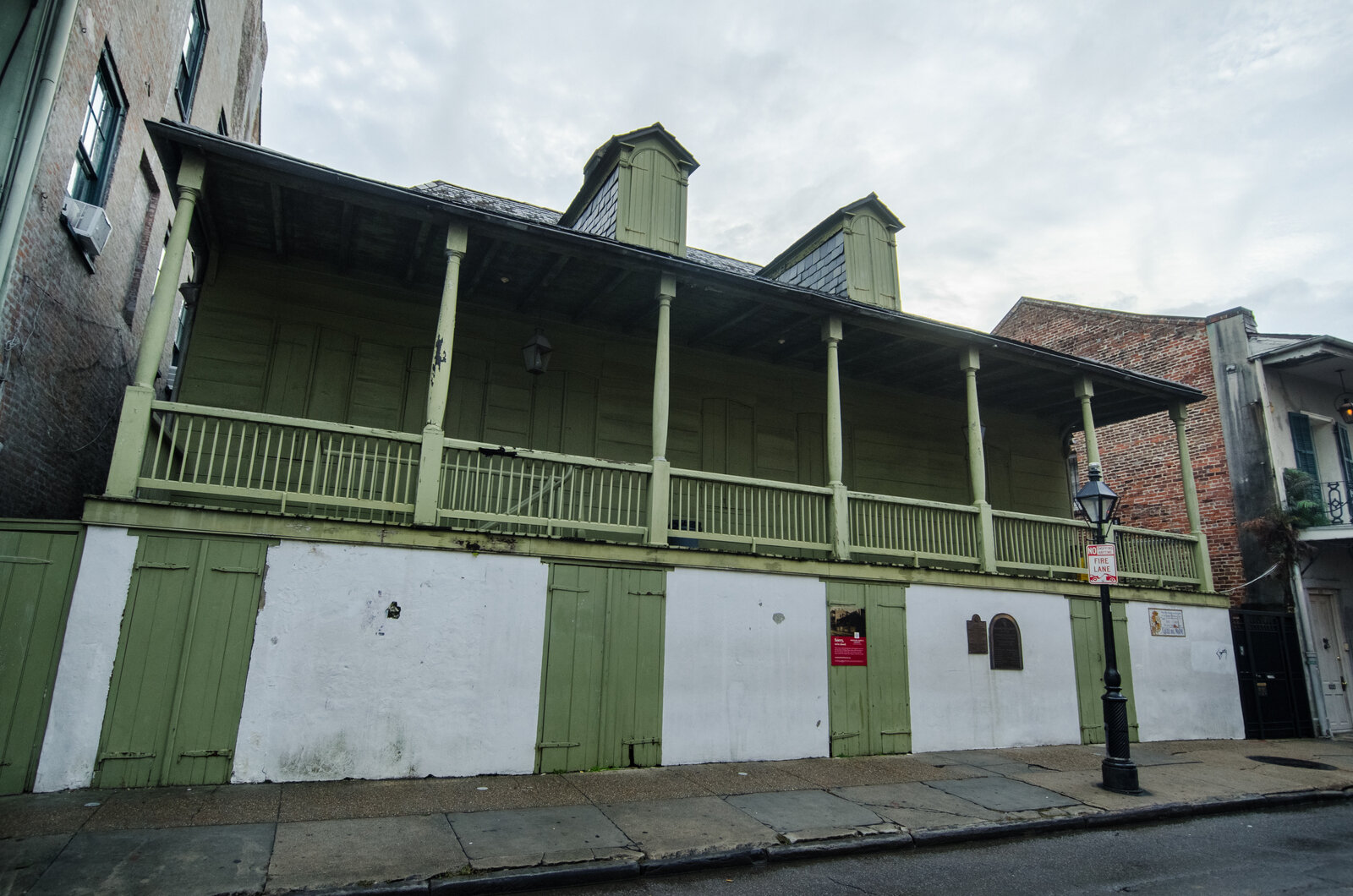
Madame John's Legacy
632 Dumaine Street, New Orleans, LA 70116
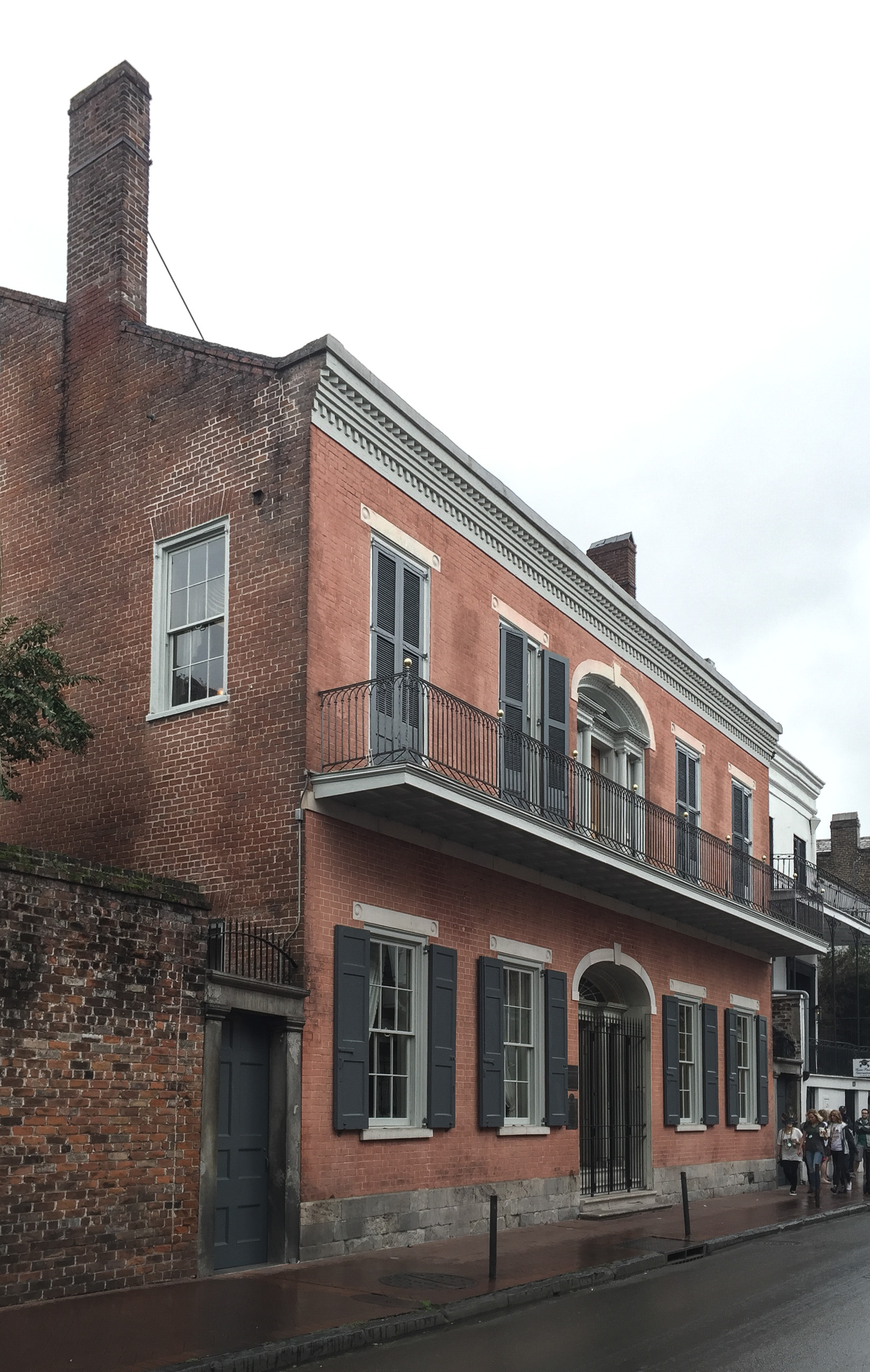
Hermann-Grima House
820 St. Louis Street, New Orleans, LA 70112
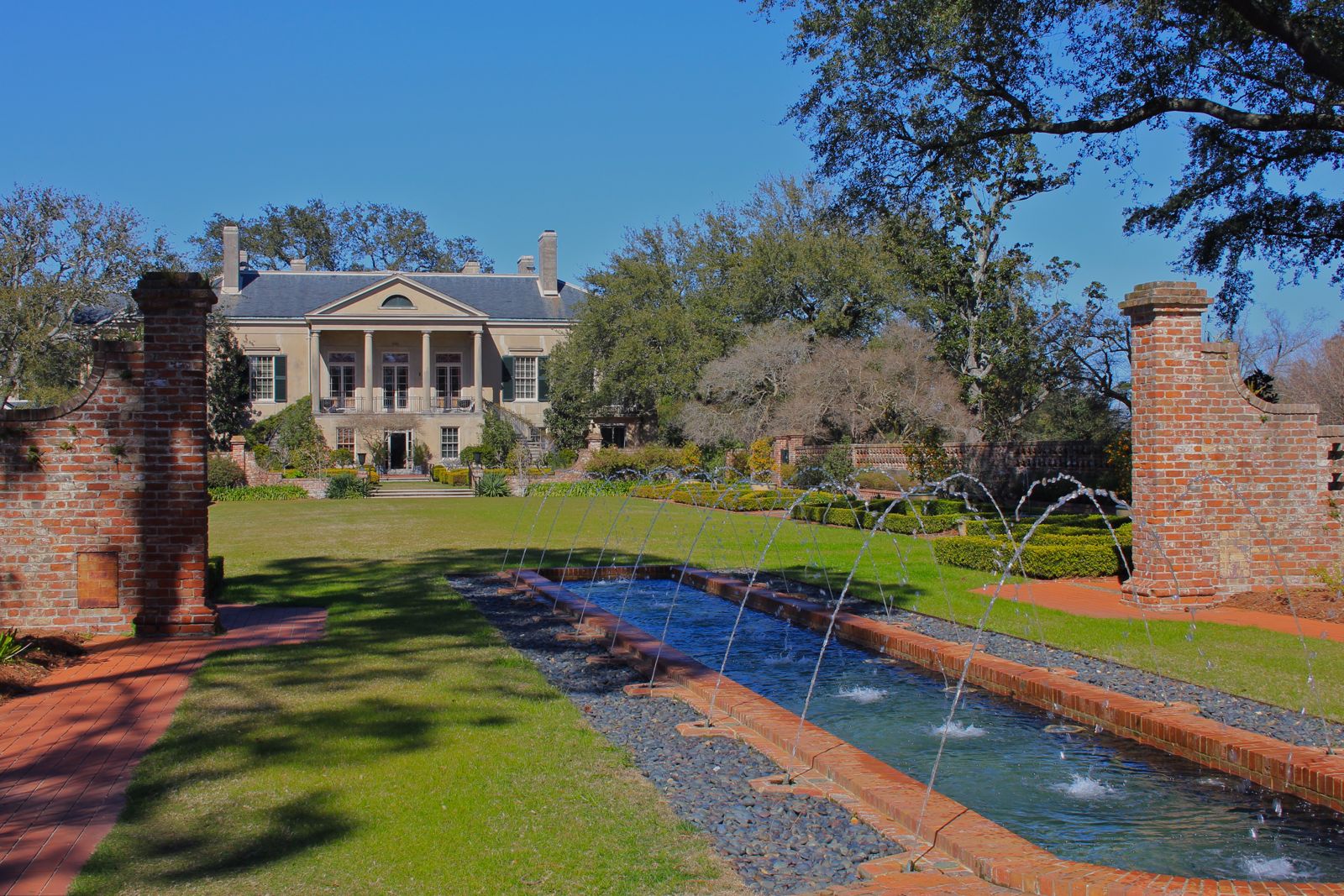
7 Bamboo Rd, New Orleans, LA
7 Bamboo Rd, New Orleans, LA
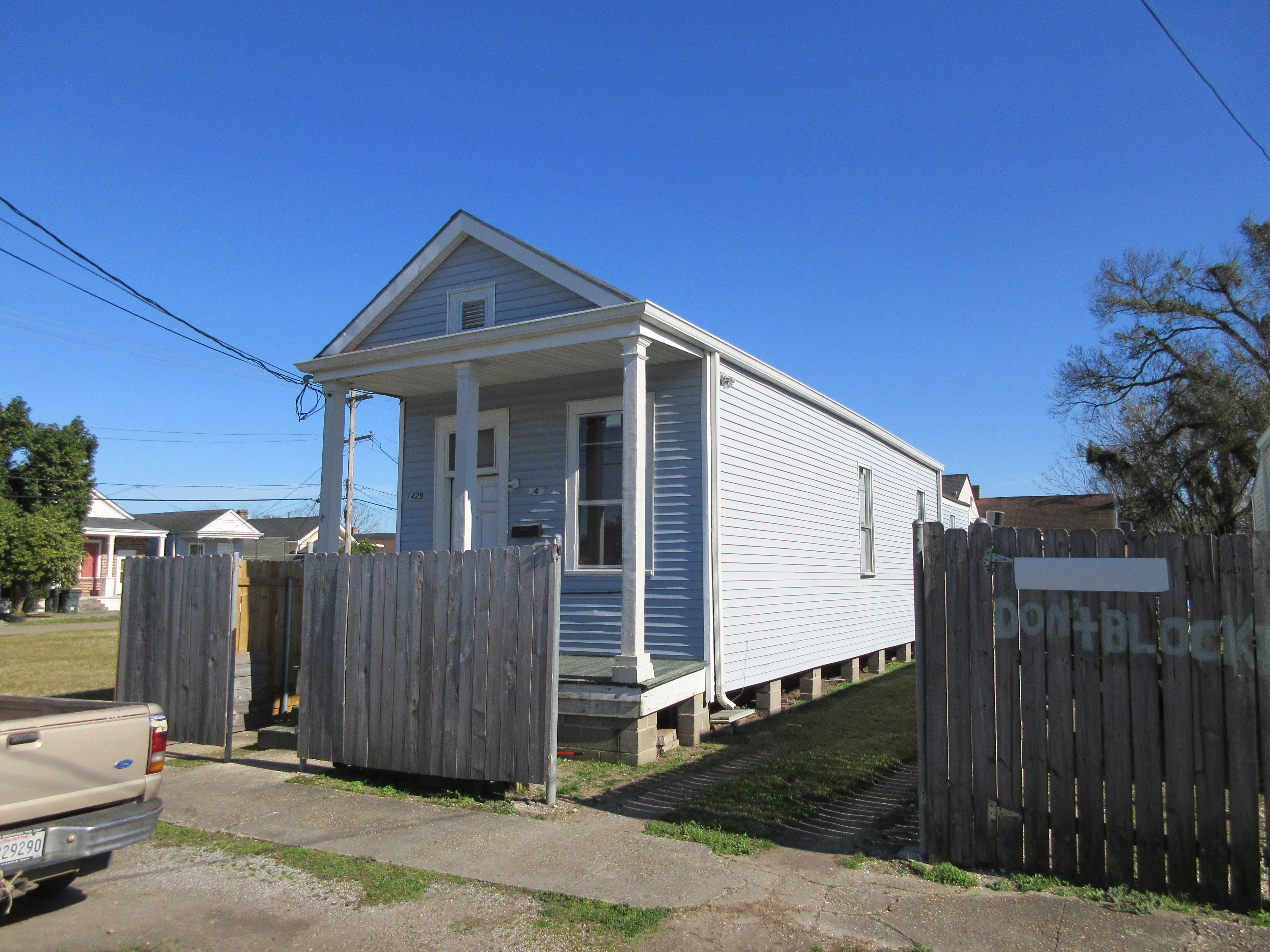
2726 Constance St, New Orleans, LA
2726 Constance St, New Orleans, LA
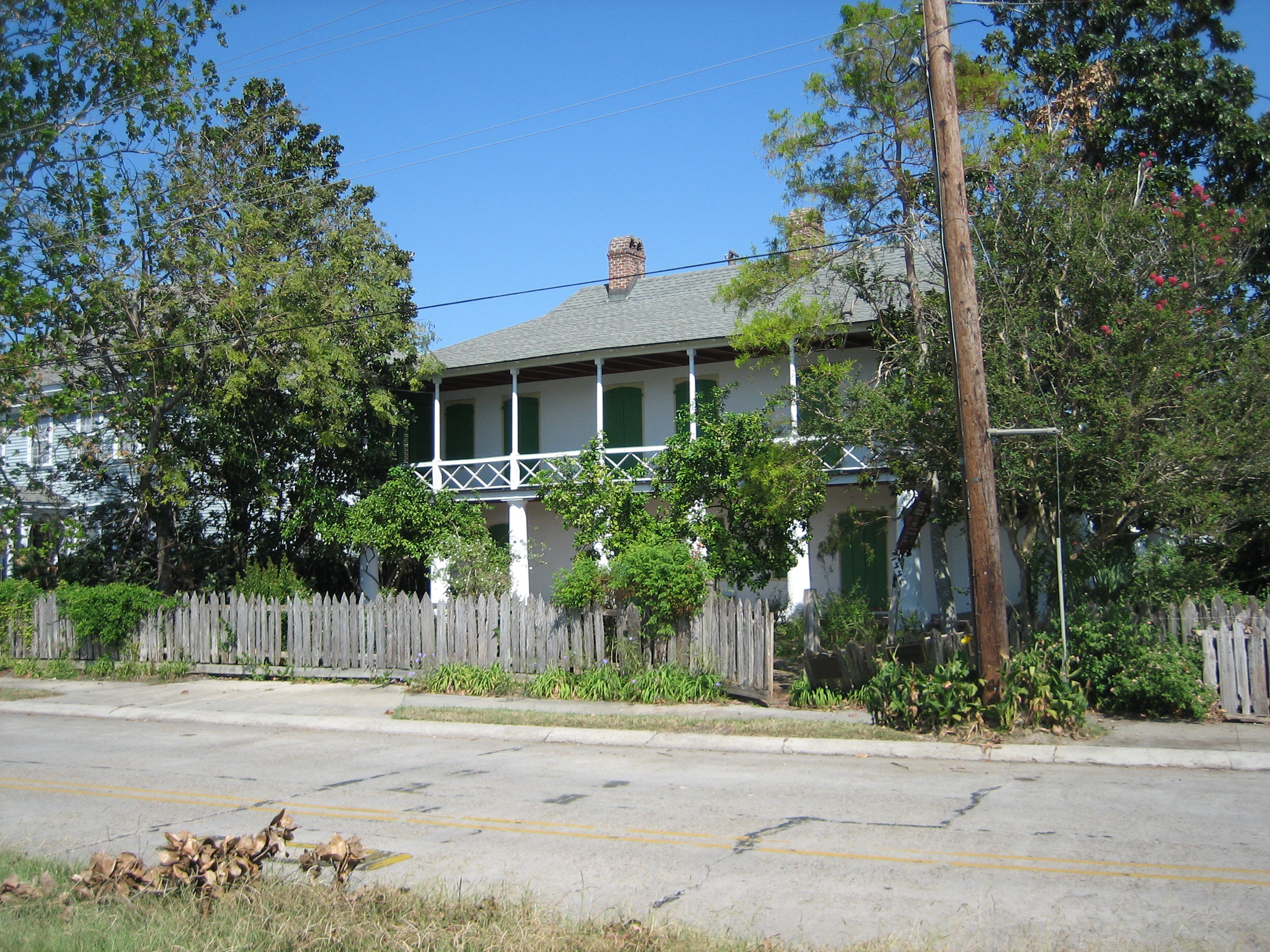
1440 Moss St, New Orleans, LA
1440 Moss St, New Orleans, LA
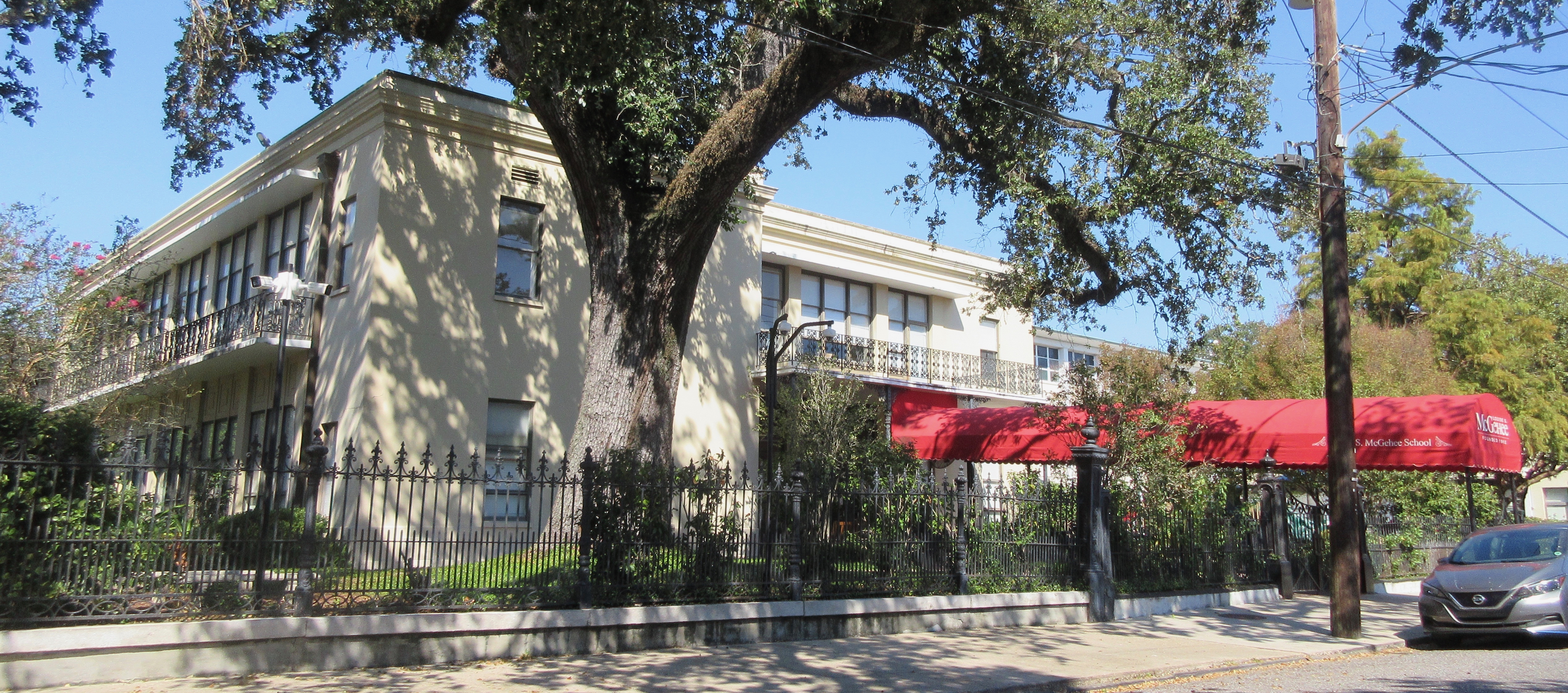
2343 Prytania St, New Orleans, LA
2343 Prytania St, New Orleans, LA
Colonial Revival in New Orleans: Common Questions
Where can I see Colonial Revival architecture in New Orleans?
You can find Colonial Revival architecture in several neighborhoods, particularly in the French Quarter and Garden District. Notable buildings include the Beauregard-Keyes House, Madame John's Legacy, and the Hermann-Grima House.
When was Colonial Revival architecture popular in New Orleans?
Colonial Revival architecture gained popularity in New Orleans during the late 19th and early 20th centuries, coinciding with a period of economic growth and a renewed interest in America's historical roots.
What should I look for in Colonial Revival buildings?
When examining Colonial Revival buildings, look for features such as symmetry, classical detailing, decorative entryways, and the use of traditional materials like brick and wood. Examples include the symmetrical facades of the Beauregard-Keyes House and Madame John's Legacy.
How does New Orleans' Colonial Revival compare to other regions?
While Colonial Revival architecture shares common elements across the United States, New Orleans’ version incorporates local materials and cultural influences, resulting in unique interpretations. The Hermann-Grima House, for instance, showcases local brick and wood combinations distinctive to the area.
Can I visit Colonial Revival buildings in New Orleans?
Many Colonial Revival buildings, such as the Beauregard-Keyes House and Hermann-Grima House, are open for public tours. However, it is advisable to check their specific visiting hours and any events that may affect access.