Colonial Revival Architecture in Monterey
Explore 16 colonial revival buildings that shape Monterey's architectural identity
The Colonial Revival style emerged in the late 19th and early 20th centuries as a response to the growing interest in America's colonial past. In Monterey, this architectural movement gained traction during a period of economic revitalization and cultural nostalgia, particularly as the city evolved into a significant tourist destination. The influx of visitors and residents looking for a connection to historical roots led to the construction of numerous buildings that reflect this style.
Monterey's Colonial Revival buildings are characterized by their symmetrical designs, classical proportions, and use of traditional materials such as brick and stucco. The Hotel Del Monte, for instance, showcases these elements with its grand, symmetrical layout and elegant classical detailing, making it a standout example of the style. Similarly, Casa Soberanes features a symmetrical facade and classical columns that emphasize the influence of early American architecture.
The Old Whaling Station provides another illustration of the Colonial Revival aesthetic, with its double-hung windows and verandas that enhance its simplicity and connection to historical design. Concentrated in areas such as Pacific Street and Custom House Plaza, these buildings contribute to the architectural narrative of Monterey, reflecting both local history and broader American architectural trends.
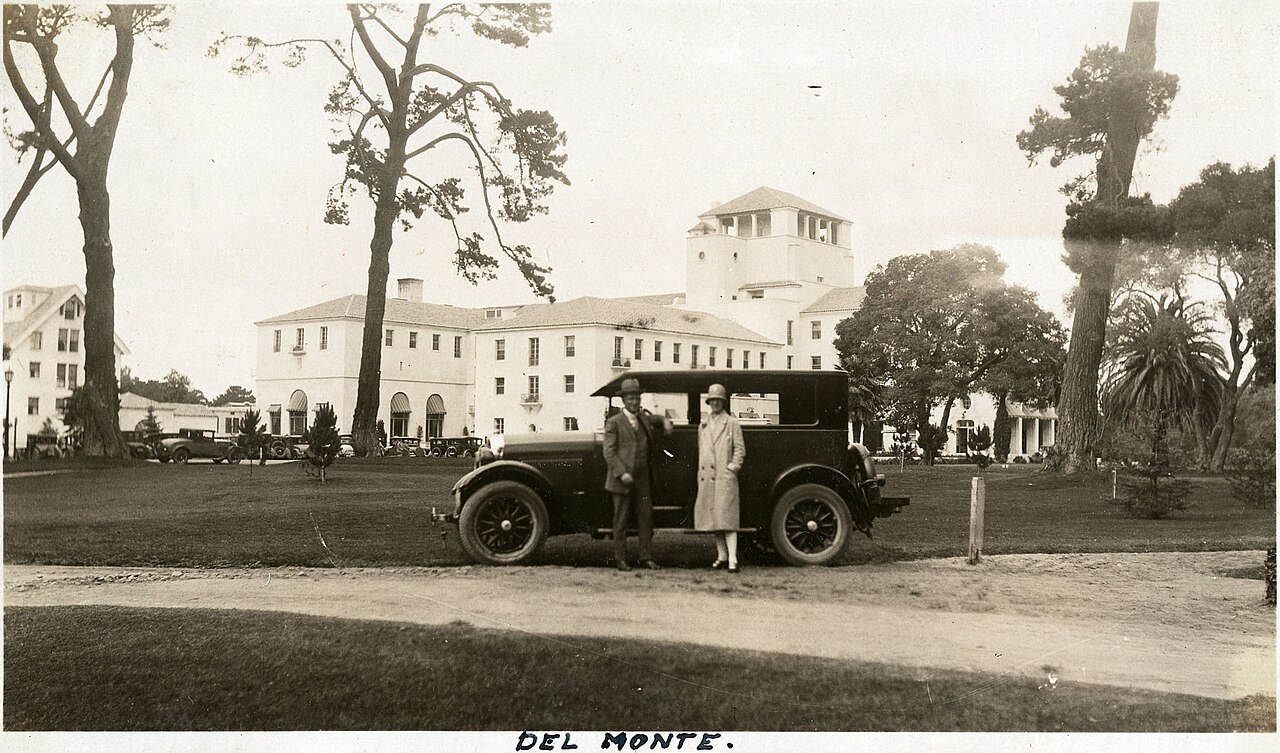
Hotel Del Monte
1 University Cir, Monterey, CA
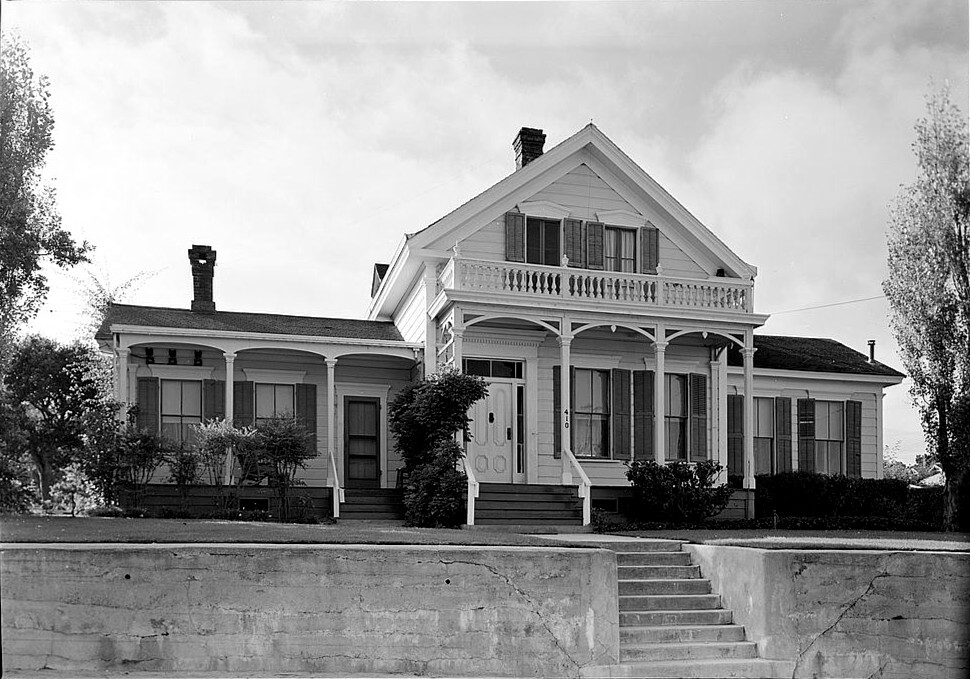
Finch House
410 Monroe St, Monterey, CA
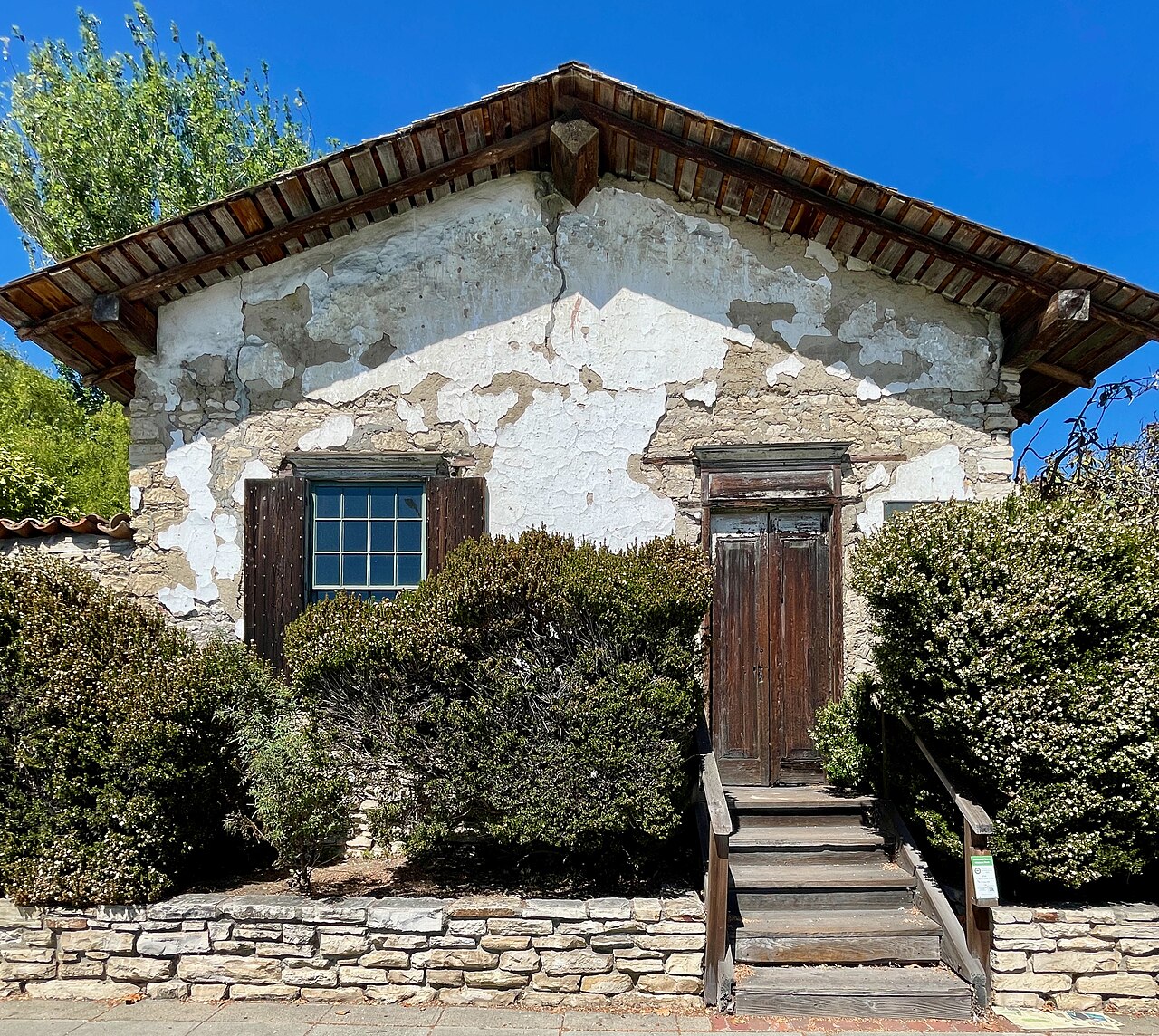
Sherman Quarters
510 Calle Principal, Monterey, CA
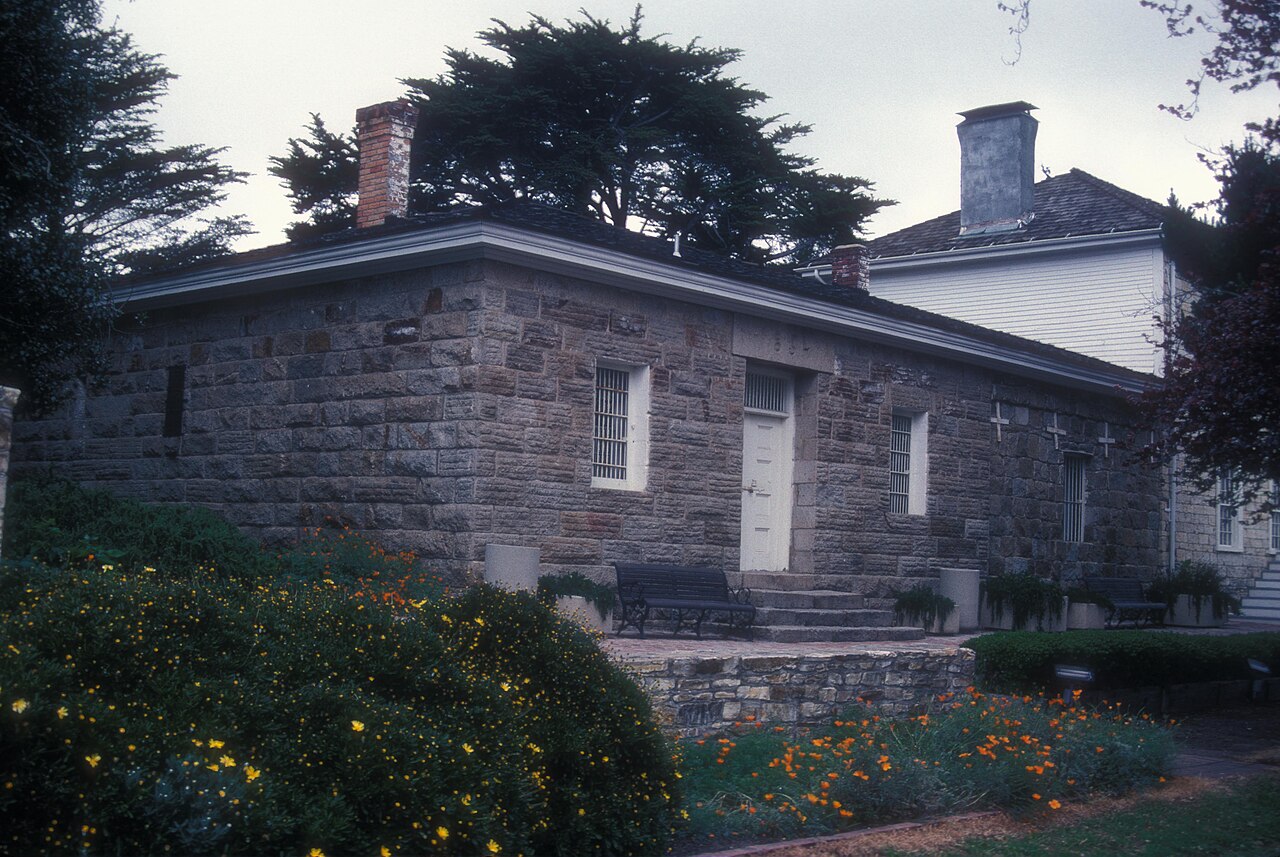
Old Monterey Jail
580 Pacific St, Monterey, CA
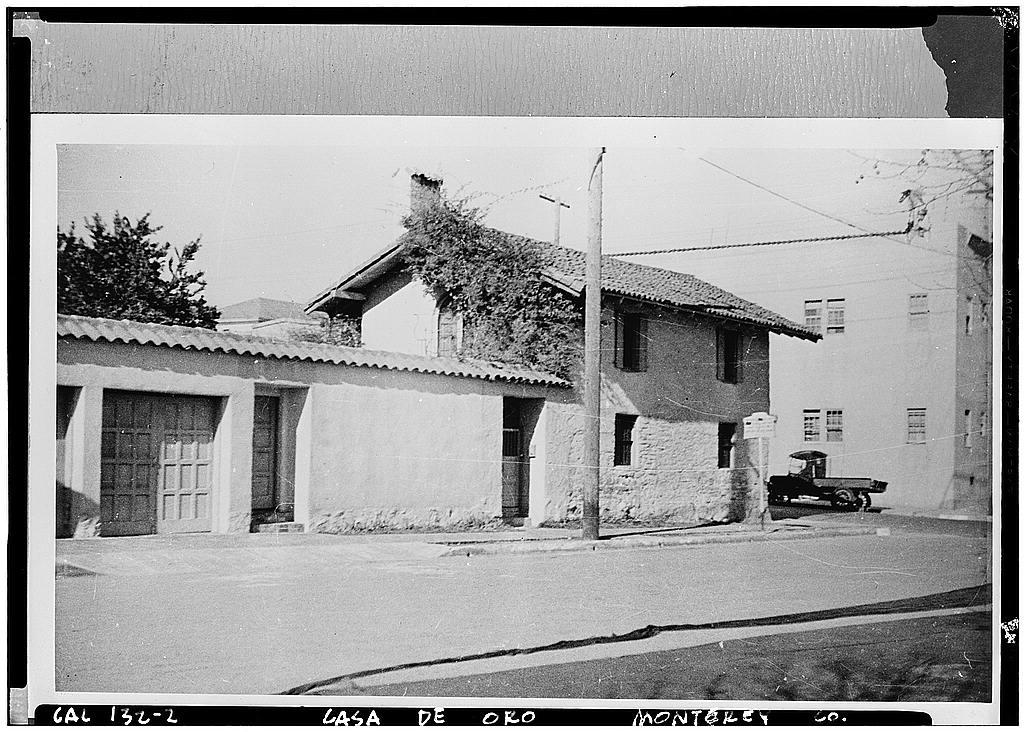
Casa del Oro
210 Olivier St, Monterey, CA
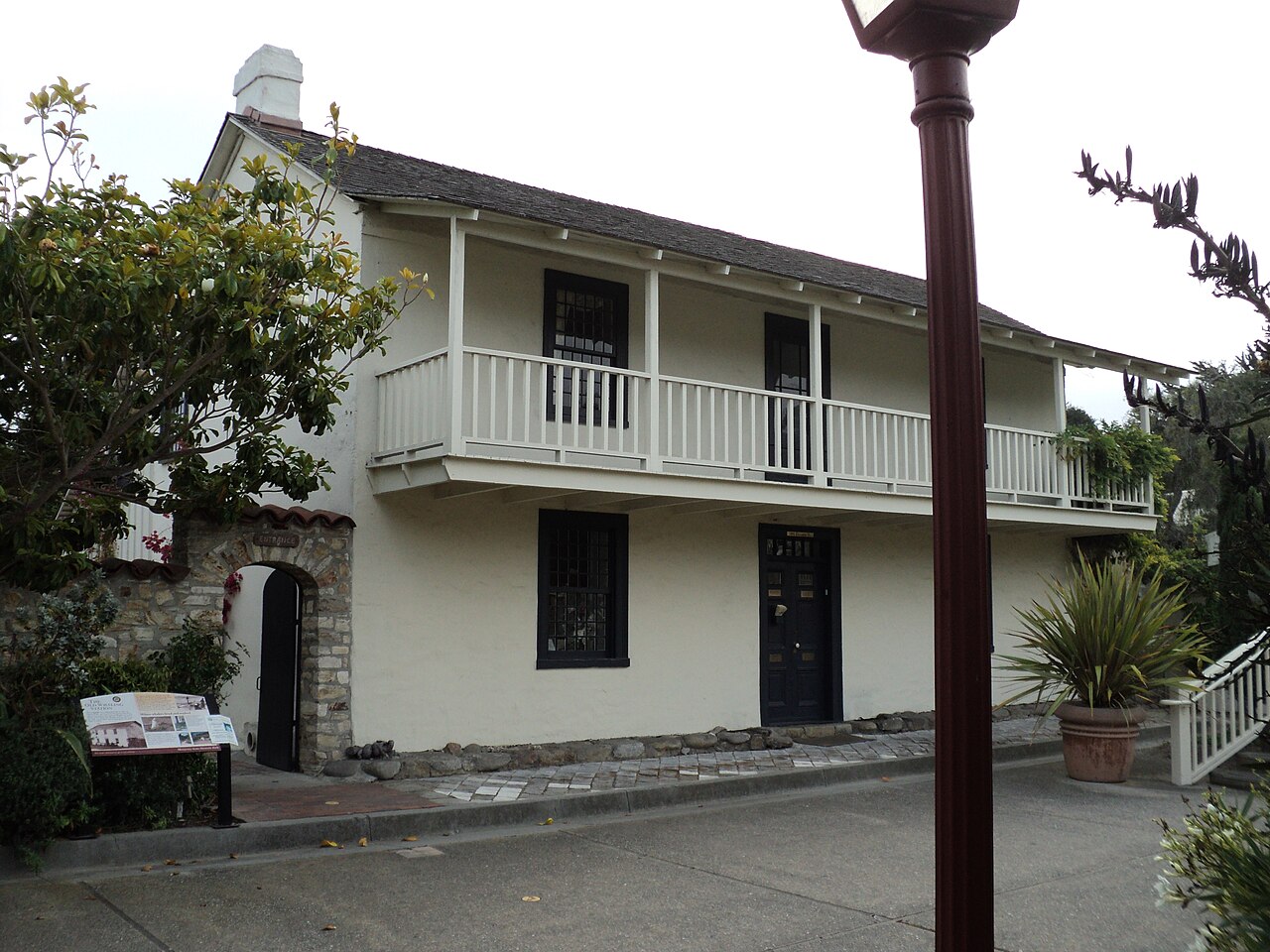
Old Whaling Station
391 Decatur St, Monterey, CA
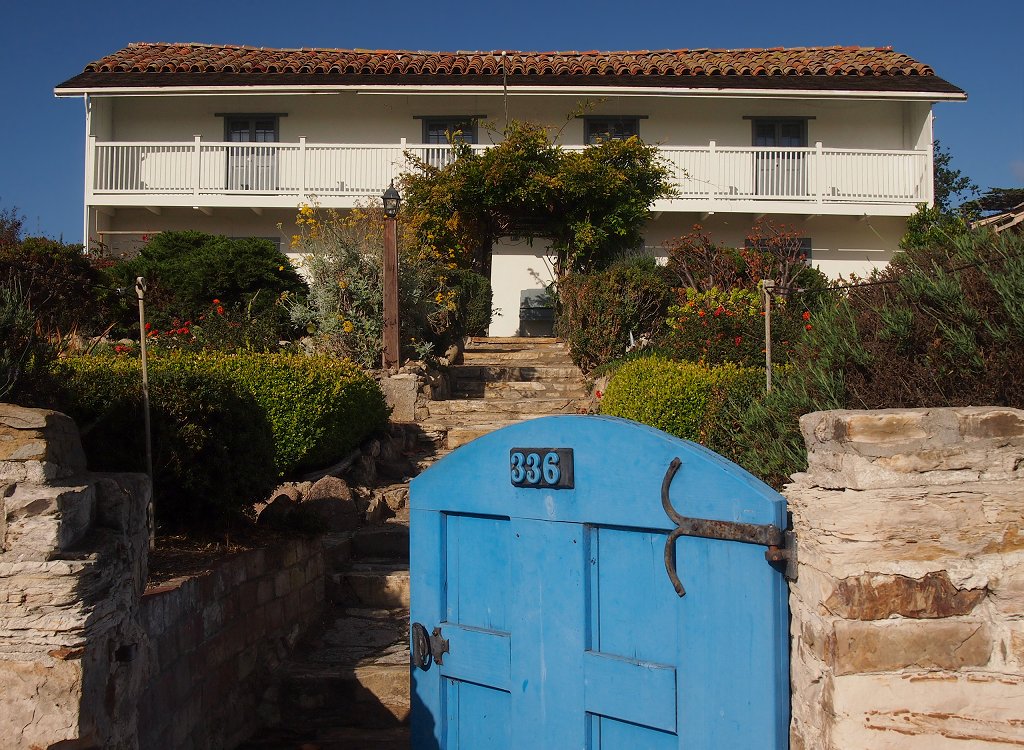
Casa Soberanes
336 Pacific St, Monterey, CA
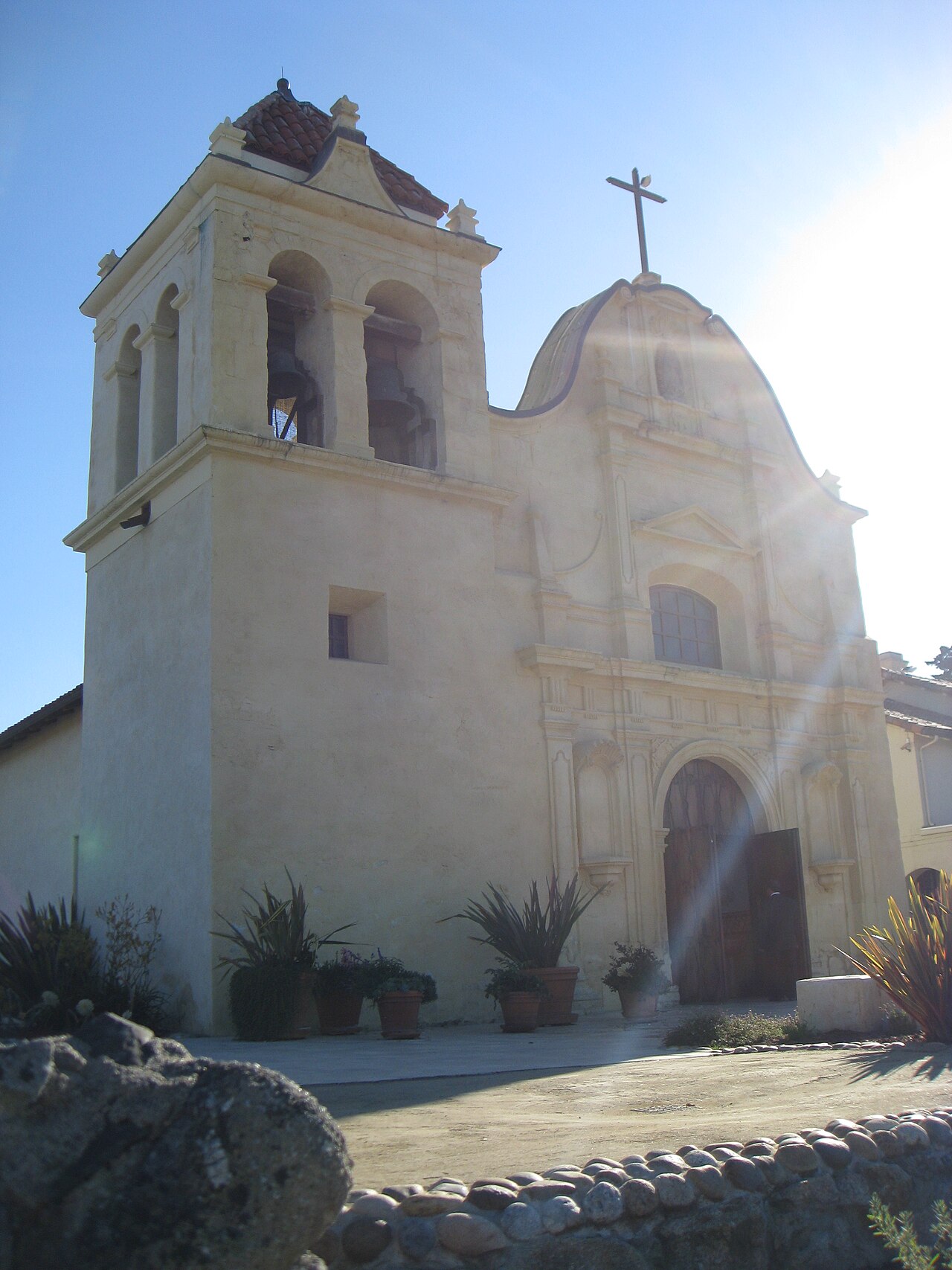
Royal Presidio Chapel
550 Church St, Monterey, CA
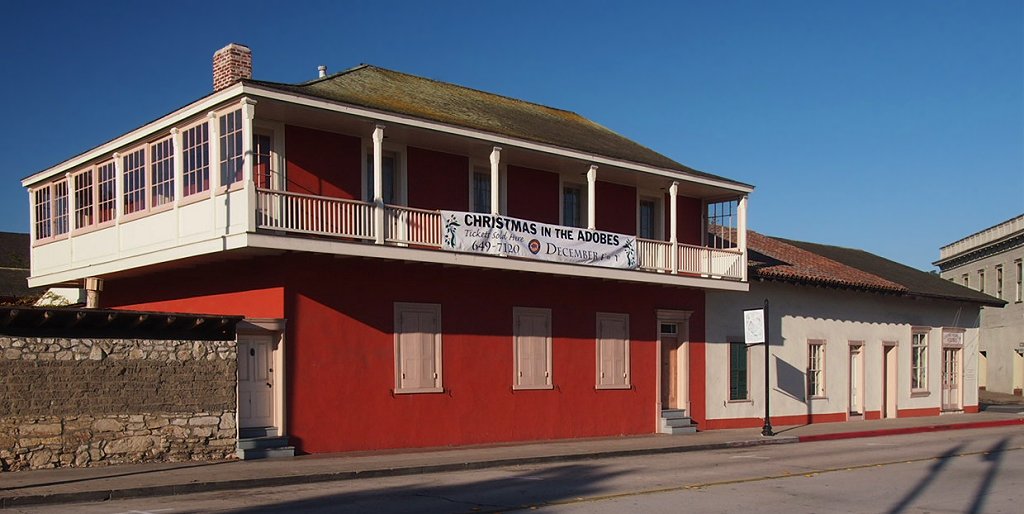
Cooper-Molera Adobe
525 Polk St, Monterey, CA
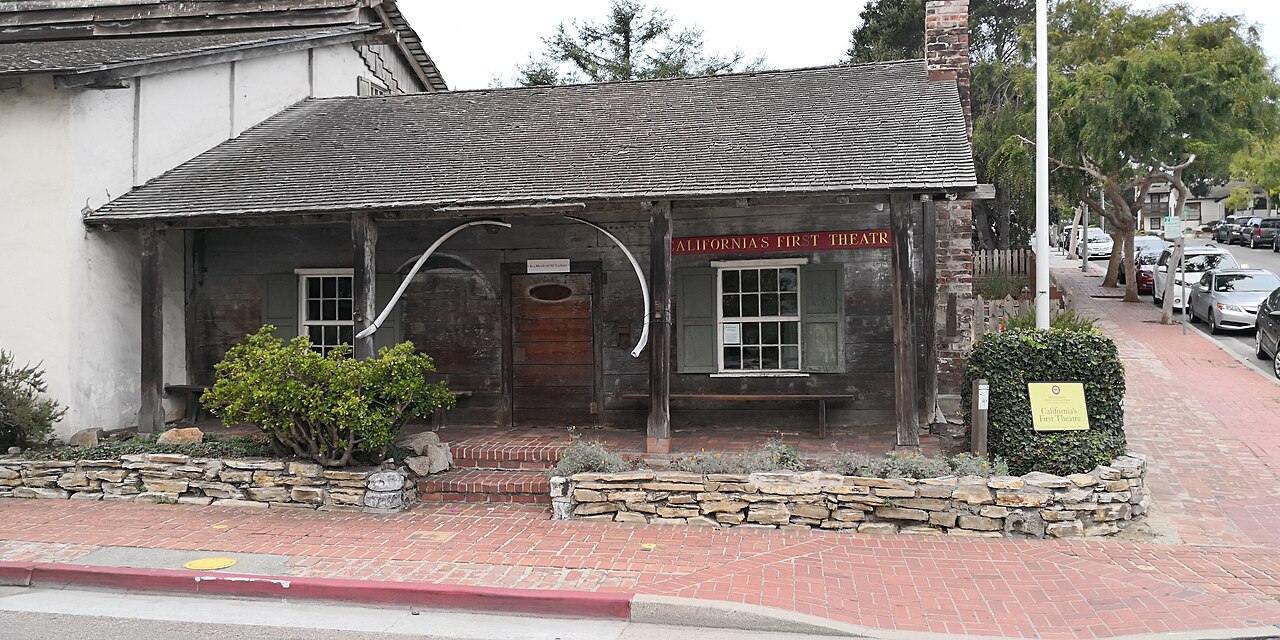
First Theatre of California
Scott & Pacific St, Monterey, CA
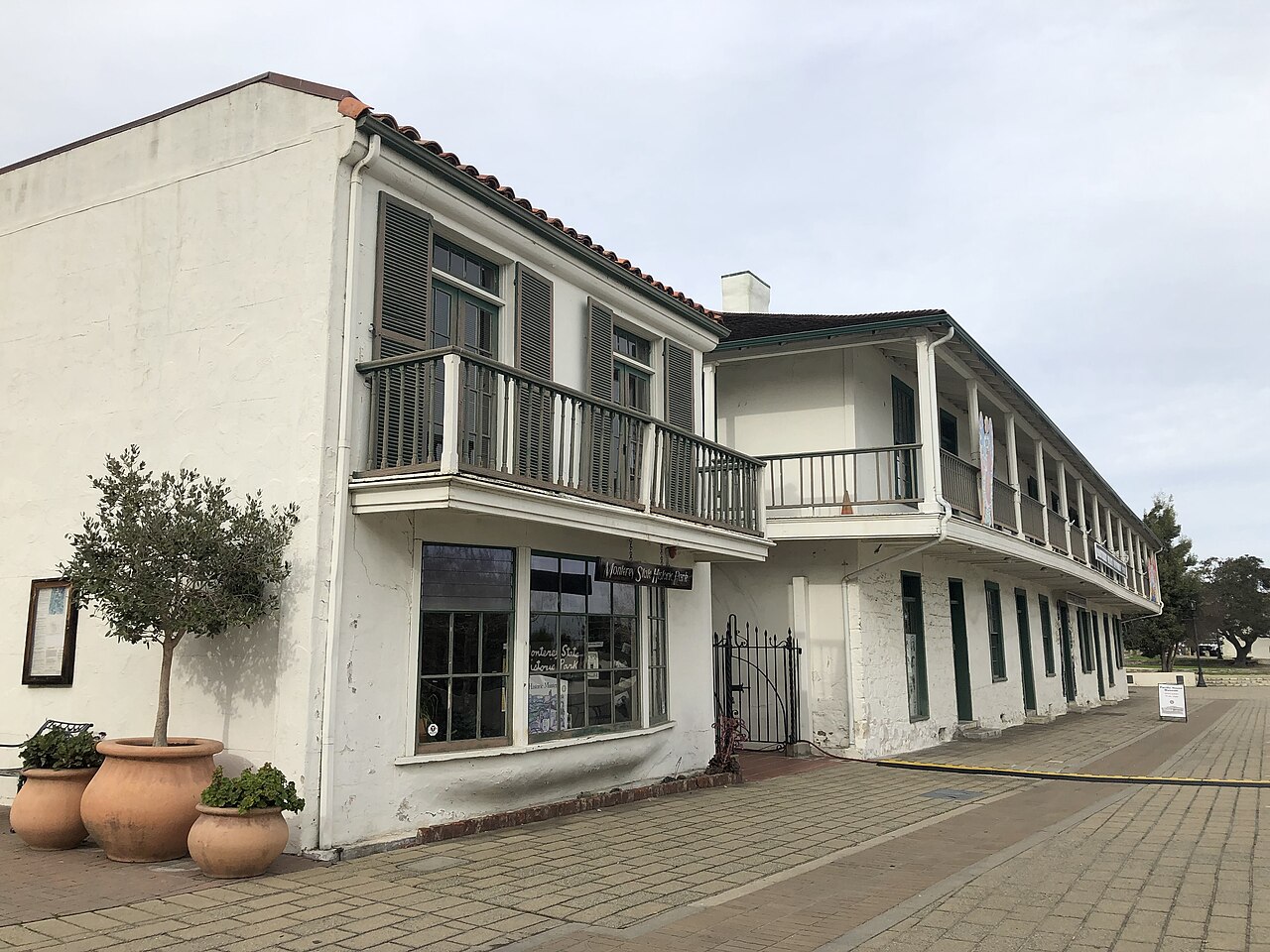
Pacific House
10 Custom House Plaza, Monterey, CA
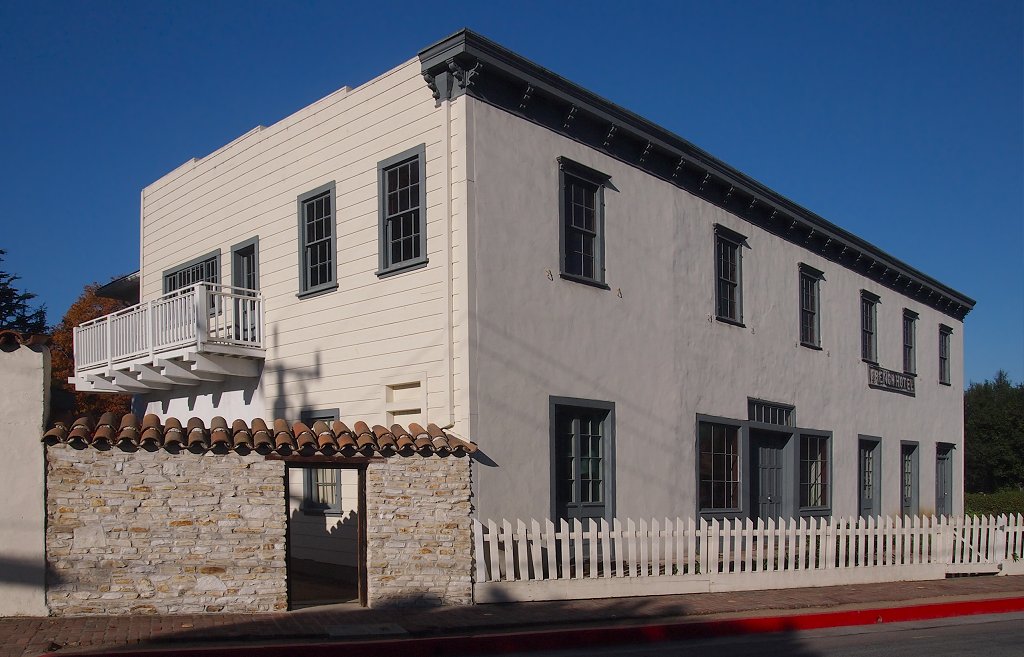
Stevenson House
530 Houston St, Monterey, CA
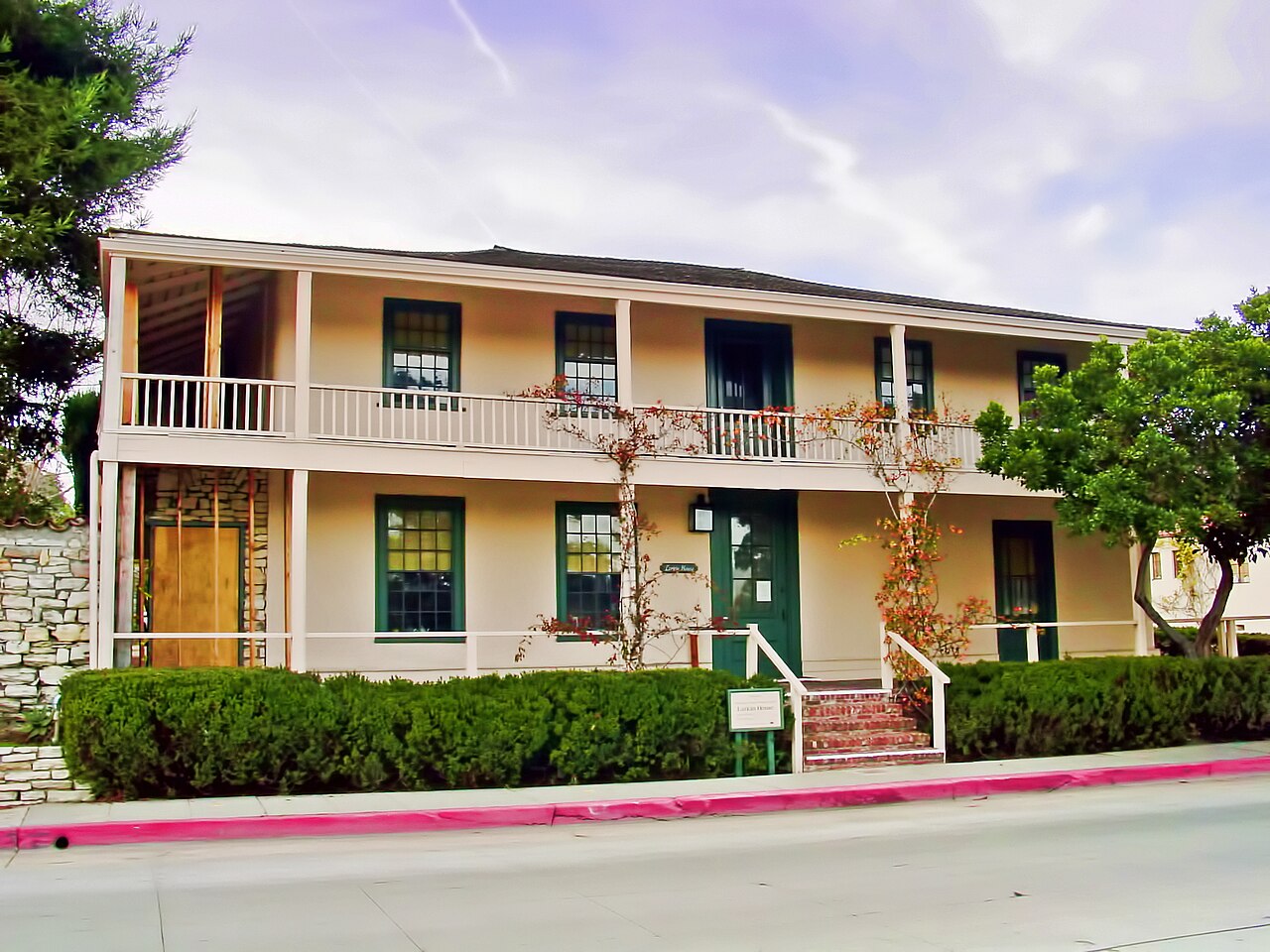
Larkin House
464 Calle Principal, Monterey, CA
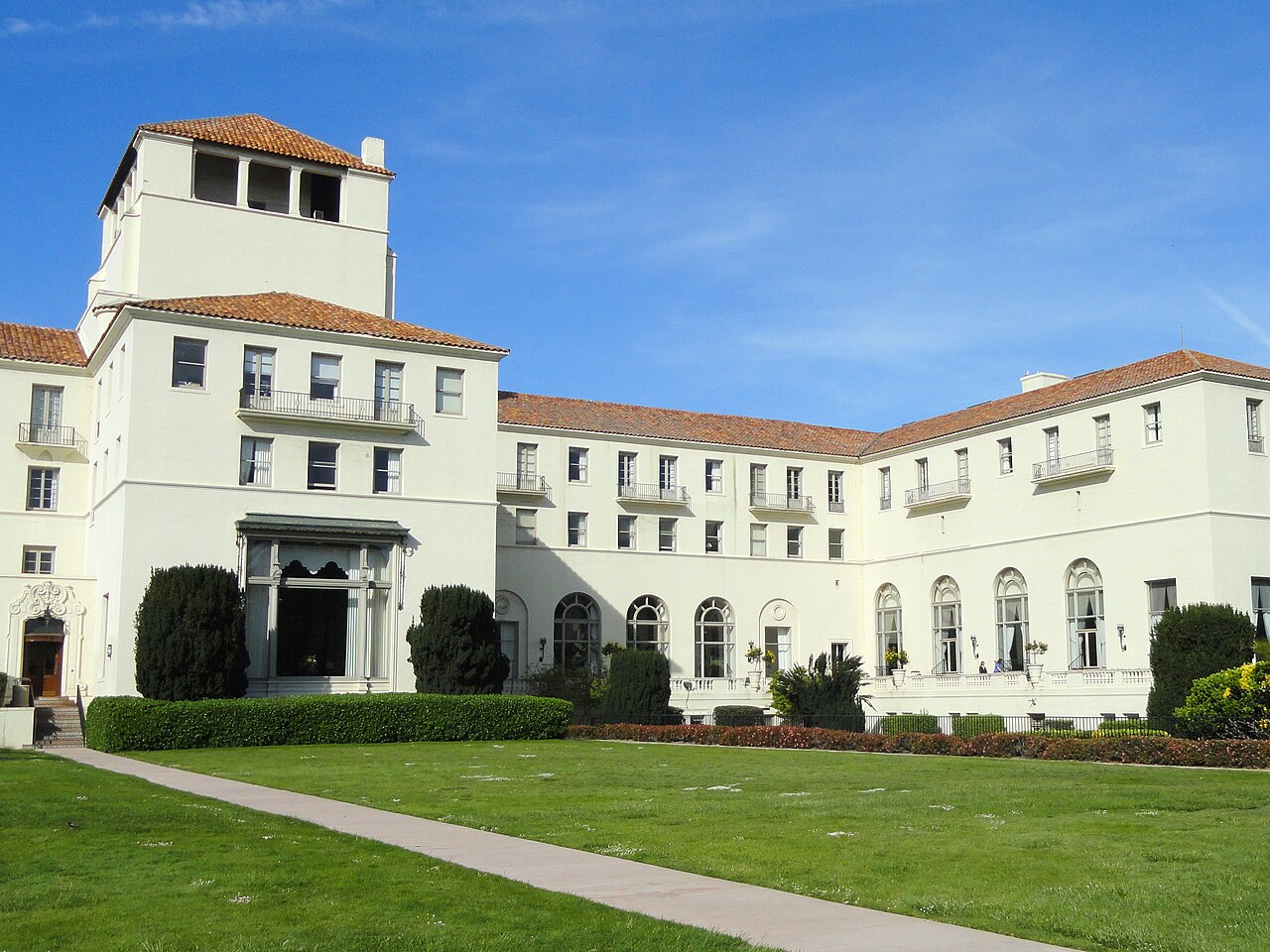
Herrmann Hall
1 University Cir, Monterey, CA
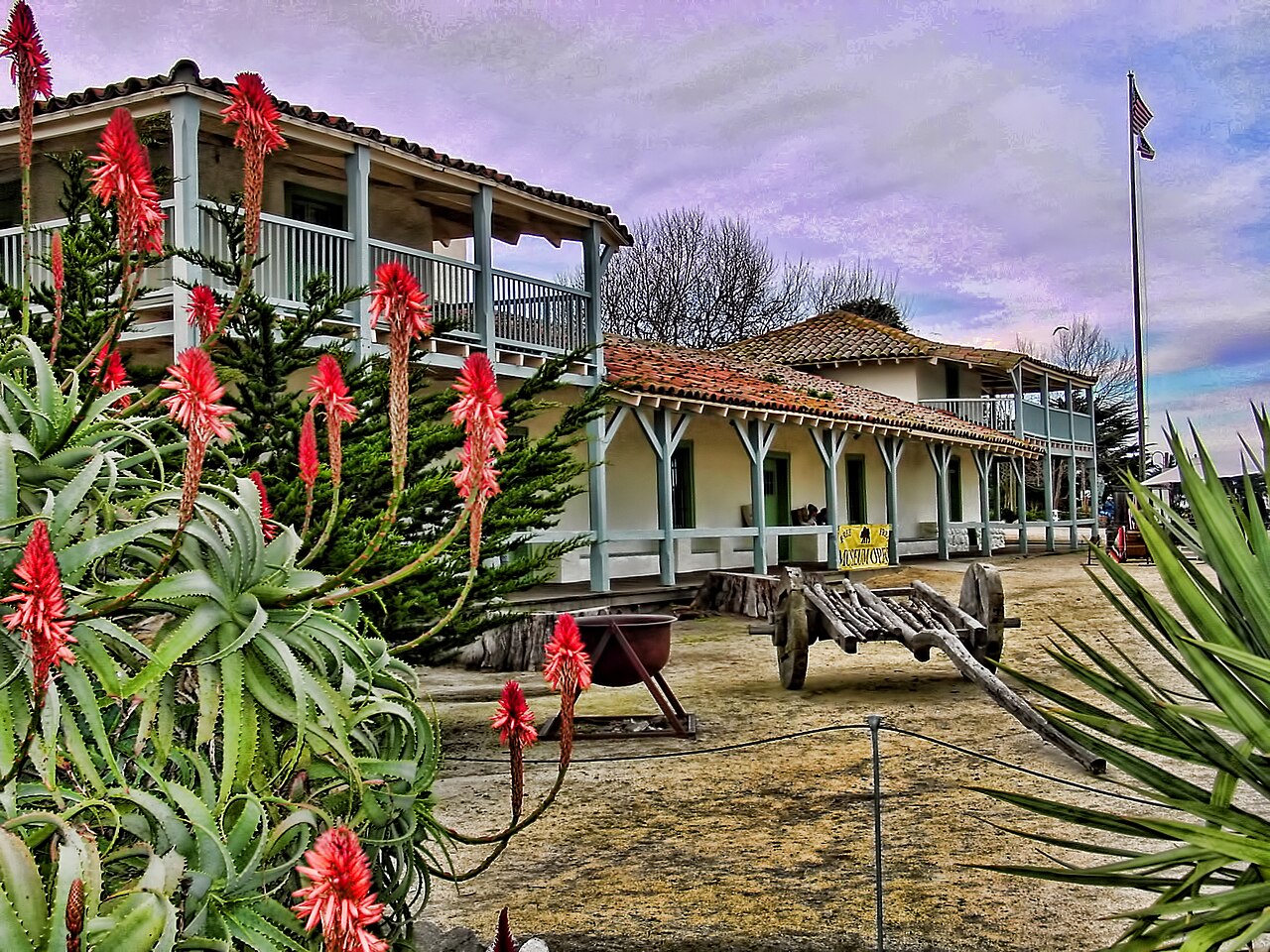
Custom House
20 Custom House Plaza, Monterey, CA
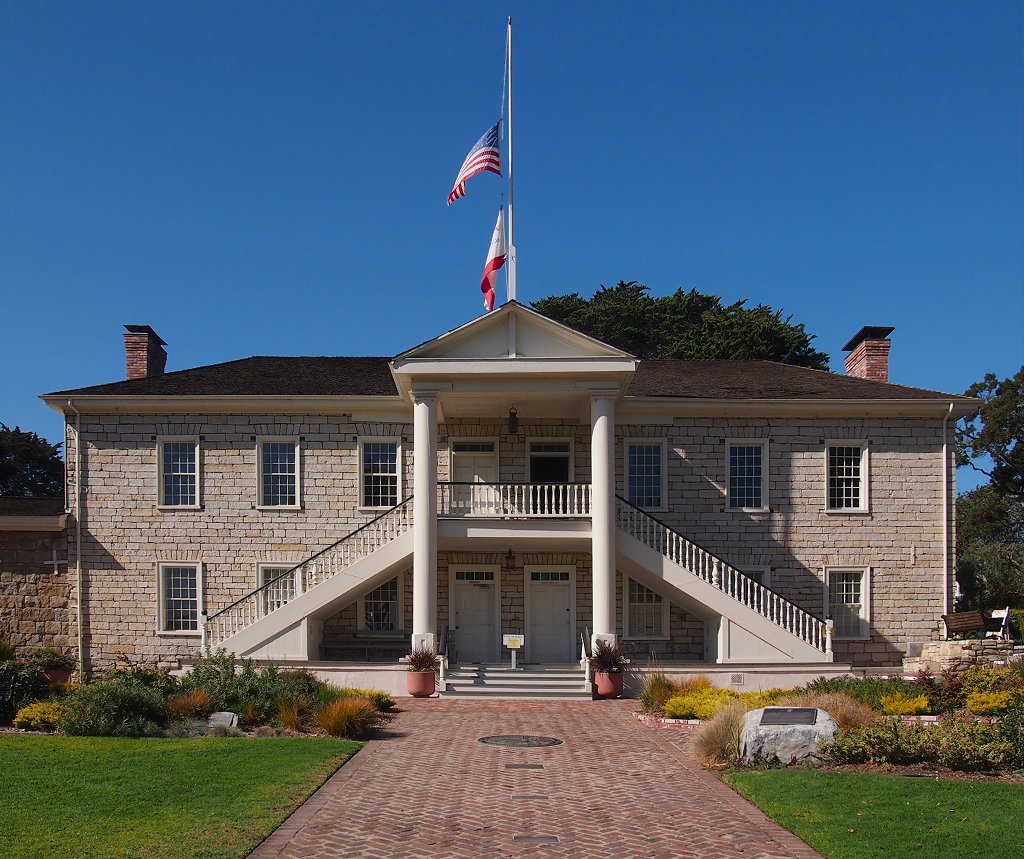
Colton Hall
570 Pacific St, Monterey, CA
Colonial Revival in Monterey: Common Questions
Where can I see Colonial Revival architecture in Monterey?
You can find notable examples along Pacific Street and Custom House Plaza. Key buildings include the Hotel Del Monte, Casa Soberanes, and Old Whaling Station, all showcasing distinct Colonial Revival features.
When was Colonial Revival architecture popular in Monterey?
The Colonial Revival style gained popularity in Monterey during the late 19th and early 20th centuries, aligning with the city’s growth as a tourist destination and interest in America's colonial heritage.
What should I look for in Colonial Revival buildings?
Look for symmetrical facades, classical detailing such as columns, and traditional materials. Buildings like the Old Monterey Jail and First Theatre of California exemplify these characteristics.
How does Monterey's Colonial Revival compare to other regions?
Monterey's Colonial Revival architecture retains a distinct local flavor through its use of regional materials and specific stylistic elements, while still reflecting the broader American trends seen in other cities.
Can I visit the Colonial Revival buildings in Monterey?
Yes, many of the Colonial Revival buildings, such as the Hotel Del Monte and Colton Hall, are accessible to the public. However, always check for specific visiting hours and any guidelines before your visit.