Mediterranean Revival Architecture in Monterey
Explore 13 mediterranean revival buildings that shape Monterey's architectural identity
The Mediterranean Revival architectural style emerged in the early 20th century, gaining popularity in coastal California cities like Monterey. This movement was influenced by the region's Spanish colonial history and the desire to evoke the relaxed charm of Mediterranean coastal towns. With the growth of tourism and the local economy, many buildings were designed to reflect this aesthetic, utilizing materials and details that resonate with the warm, inviting nature of the Mediterranean.
Monterey's Mediterranean Revival buildings are characterized by their stucco exteriors, terracotta roof tiles, and arched doorways. For instance, the Hotel Del Monte stands out with its expansive stucco façade and striking arched windows, offering a glimpse into the luxurious lifestyle of the early 20th century. Similarly, the Santa Catalina School showcases the style with its terracotta roof tiles and outdoor spaces that enhance the connection to nature.
Neighborhoods such as Downtown Monterey and nearby Carmel-by-the-Sea feature a concentration of these architectural gems. Casa del Oro, with its charming arched elements and warm stucco walls, exemplifies the style's emphasis on harmony with the landscape. The Royal Presidio Chapel, another notable structure, incorporates ornamental detailing that captures the essence of Mediterranean coastal architecture, further enriching the local architectural narrative.
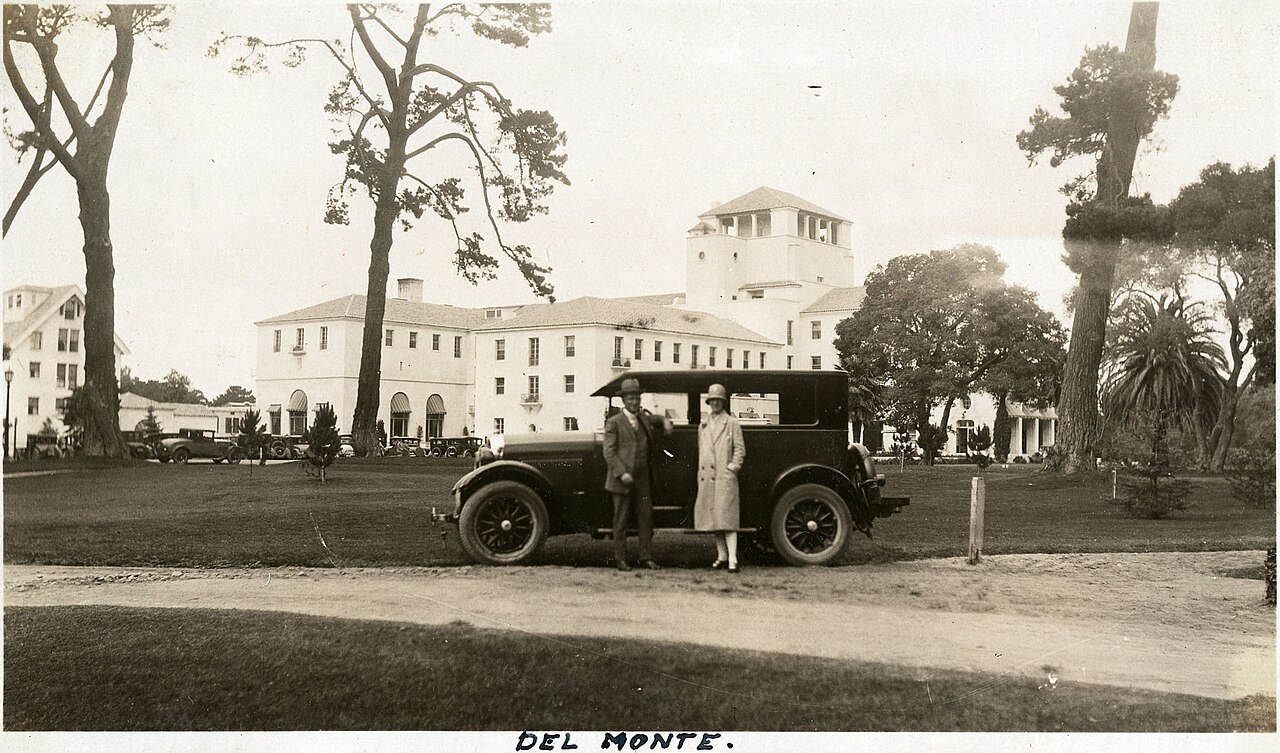
Hotel Del Monte
1 University Cir, Monterey, CA
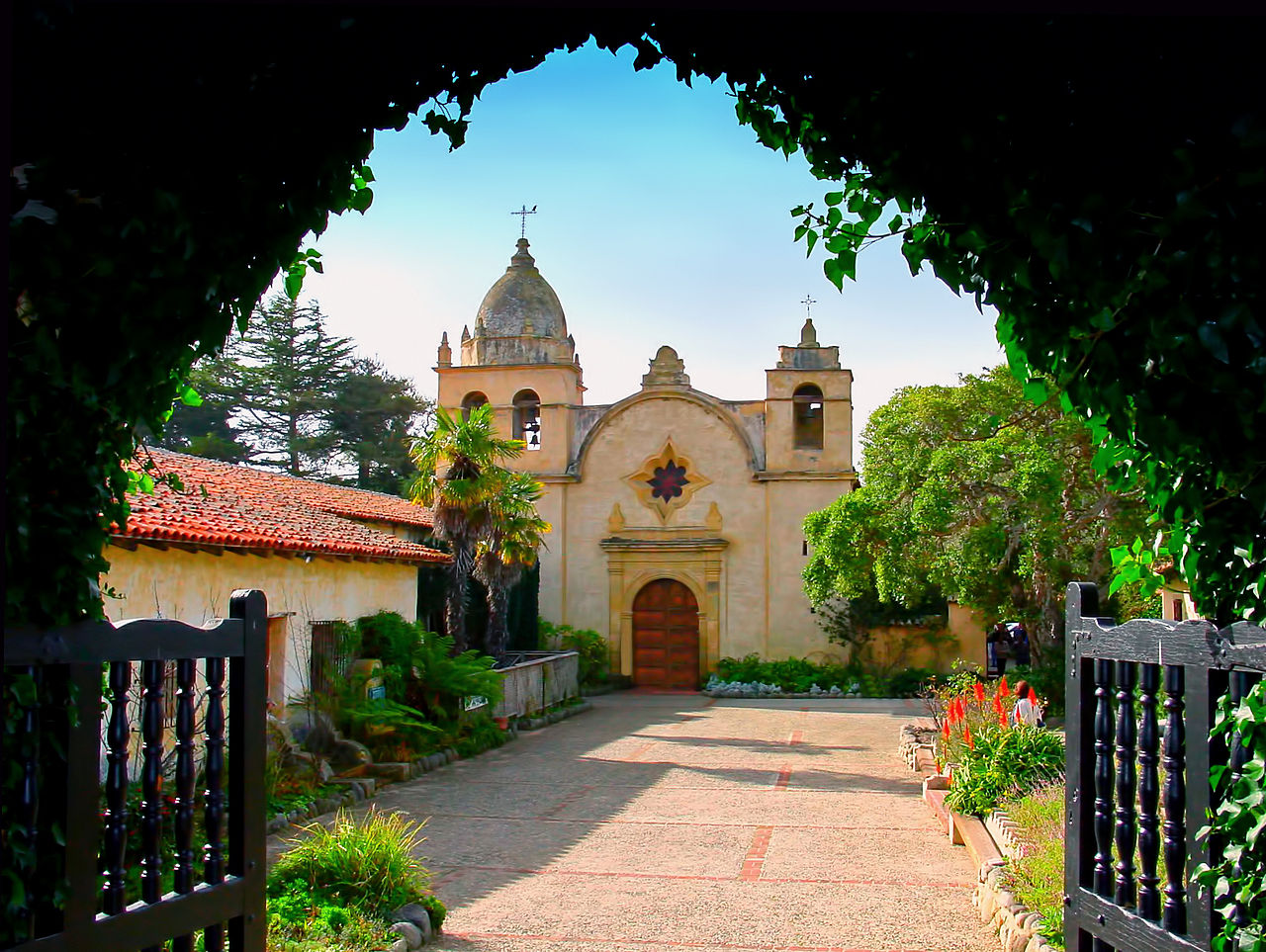
Carmel Mission
3080 Rio Rd, Carmel-by-the-Sea, CA
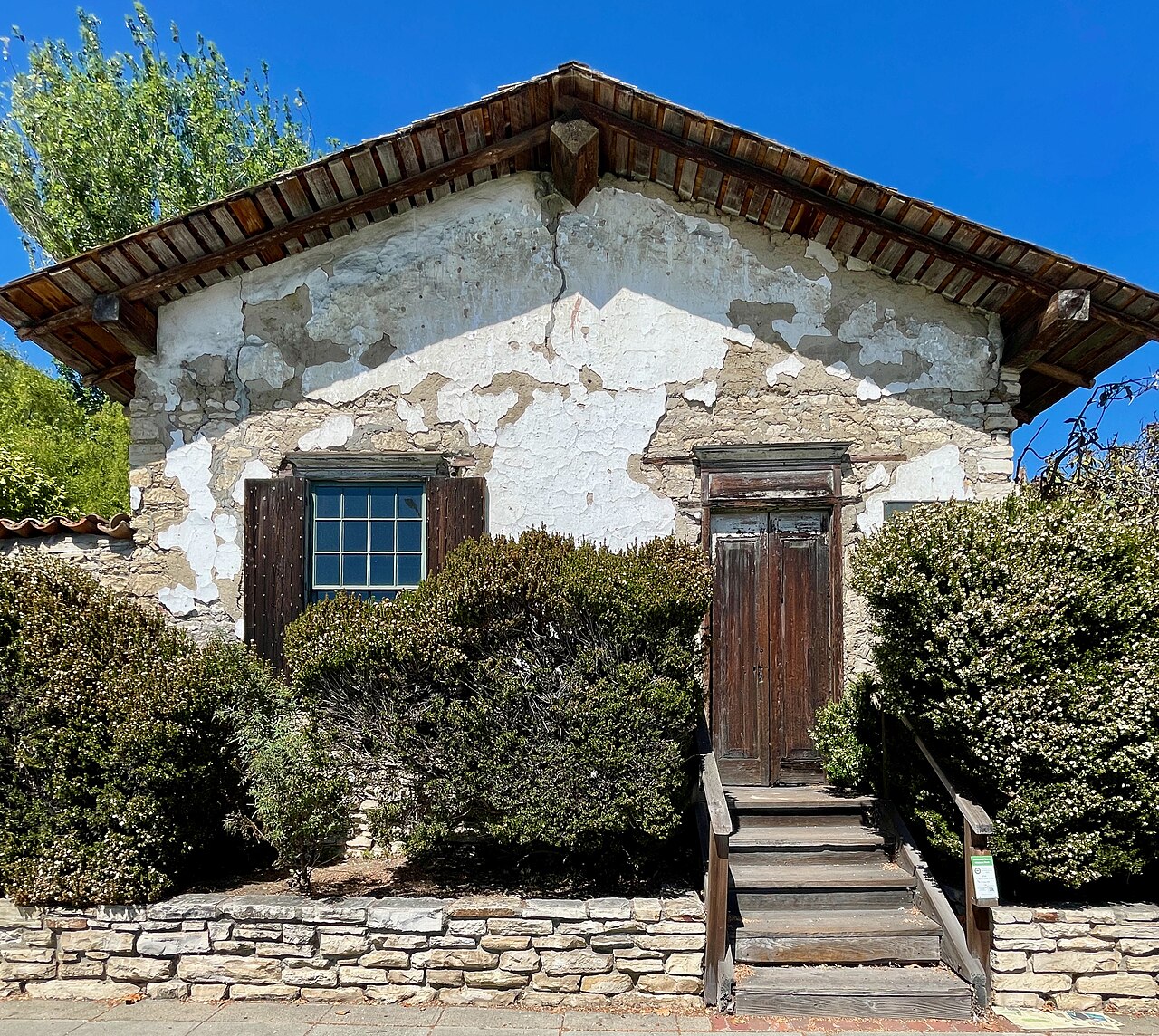
Sherman Quarters
510 Calle Principal, Monterey, CA
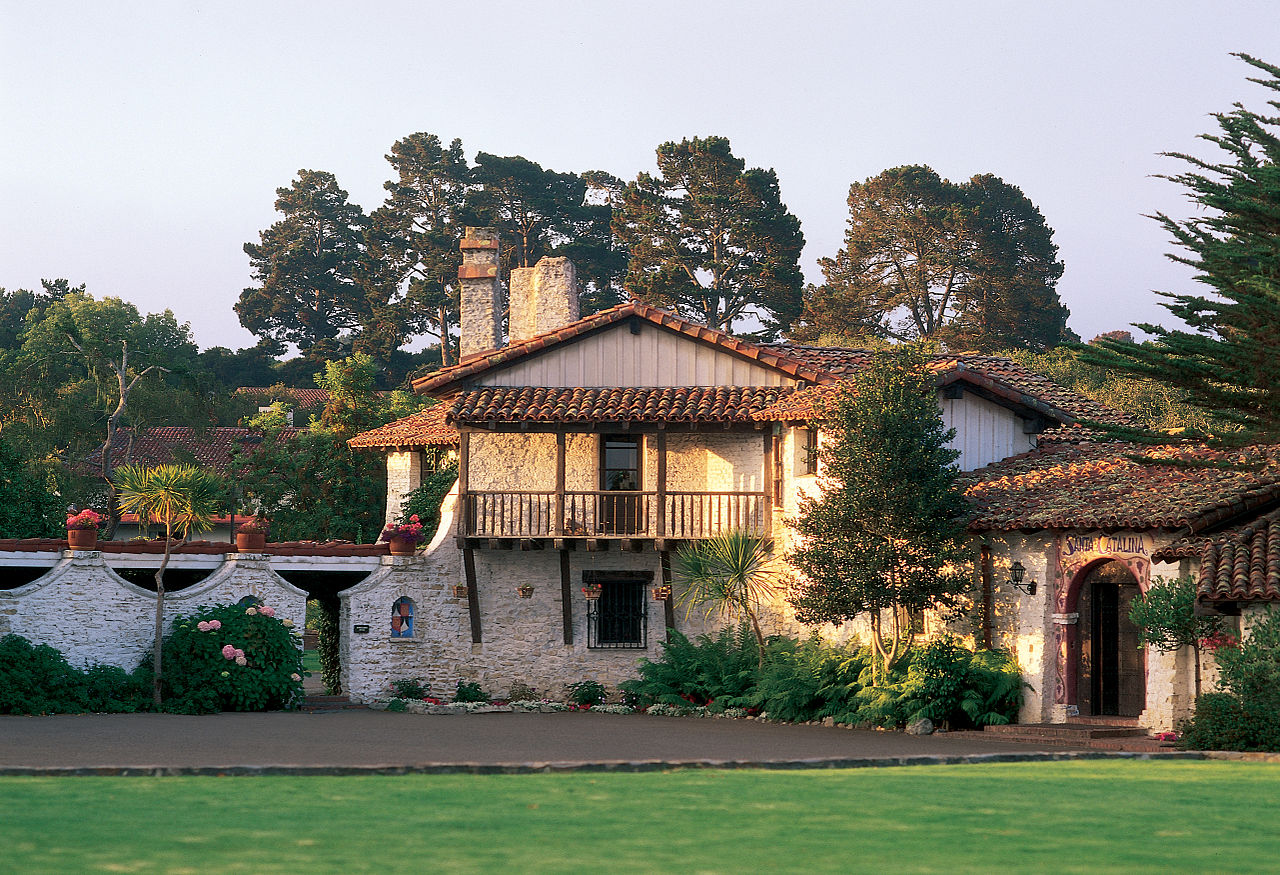
Santa Catalina School
1500 Mark Thomas Dr, Monterey, CA
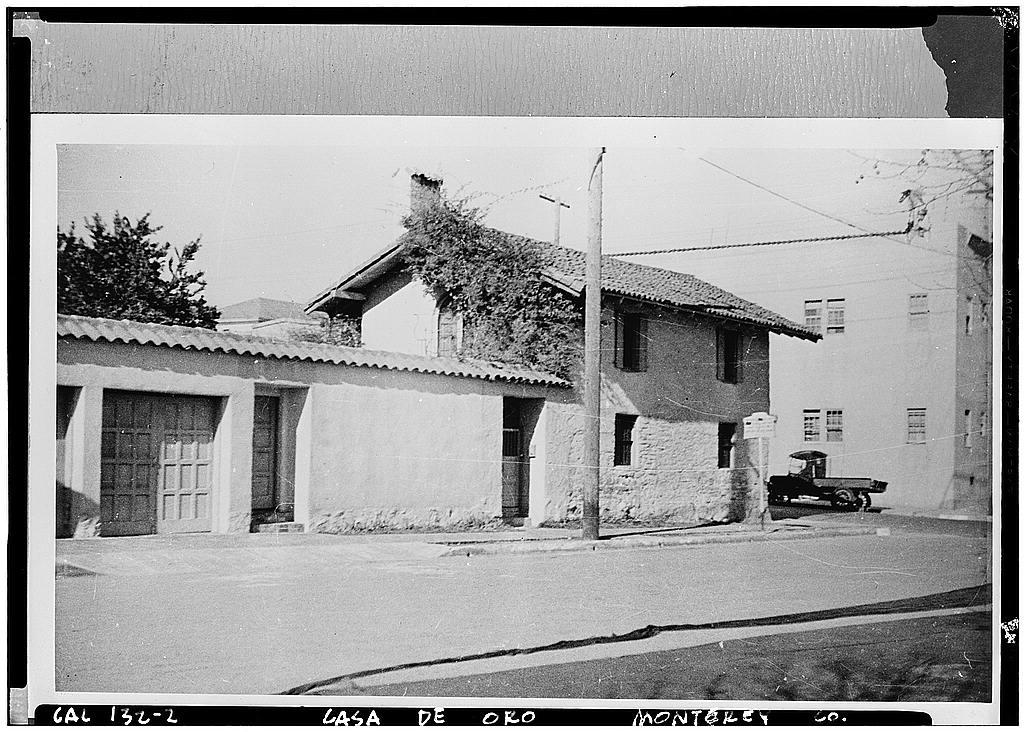
Casa del Oro
210 Olivier St, Monterey, CA
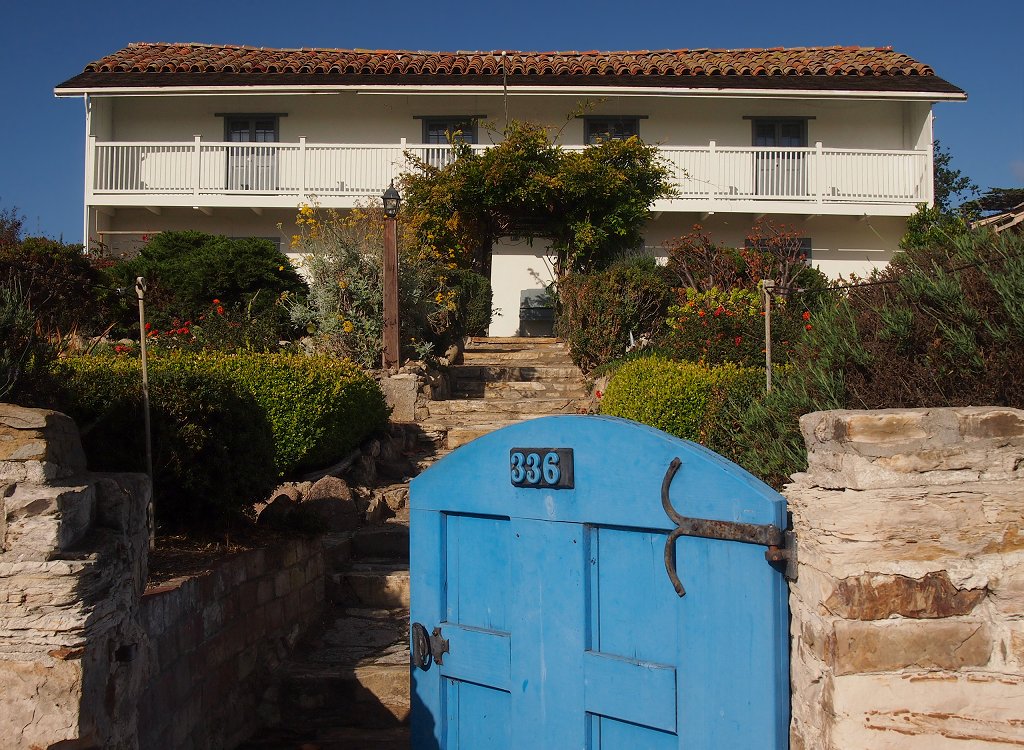
Casa Soberanes
336 Pacific St, Monterey, CA
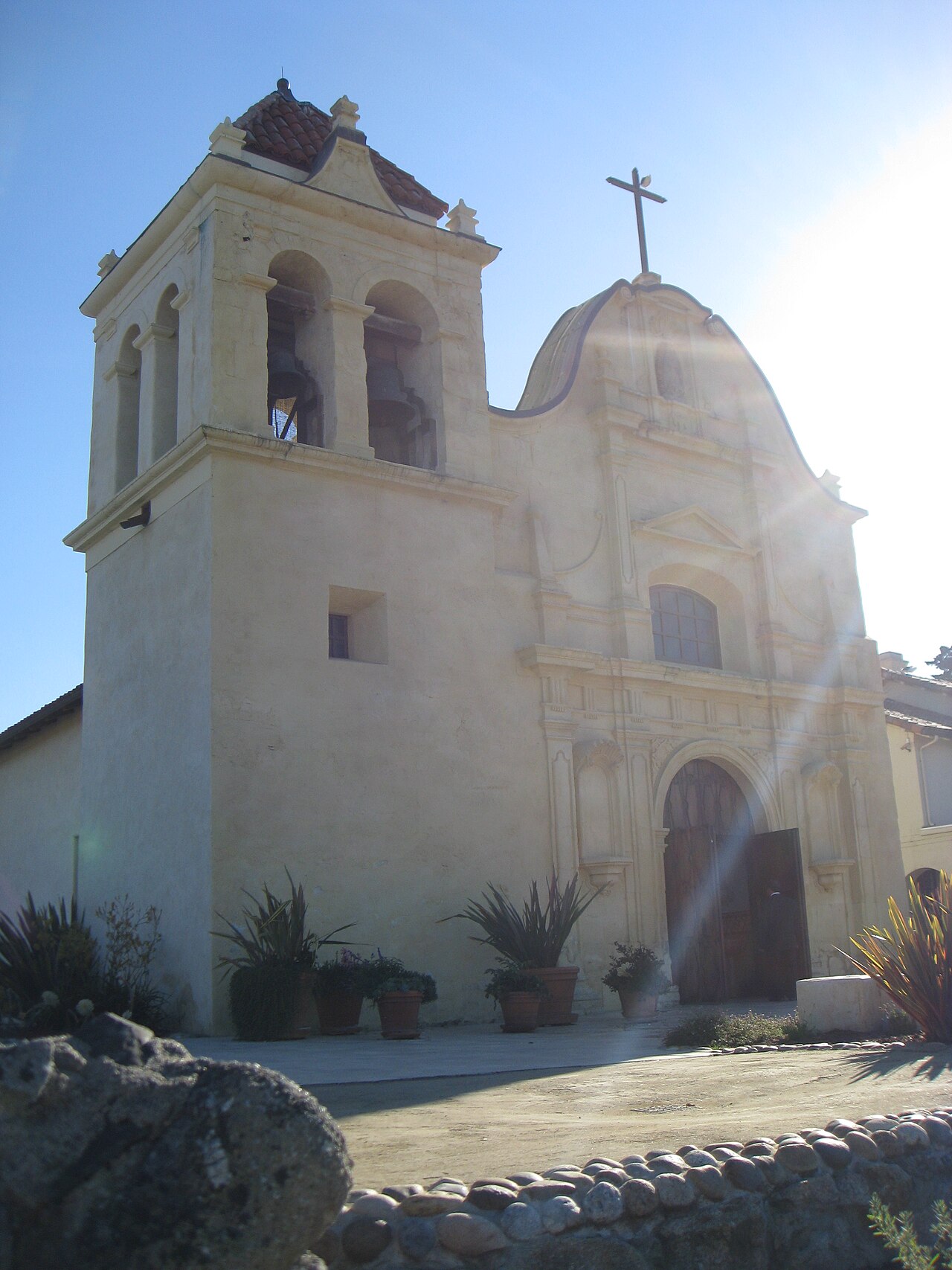
Royal Presidio Chapel
550 Church St, Monterey, CA
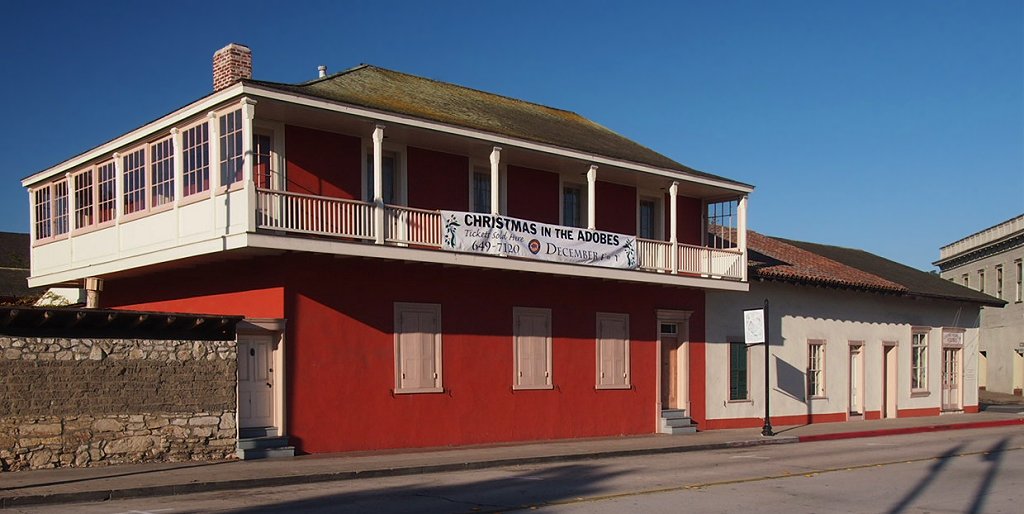
Cooper-Molera Adobe
525 Polk St, Monterey, CA
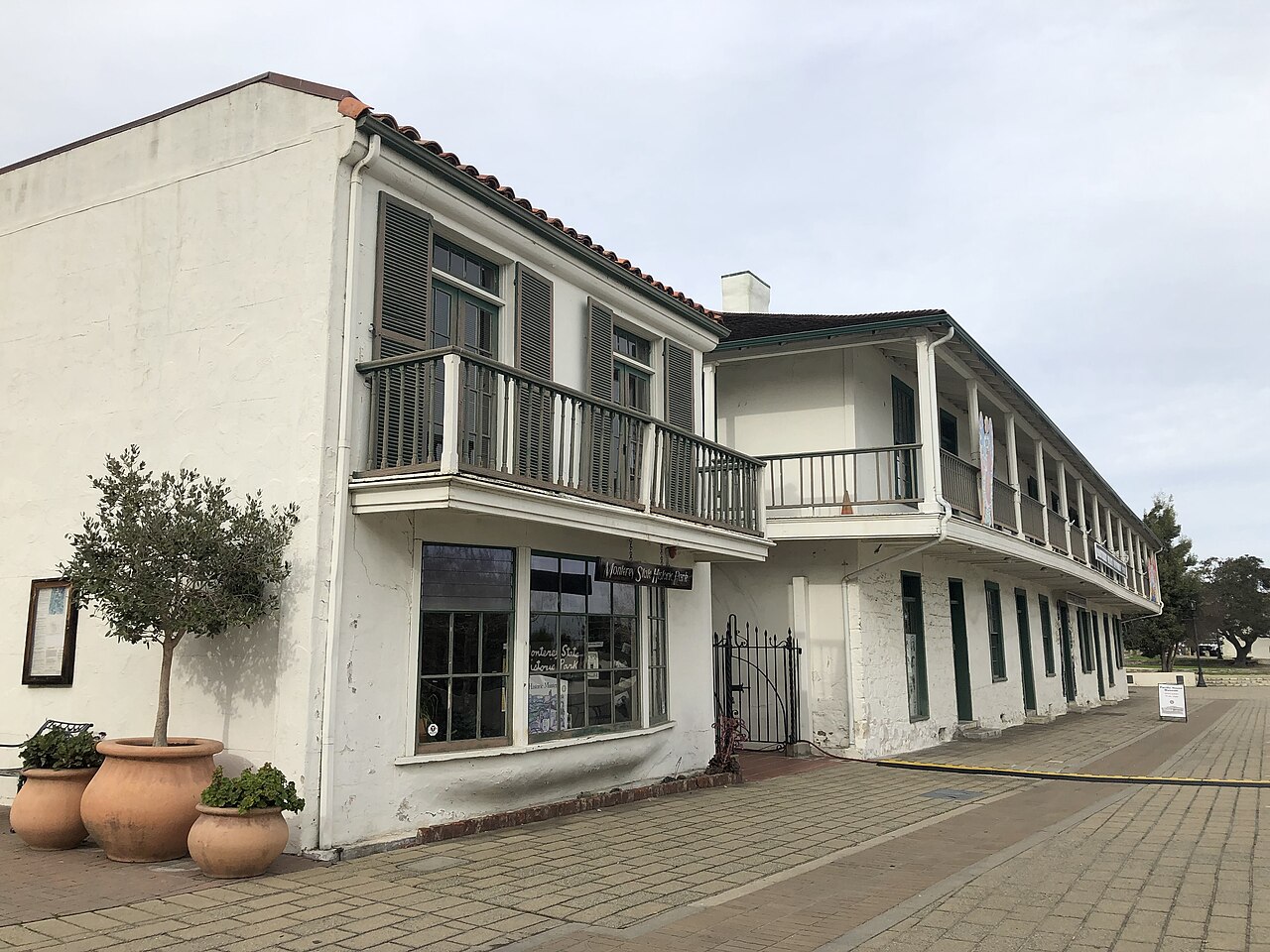
Pacific House
10 Custom House Plaza, Monterey, CA
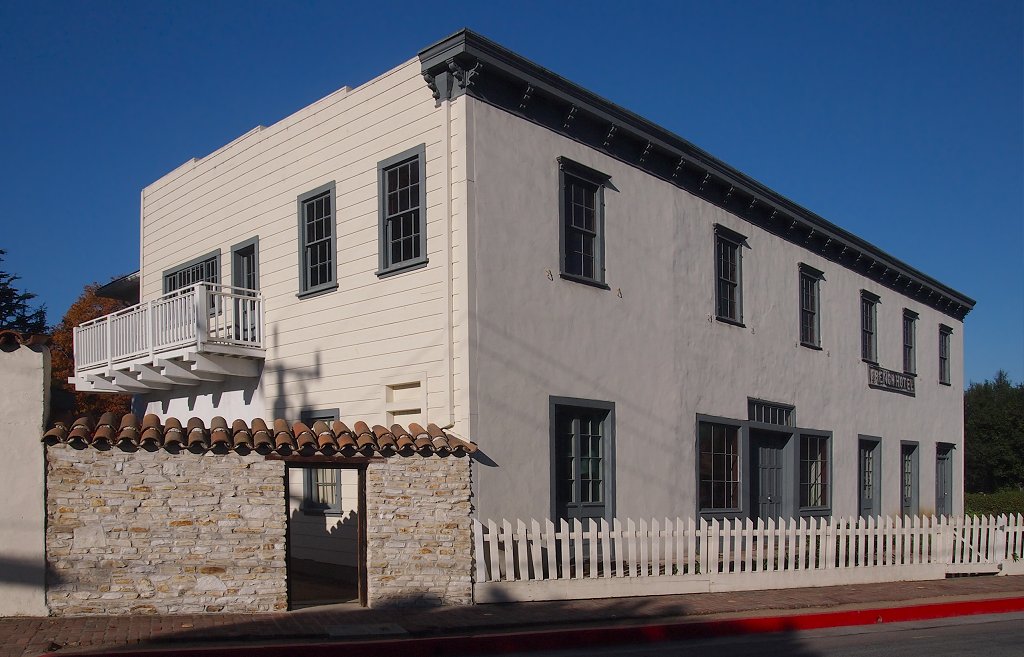
Stevenson House
530 Houston St, Monterey, CA
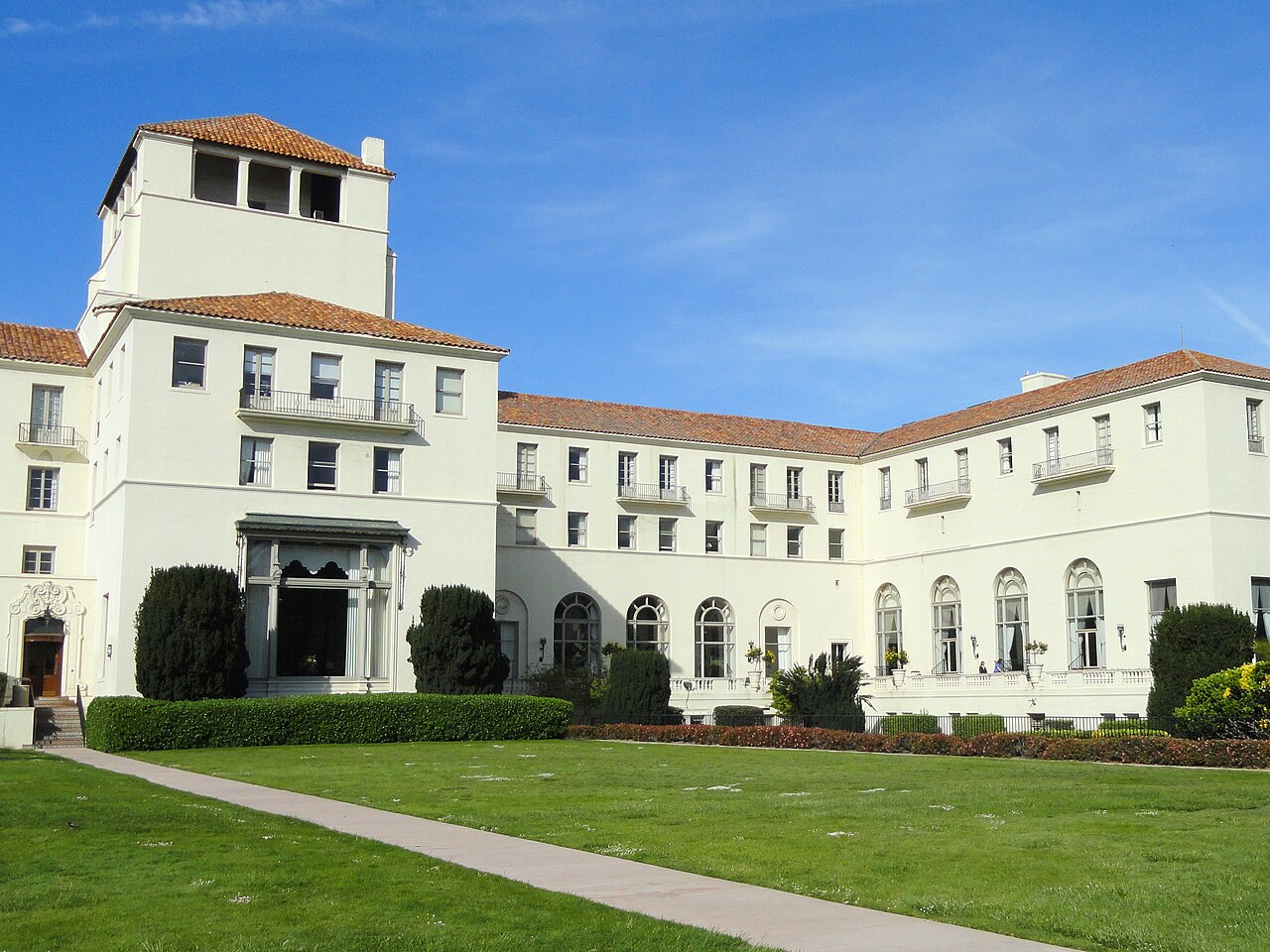
Herrmann Hall
1 University Cir, Monterey, CA
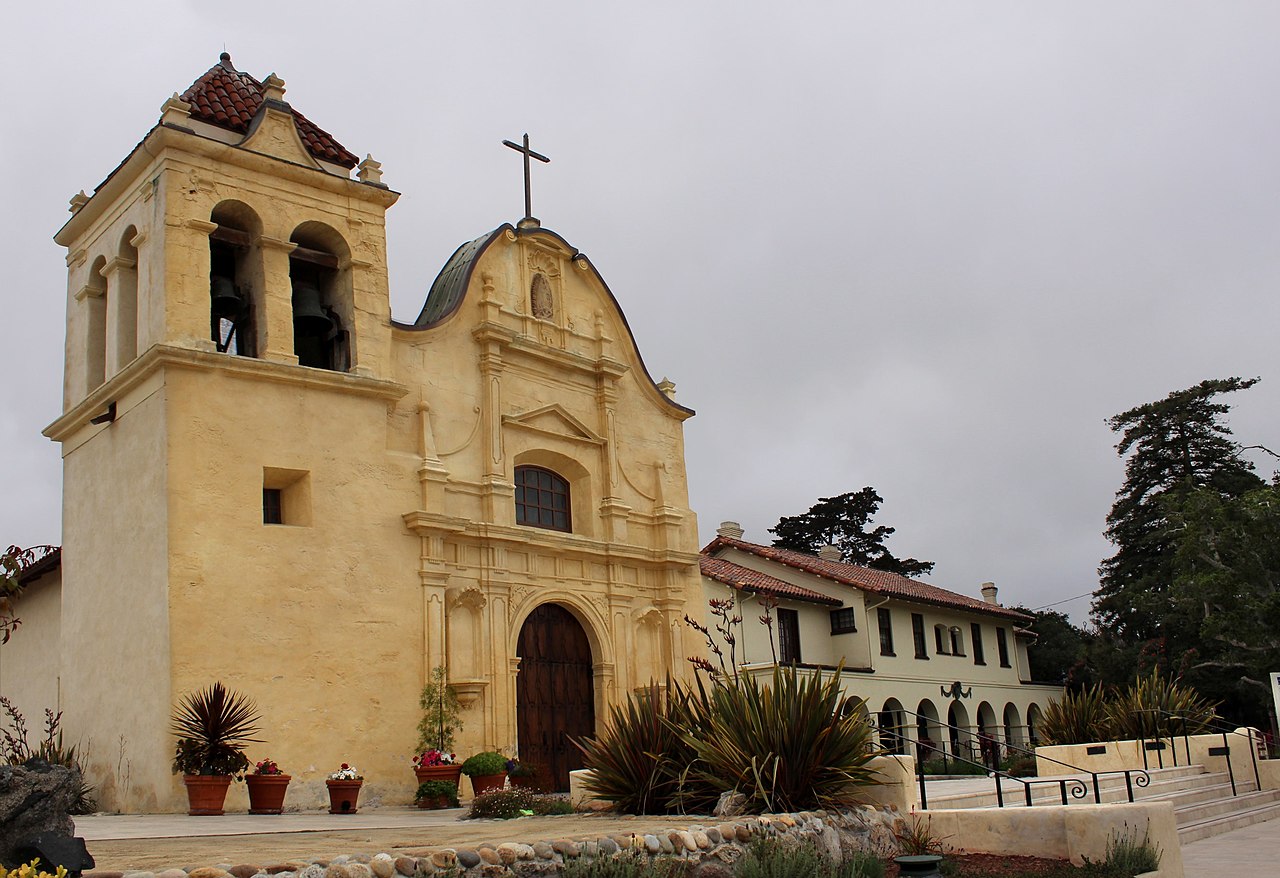
Cathedral of San Carlos Borromeo
500 Church St, Monterey, CA
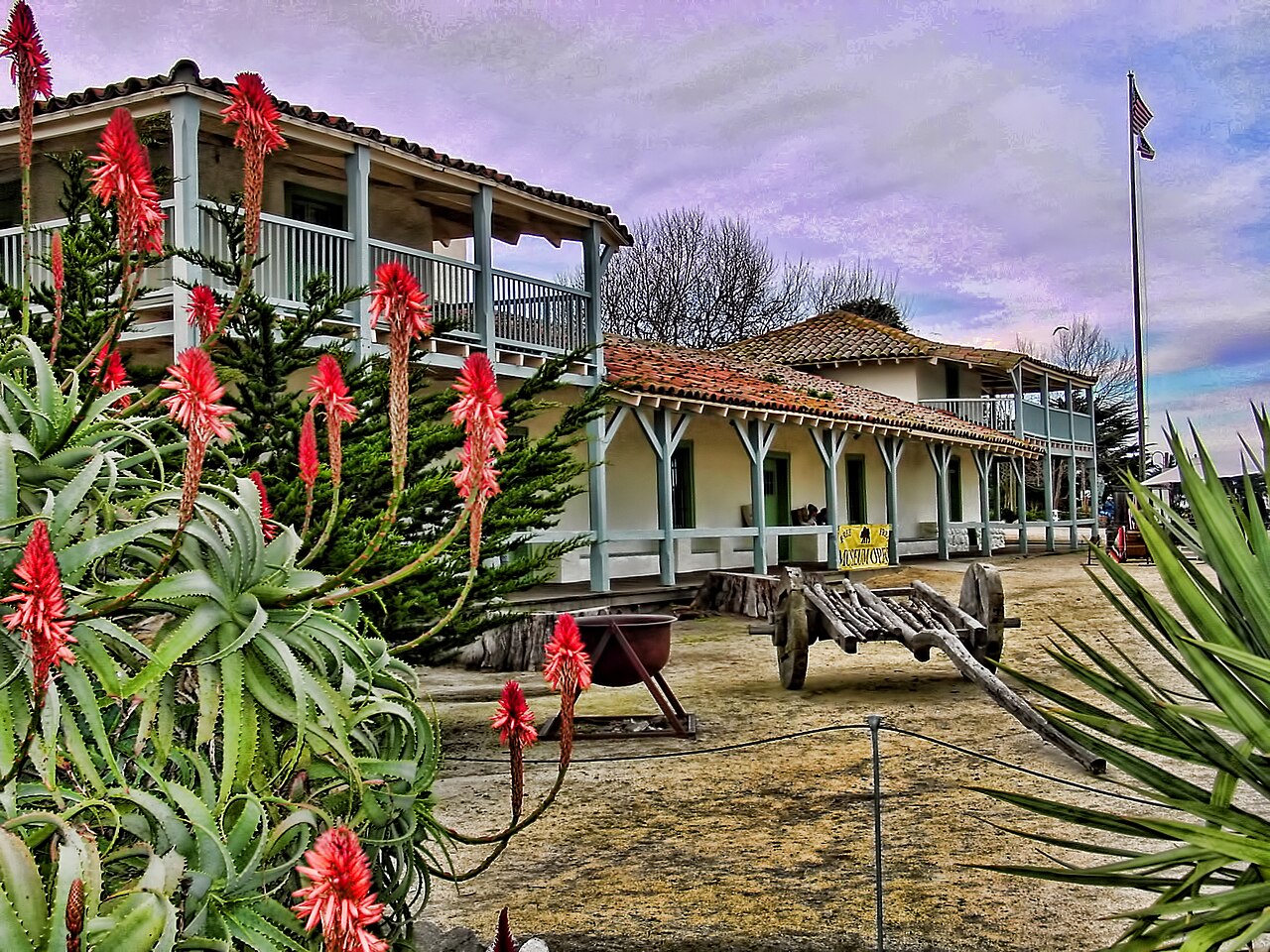
Custom House
20 Custom House Plaza, Monterey, CA
Mediterranean Revival in Monterey: Common Questions
Where can I see Mediterranean Revival architecture in Monterey?
You can explore several notable examples of Mediterranean Revival architecture in Monterey, including the Hotel Del Monte, Santa Catalina School, and Casa del Oro. A stroll through Downtown and nearby Carmel-by-the-Sea will reveal many buildings showcasing this distinctive style.
When was Mediterranean Revival architecture popular in Monterey?
Mediterranean Revival architecture gained popularity in Monterey during the early 20th century, particularly in the 1920s and 1930s. This period coincided with the region's growth in tourism and the desire to create inviting spaces that echoed Mediterranean aesthetics.
What features should I look for in Mediterranean Revival buildings?
Key features of Mediterranean Revival architecture include stucco exteriors, red-tiled roofs, arched doorways, and ornamental details. Buildings like the Sherman Quarters and Cooper-Molera Adobe exemplify these characteristics, creating inviting and picturesque structures.
How does Monterey's Mediterranean Revival compare to other regions?
Monterey's Mediterranean Revival architecture shares similarities with other coastal California cities, but it is distinct in its integration with Spanish colonial influences. Buildings like the Carmel Mission highlight this unique blend, setting Monterey apart from Mediterranean Revival styles found elsewhere.
Can I visit these Mediterranean Revival buildings?
Many Mediterranean Revival buildings in Monterey, such as the Hotel Del Monte and Santa Catalina School, are accessible to the public. Visitors can appreciate their architectural features and historical significance, while some locations may offer guided tours or events.