Mediterranean Revival Architecture in San Diego
Explore 10 mediterranean revival buildings that shape San Diego's architectural identity
Mediterranean Revival architecture emerged in San Diego during the early 20th century, influenced by the region's climate and the growing popularity of Spanish and Italian design elements. The style reflects a desire to embrace a more relaxed and informal architectural approach, often incorporating local materials such as stucco and terracotta tile. This architectural revival is particularly pronounced in neighborhoods like La Jolla and Balboa Park, where stunning buildings integrate seamlessly with the coastal landscape.
One notable example is the La Jolla Woman's Club, characterized by its white stucco walls and arched openings that harmonize with the natural surroundings. Similarly, the Mingei International Museum showcases rounded arches and decorative tile work, elements that are quintessential to Mediterranean Revival. This museum serves as a cultural hub, emphasizing the style's connection to the arts.
In Balboa Park, buildings such as the San Diego Museum of Art and Casa de Balboa exhibit the hallmark features of the style, including terra cotta roofing and arched doorways. The warm aesthetic of these structures enhances the park's ambiance, inviting visitors to explore their intricate details. The La Valencia Hotel in La Jolla further exemplifies this architectural trend, with its ornamental detailing and red tile roofs that evoke the essence of Spanish architecture.
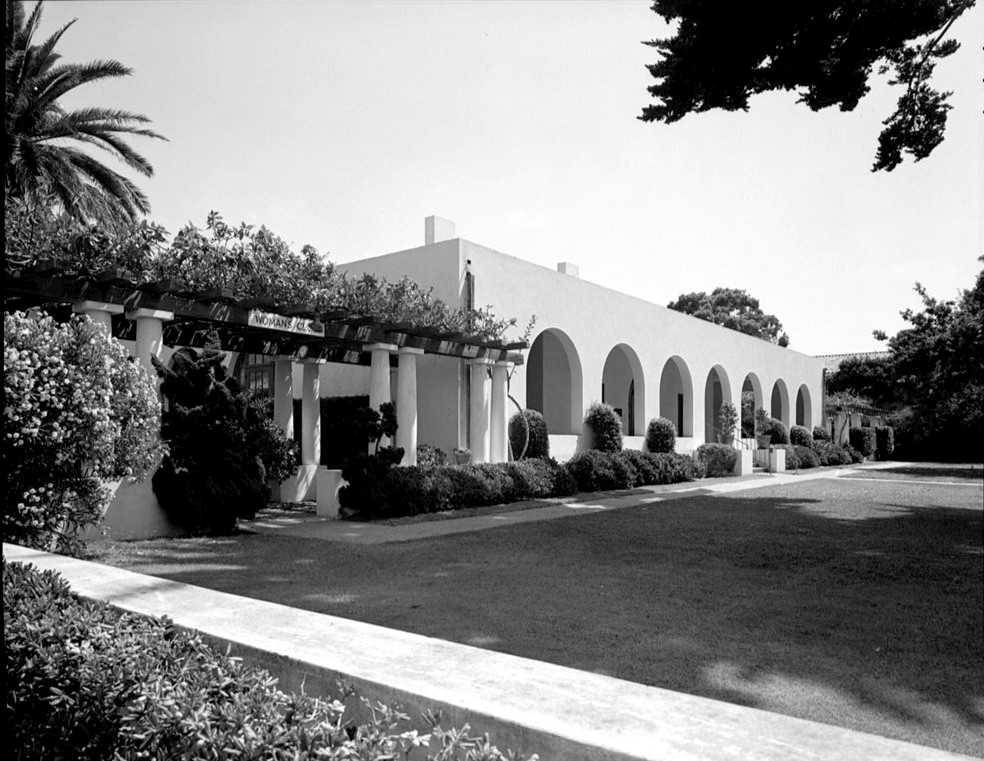
La Jolla Woman's Club
715 Silverado St, La Jolla, CA 92037
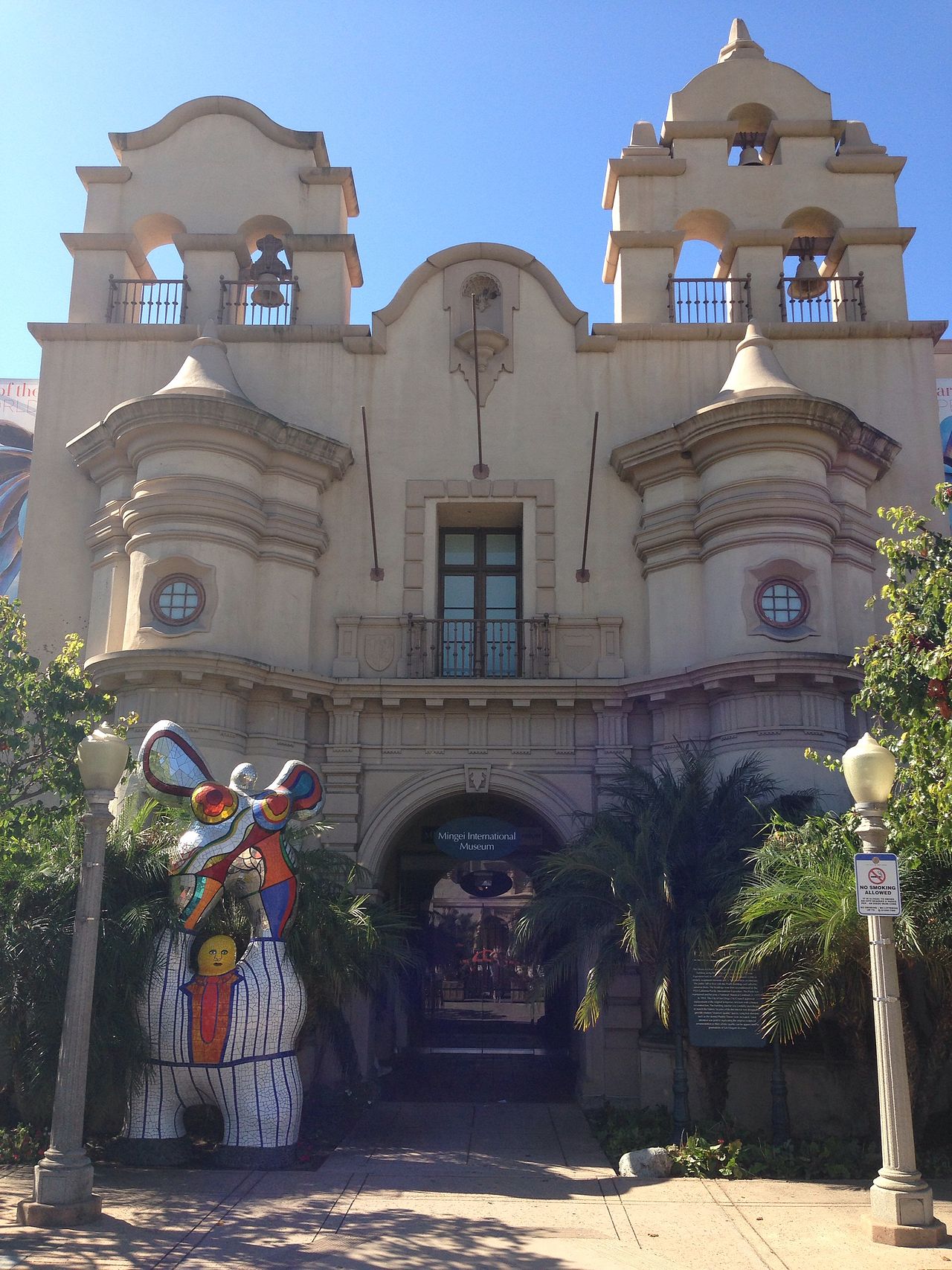
Mingei International Museum
1439 El Prado, San Diego, CA 92101
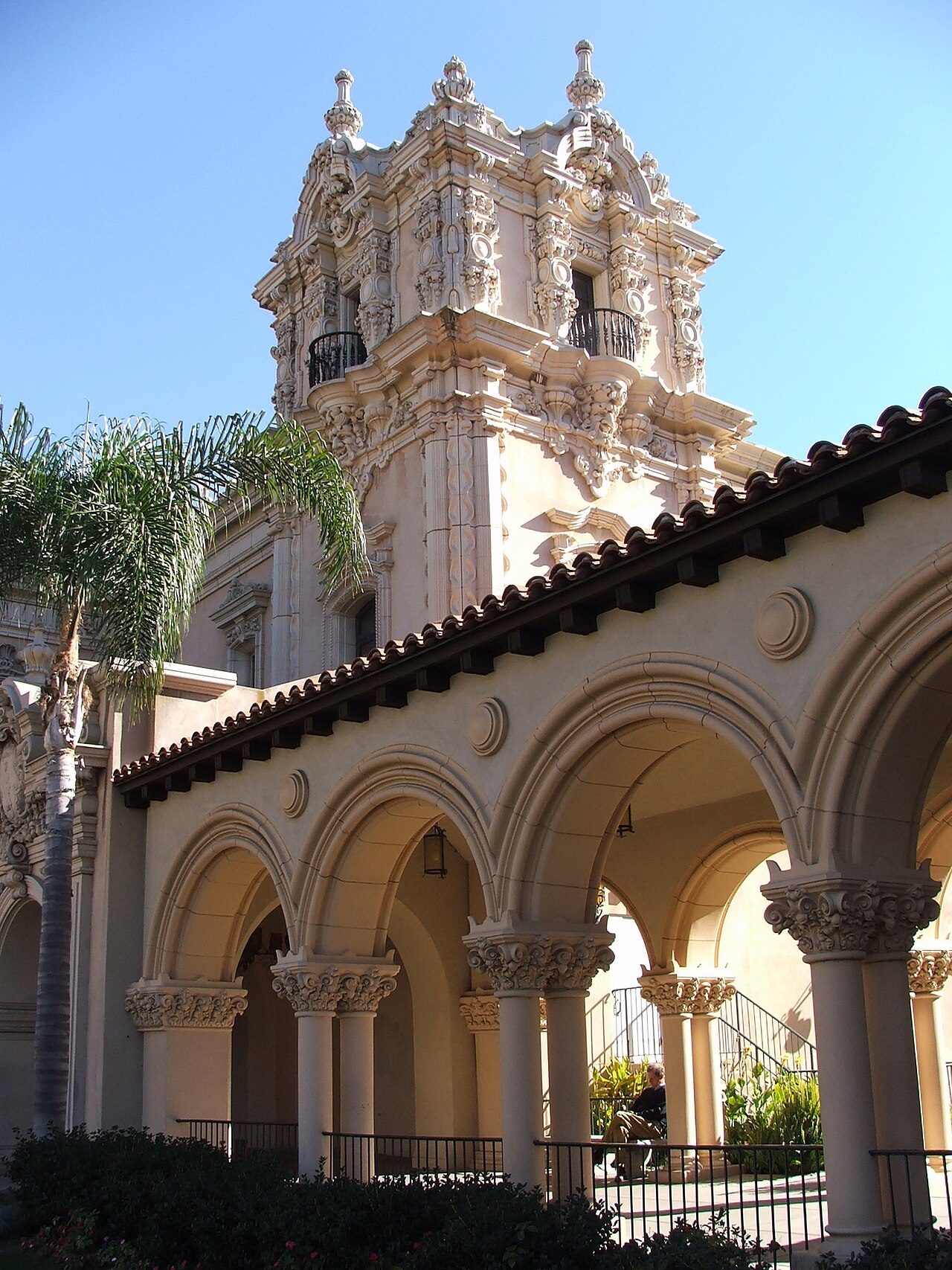
Casa de Balboa
1649 El Prado, San Diego, CA 92101
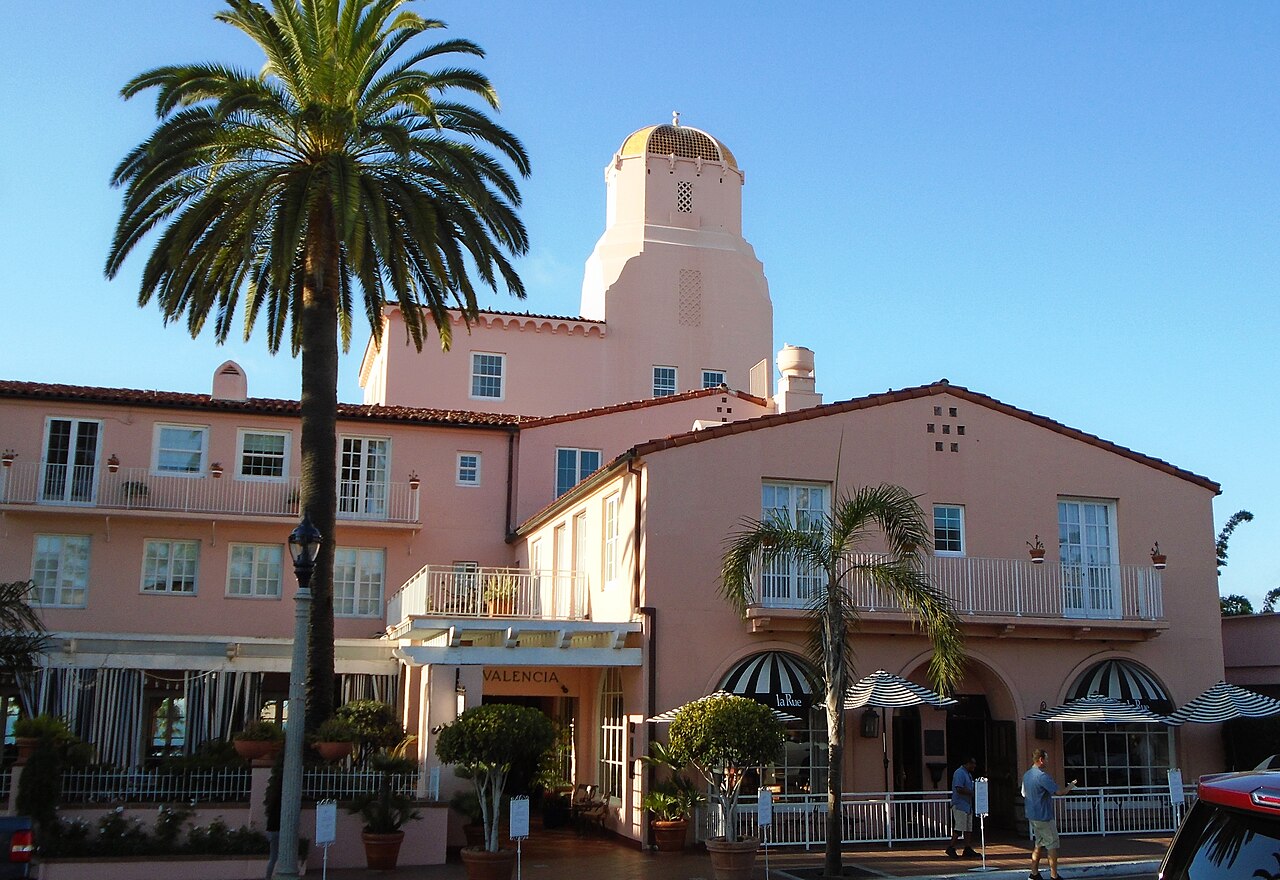
La Valencia Hotel
1132 Prospect St, La Jolla, CA 92037
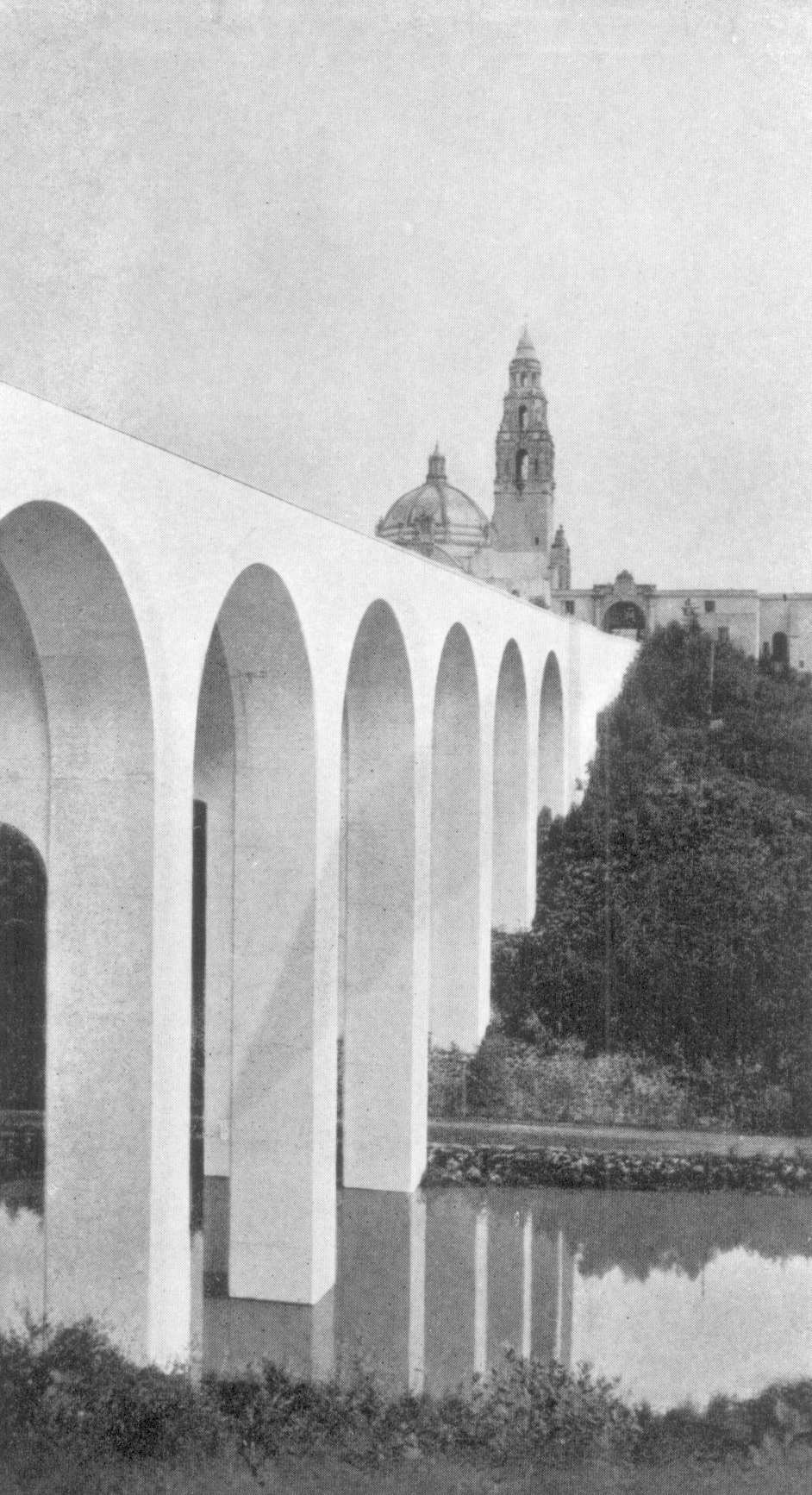
Cabrillo Bridge
Cabrillo Bridge, Balboa Park, San Diego, CA 92101
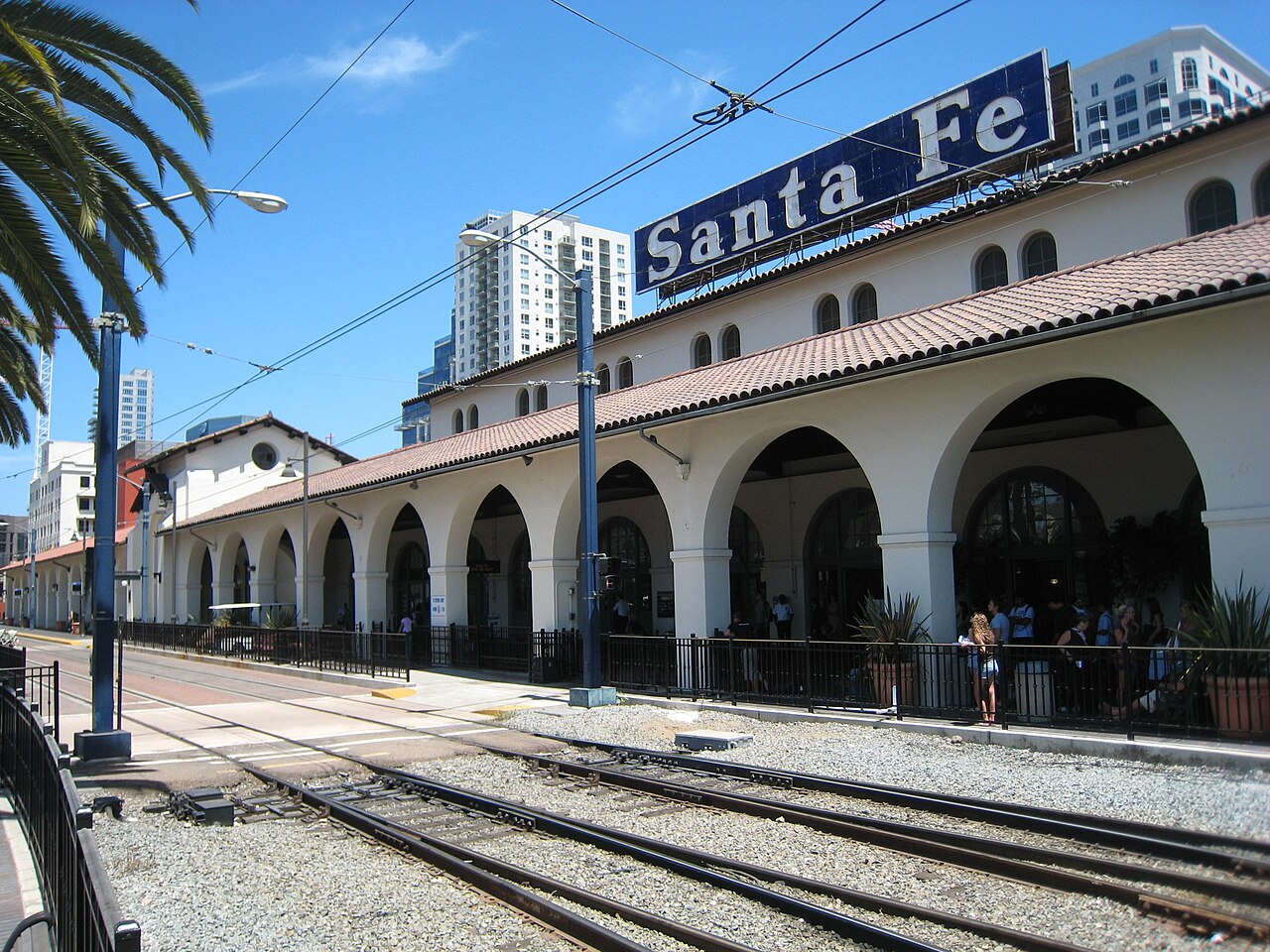
Santa Fe Depot
1050 Kettner Blvd, San Diego, CA 92101
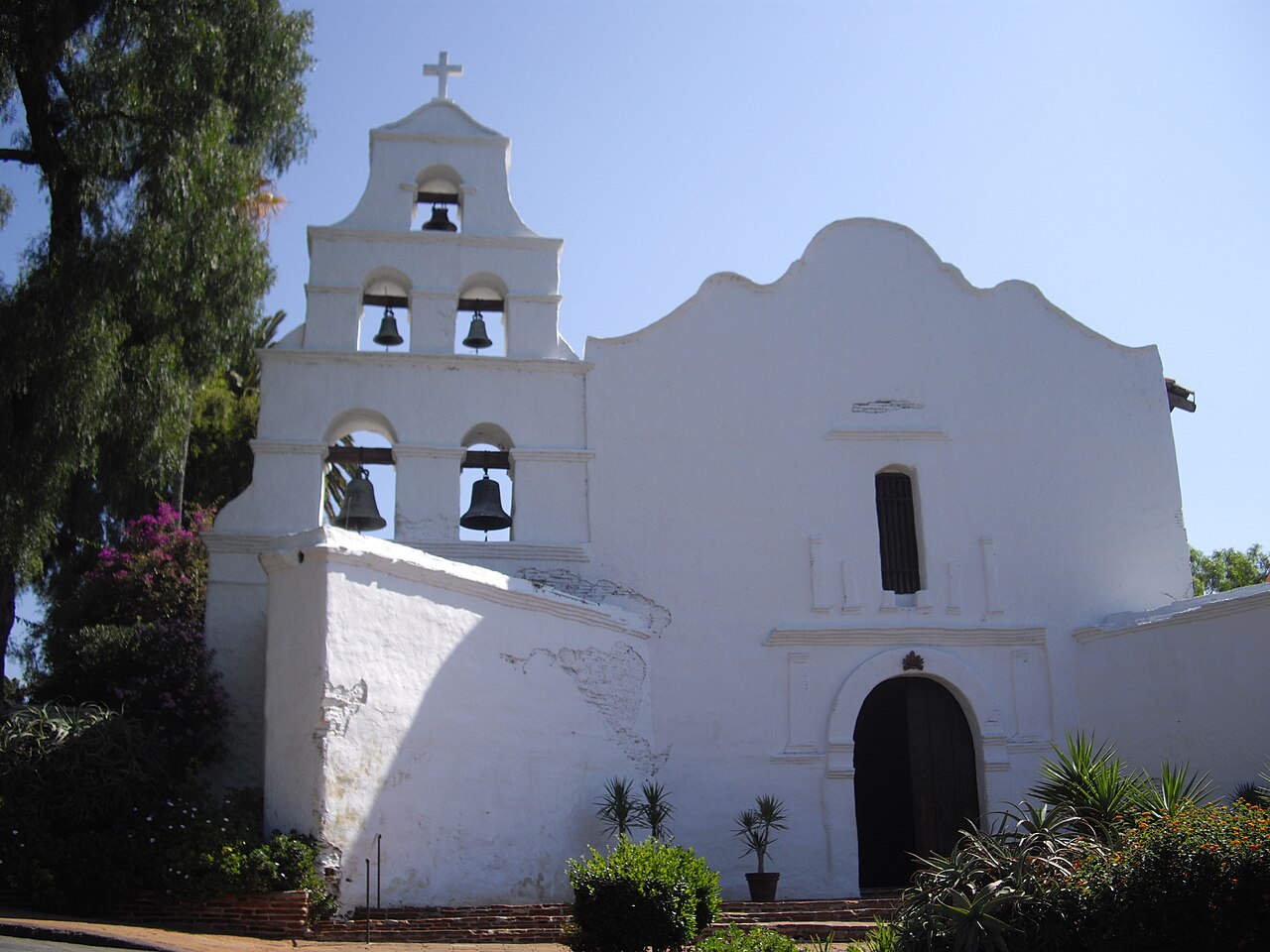
Mission San Diego de Alcalá
10818 San Diego Mission Rd, San Diego, CA 92108
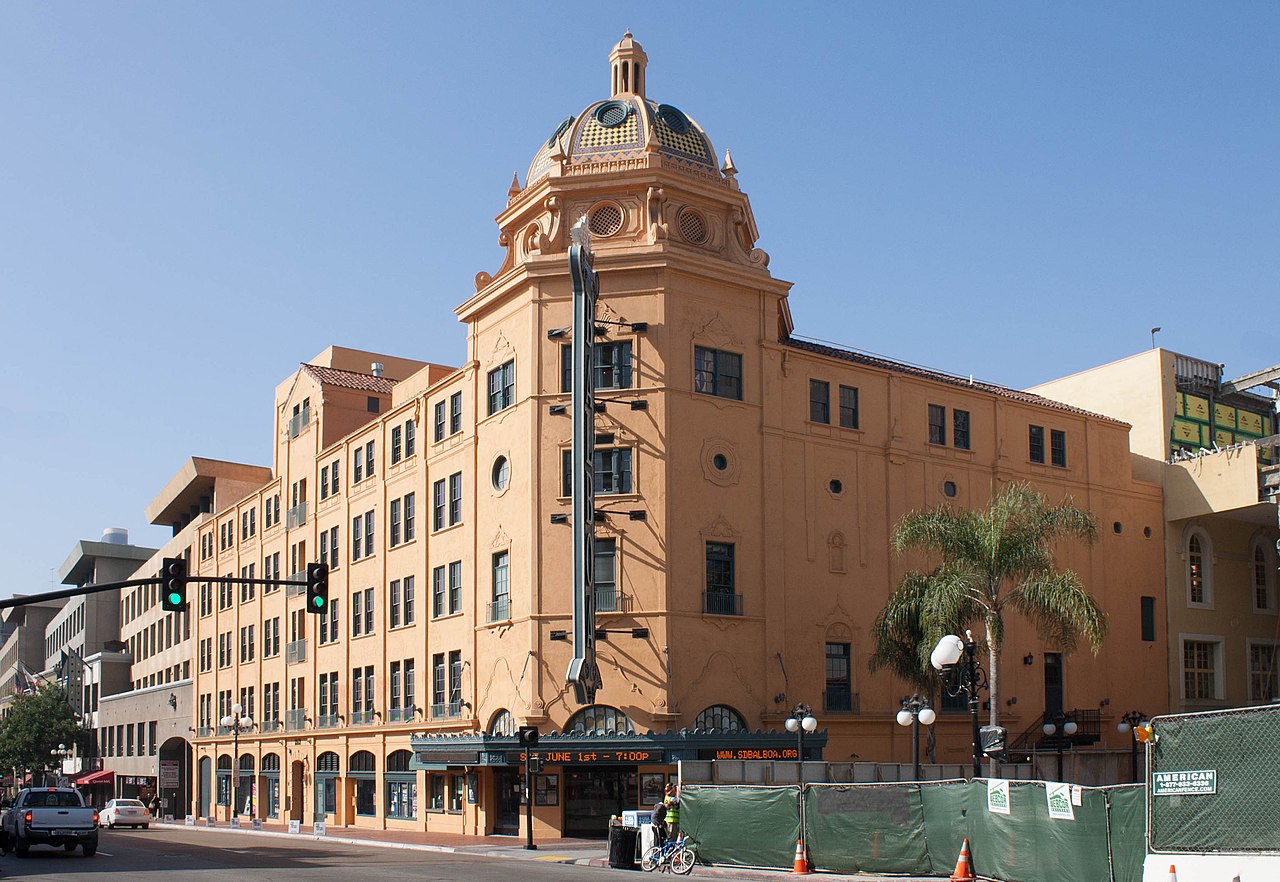
Balboa Theatre
868 Fourth Ave, San Diego, CA 92101
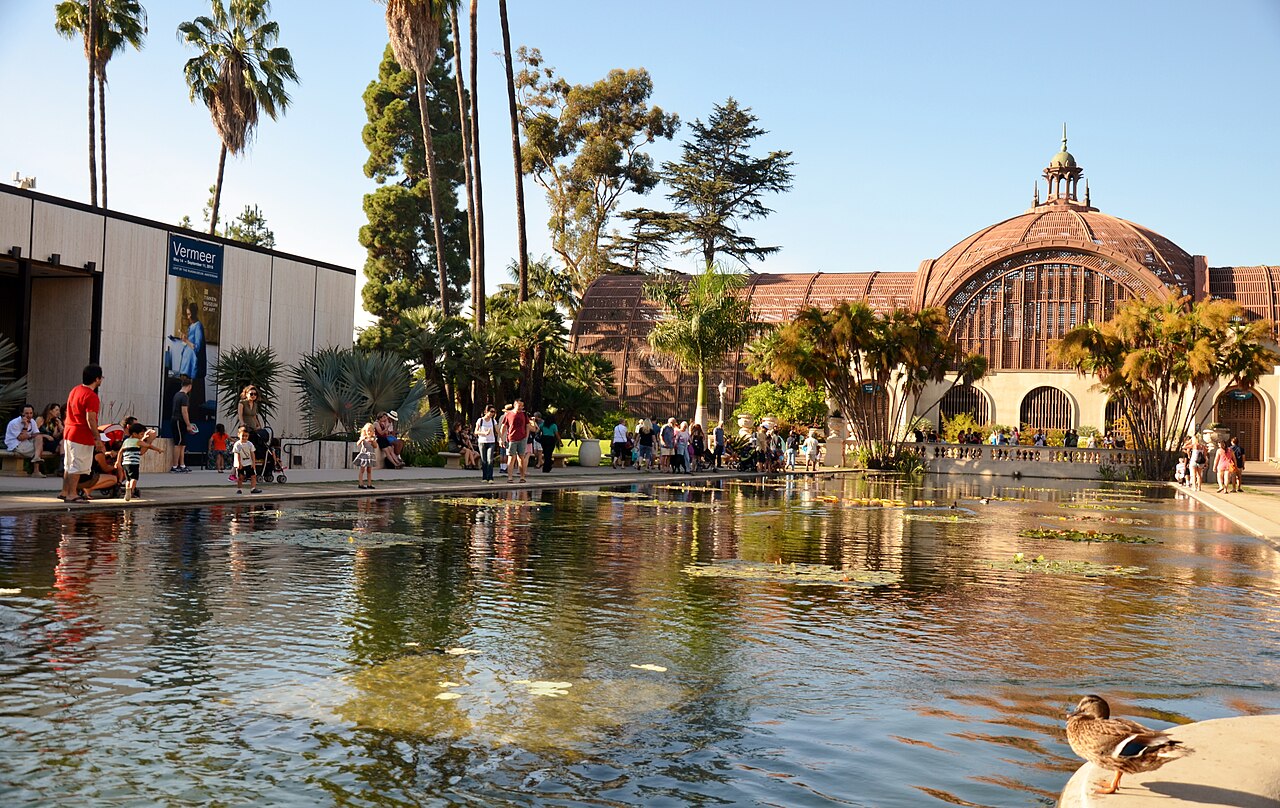
San Diego Museum of Art
1450 El Prado, Balboa Park, San Diego, CA 92101
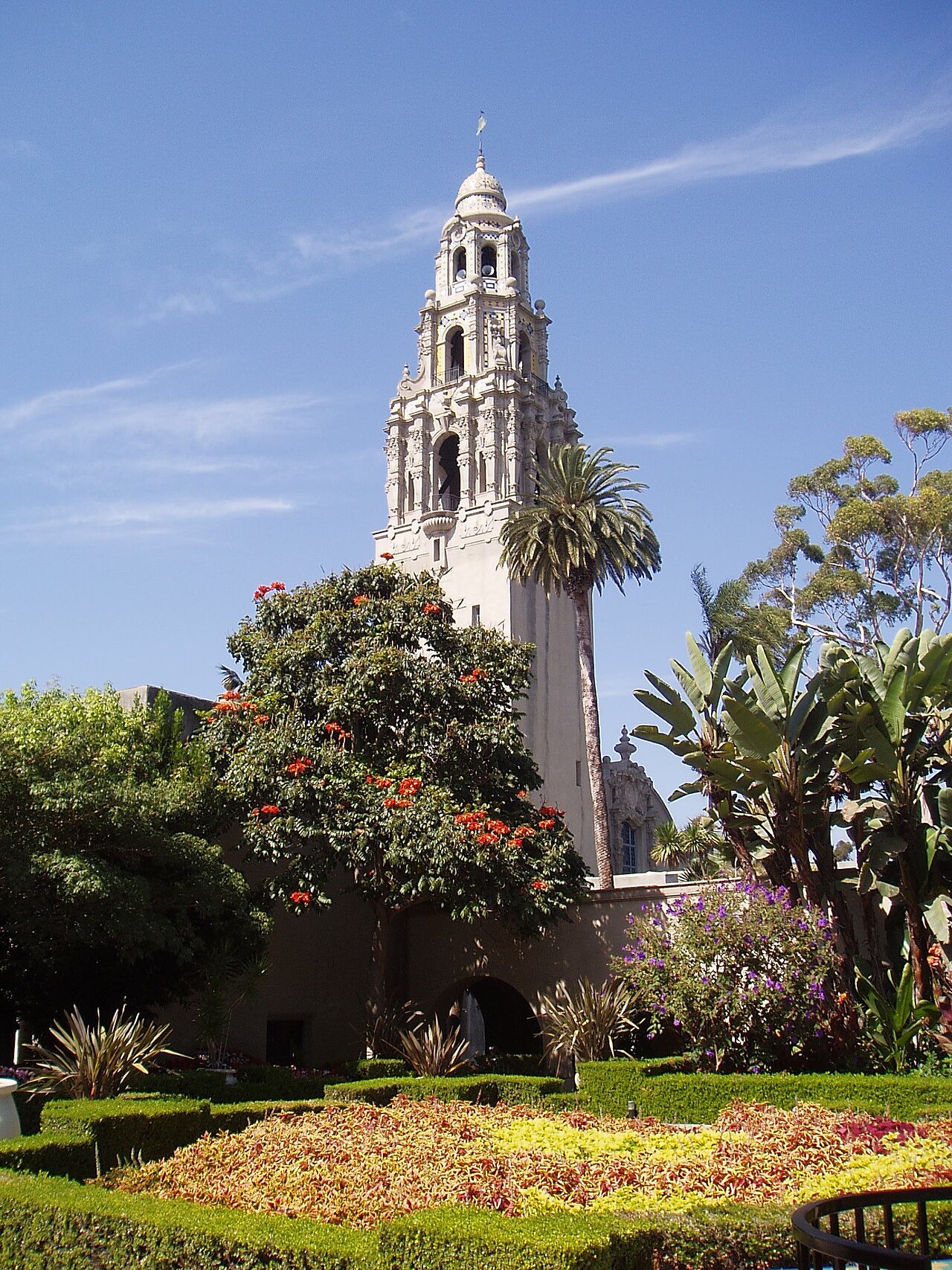
California Building
1350 El Prado, Balboa Park, San Diego, CA 92101
Mediterranean Revival in San Diego: Common Questions
Where can I see Mediterranean Revival architecture in San Diego?
Key locations for Mediterranean Revival architecture include Balboa Park and La Jolla. Notable buildings include the Mingei International Museum and La Valencia Hotel, both showcasing classic features of the style.
When was Mediterranean Revival architecture popular in San Diego?
This architectural style became popular in San Diego during the early 20th century, particularly from the 1910s to the 1930s, reflecting a growing appreciation for Spanish and Italian design elements.
What are the distinctive features of Mediterranean Revival architecture?
Look for elements such as stucco facades, arched openings, red tile roofs, and decorative tile work. Buildings like Casa de Balboa and the San Diego Museum of Art prominently display these characteristics.
How does San Diego's Mediterranean Revival compare to other cities?
San Diego's Mediterranean Revival architecture features a unique blend of Spanish and Italian influences, influenced by the region's climate. While similar styles exist elsewhere, San Diego's coastal setting enhances its distinctive character.
Can I visit these Mediterranean Revival buildings?
Yes, many documented buildings like the La Jolla Woman's Club and the Balboa Theatre are open to the public. Check specific building schedules for tours and events to experience their architectural beauty firsthand.