Classical Roman Architecture in New Orleans
Explore 6 classical roman buildings that shape New Orleans's architectural identity
Classical Roman architecture in New Orleans reflects a unique blend of historical influences and local adaptations. During the 18th and 19th centuries, the city experienced significant growth, fueled by trade and cultural exchanges. This economic expansion provided the foundation for the construction of monumental buildings that borrowed elements from ancient Roman designs, characterized by their use of arches, columns, and grand facades.
One of the most iconic examples is The Cabildo, located at 701 Chartres Street. This building features a series of graceful arches supported by robust columns, embodying the elegance that is a hallmark of Classical Roman architecture. The Cabildo also serves as a historical site, housing important artifacts that narrate New Orleans' past.
Another notable structure is located at 900 Camp Street, which incorporates classical elements through its proportionate design and decorative details. This building exemplifies how local interpretations of Roman styles can create a distinct architectural identity. Additionally, 1111 Canal Street showcases a commanding presence with its stately columns and classical ornamentation, further enriching the architectural landscape of the city.
Areas such as the French Quarter and the CBD are particularly rich in these architectural styles, with streets like Chartres and Camp serving as focal points for visitors seeking to explore the enduring legacy of Classical Roman design in New Orleans.
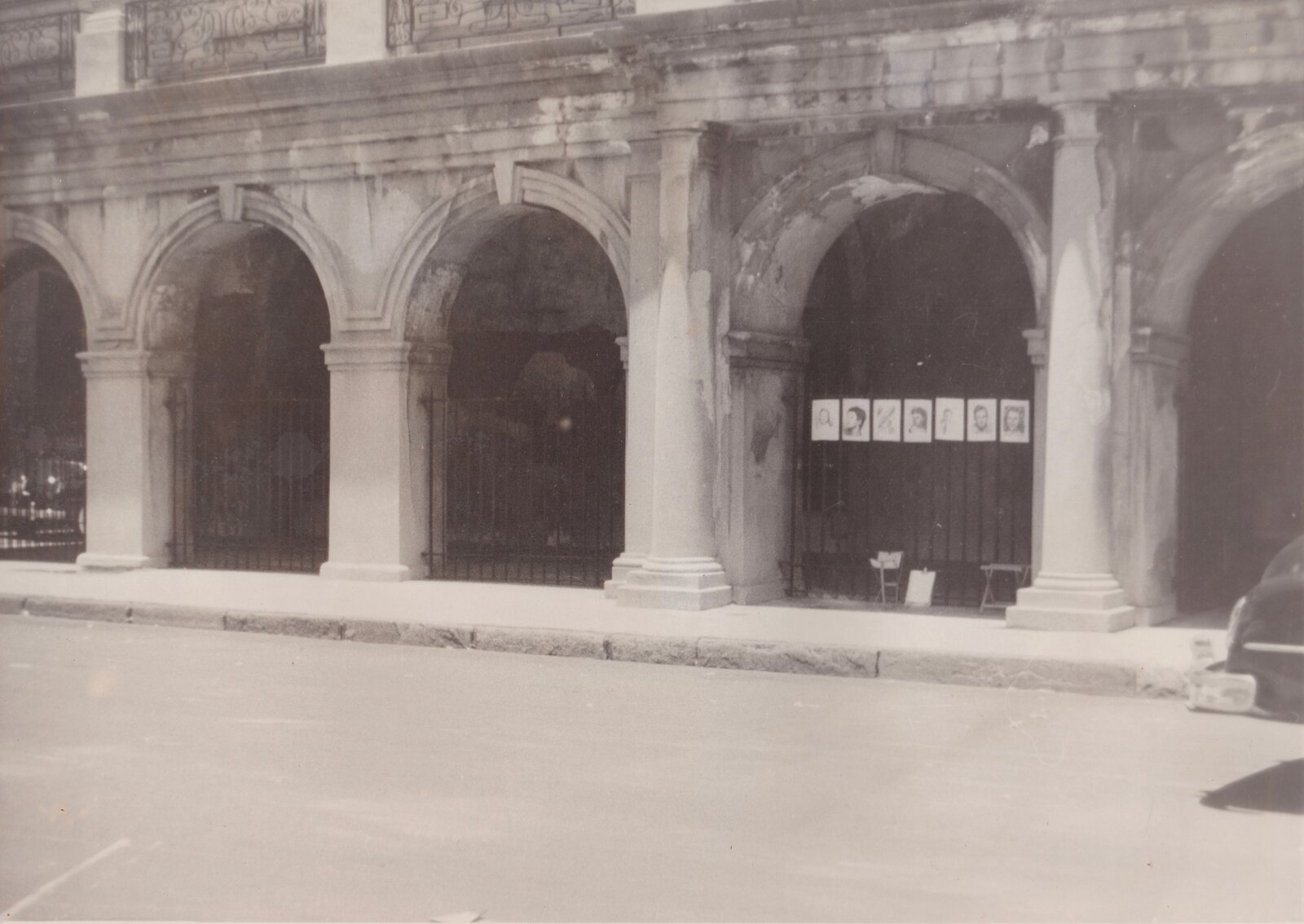
The Cabildo
701 Chartres Street, New Orleans, LA 70116
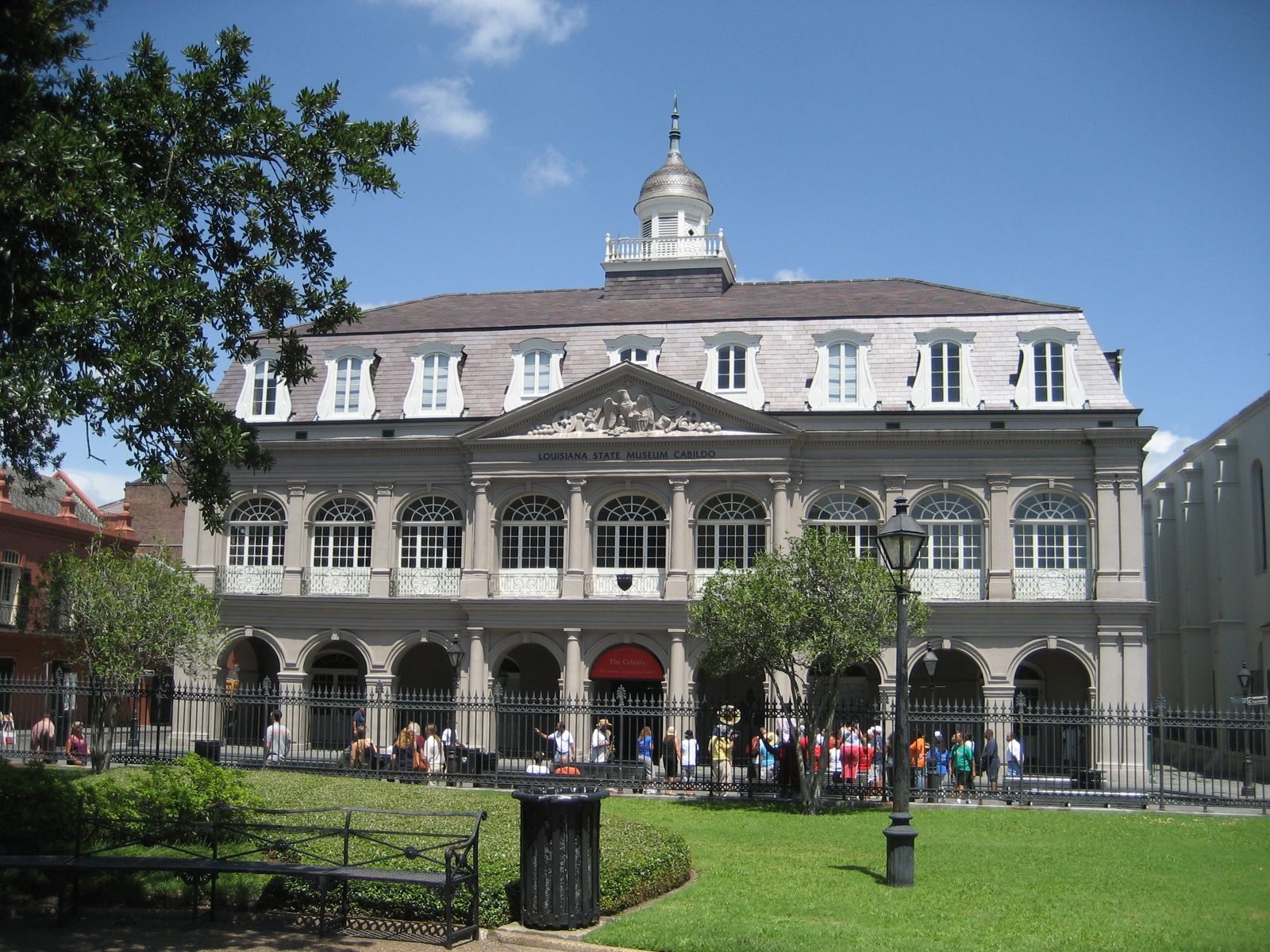
701 Chartres St, New Orleans, LA
701 Chartres St, New Orleans, LA
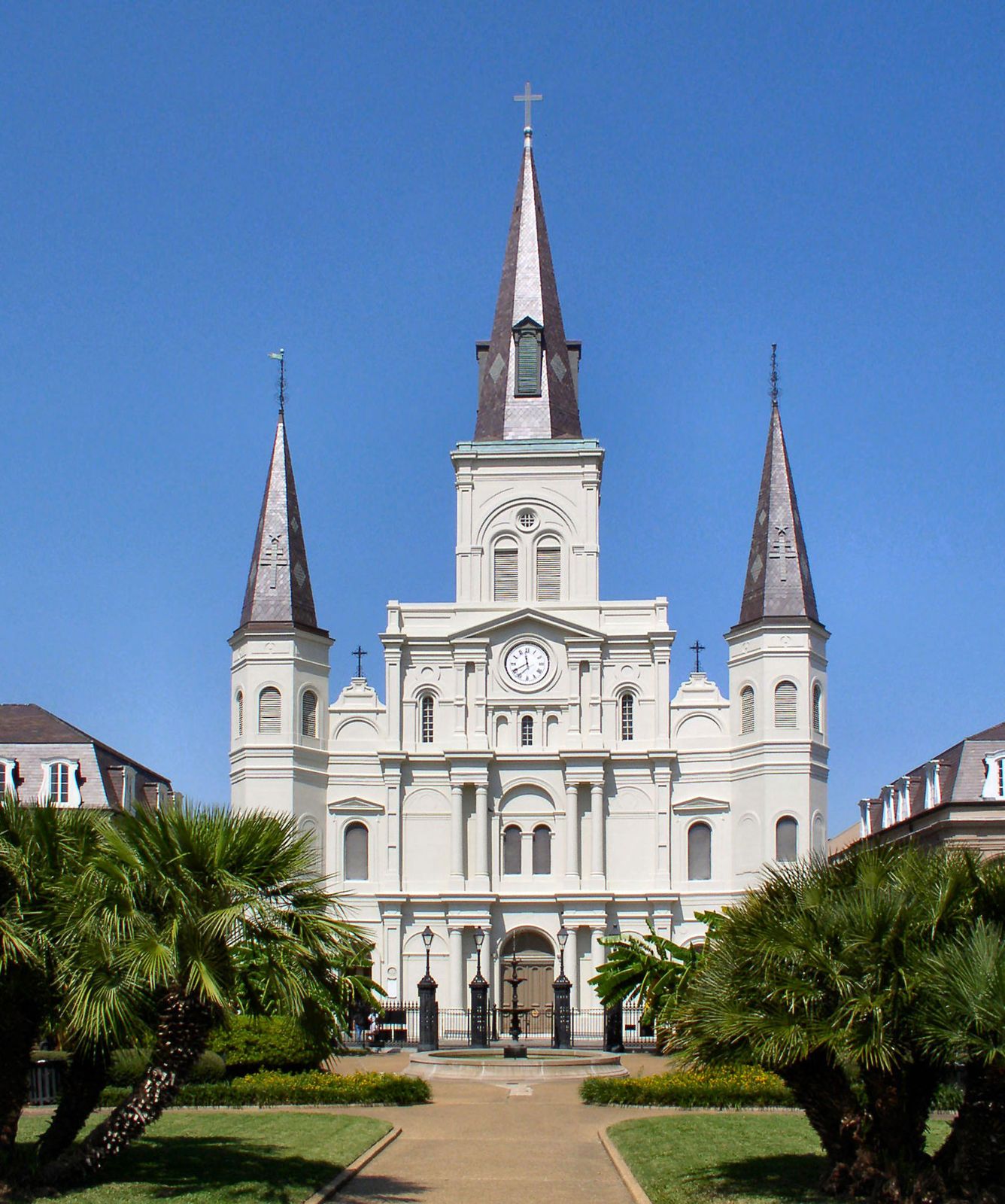
615 Pere Antoine Alley, New Orleans, LA
615 Pere Antoine Alley, New Orleans, LA
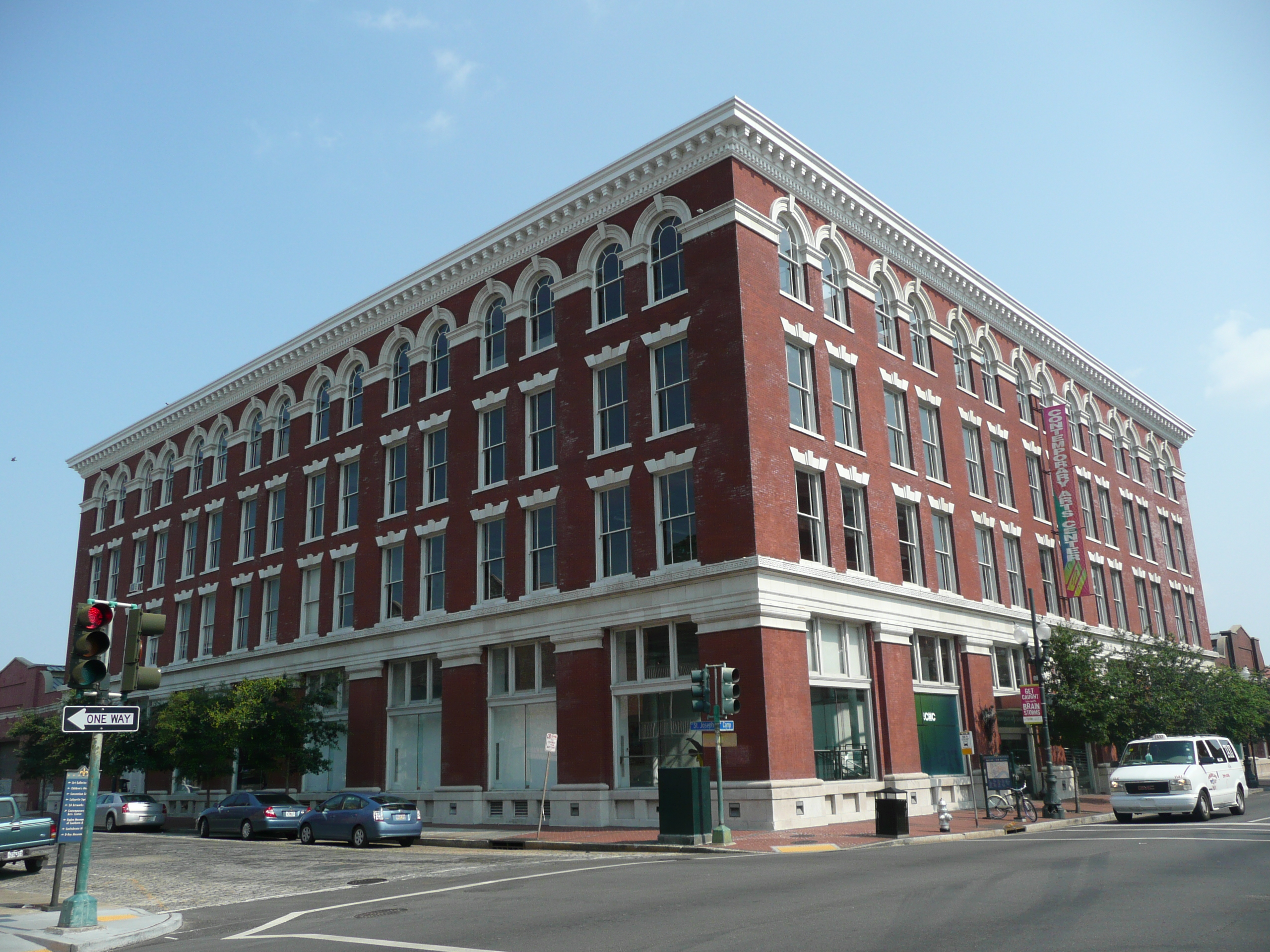
900 Camp St, New Orleans, LA
900 Camp St, New Orleans, LA
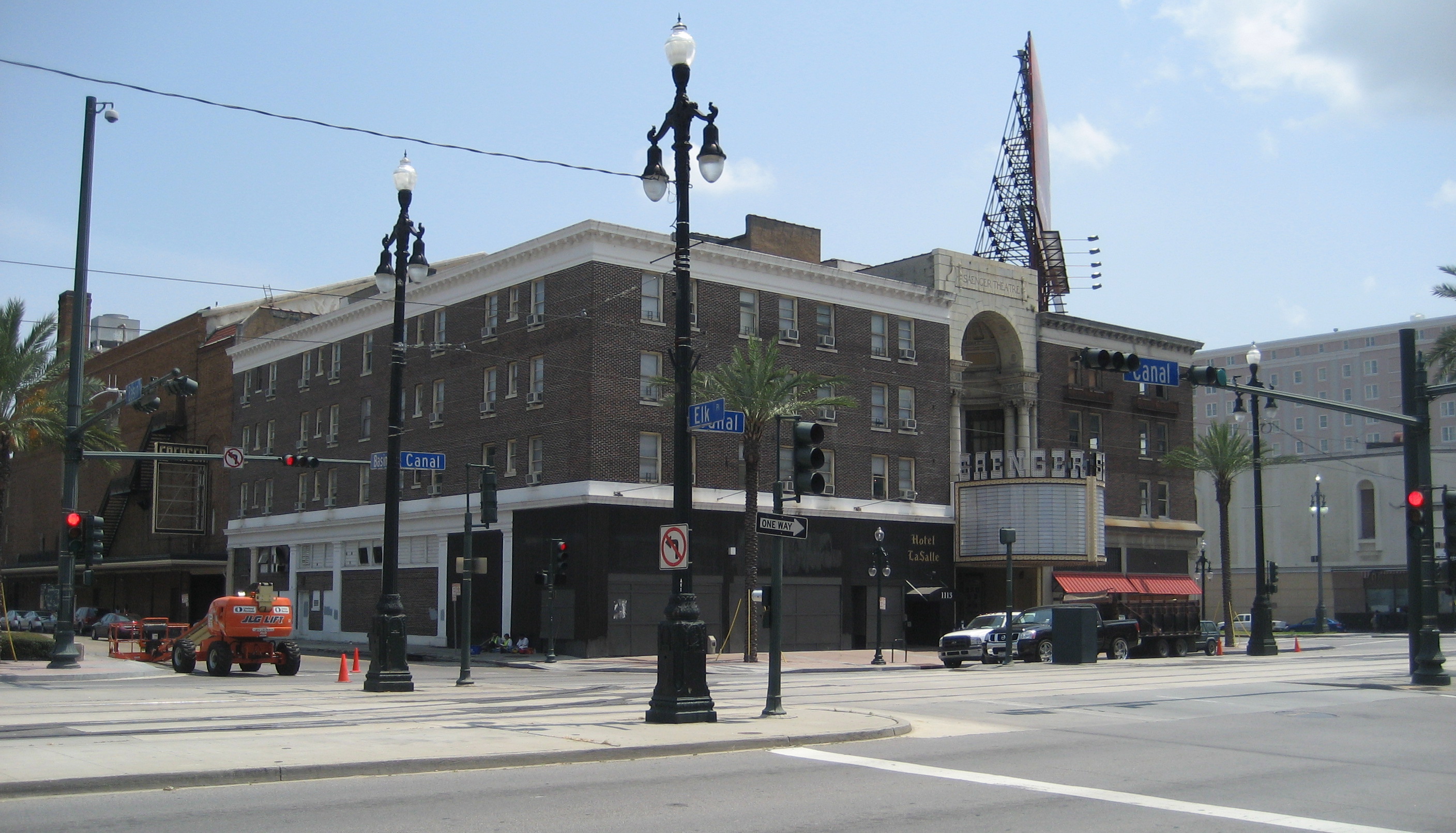
1111 Canal St, New Orleans, LA
1111 Canal St, New Orleans, LA
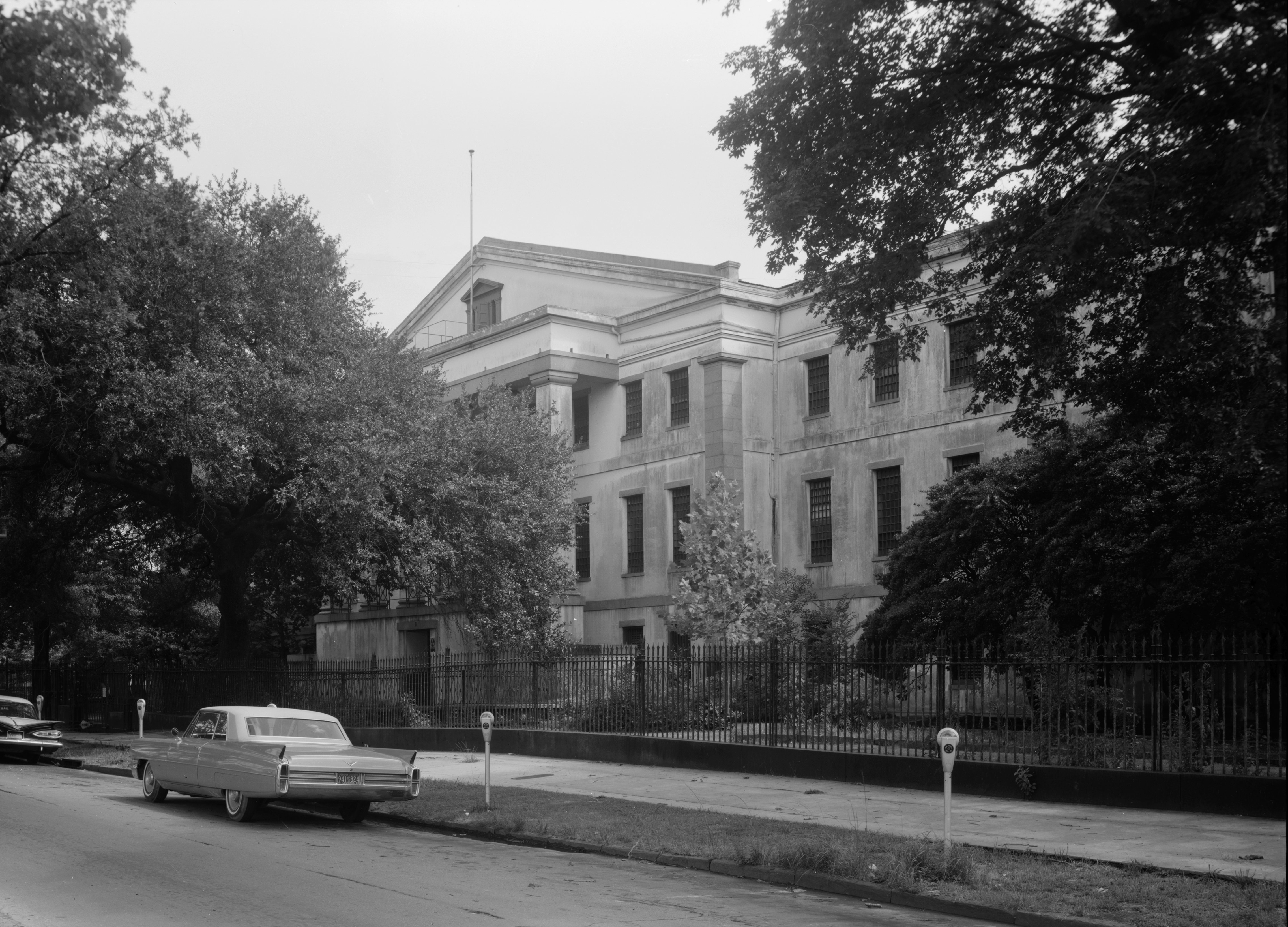
400 Esplanade Ave, New Orleans, LA
400 Esplanade Ave, New Orleans, LA
Classical Roman in New Orleans: Common Questions
Where can I see Classical Roman architecture in New Orleans?
You can find Classical Roman architecture primarily in the French Quarter and the Central Business District. Key locations include The Cabildo at 701 Chartres Street and the building at 900 Camp Street, both of which showcase the distinctive features of this architectural style.
When were these buildings constructed?
Many of the Classical Roman buildings in New Orleans were built during the late 18th and early 19th centuries. The Cabildo, for instance, was completed in the early 1800s, reflecting the architectural trends of that era.
What should I look for in these buildings?
When examining Classical Roman architecture, look for elements such as arches, columns, and decorative details. The Cabildo features elegant arches and sturdy columns, while the building at 1111 Canal Street showcases impressive ornamentation and symmetry.
How does Classical Roman architecture in New Orleans compare to other cities?
New Orleans' Classical Roman architecture is influenced by its unique cultural and historical context. While cities like Washington, D.C. exhibit monumental neoclassical styles, New Orleans integrates local materials and designs, resulting in a distinctive architectural character.
Can these buildings be visited?
Yes, many of these buildings can be visited. The Cabildo, for example, is part of the Louisiana State Museum and offers tours. While some buildings may be privately owned, their exteriors can often be appreciated from the street.