Classical Roman Architecture in Detroit
Explore 5 classical roman buildings that shape Detroit's architectural identity
Classical Roman architecture found its way to Detroit during a period of economic growth and civic pride, particularly in the late 19th and early 20th centuries. As the city expanded and underwent industrialization, there emerged a desire to reflect sophistication and permanence in its public and private buildings. This architectural style is characterized by its use of grand columns, symmetry, and classical detailing, which can be seen prominently in several structures.
Among the notable examples is Cadillac Place, which showcases the hallmark traits of Classical Roman architecture with its imposing symmetrical façade and ornate columns. This building serves as a reminder of the city's rich history and the ambition that characterized its growth during the early 20th century.
Another significant structure is the Detroit Institute of Arts, where Classical Roman influences are evident in its monumental scale and the use of colonnades that frame the entrance, inviting visitors into its artistic treasures. The building stands as a cultural beacon in the city, embodying the grandeur associated with Classical design.
Lastly, the Michigan Central Station exemplifies the style with its commanding use of columns and pediments, creating a striking silhouette against the Detroit skyline. This architectural marvel not only highlights the Classical Roman style but also reflects the historical significance of transportation in the city's development.
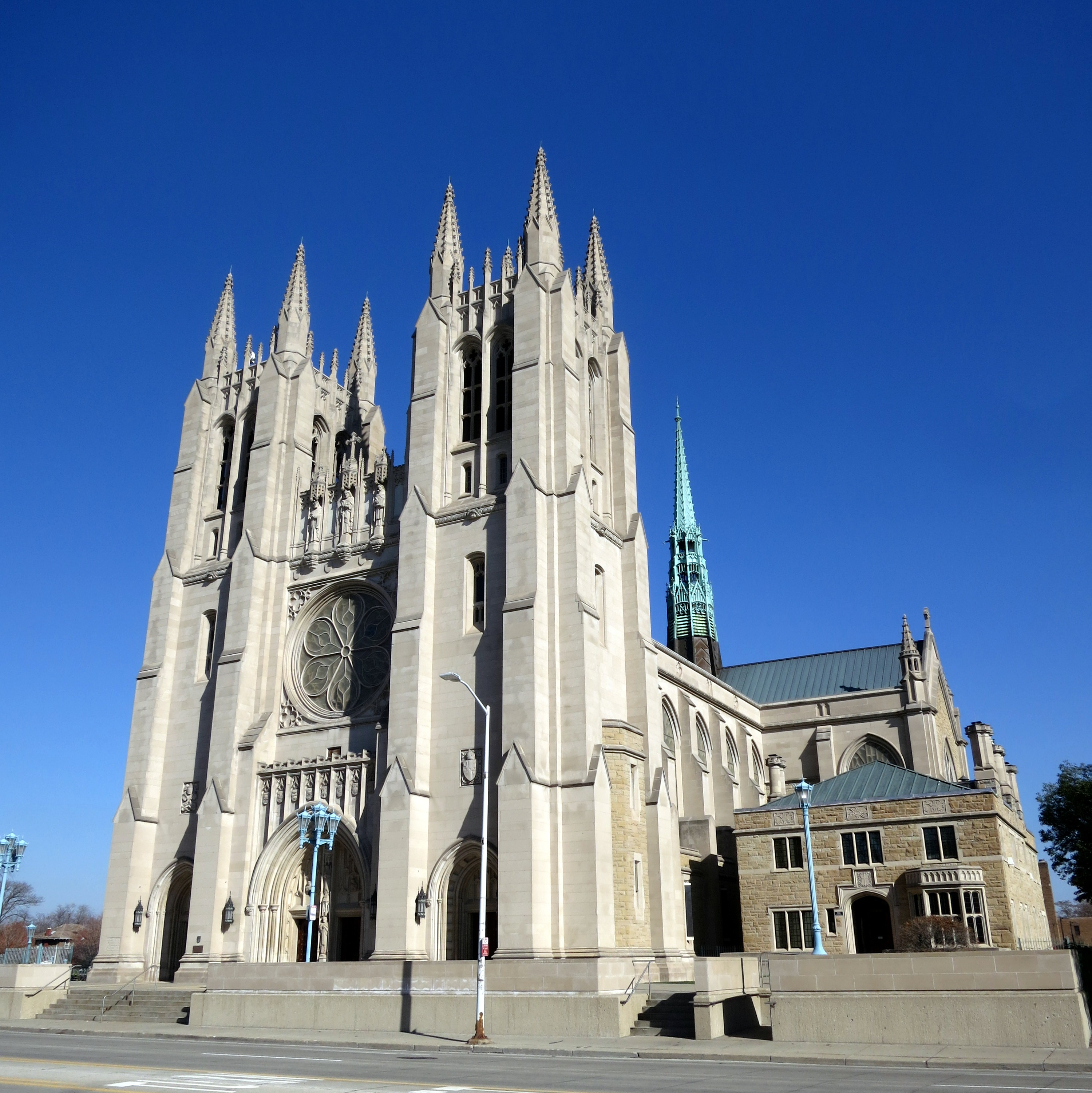
Cathedral of the Most Blessed Sacrament
9844 Woodward Ave, Detroit, MI 48202
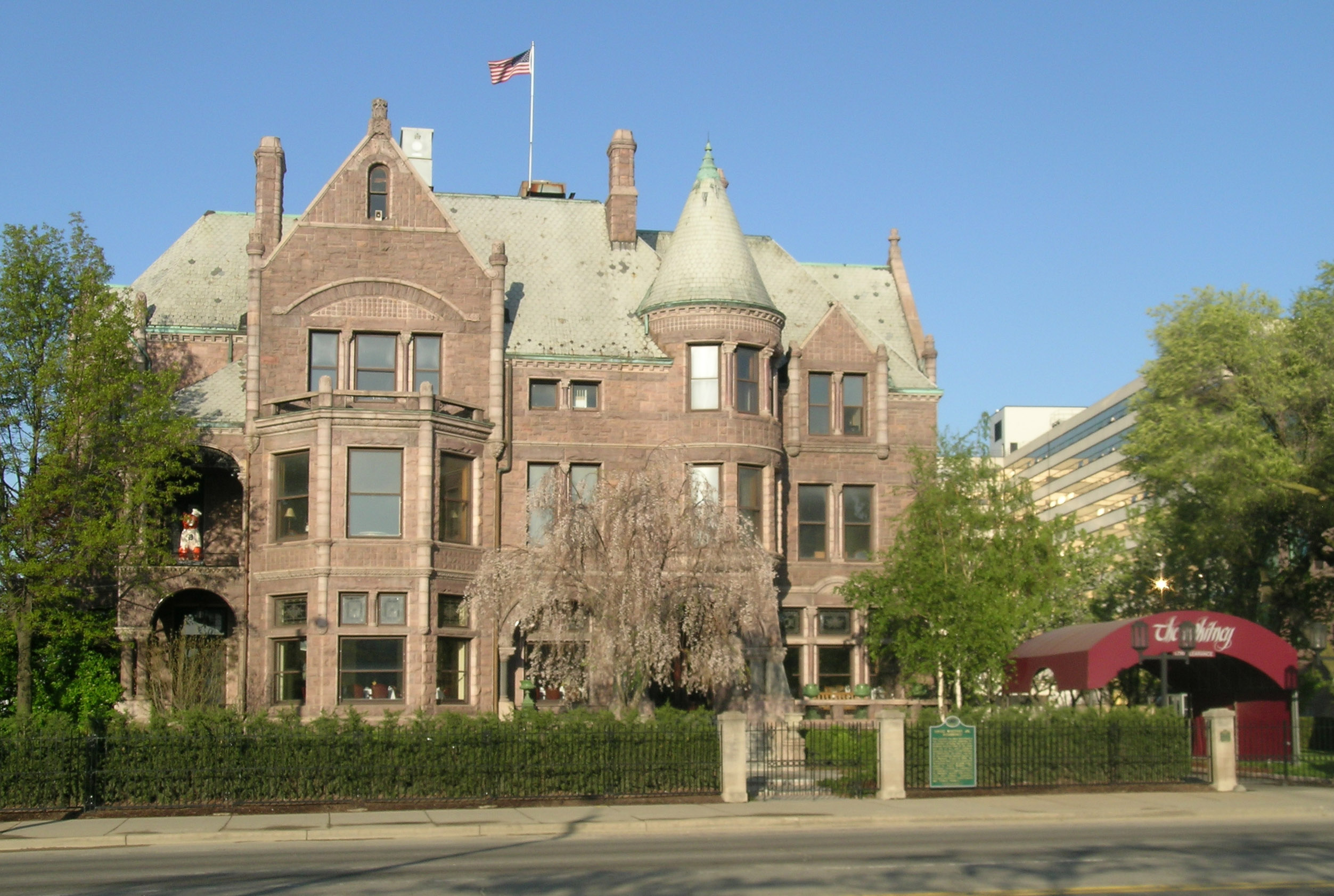
The Whitney
4421 Woodward Ave, Detroit, MI 48201
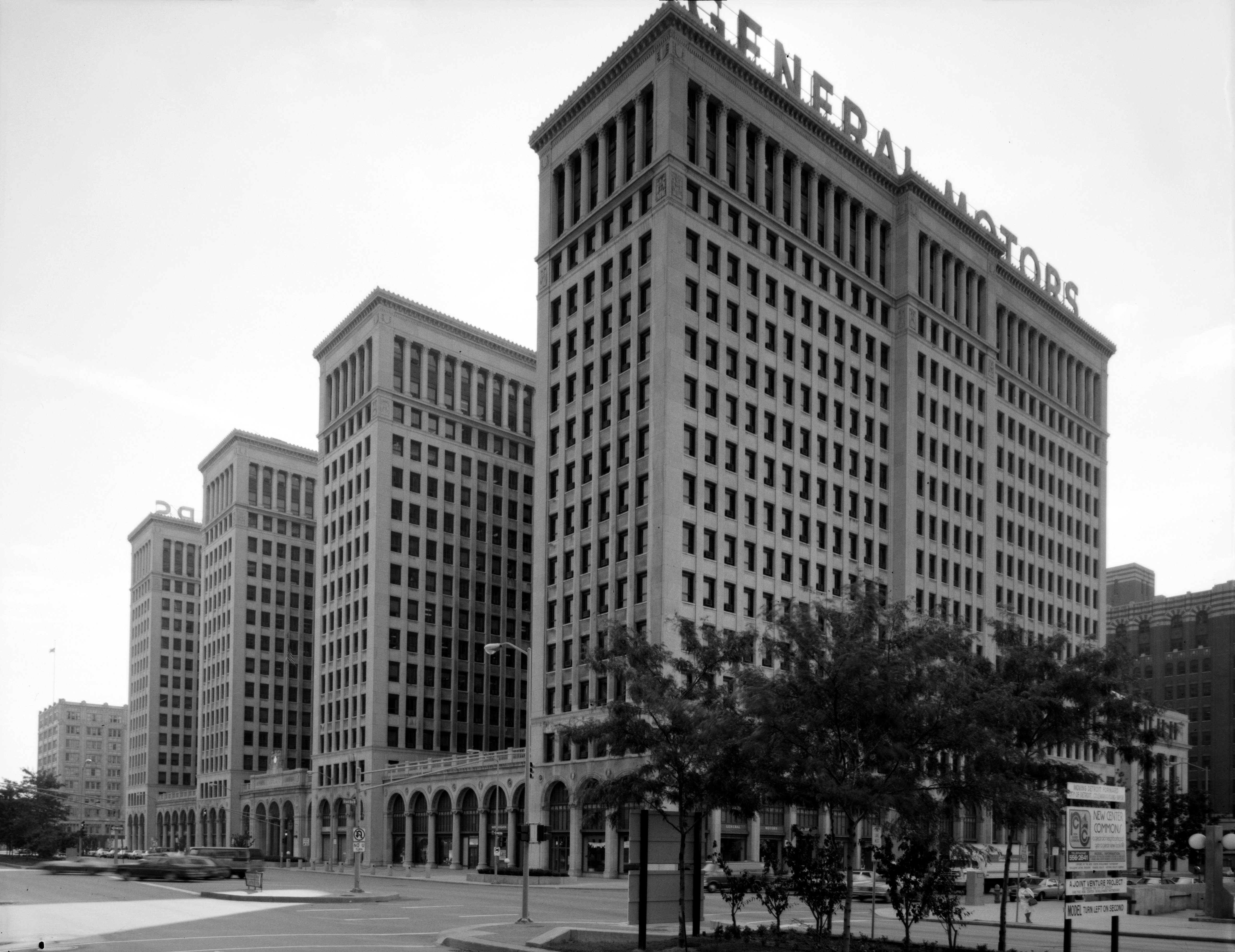
Cadillac Place
3044 W Grand Blvd, Detroit, MI 48202
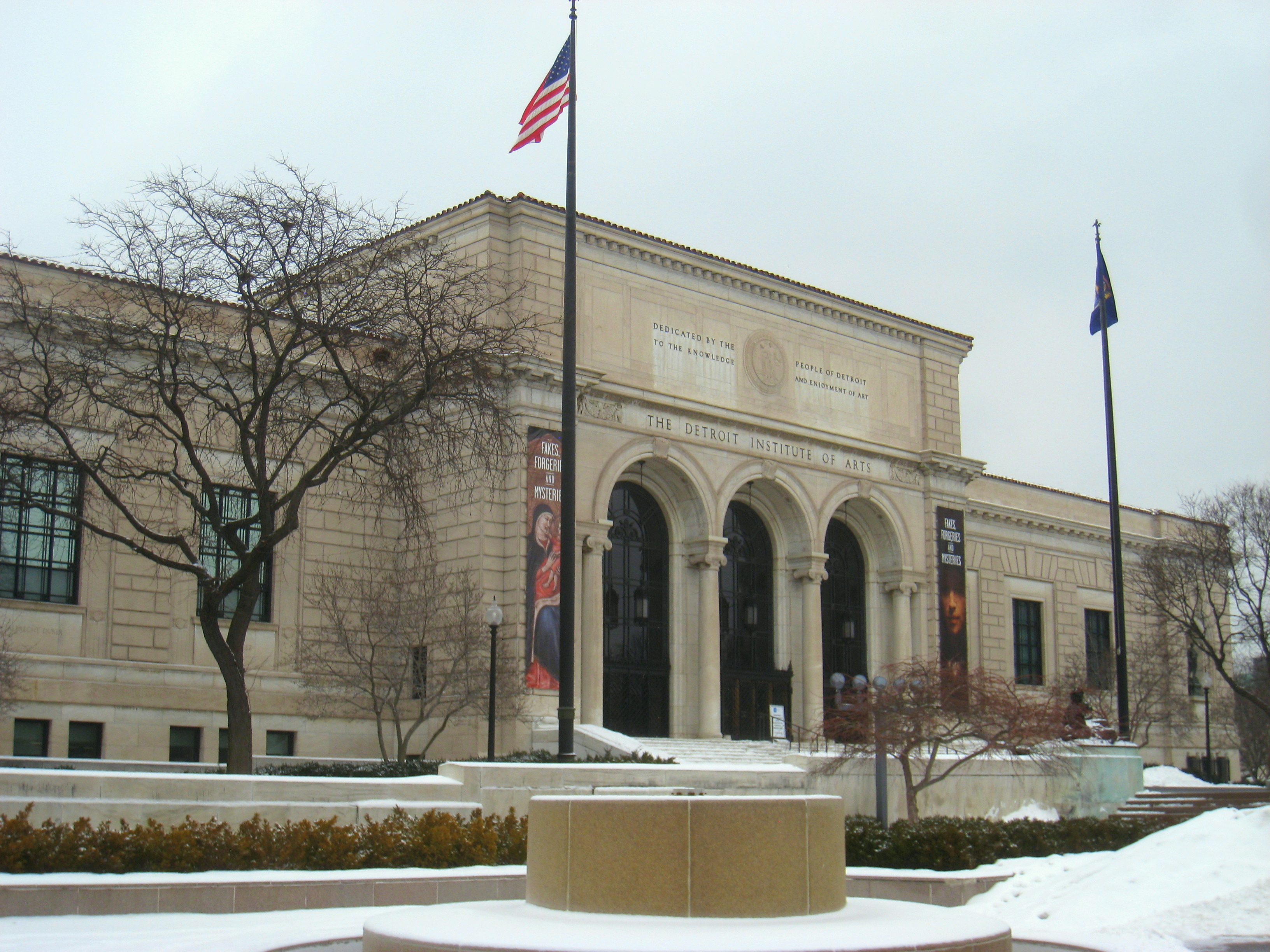
Detroit Institute of Arts
5200 Woodward Ave, Detroit, MI 48202
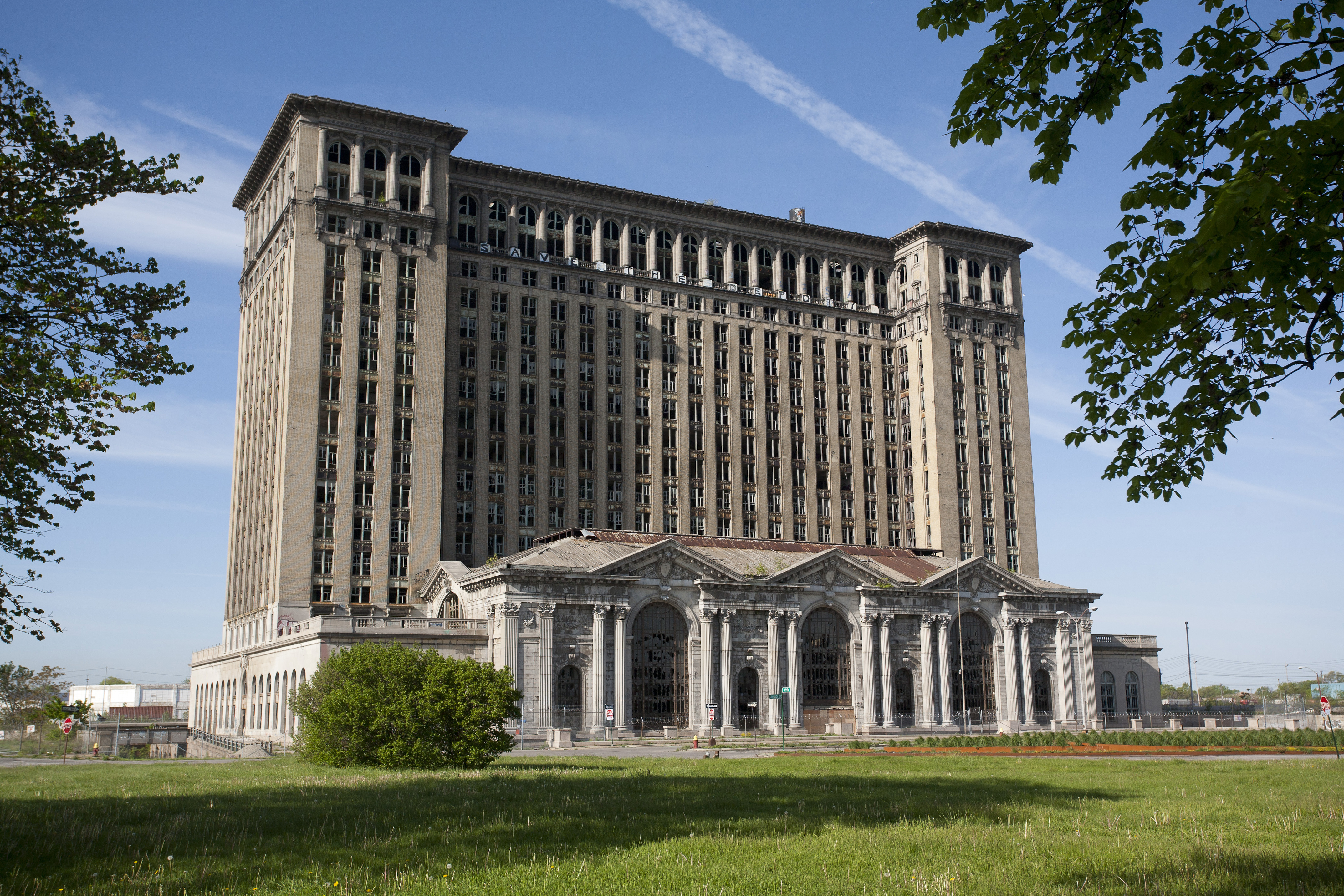
Michigan Central Station
2001 15th St, Detroit, MI 48216
Classical Roman in Detroit: Common Questions
Where can I see Classical Roman architecture in Detroit?
You can see Classical Roman architecture in several locations, including Cadillac Place, the Detroit Institute of Arts, and Michigan Central Station. These buildings are concentrated primarily along Woodward Avenue, a major thoroughfare in the city.
When were these Classical Roman buildings built?
Most Classical Roman buildings in Detroit, including Cadillac Place and the Detroit Institute of Arts, were constructed in the early 20th century, during a time of significant economic growth and urban development.
What should I look for in Classical Roman architecture?
Look for features such as grand columns, symmetry, and classical detailing like pediments and colonnades. Buildings like the Detroit Institute of Arts and Michigan Central Station prominently display these elements.
How does Detroit's Classical Roman architecture compare to other cities?
Detroit's Classical Roman architecture reflects a unique adaptation of the style, influenced by the city's historical context and materials. While cities like Washington D.C. feature more iconic examples, Detroit's buildings like Cadillac Place maintain considerable local significance.
Can I visit these buildings?
Yes, many of these buildings, including the Detroit Institute of Arts, are open to the public. Cadillac Place and Michigan Central Station have varying access, so it's best to check ahead for visitor information and tours.