Chicago School Architecture in Detroit
Explore 5 chicago school buildings that shape Detroit's architectural identity
The Chicago School architectural style emerged in the late 19th century and gained traction in cities like Detroit during the early 20th century. Economic growth and urbanization spurred the construction of taller buildings that utilized new materials and technologies, such as steel frames and large plate glass windows. This shift allowed for the creation of structures that not only maximized natural light but also emphasized verticality, a hallmark of the Chicago School.
In Detroit, several notable examples showcase this architectural influence, particularly along Washington Boulevard and Grand Boulevard. The Book-Cadillac Hotel stands out with its large windows and flat rooflines, which enhance both light and air circulation within its spaces. Similarly, Lee Plaza features vertical lines that reinforce its height, contributing to the urban scale of the surrounding area. These elements reflect the city's aspirations during a period of significant growth.
Another prime example is the Book Tower, with its tall, narrow windows and structured design that further emphasize verticality and light. Alongside the Caddy Place, which incorporates steel and expansive glass windows, these buildings embody the modernist principles of functionality. Finally, Michigan Central Station captures the essence of the Chicago School with its towering form and ample natural light, though it remains an abstract of the style compared to the other structures mentioned.
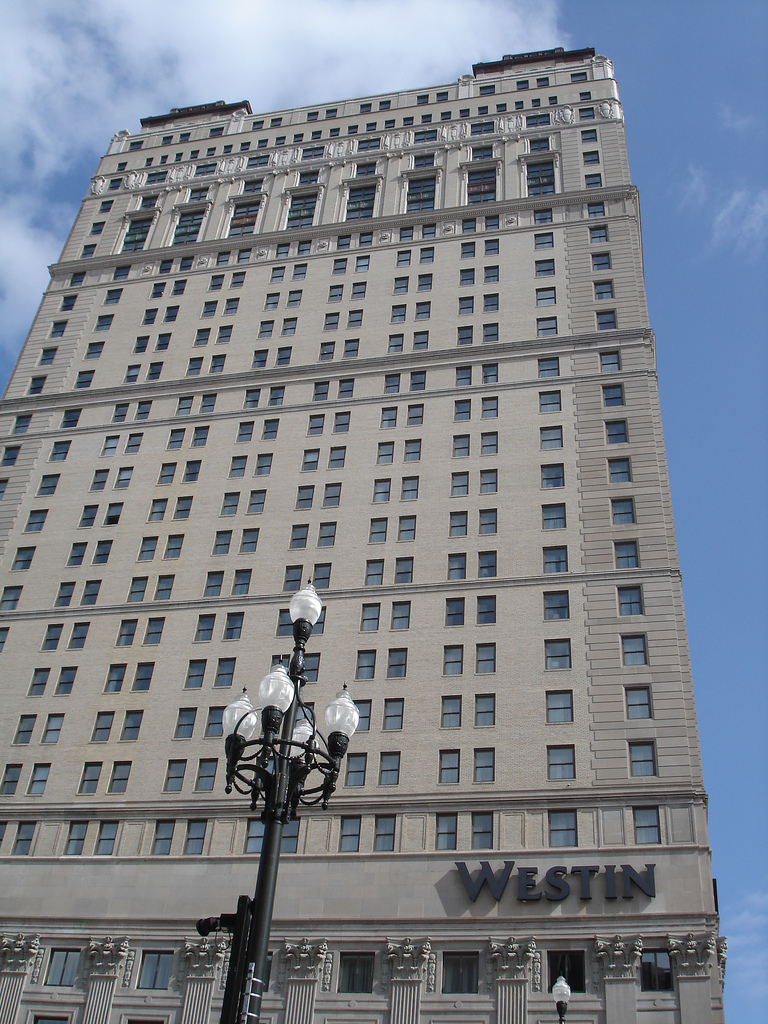
Book-Cadillac Hotel
1114 Washington Blvd, Detroit, MI 48226
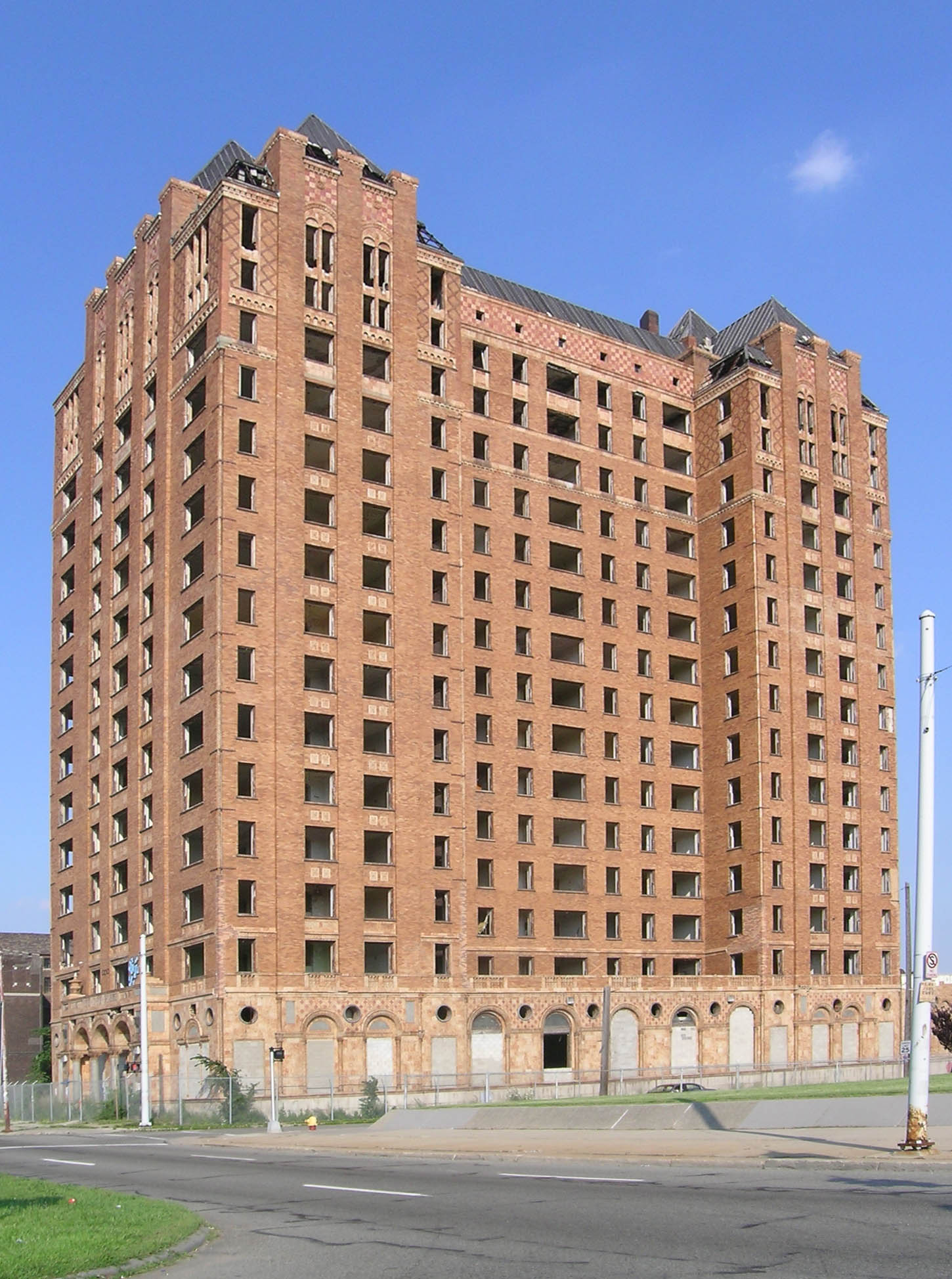
Lee Plaza
2240 W Grand Blvd, Detroit, MI 48208
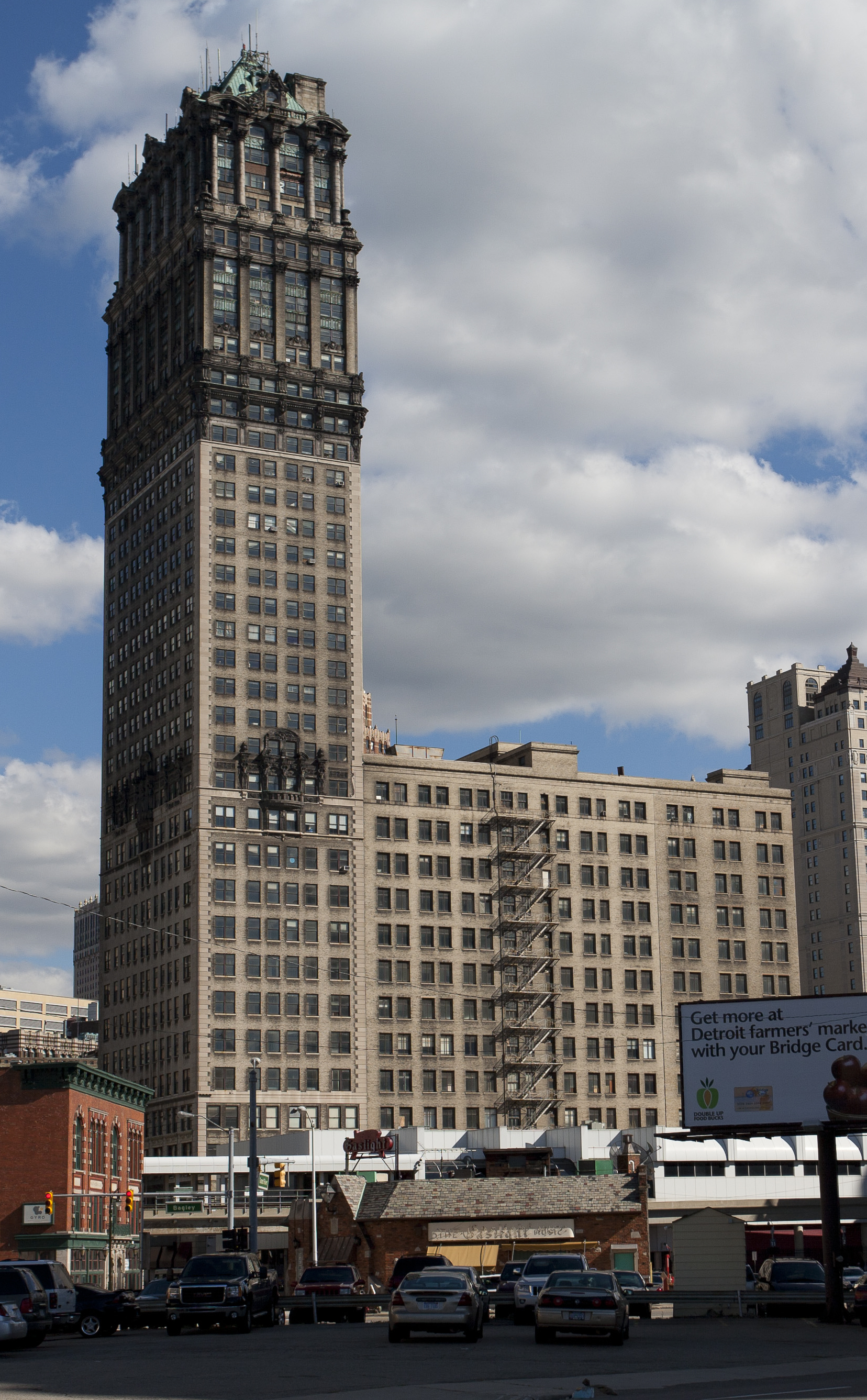
Book Tower
1265 Washington Blvd, Detroit, MI 48226
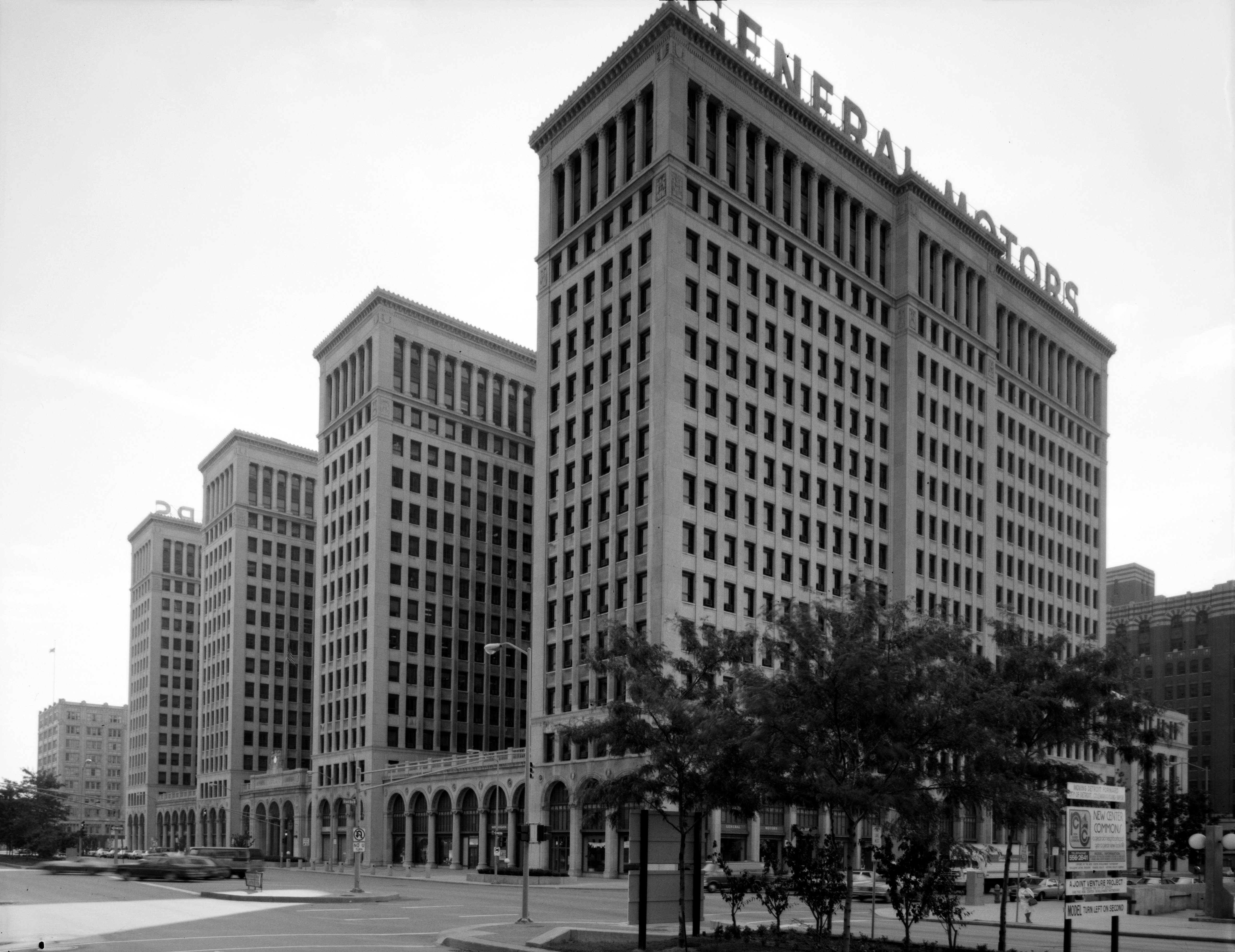
Cadillac Place
3044 W Grand Blvd, Detroit, MI 48202
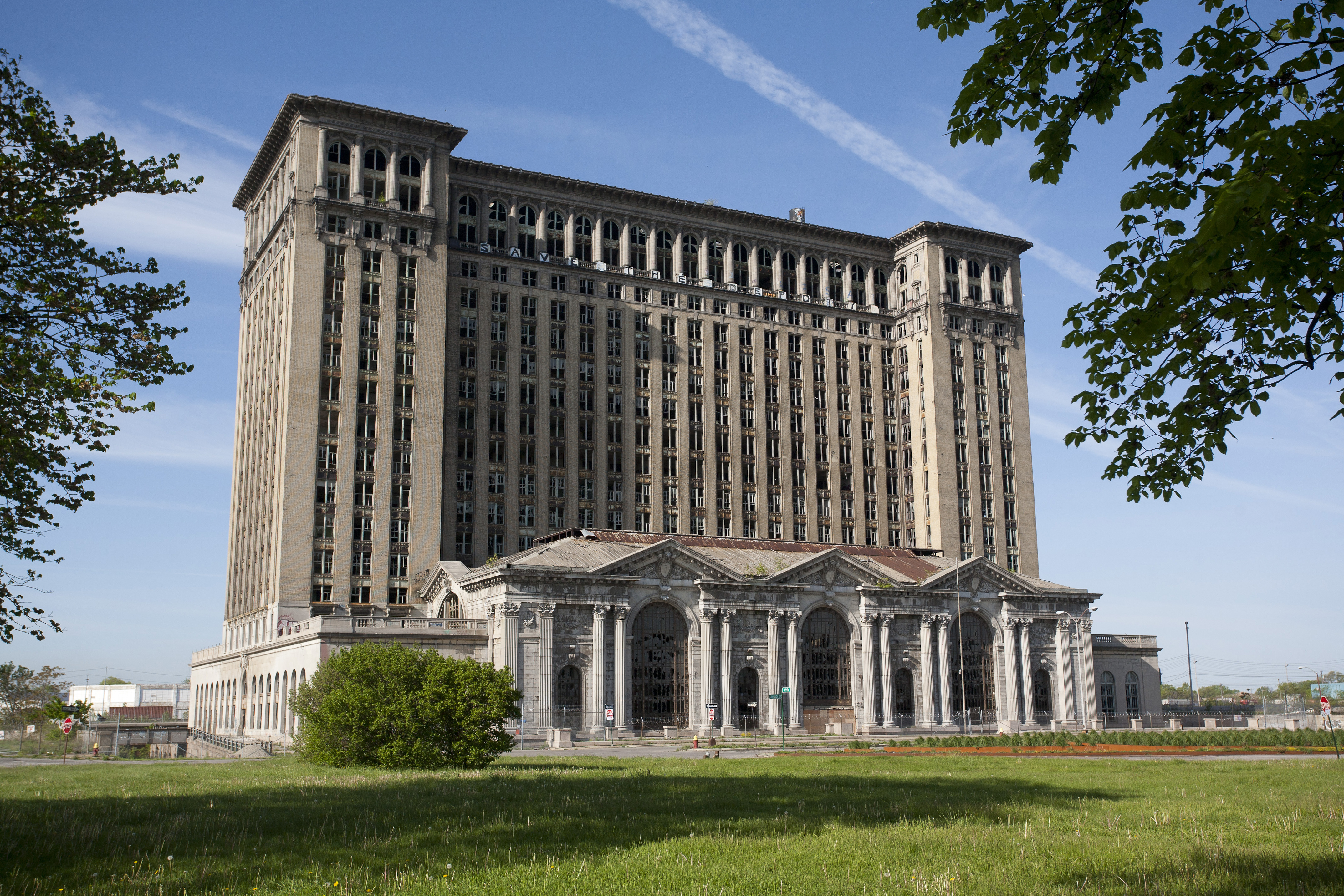
Michigan Central Station
2001 15th St, Detroit, MI 48216
Chicago School in Detroit: Common Questions
Where can I see Chicago School architecture in Detroit?
You can find notable examples of Chicago School architecture primarily along Washington Boulevard and Grand Boulevard, particularly at the Book-Cadillac Hotel and Lee Plaza. Other significant buildings include Book Tower and Cadillac Place, all showcasing the distinctive features of this architectural style.
When were these buildings constructed?
Most Chicago School buildings in Detroit were constructed in the early to mid-20th century, reflecting the economic growth and urbanization of the time. For instance, the Book-Cadillac Hotel was completed in 1924, while Lee Plaza was built in 1928.
What should I look for in Chicago School architecture?
Look for characteristics such as large plate glass windows, flat rooflines, and vertical lines. Buildings like the Book Tower highlight these features with their tall, narrow windows and structured designs, emphasizing light and verticality.
How does Chicago School architecture in Detroit compare to other cities?
Chicago School architecture in Detroit shares common traits with buildings in Chicago, such as the use of steel frames and emphasis on light. However, Detroit's unique historical context and local materials give its examples a distinct character, evident in structures like Michigan Central Station.
Can I visit these buildings?
Yes, many of the Chicago School buildings in Detroit, such as the Book-Cadillac Hotel and Cadillac Place, are accessible to the public. However, be sure to check for any specific visiting hours or restrictions, especially for historical sites.