Classical Roman Architecture in Philadelphia
Explore 8 classical roman buildings that shape Philadelphia's architectural identity
Classical Roman architecture is a significant part of Philadelphia's architectural landscape, reflecting the city's rich historical context and cultural aspirations. The revival of this style in the 19th and early 20th centuries coincided with a period of economic growth and civic pride, leading to the construction of numerous monumental buildings that drew inspiration from ancient Roman design principles.
One prominent example is the Philadelphia Museum of Art, which features grand columns and arches that evoke the majesty of Roman temples. This building not only serves as a cultural institution but also as a visual anchor along the Benjamin Franklin Parkway, embodying the city's artistic ambitions.
Another notable structure is the Free Library of Philadelphia, where classical elements are evident in its stately columns and organized layout, reminiscent of ancient designs. This building not only functions as a center for knowledge and literacy but also engages with the community through its architectural presence.
Additionally, the Cathedral Basilica of Saints Peter and Paul stands out with its imposing facade and classical features, integrating elements like columns that enhance its spiritual significance and aesthetic appeal. Together, these structures contribute to a concentration of Classical Roman architecture primarily found in the Center City and Fairmount neighborhoods, showcasing Philadelphia's dedication to preserving and celebrating this timeless style.
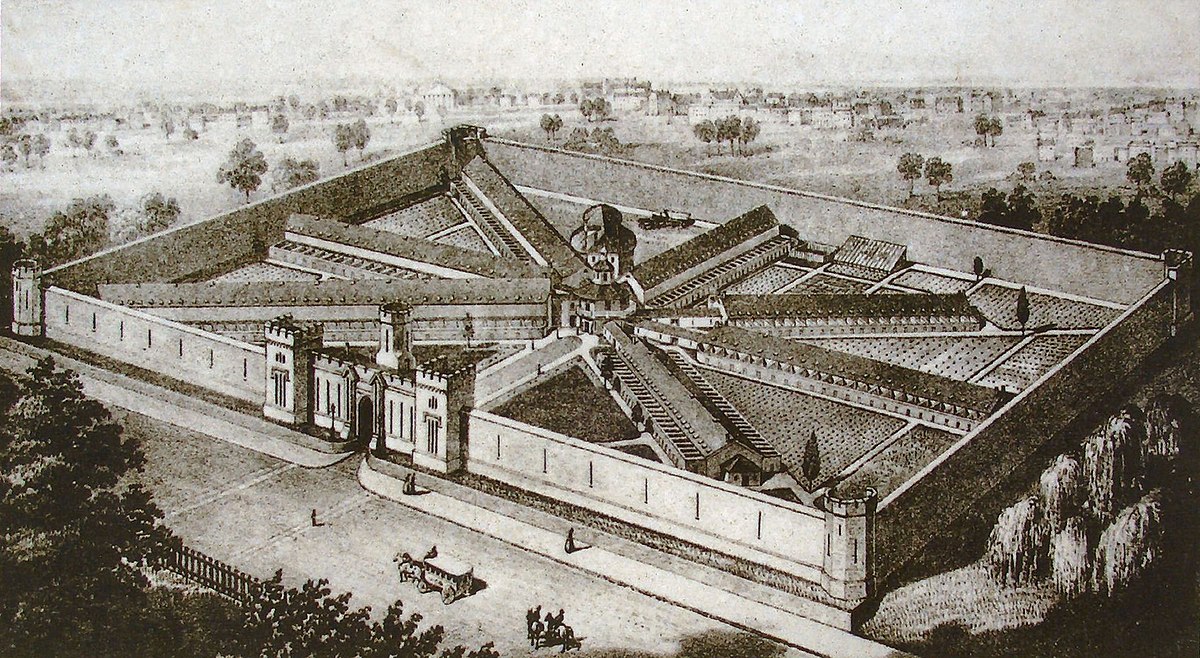
Eastern State Penitentiary
2027 Fairmount Ave, Philadelphia, PA 19130
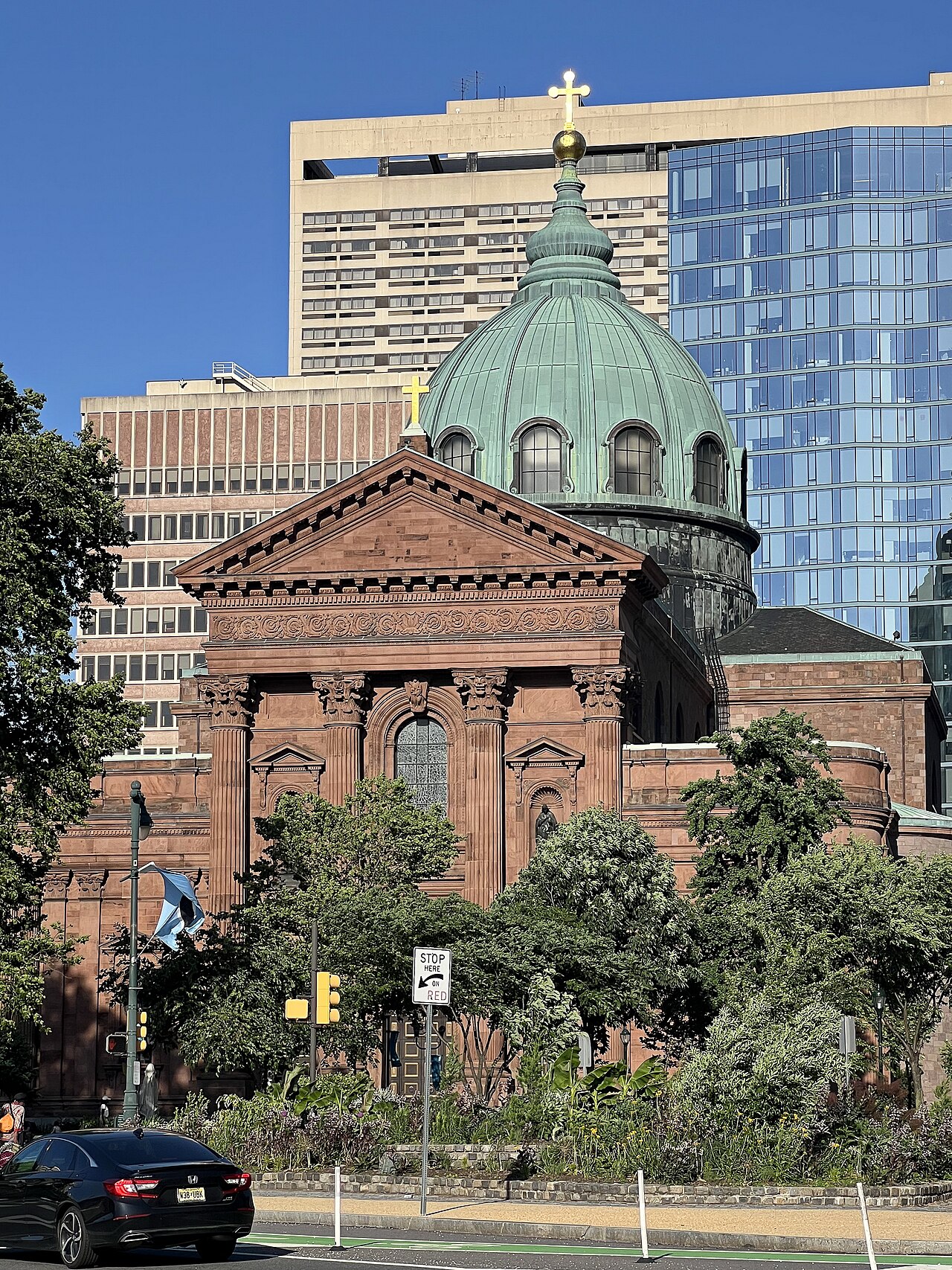
Cathedral Basilica of Saints Peter and Paul
1723 Race St, Philadelphia, PA 19103
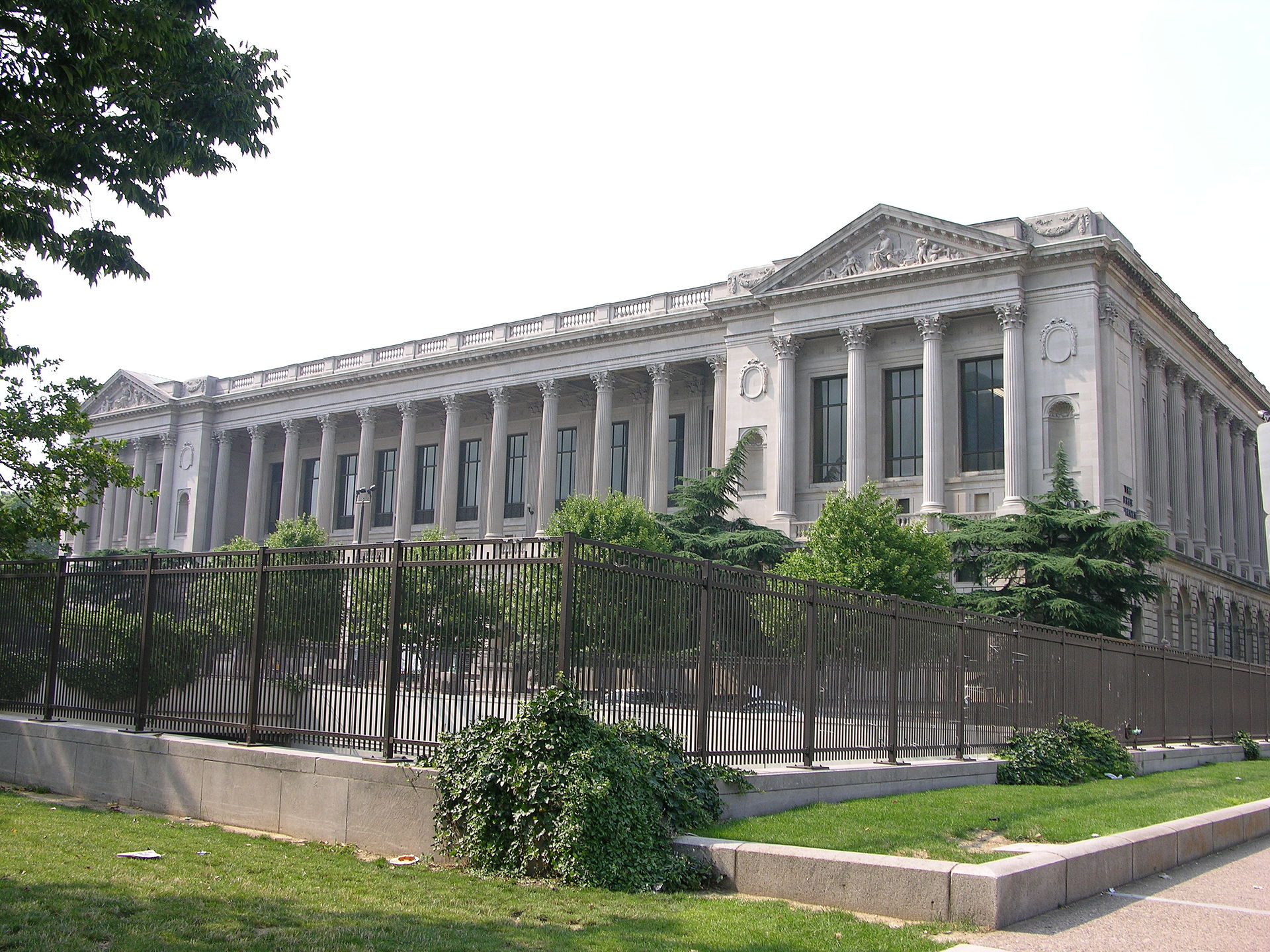
Free Library of Philadelphia
1901 Vine St, Philadelphia, PA 19103
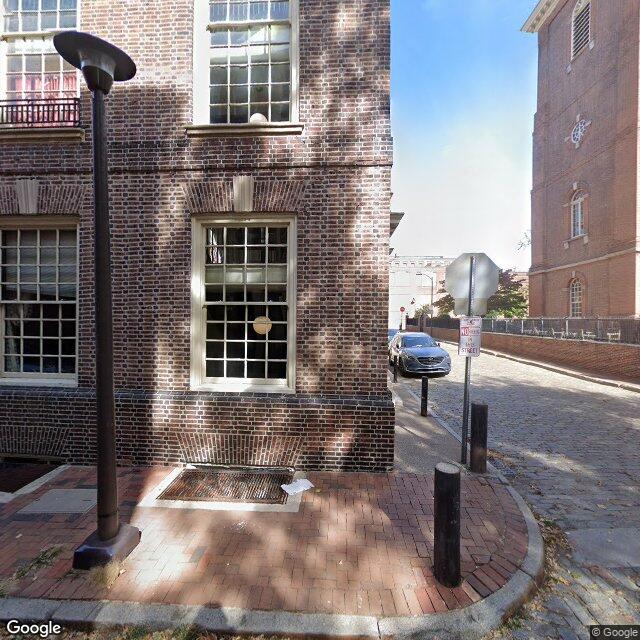
Christ Church
20 N American St, Philadelphia, PA 19106
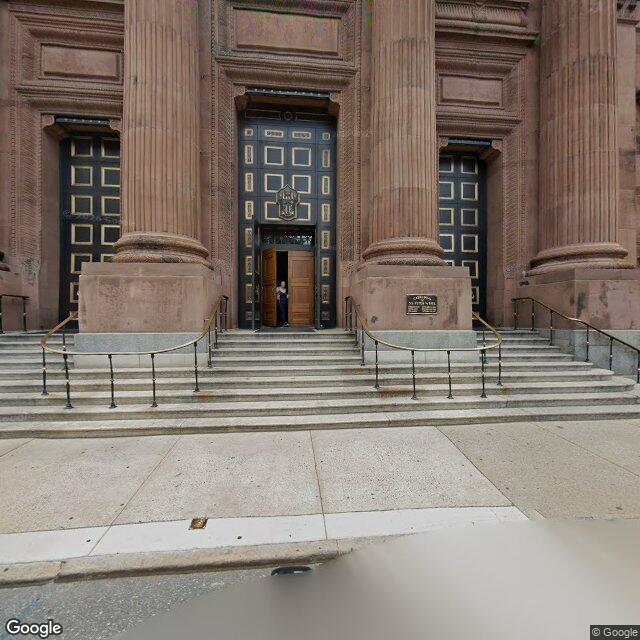
Cathedral Basilica of Saints Peter and Paul
1723 Race St, Philadelphia, PA 19103
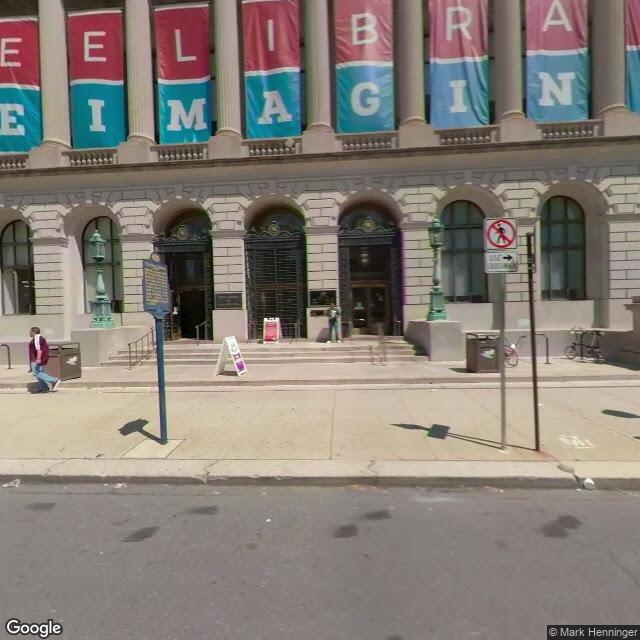
Free Library of Philadelphia
1901 Vine St, Philadelphia, PA 19103
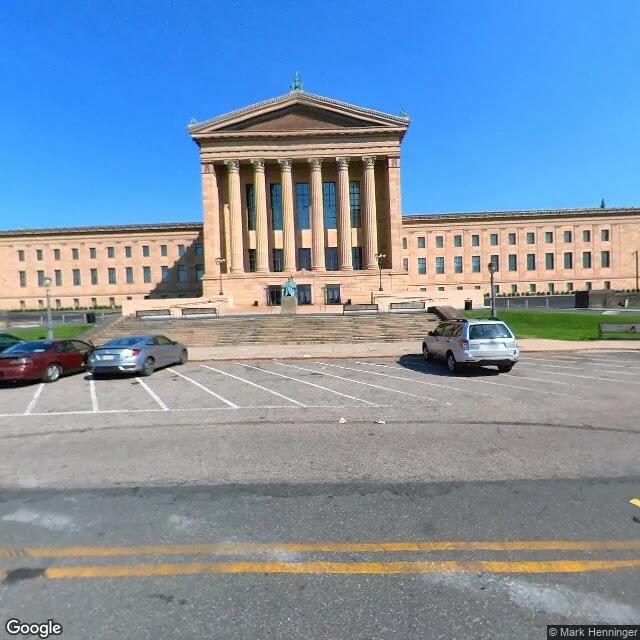
Philadelphia Museum of Art
2600 Benjamin Franklin Pkwy, Philadelphia, PA 19130
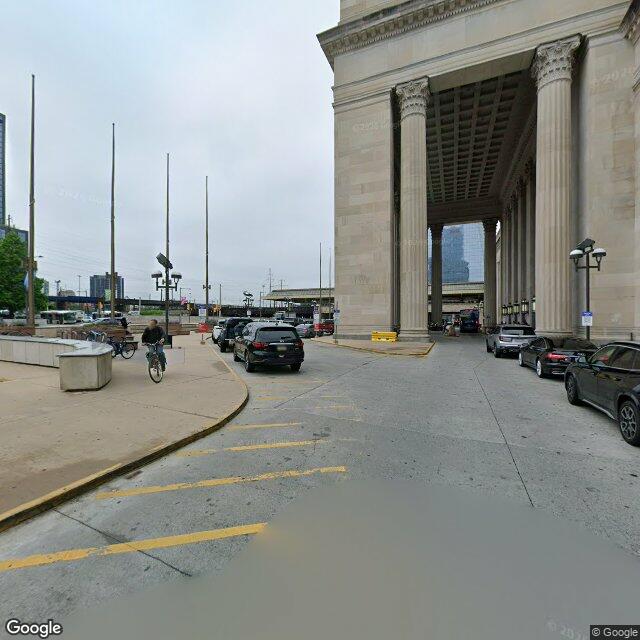
30th Street Station
2955 Market St, Philadelphia, PA 19104
Classical Roman in Philadelphia: Common Questions
Where can I see Classical Roman architecture in Philadelphia?
Key examples include the Philadelphia Museum of Art, the Free Library of Philadelphia, and the Cathedral Basilica of Saints Peter and Paul. These buildings are primarily located in the Center City and Fairmount neighborhoods.
When were these Classical Roman buildings constructed?
The Philadelphia Museum of Art was completed in 1928, while the Free Library of Philadelphia opened in 1927. The Cathedral Basilica of Saints Peter and Paul was dedicated in 1864, reflecting the revival of classical styles during that era.
What features should I look for in these buildings?
Look for the use of grand columns, arches, and symmetrical designs that are characteristic of Classical Roman architecture. Each building also incorporates distinct decorative details that enhance their grandeur and historical significance.
How does Philadelphia's Classical Roman architecture compare to other cities?
Philadelphia's Classical Roman architecture is notable for its blend of local materials and historical context. While cities like Washington, D.C., also feature similar styles, Philadelphia's examples often incorporate unique regional characteristics and local craftsmanship.
Can I visit these buildings?
Yes, many of these buildings, such as the Philadelphia Museum of Art and the Free Library of Philadelphia, are open to the public. However, it's advisable to check their specific visiting hours and any entry requirements before planning your visit.