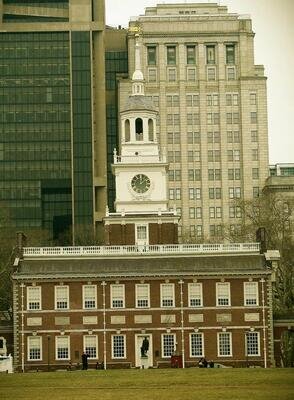
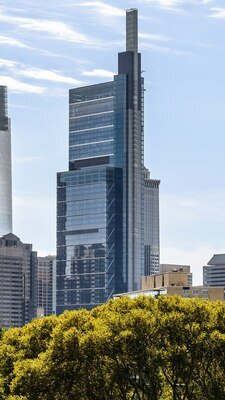
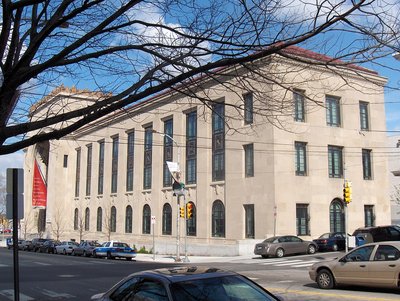
Philadelphia stands as America's architectural laboratory, where the nation's earliest democratic ideals first took physical form and where centuries of innovation have created one of the country's most diverse urban landscapes. From Independence Hall's Georgian brick elegance to the soaring contemporary towers of Center City, Philadelphia tells the complete story of American architecture through its buildings. The city's remarkable preservation of 18th and 19th-century structures alongside bold modern developments creates a unique urban environment where colonial meetinghouses neighbor gleaming skyscrapers and historic rowhouses frame cutting-edge cultural institutions.
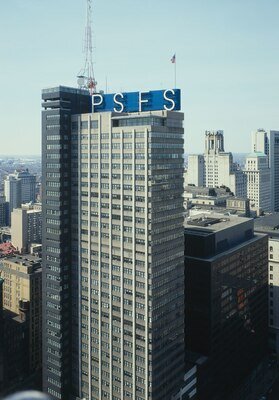
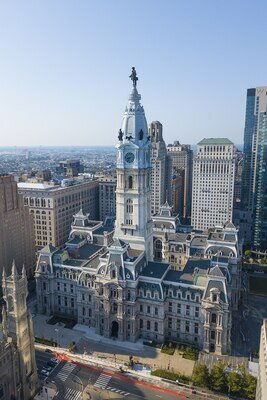
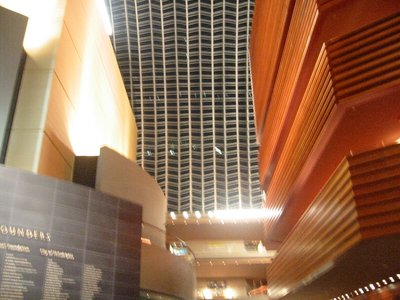
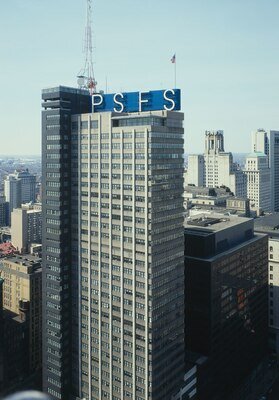
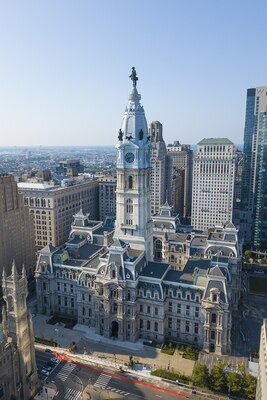
The architectural heritage of Philadelphia spans from the nation's founding through today's sustainable design revolution, encompassing styles that range from William Penn's original Quaker simplicity to the ornate Victorian excess of City Hall's French Second Empire grandeur. The city's most significant structures—including Independence Hall where American democracy was born, the revolutionary steel-frame construction of the PSFS Building, and Frank Gehry's deconstructive Kimmel Center—represent pivotal moments in both American history and architectural evolution. Philadelphia's distinctive neighborhoods showcase how architectural traditions have adapted to local materials and climate, from the fieldstone houses of Germantown to the brick rowhouses that define South Philadelphia, creating a cohesive urban fabric that honors both innovation and continuity.
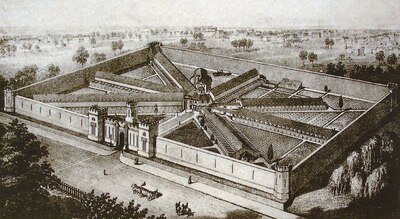
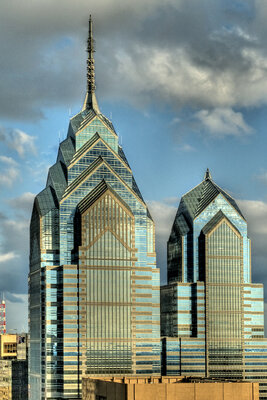
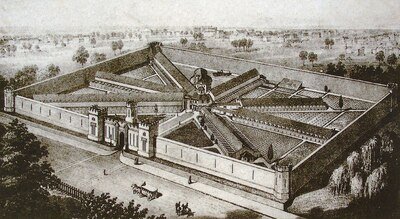
What sets Philadelphia apart in America's architectural landscape is its role as a testing ground for new ideas while maintaining deep respect for historical precedent. The city's Gothic Revival churches, Beaux-Arts cultural institutions, and International Style office towers demonstrate how each generation has built upon the foundations laid by previous architects and builders. From the medieval castle-like walls of Eastern State Penitentiary to the crystalline geometries of One Liberty Place, Philadelphia's architecture reflects a city continuously reinventing itself while honoring its foundational role in American democracy and culture, creating an urban environment where every building contributes to the larger narrative of American architectural achievement.
Architectural styles in Philadelphia
Browse the documented buildings by style:
Philadelphia Architecture FAQ
What is the dominant architectural style in Philadelphia?
Philadelphia's architectural landscape is diverse, but the Beaux-Arts style is particularly prominent, with 14 examples in the city. This style combines classical architecture with decorative elements, evident in structures like the Philadelphia City Hall and the Philadelphia Museum of Art.
What are the best areas to walk and explore Philadelphia's architecture?
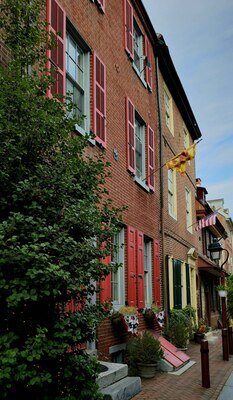
Center City and Old City are excellent areas for exploring Philadelphia's architecture. In Center City, you can admire modern skyscrapers alongside historic structures, while Old City offers colonial buildings like Independence Hall and charming streets like Elfreth's Alley.
What are some of the oldest or most famous buildings in Philadelphia?
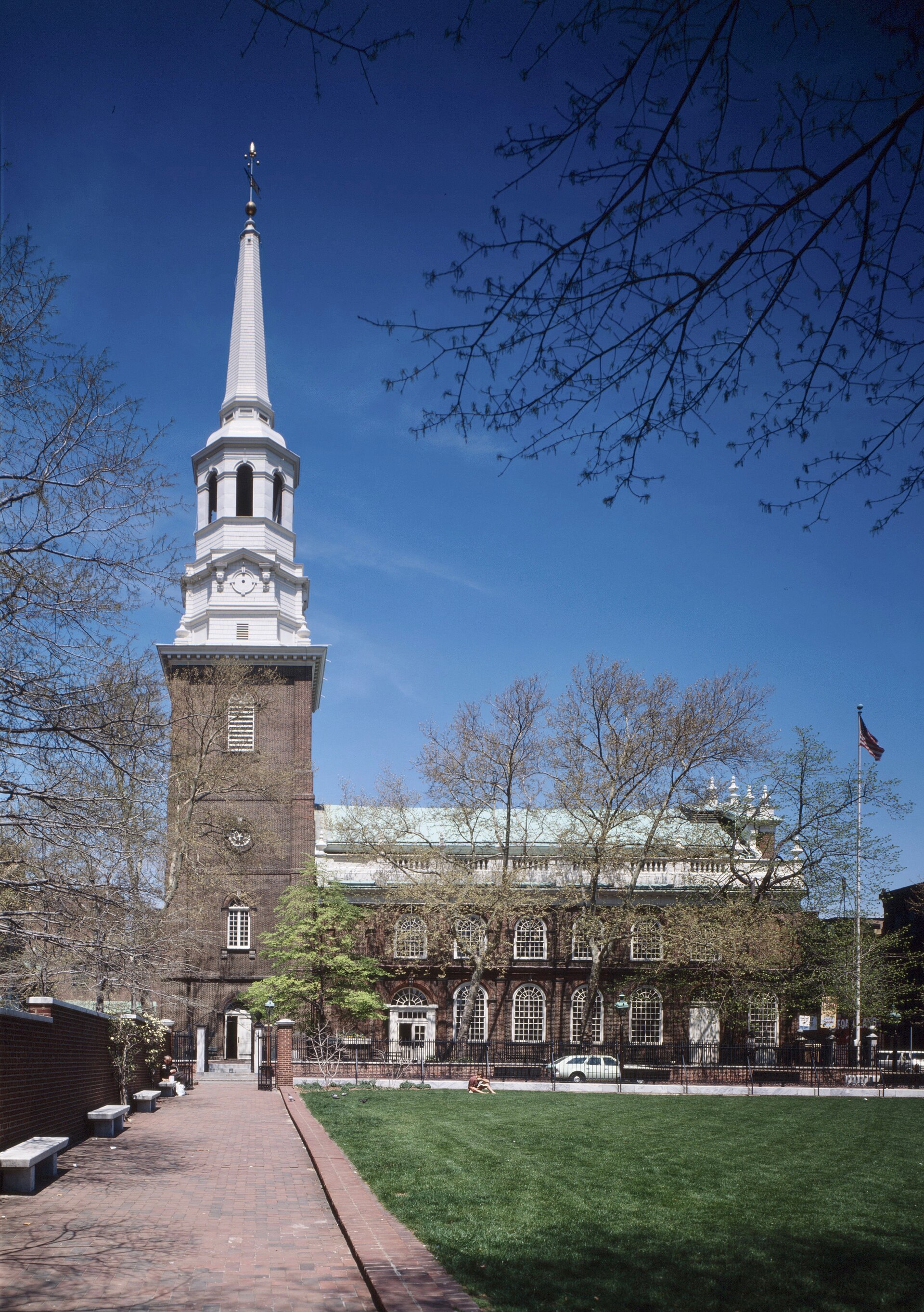
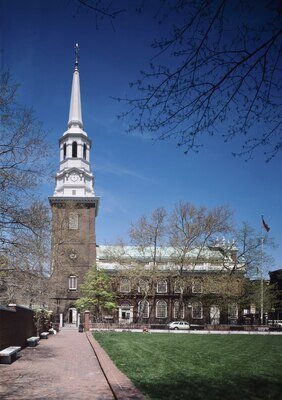
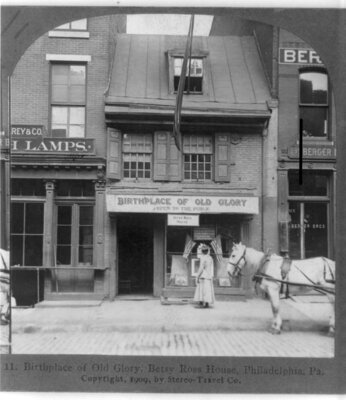
Some of Philadelphia's oldest and most famous buildings include Independence Hall, where the Declaration of Independence was signed, and Christ Church, a stunning example of Neoclassical architecture. The Betsy Ross House, another historic site, adds to the city's rich architectural heritage.
How does Philadelphia's architecture compare to nearby cities?
Philadelphia's architecture stands out due to its blend of historical and modern styles. Unlike New York's skyline dominated by glass towers, Philadelphia maintains a strong connection to its colonial roots, with well-preserved 18th and 19th-century buildings alongside innovative modern designs.
Can notable buildings in Philadelphia be visited?
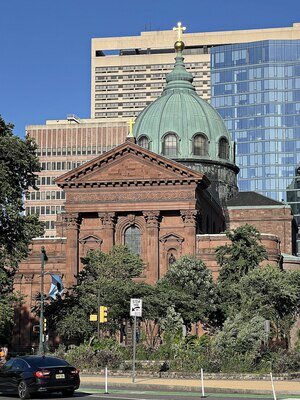
Yes, many notable buildings in Philadelphia are open to the public for visits. Key sites like Independence Hall, the Philadelphia Museum of Art, and the Cathedral Basilica of Saints Peter and Paul offer tours and opportunities to explore their architectural significance.