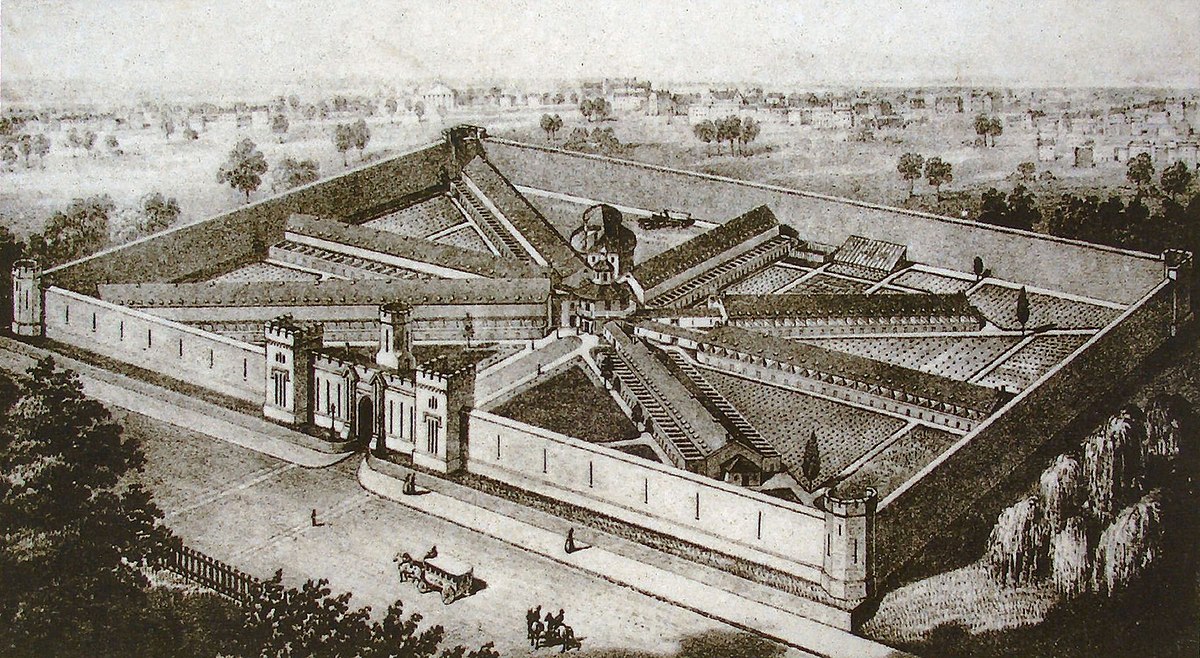
Eastern Penitentiary, Philadelphia
-
Victorian 90%
-
Gothic Revival 85%
The Eastern Penitentiary, constructed in the 1820s, is a landmark of American architecture and prison design. Its innovative radial design and use of state-of-the-art concepts at the time made it a significant example of the Pennsylvania system of incarceration.
Architectural Styles
Victorian
90%The Eastern Penitentiary showcases elements of Victorian architecture with its imposing facade and intricate detailing. The use of heavy masonry and the layout reflects the grandeur often seen in Victorian public buildings.
- Gothic-inspired arches
- Stone construction
- Symmetrical layout
- Decorative details
Gothic Revival
85%The building incorporates Gothic Revival elements through pointed arches and battened windows, reflecting medieval influences that were popular in 19th-century architecture. This style adds a dramatic effect to the overall appearance.
- Pointed arches
- Tall, narrow windows
- Vertical emphasis
- Ornamental details
Notable Features
- Radial layout
- Thick stone walls
- Sky lights in cells
- Exercise yards
Historical Context
Built during the early 19th century, the Eastern Penitentiary represented a shift towards more humane treatment of prisoners. It was designed to reflect Enlightenment ideals, emphasizing rehabilitation over punishment. Its architectural innovations influenced prison design worldwide.
Fun Facts
- The penitentiary was the first to implement the solitary confinement system.
- Famous inmates included bank robber Willie Sutton.
- The facility was operational for over 140 years before closing in 1971.
Frequently Asked Questions
What architectural style is Eastern Penitentiary?
Eastern Penitentiary is primarily Victorian architecture (90% confidence), with elements of Gothic Revival. The Eastern Penitentiary showcases elements of Victorian architecture with its imposing facade and intricate detailing. The use of heavy masonry and the layout reflects the grandeur often seen in Victorian public buildings.
When was Eastern Penitentiary built?
Eastern Penitentiary dates from 1820s.
Who designed Eastern Penitentiary?
Eastern Penitentiary was designed by John Haviland.
Where is Eastern Penitentiary located?
Eastern Penitentiary is located at 2027 Fairmount Ave, Philadelphia, PA 19130.
What are the notable features of Eastern Penitentiary?
Notable features include radial layout, thick stone walls, sky lights in cells, and exercise yards.
Similar Style Buildings

Paleisstraat 2b, 2514 JA Den Haag
Gothic
Dagelijkse Groenmarkt 33, Den Haag
Victorian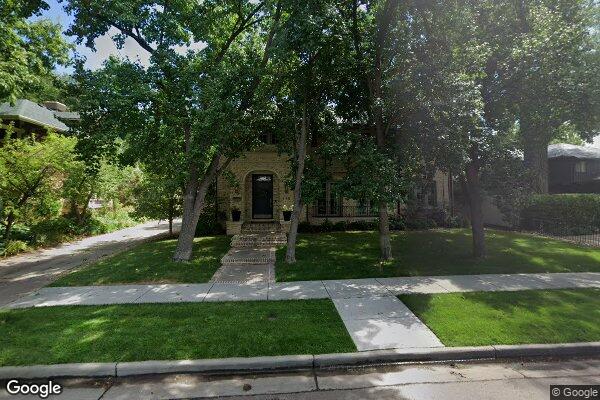
Residential Building
Victorian
Den Haag, The Netherlands
Victorian
1338 N Marion St, Denver, CO 80218
Victorian
N/A
Gothic
Koningsplein 43, 2518 JH Den Haag
Victorian
Regentesseplein 220A, 2562 EZ Den Haag
VictorianNearby Buildings
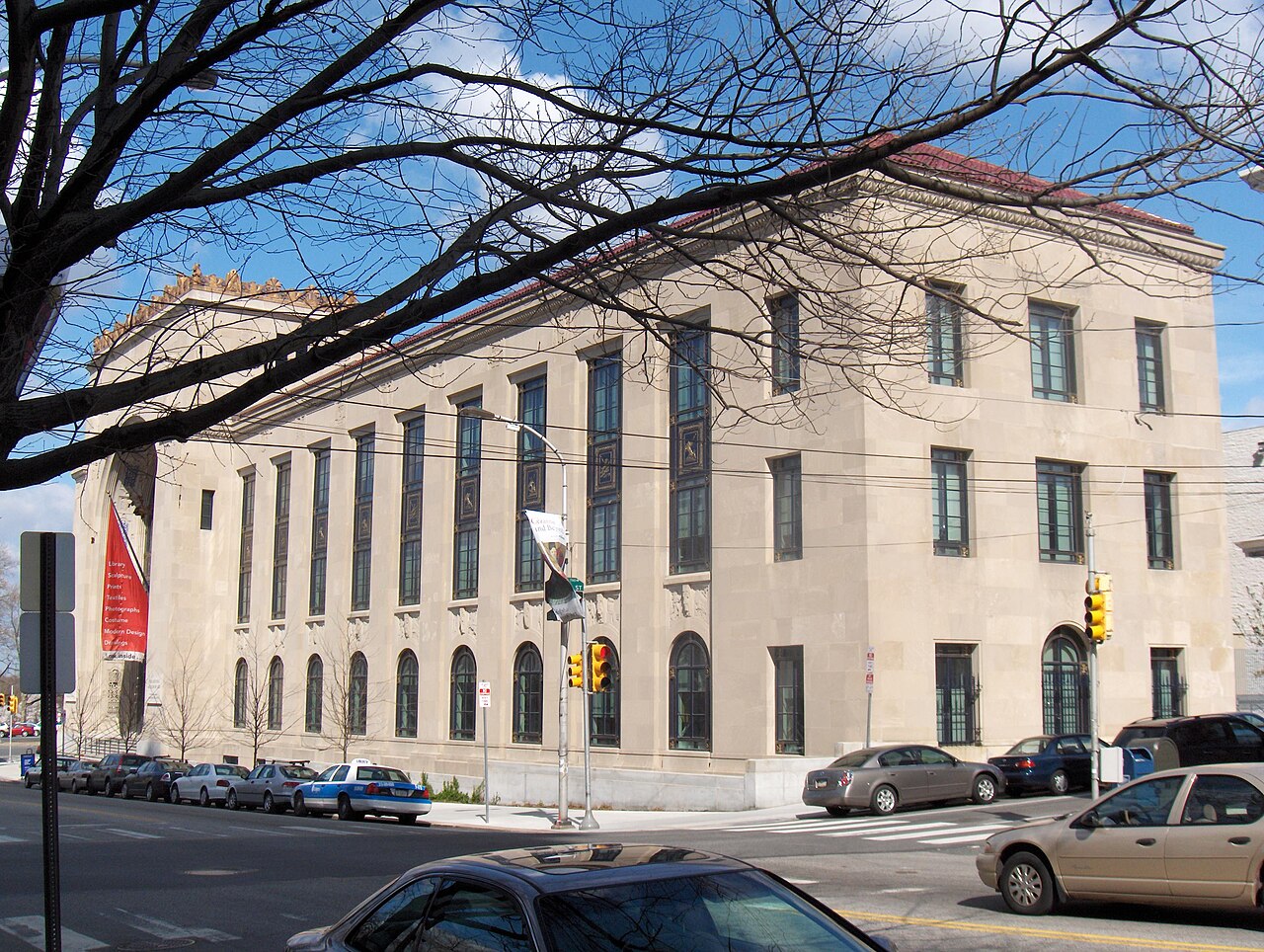
Philadelphia Museum of Art
Art Deco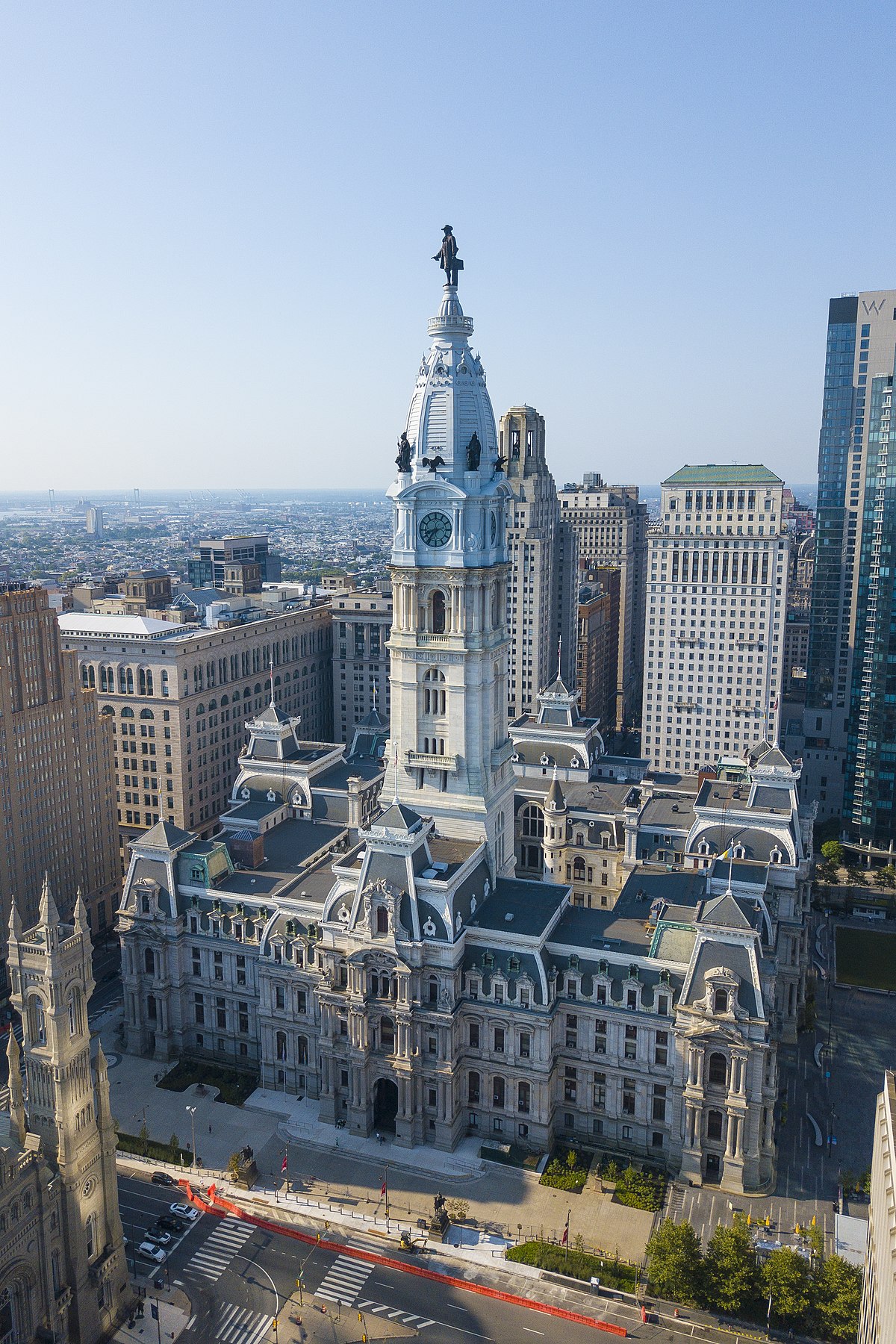
Philadelphia City Hall
Victorian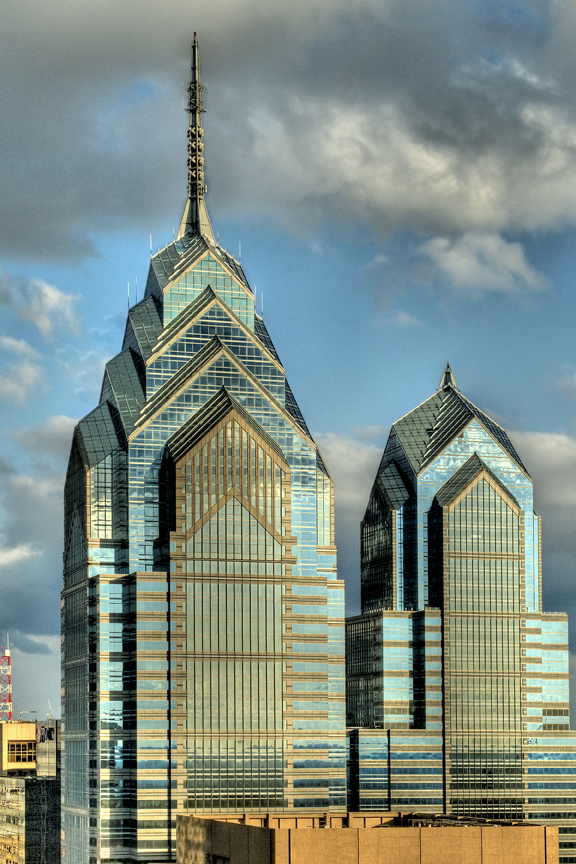
One Liberty Place
Modernism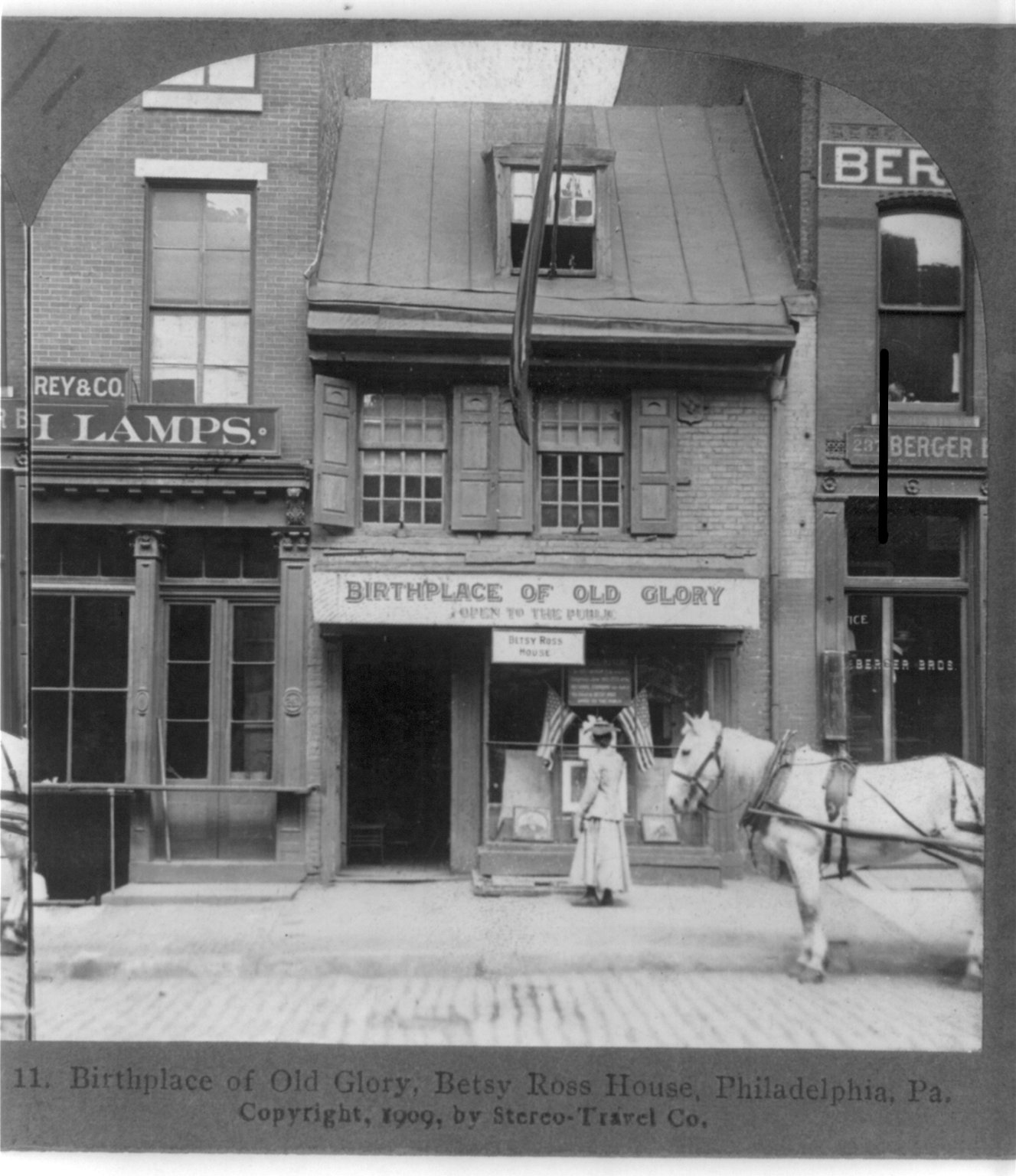
Betsy Ross House
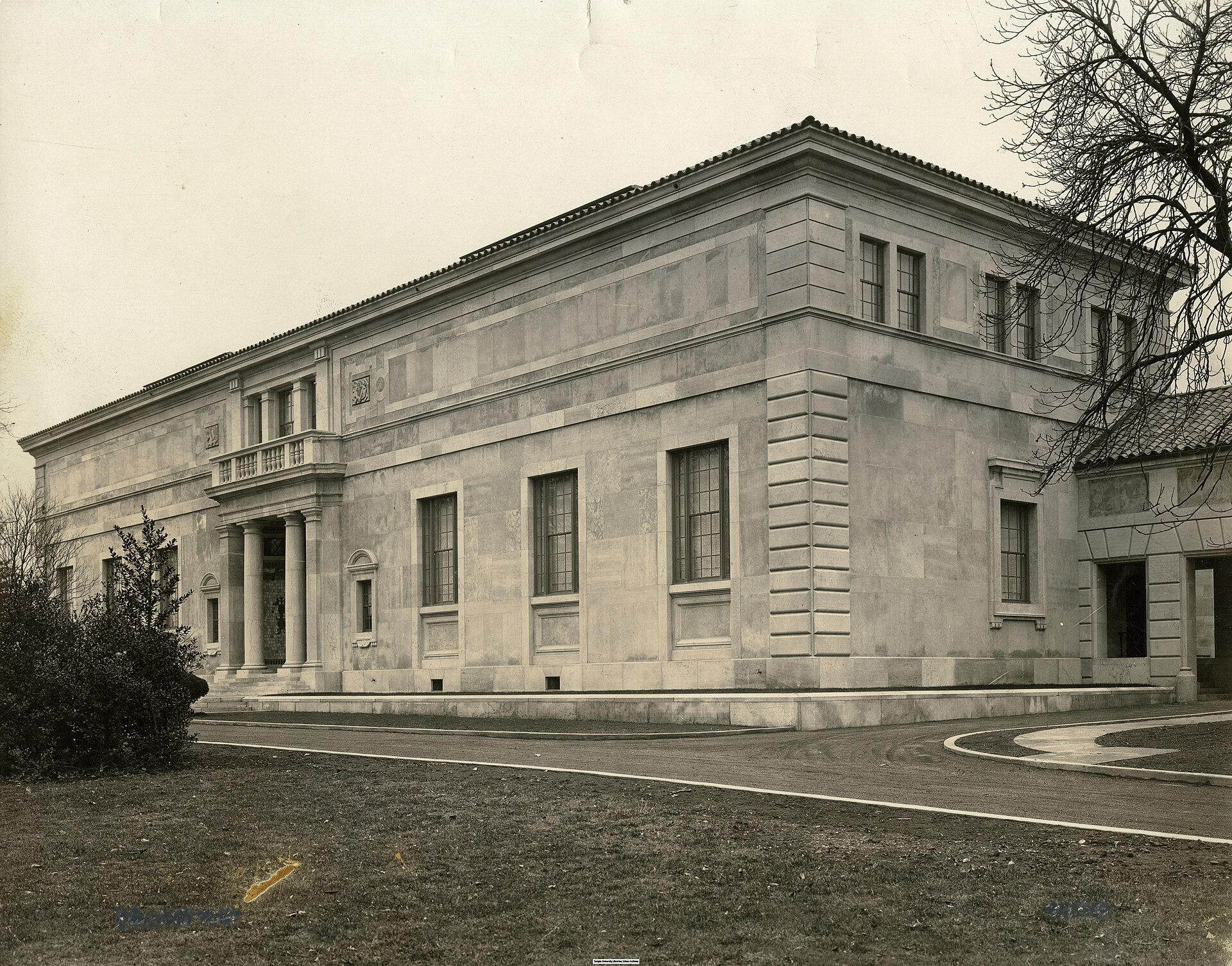
Barnes Foundation
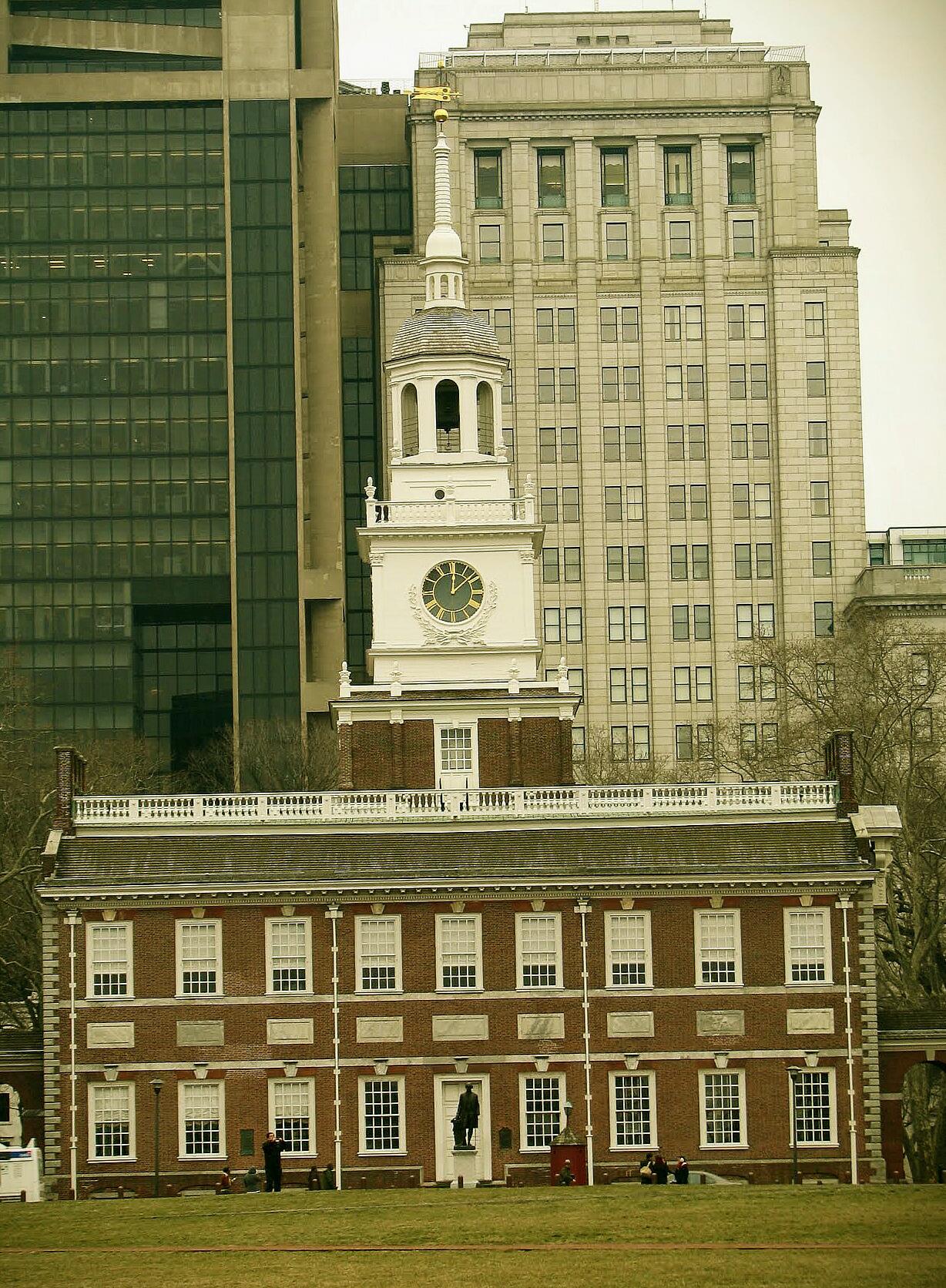
Independence Hall
Colonial Revival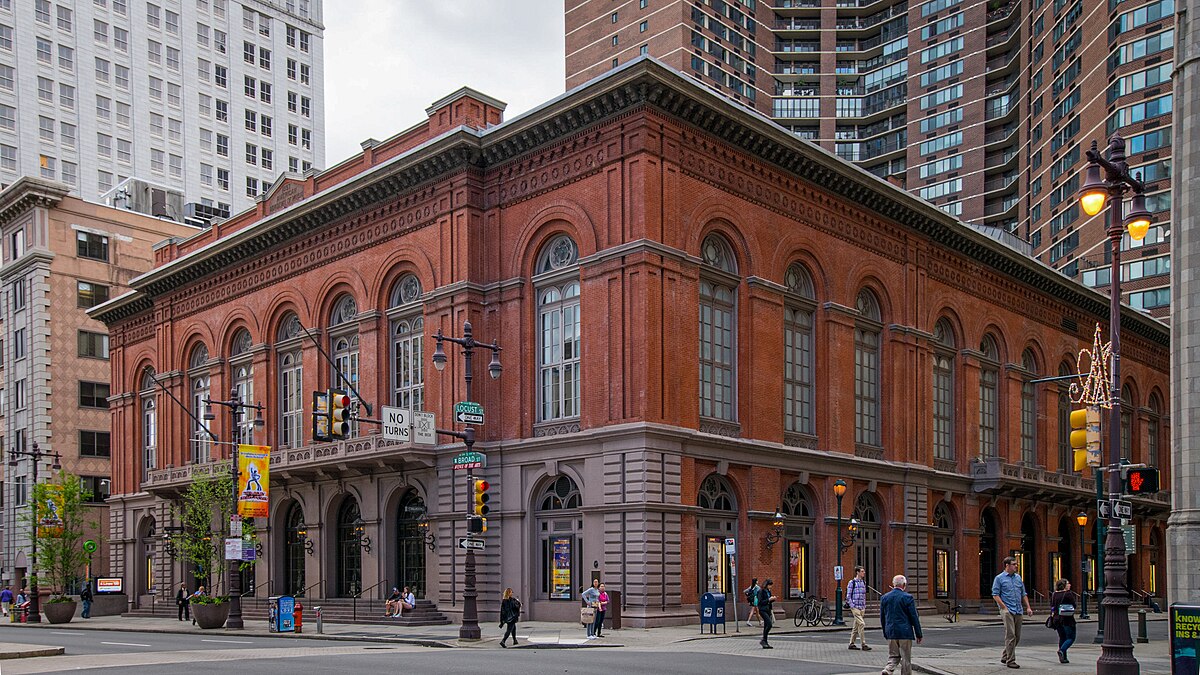
Academy of Music
Italianate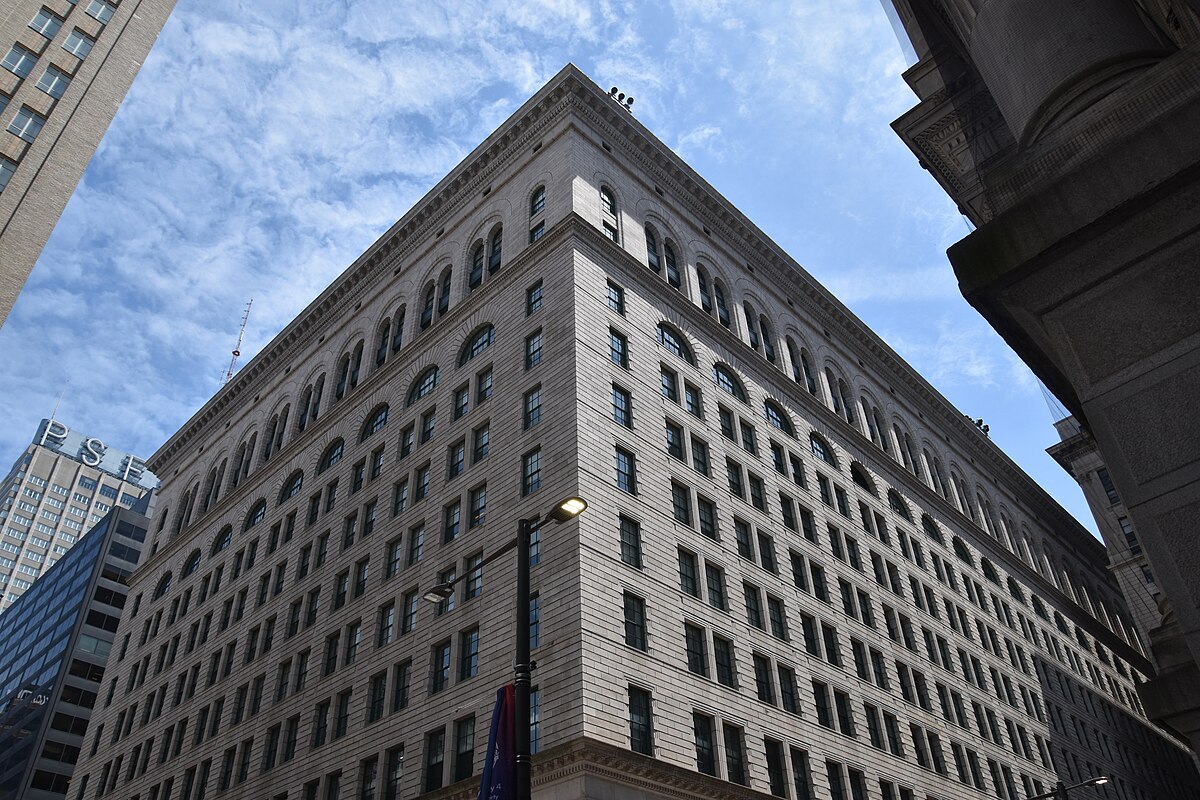
Wanamaker Building
Beaux-ArtsExplore This City
Philadelphia Architecture Guide
Explore 39 buildings across 21 styles →