Philadelphia City Hall
-
Second Empire 90%
-
Beaux-Arts 85%
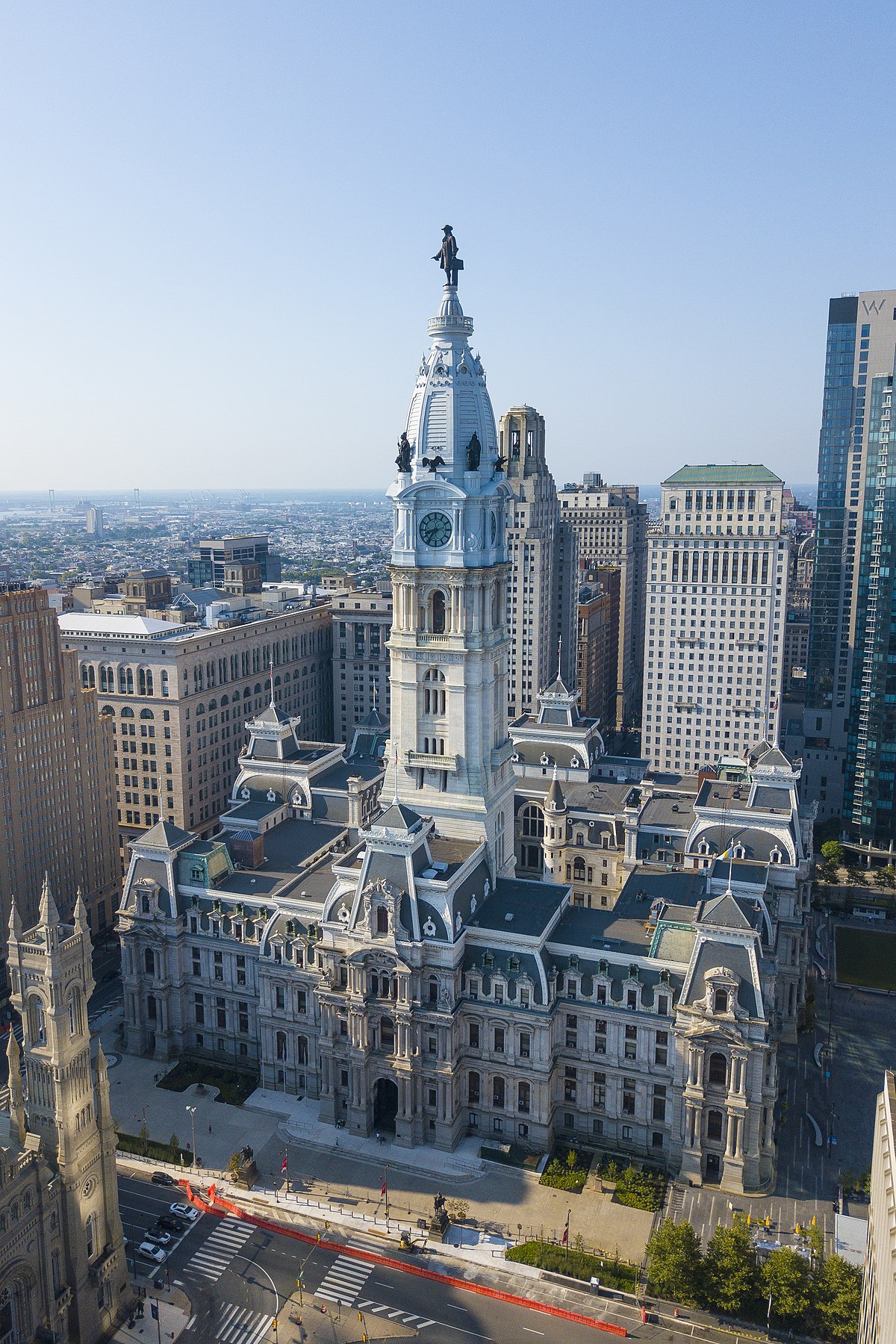
Philadelphia City Hall is a monumental structure that serves as the seat of government for the city of Philadelphia. Its architectural significance lies in its extravagant use of the Second Empire style, which is characterized by grandeur and intricate detailing.
Architectural Styles
Second Empire
90%The Second Empire style is evident in Philadelphia City Hall through its dramatic rooflines, mansard roofs, and grandiose facades adorned with elaborate sculptural details. The building's height and ornate clock tower showcase the opulence and ambition of urban architecture during the late 19th century.
- Mansard roof
- Elaborate cornices
- Sculptural details
- Grand clock tower
- Symmetrical façade
Beaux-Arts
85%The influence of the Beaux-Arts style is reflected in the building's emphasis on classical forms, grandeur in scale, and attention to symmetry. The use of decorative elements such as columns and pilasters enhances the formal aesthetic typical of Beaux-Arts architecture.
- Columned porticos
- Symmetrical layout
- Rich ornamental detail
- Stone carvings
- Grand staircases
Notable Features
- Height of 548 feet
- Statue of Philadelphia atop the tower
- Elaborate stone carvings
- Large interior rotunda
- Clock face visible from multiple angles
Historical Context
Completed in 1901, Philadelphia City Hall was built to symbolize the power and growth of the city during a period of urban expansion and modernization. It stands as an important example of civic architecture, embodying the aspirations of the time and serving as a centerpiece of Philadelphia's government and culture.
Fun Facts
- It was the tallest habitable building in the world until the completion of the Woolworth Building in New York City.
- The statue of Philadelphia atop the tower is 37 feet tall.
- The building underwent significant renovations in the late 20th century to restore its original features.
Frequently Asked Questions
What architectural style is Philadelphia City Hall?
Philadelphia City Hall is primarily Second Empire architecture (90% confidence), with elements of Beaux-Arts. The Second Empire style is evident in Philadelphia City Hall through its dramatic rooflines, mansard roofs, and grandiose facades adorned with elaborate sculptural details. The building's height and ornate clock tower showcase the opulence and ambition of urban architecture during the late 19th century.
When was Philadelphia City Hall built?
Philadelphia City Hall dates from 1901.
Who designed Philadelphia City Hall?
Philadelphia City Hall was designed by John McArthur Jr..
Where is Philadelphia City Hall located?
Philadelphia City Hall is located at 1 Penn Square, Philadelphia, PA 19107.
What are the notable features of Philadelphia City Hall?
Notable features include height of 548 feet, statue of philadelphia atop the tower, elaborate stone carvings, large interior rotunda, and clock face visible from multiple angles.
Similar Style Buildings

Dagelijkse Groenmarkt 33, Den Haag
Victorian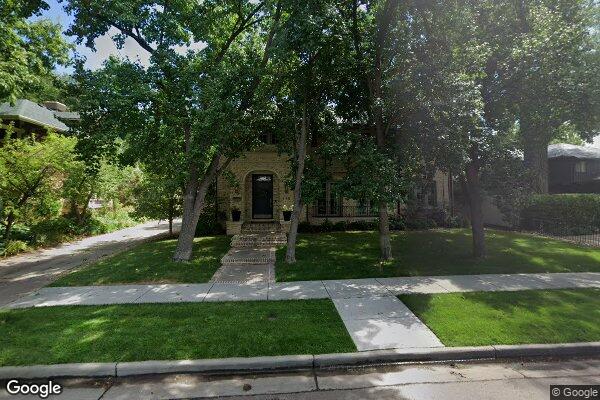
Residential Building
Victorian
Den Haag, The Netherlands
Victorian
1338 N Marion St, Denver, CO 80218
Victorian
Koningsplein 43, 2518 JH Den Haag
Victorian
Regentesseplein 220A, 2562 EZ Den Haag
Victorian
Kortenaerkade 11, 2518 AX Den Haag
Victorian
N/A
Tudor RevivalNearby Buildings
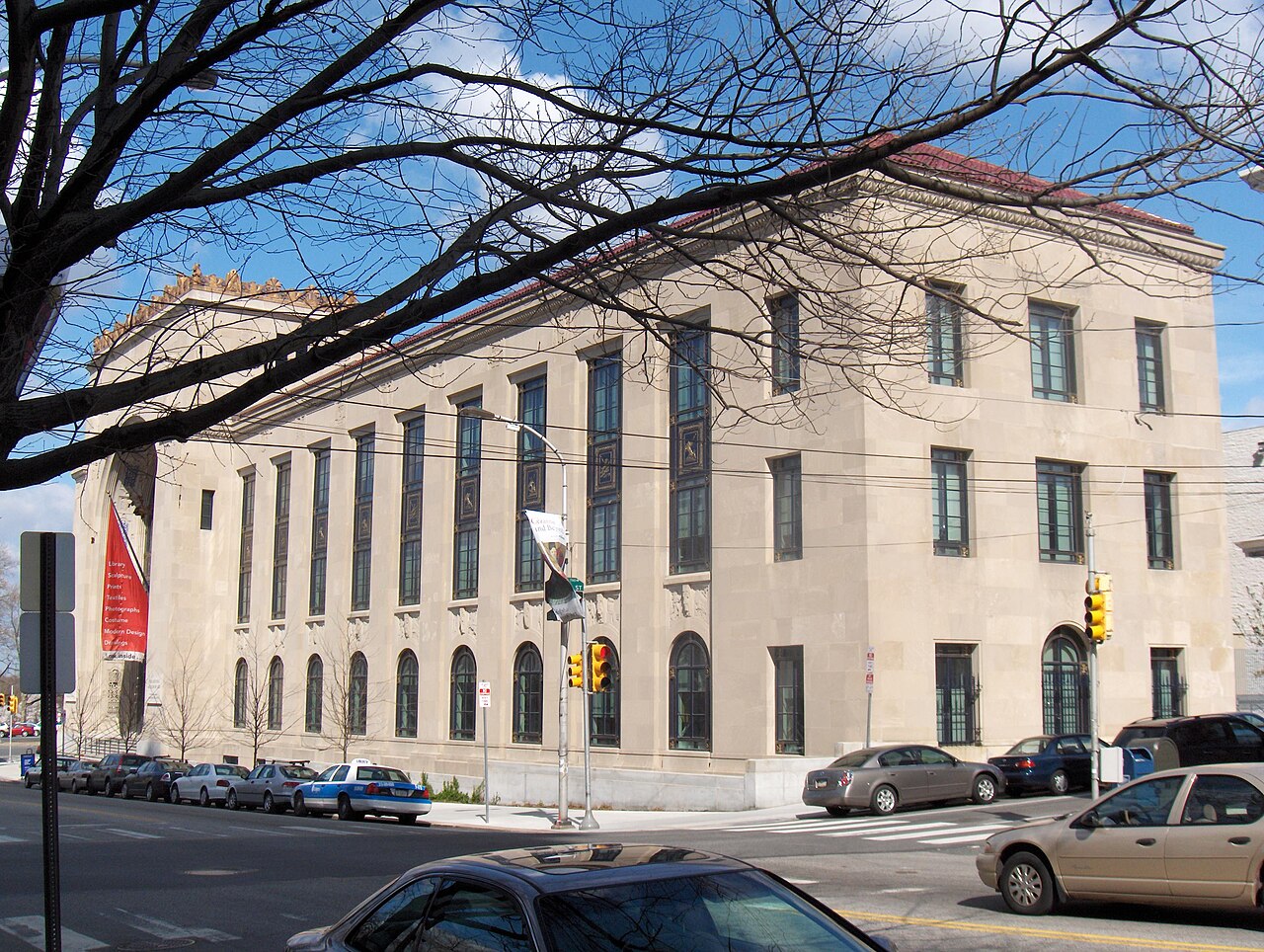
Philadelphia Museum of Art
Art Deco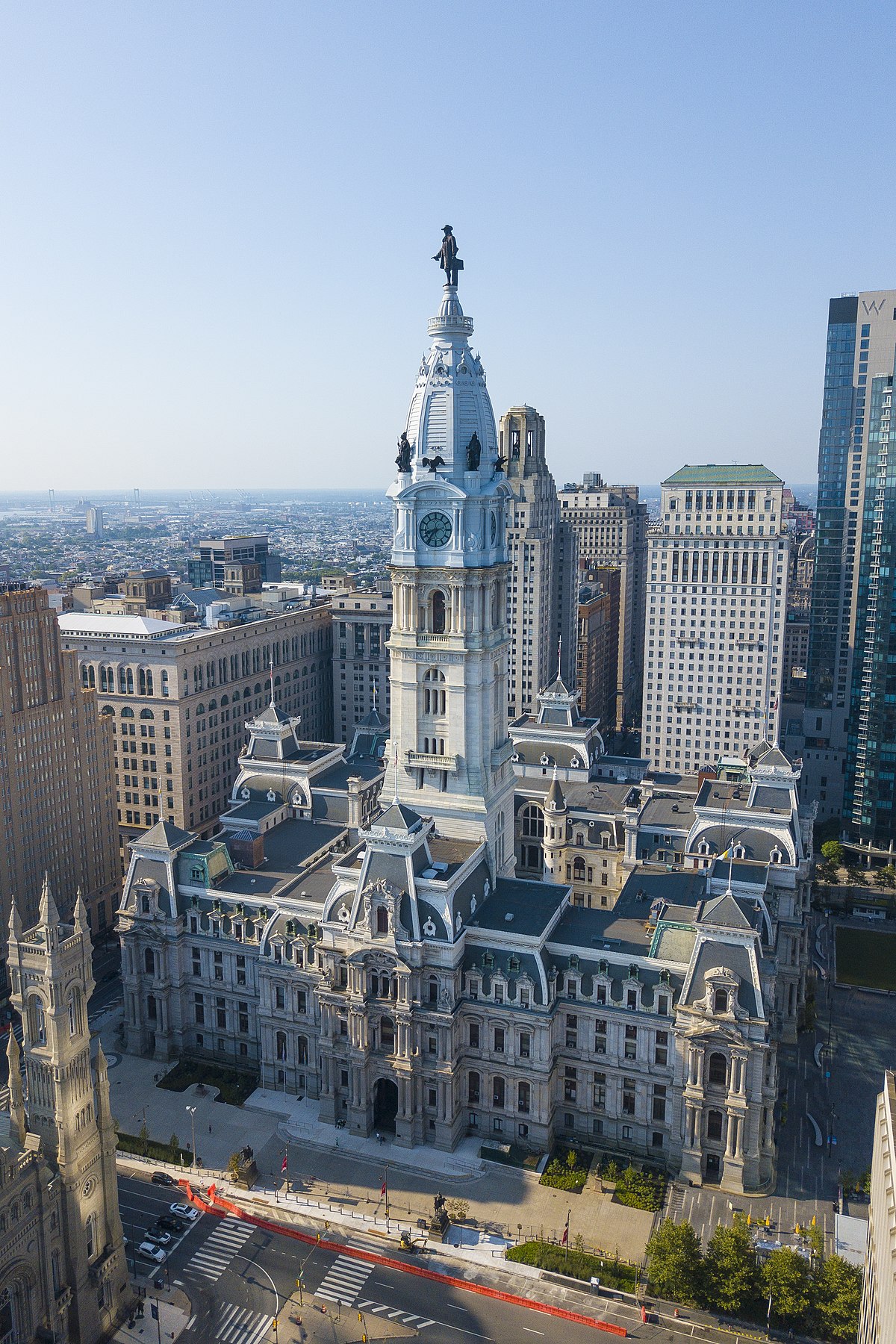
Philadelphia City Hall
Victorian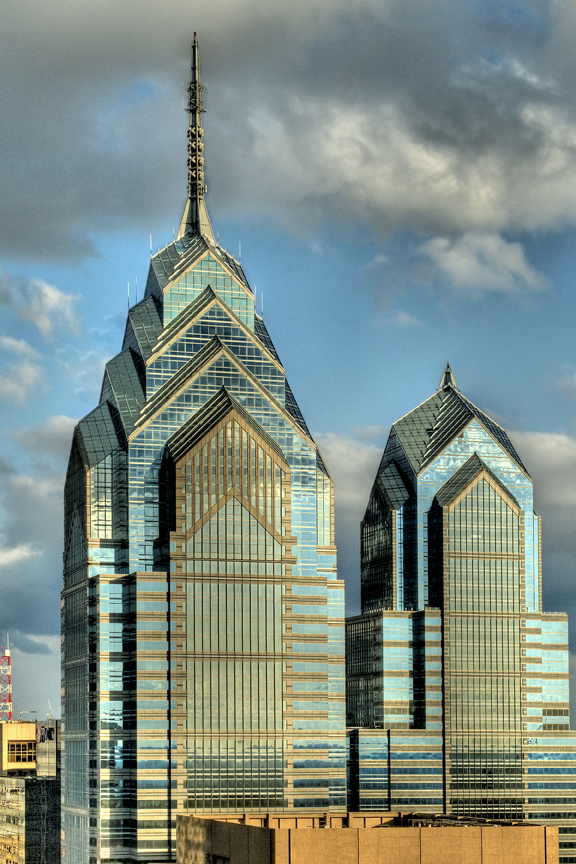
One Liberty Place
Modernism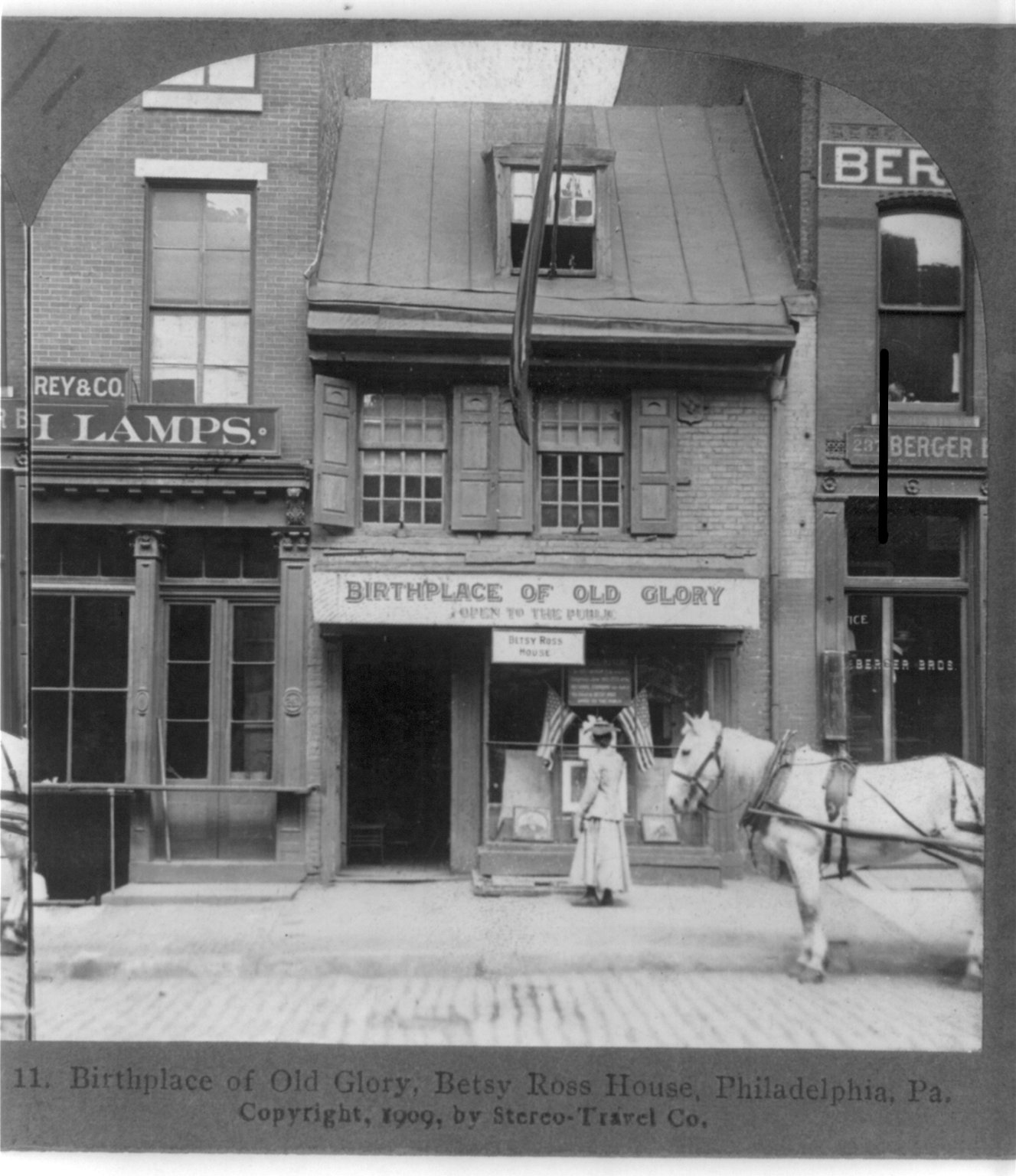
Betsy Ross House
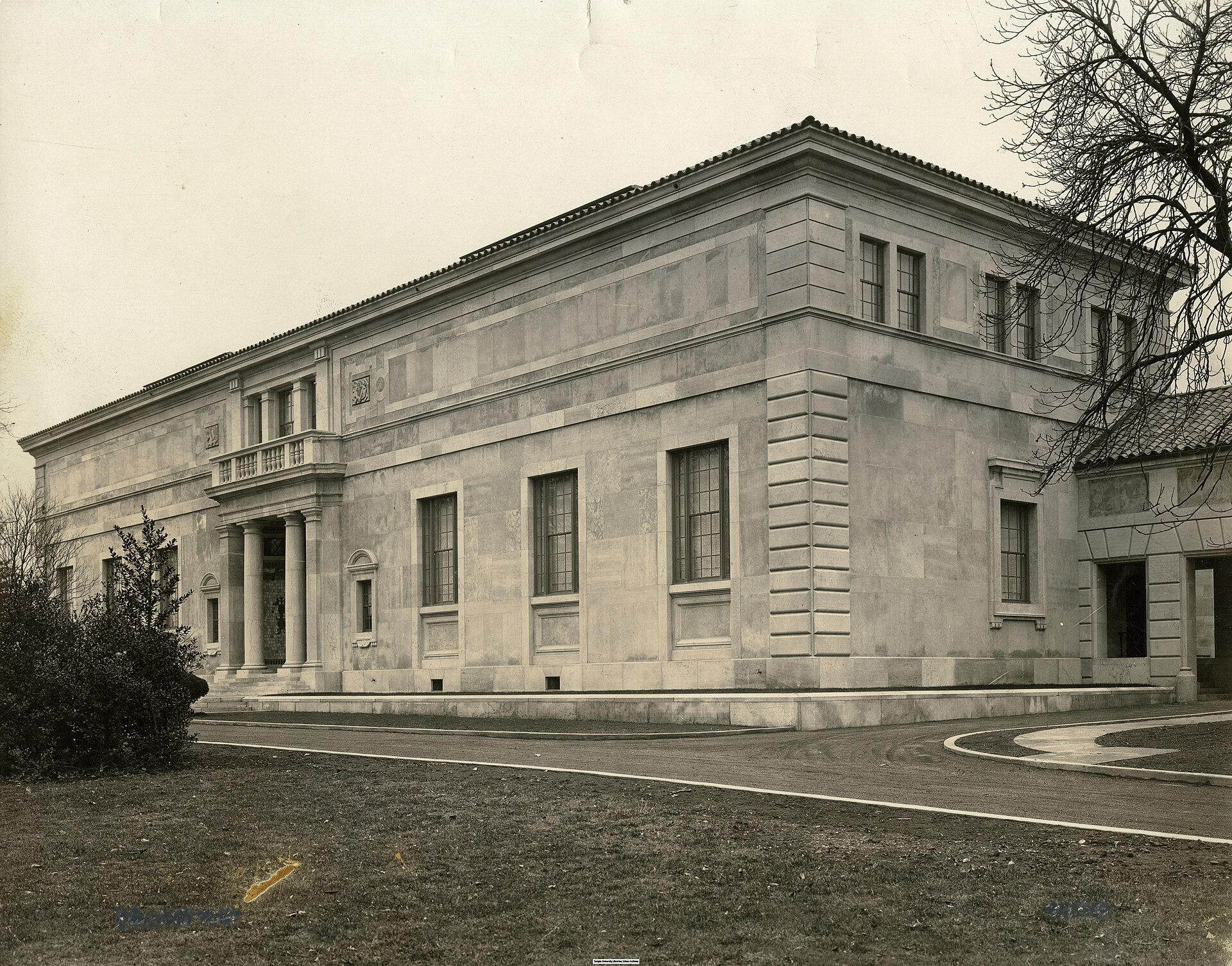
Barnes Foundation
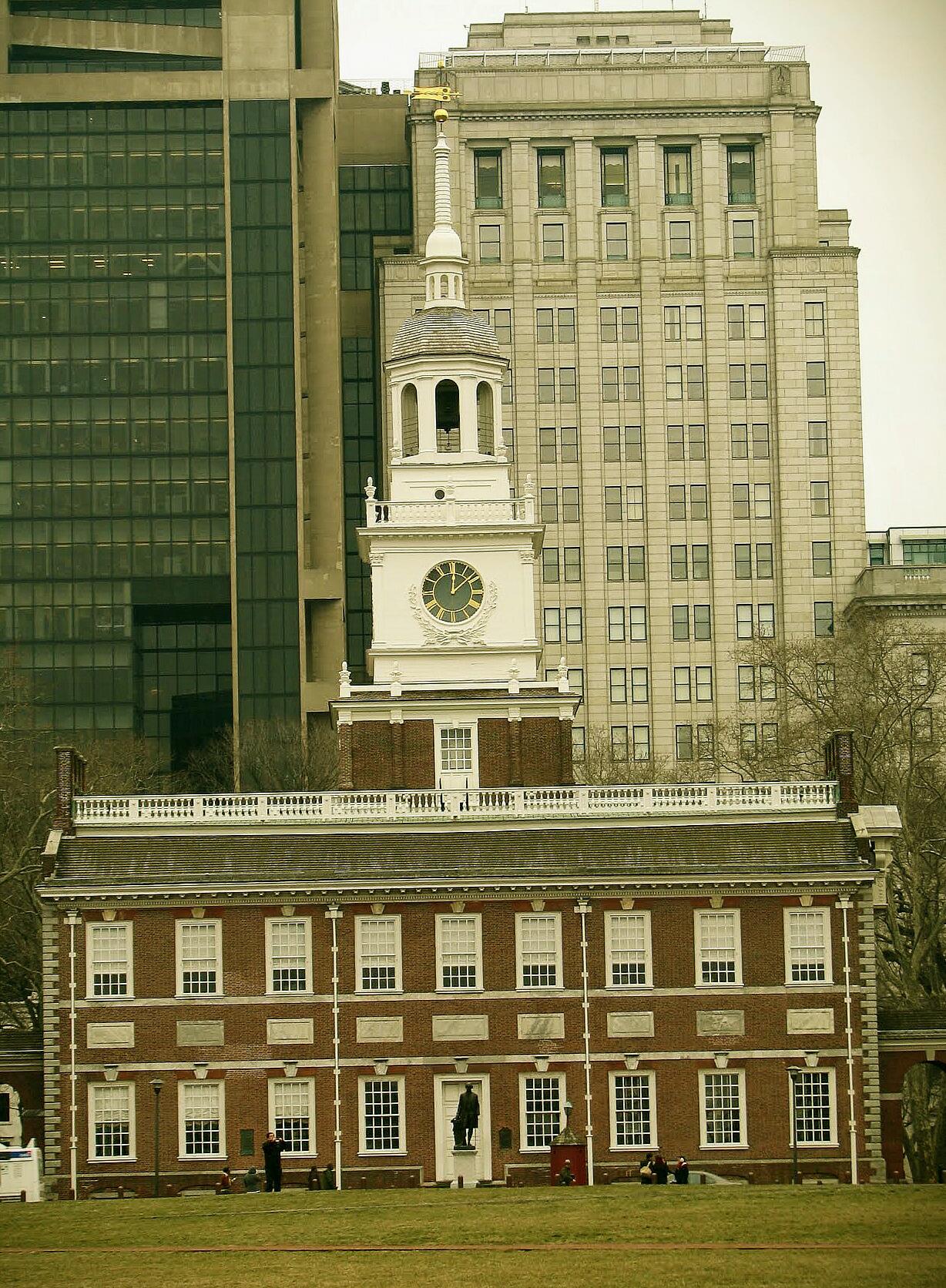
Independence Hall
Colonial Revival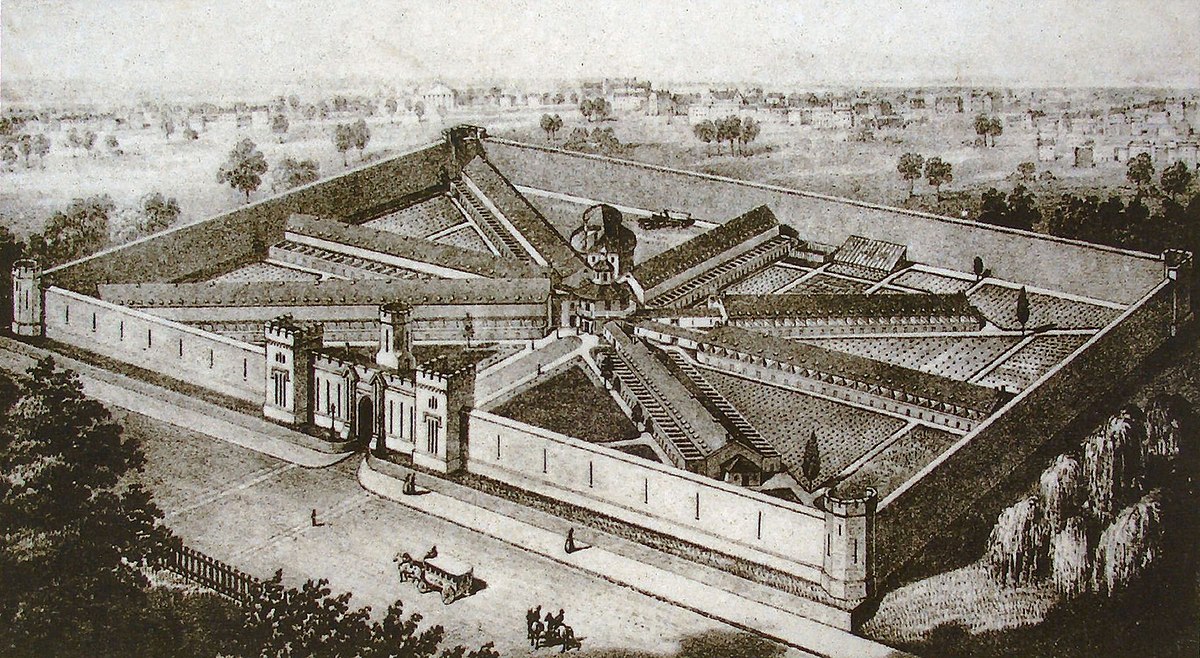
Eastern State Penitentiary
Victorian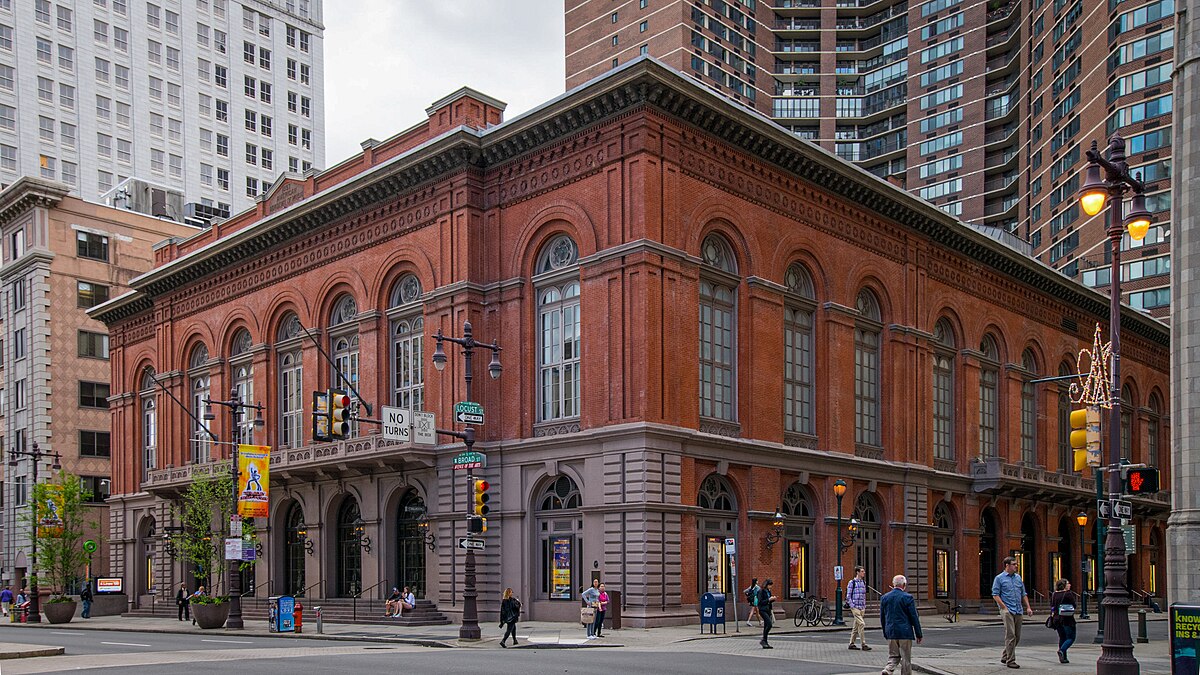
Academy of Music
ItalianateExplore This City
Philadelphia Architecture Guide
Explore 39 buildings across 21 styles →