Municipal Building, Philadelphia
-
Beaux-Arts 90%
-
Classical Revival 75%
-
Modern Movement 60%
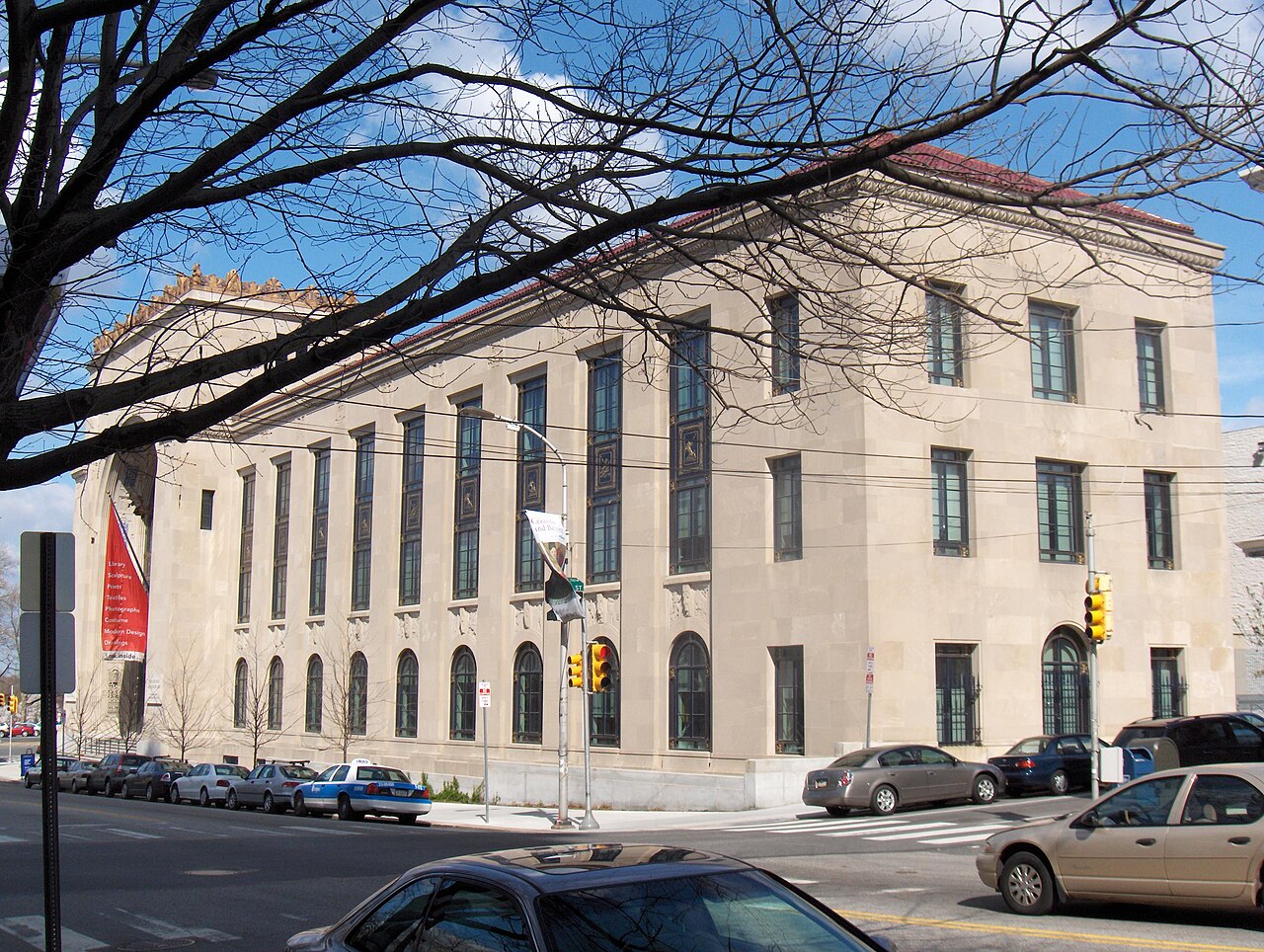
The Municipal Building is a significant example of Beaux-Arts architecture in urban civic design. It showcases an elaborate façade and a symmetrical design, reflecting the grandeur often associated with government buildings from this period.
Architectural Styles
Beaux-Arts
90%The Beaux-Arts style is evident in the building's grandiose scale and elaborate detailing. Features such as arched windows, decorative moldings, and a harmonious blend of classical elements give it a timeless quality.
- Symmetrical façade
- Arched windows
- Elaborate cornices
- Decorative sculptures
- Stone cladding
Classical Revival
75%This style is represented through the use of classical orders and motifs, including columns and pilasters, which give the building an air of authority and permanence.
- Column-like features
- Pilasters
- Engaged columns
- Friezes
- Geometric patterns
Modern Movement
60%Elements of the Modern Movement are subtly integrated, particularly in the functionalist approach and the use of modern materials, alongside traditional aesthetics.
- Clean lines
- Functional design
- Use of new materials
- Simple forms
- Open spaces
Notable Features
- Elaborate entrance portico
- Decorative carvings on the façade
- Historic murals inside
- Large public spaces
- Prominent location near city center
Historical Context
Completed in 1930, the Municipal Building was part of a broader trend in the early 20th century towards monumental civic architecture that aimed to inspire trust in government. This building reflects the aspirations and confidence of its era, serving as a community hub since its inception.
Fun Facts
- Initially designed to house various city offices.
- The building's design was influenced by the Parisian Beaux-Arts style.
- It features a distinctive red-tiled roof, a rarity in civic architecture.
Frequently Asked Questions
What architectural style is Municipal Building?
Municipal Building is primarily Beaux-Arts architecture (90% confidence), with elements of Classical Revival and Modern Movement. The Beaux-Arts style is evident in the building's grandiose scale and elaborate detailing. Features such as arched windows, decorative moldings, and a harmonious blend of classical elements give it a timeless quality.
When was Municipal Building built?
Municipal Building dates from 1930.
Who designed Municipal Building?
Municipal Building was designed by Warren & Wetmore.
Where is Municipal Building located?
Municipal Building is located at 2600 Benjamin Franklin Pkwy, Philadelphia, PA 19130.
What are the notable features of Municipal Building?
Notable features include elaborate entrance portico, decorative carvings on the façade, historic murals inside, large public spaces, and prominent location near city center.
Similar Style Buildings

N/A
Modernism
N/A
Postmodernism
AI
Art Deco
N/A
Gothic
N/A
Modernism
N/A
Beaux-Arts
N/A
Colonial Revival
N/A
NeoclassicalNearby Buildings
Philadelphia Museum of Art
Art Deco
Philadelphia City Hall
Victorian
One Liberty Place
Modernism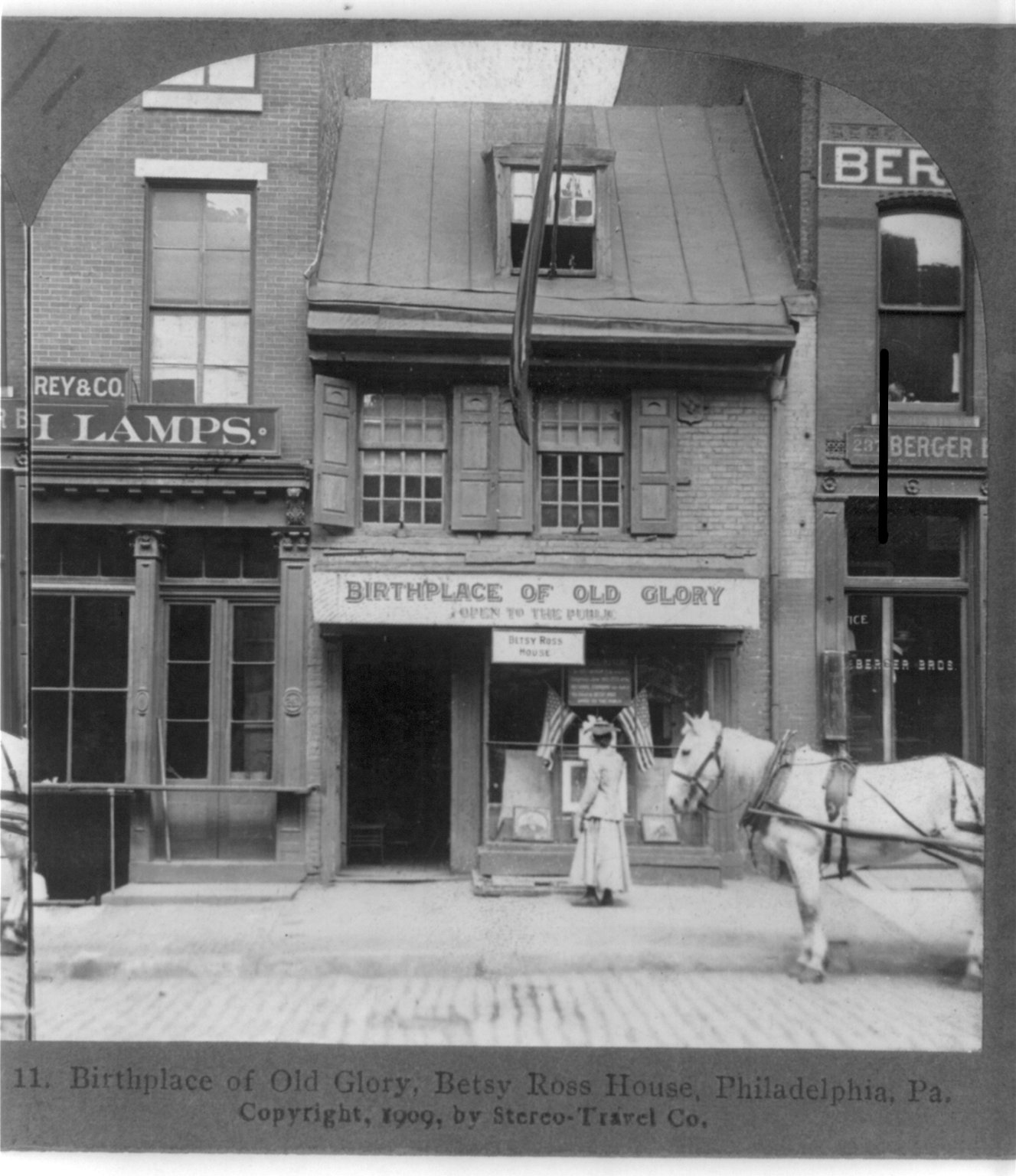
Betsy Ross House
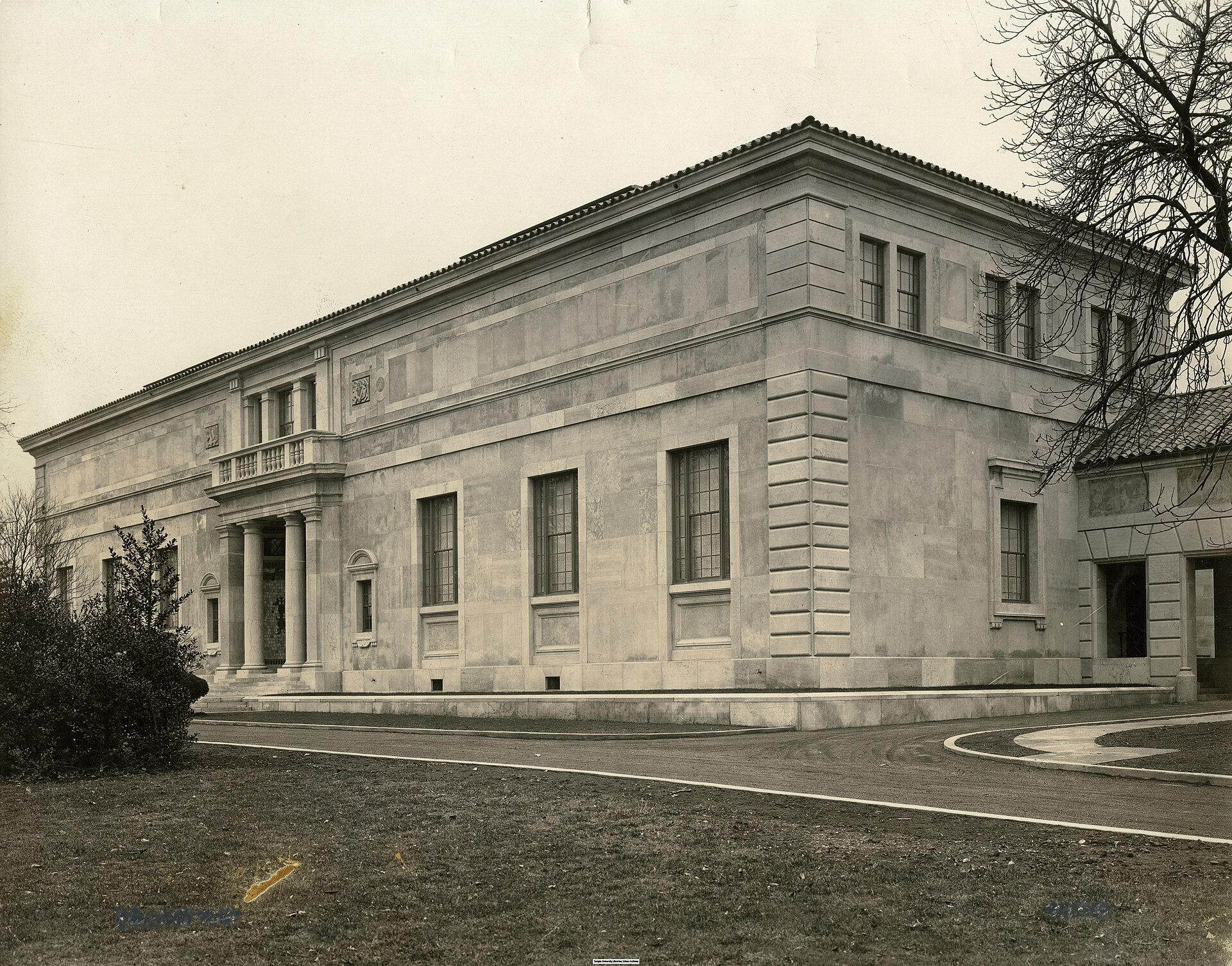
Barnes Foundation
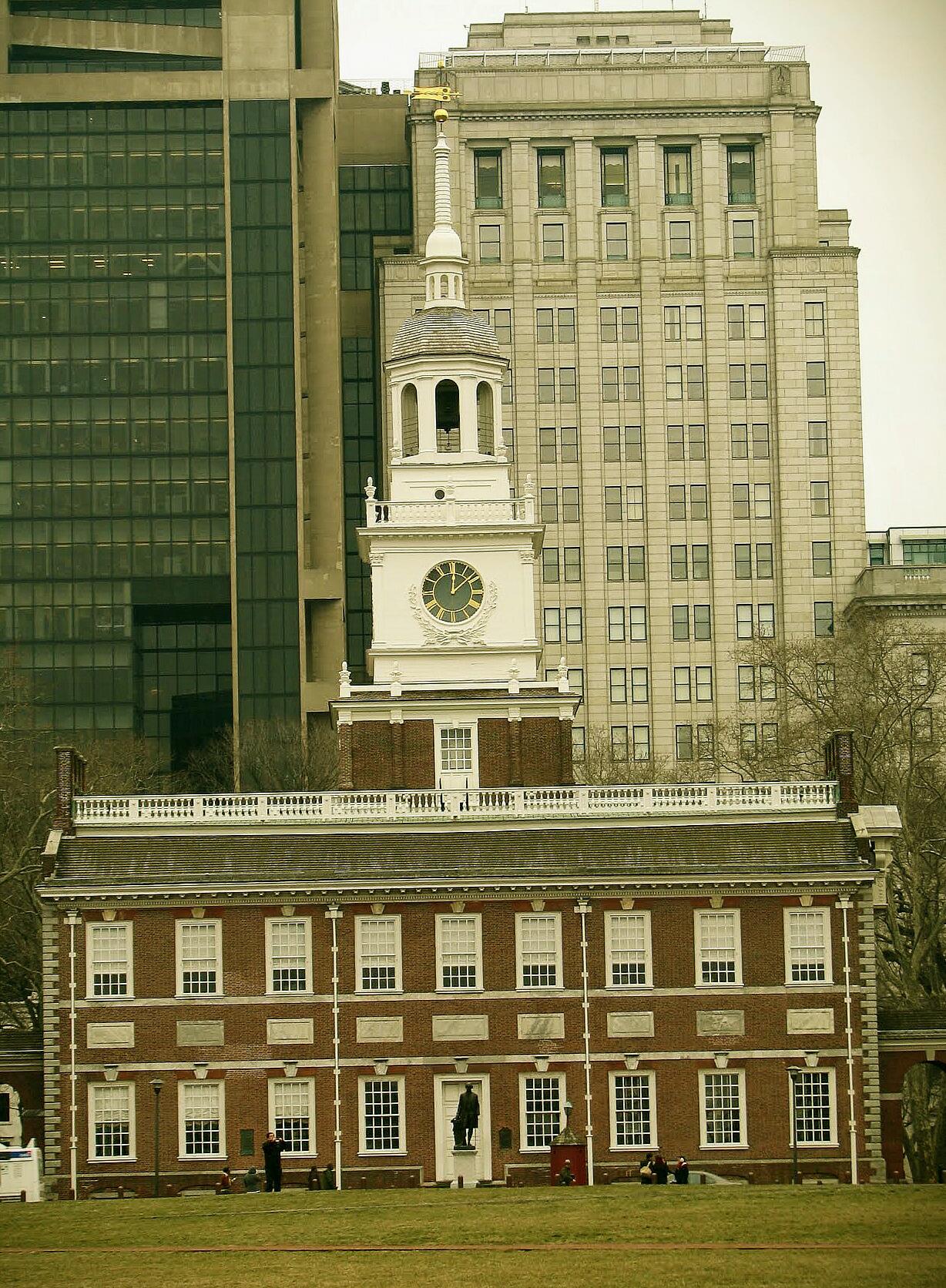
Independence Hall
Colonial Revival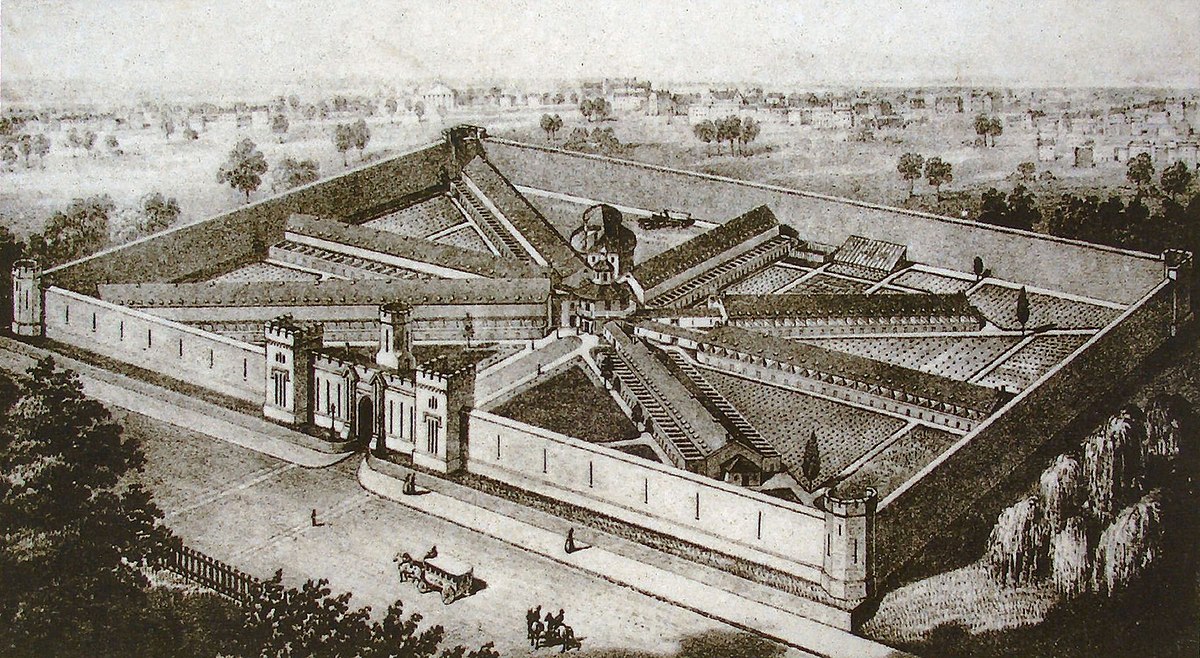
Eastern State Penitentiary
Victorian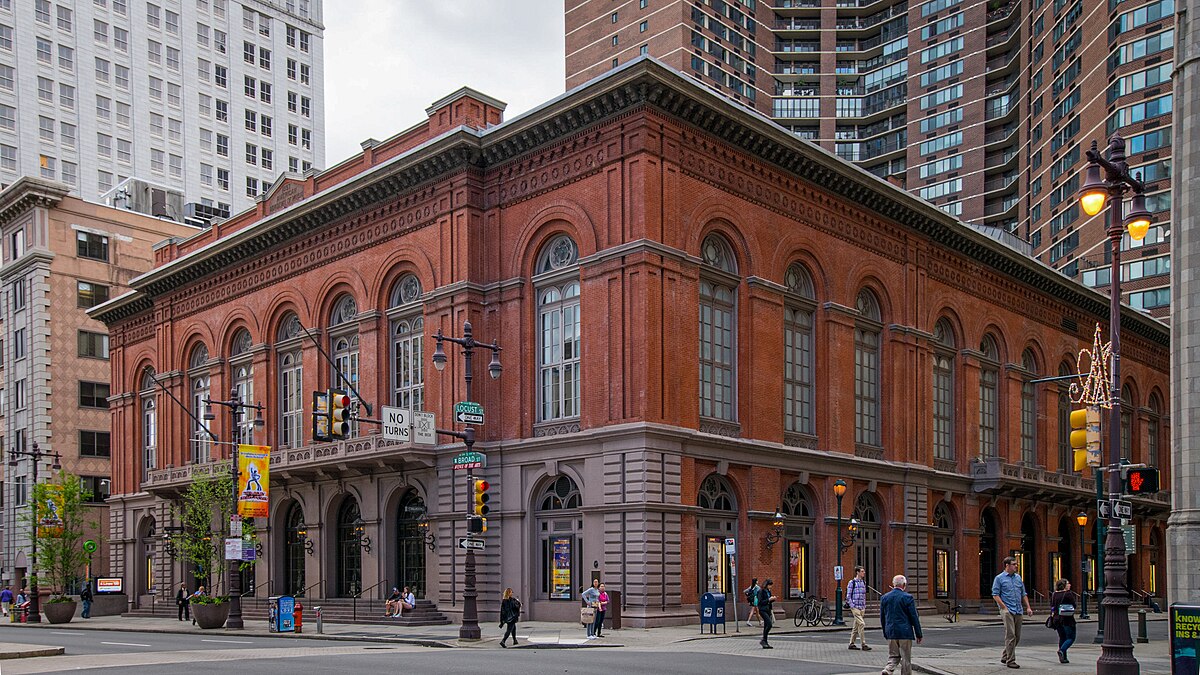
Academy of Music
ItalianateExplore This City
Philadelphia Architecture Guide
Explore 39 buildings across 21 styles →