Art Deco Architecture in New Orleans
Explore 4 art deco buildings that shape New Orleans's architectural identity
The Art Deco movement emerged in the 1920s and 1930s, a period marked by economic growth and cultural change. In New Orleans, the unique blend of local traditions and modern influences manifested in this architectural style, which is characterized by its geometric shapes, bold colors, and decorative motifs. The city's Art Deco buildings often reflect the optimism of the era, showcasing innovative materials such as aluminum and glass.
One notable example of Art Deco architecture in New Orleans is 1111 Canal St. This building stands as an iconic representation of the style, featuring a striking façade adorned with intricate geometric patterns. The use of streamlined forms and bold vertical lines highlights the architectural advancements of the time, making it a standout on Canal Street, a thoroughfare known for its historical significance.
Another prominent structure is 1 Collins C Diboll Circle, which illustrates the influence of Art Deco in public spaces. The building's design incorporates smooth surfaces and symmetrical shapes, creating an inviting atmosphere that complements the surrounding landscape. This location serves as a focal point for community gatherings and events, further emphasizing the style's connection to social progress.
2726 Constance St adds to the diversity of New Orleans' Art Deco offerings, showcasing the style's adaptability to residential architecture. The building features stylized motifs and a distinctive roofline that enhance its visual appeal. This residential example highlights how Art Deco elements have been integrated into the city's neighborhoods, making it accessible to a broader audience.
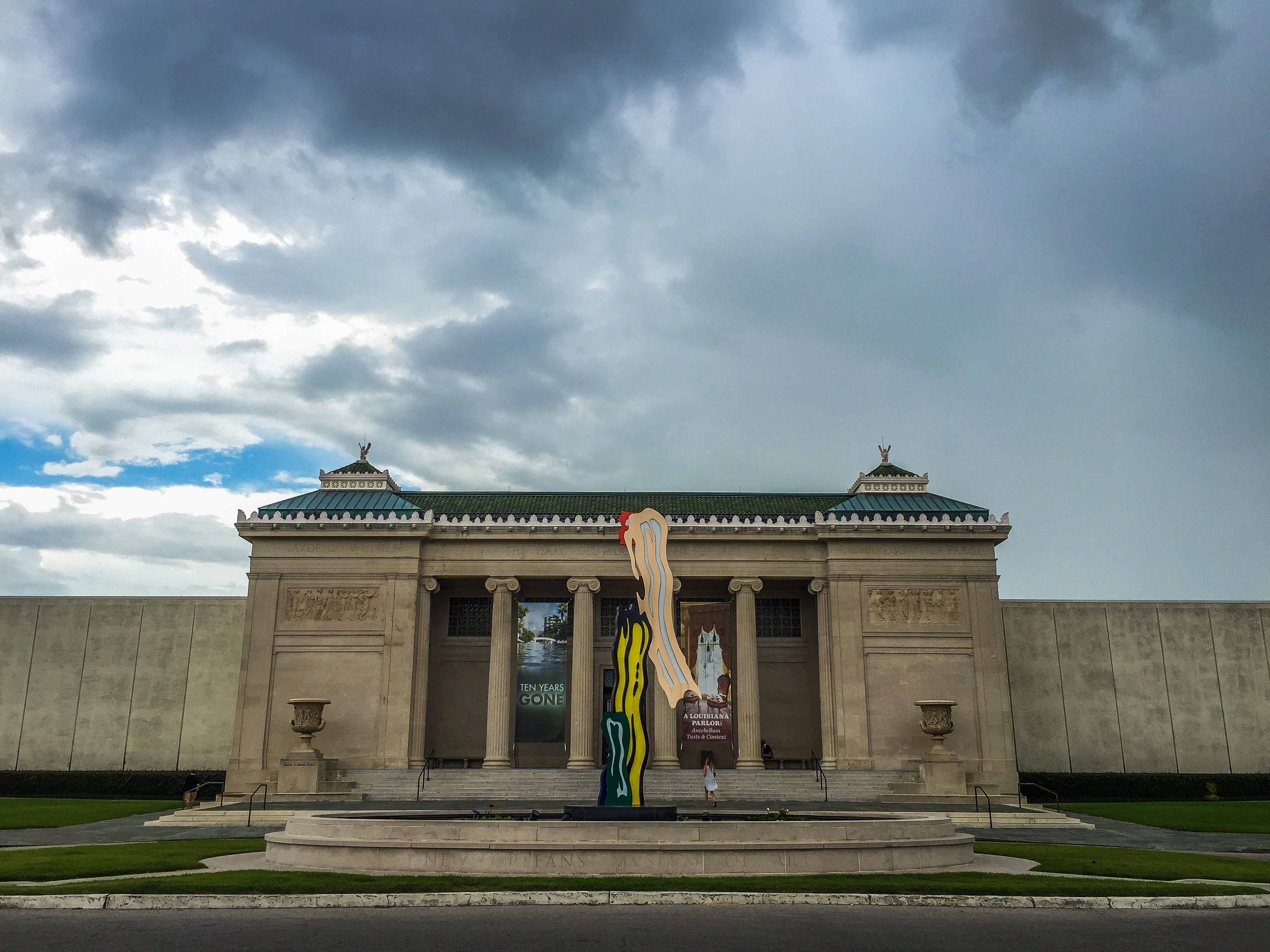
1 Collins C Diboll Circle, New Orleans, LA
1 Collins C Diboll Circle, New Orleans, LA
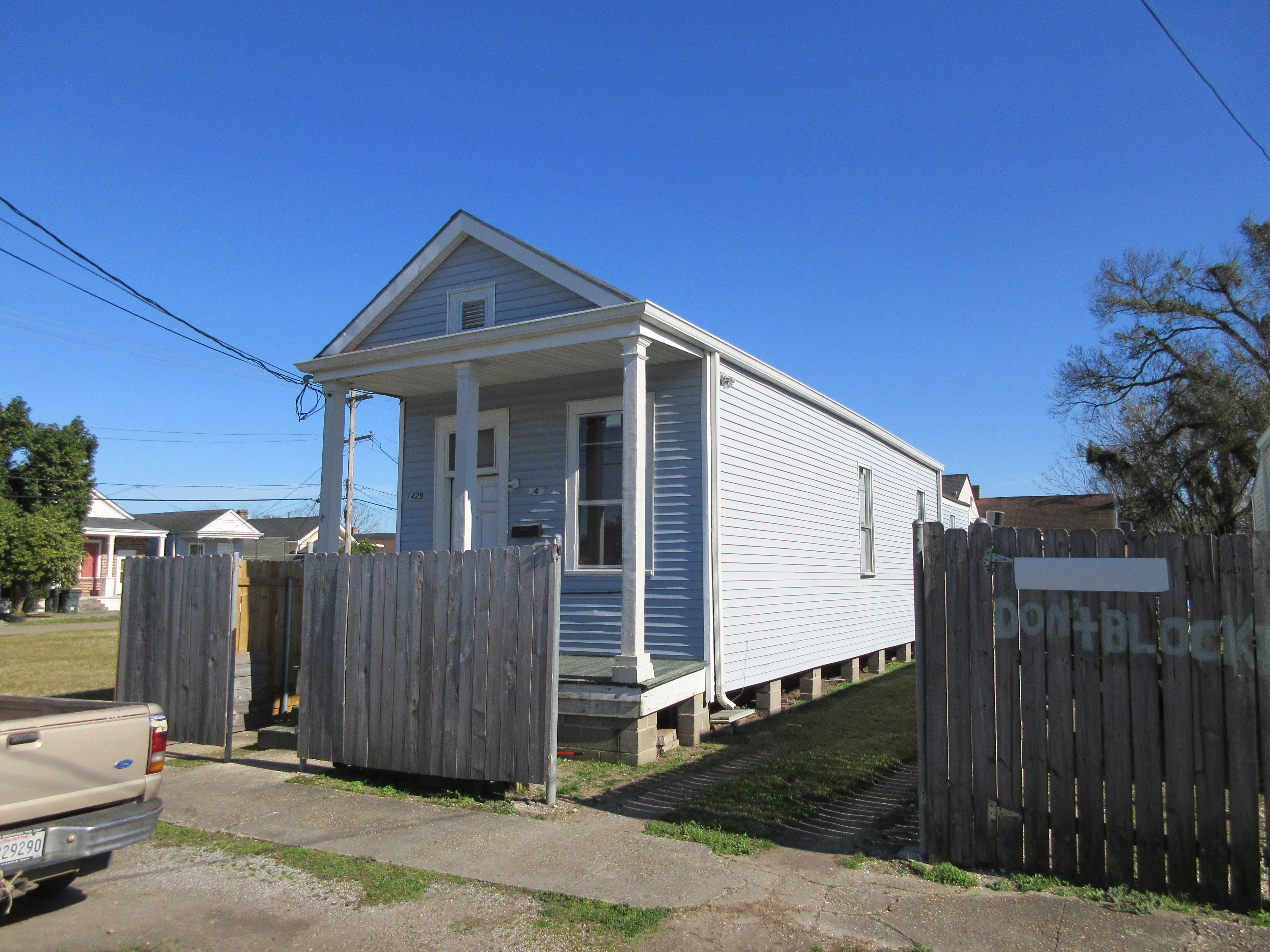
2726 Constance St, New Orleans, LA
2726 Constance St, New Orleans, LA
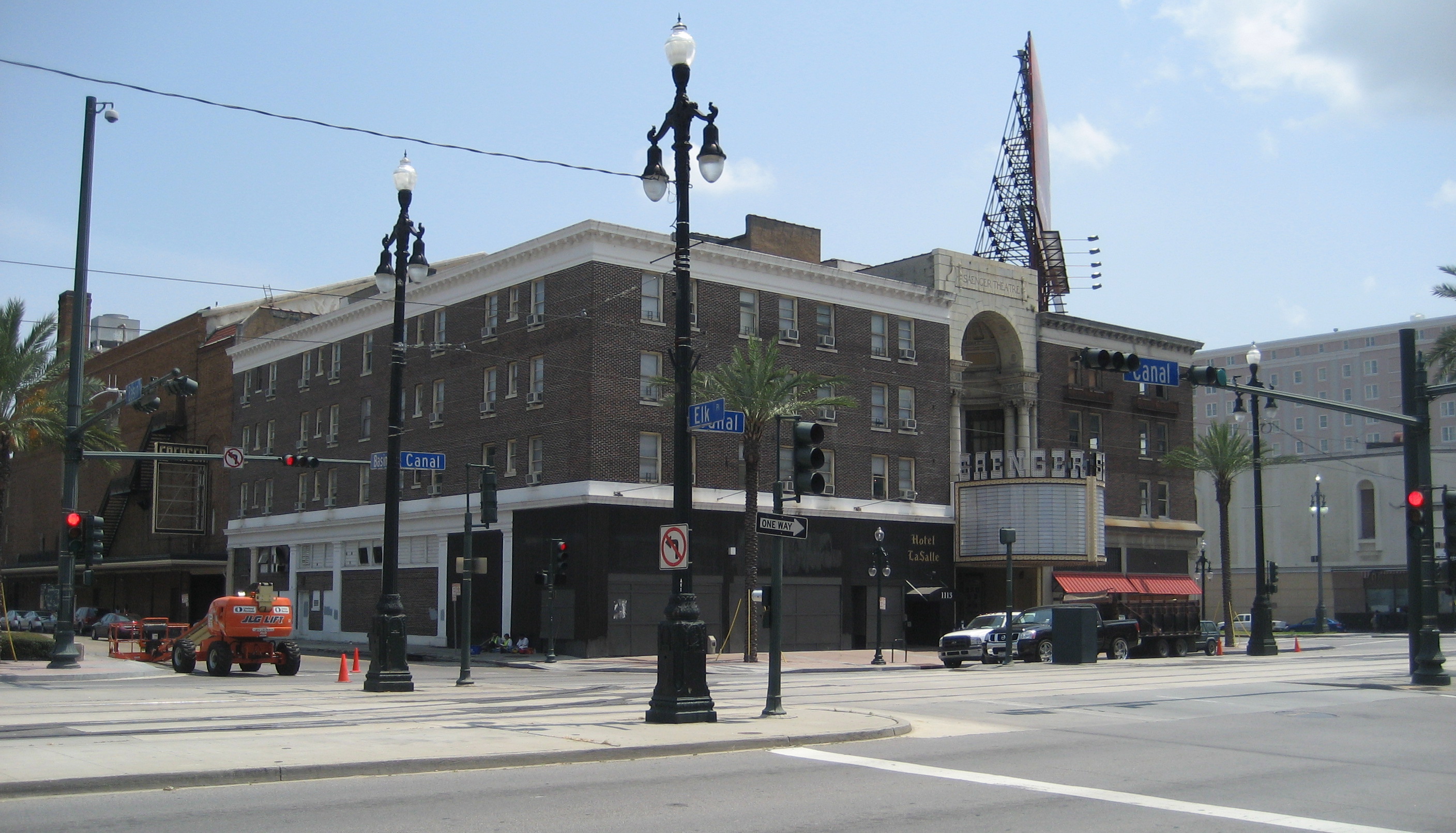
1111 Canal St, New Orleans, LA
1111 Canal St, New Orleans, LA
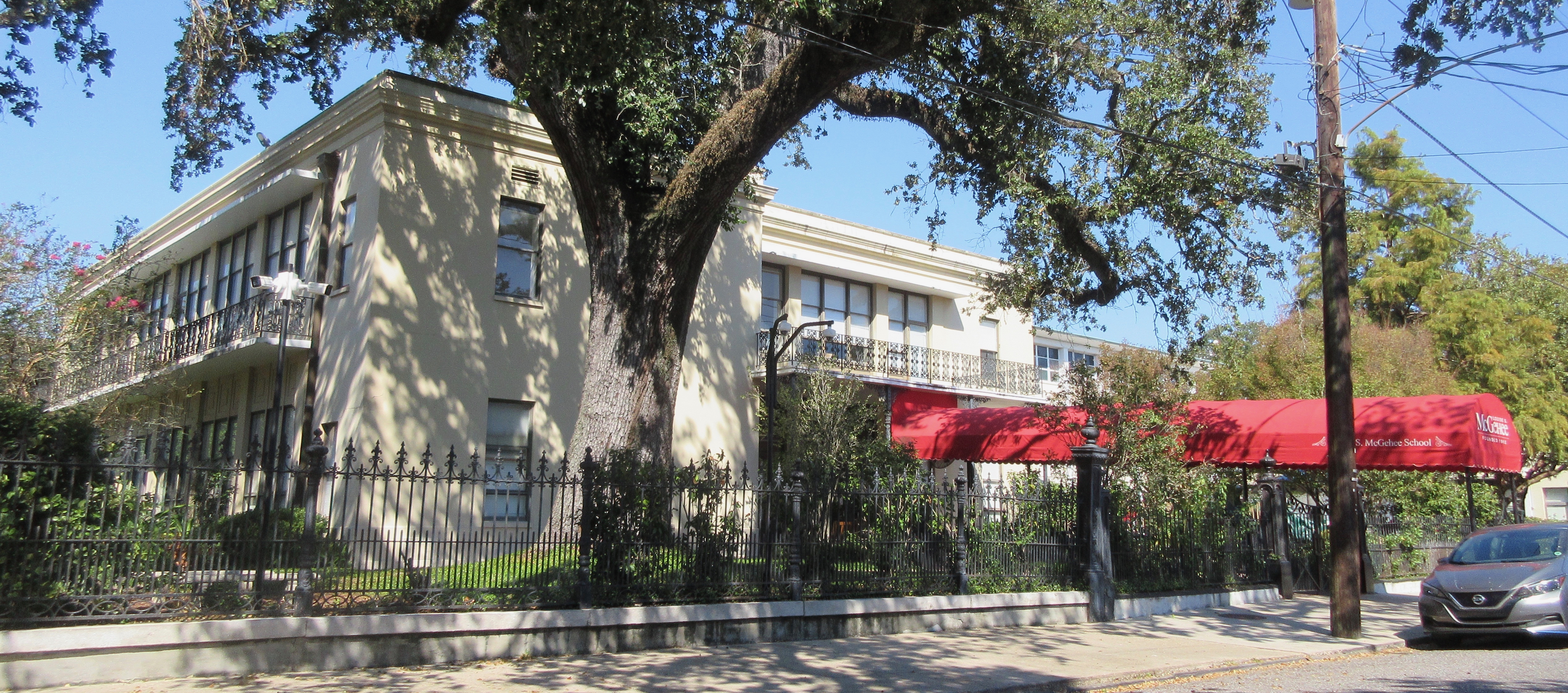
2343 Prytania St, New Orleans, LA
2343 Prytania St, New Orleans, LA
Art Deco in New Orleans: Common Questions
Where can I see Art Deco architecture in New Orleans?
You can find notable examples of Art Deco architecture along Canal Street, as well as in neighborhoods such as the Garden District and Uptown. Buildings like 1111 Canal St and 2726 Constance St showcase the style's distinct characteristics.
When were the Art Deco buildings in New Orleans built?
Most Art Deco buildings in New Orleans were constructed during the 1920s and 1930s, a time when the city experienced economic growth and cultural shifts. For example, 1 Collins C Diboll Circle is a well-known structure from this era.
What should I look for in Art Deco buildings?
When observing Art Deco buildings, look for geometric shapes, bold colors, and decorative details like zigzags and chevrons. Each building has unique features; for instance, 1111 Canal St has intricate patterns that emphasize its verticality.
How does New Orleans' Art Deco compare to other cities?
New Orleans' Art Deco style is distinct due to its integration with local cultural elements and historical context. While cities like Miami also feature this style prominently, New Orleans buildings like 2343 Prytania St incorporate local materials and motifs.
Can I visit these Art Deco buildings?
Many Art Deco buildings in New Orleans are accessible to the public. For example, 1111 Canal St has commercial spaces that welcome visitors. However, some may be private residences or offices, so checking in advance is advisable.