Art Deco Architecture in Sydney
Explore 3 art deco buildings that shape Sydney's architectural identity
Art Deco architecture emerged in Sydney during the interwar period, reflecting a time of economic growth and cultural change. The style, characterized by its streamlined forms and geometric shapes, aligned with Sydney's aspirations for modernity as it expanded and transformed. The local economy was buoyed by the post-World War I recovery, which fueled construction projects, resulting in buildings that embraced this new aesthetic.
Among the notable examples of Art Deco in Sydney is the Sydney Harbour Bridge. This iconic structure connects the Central Business District (CBD) to the North Shore and features the distinctive geometric shapes and sweeping lines that define the Art Deco movement. The bridge represents not only an engineering marvel but also a symbol of innovation and progress during its construction in the 1930s.
The Capitol Theatre, located in Haymarket, showcases the style through its interior design, where streamlined shapes and intricate decorative features come together. Originally opened in the 1920s, the theatre has maintained its Art Deco charm, making it a significant cultural landmark in Sydney's entertainment district. Visitors can appreciate the meticulous attention to detail that exemplifies this architectural style.
Another important example is the ANZAC War Memorial in Hyde Park South, which reflects the Art Deco style through its bold geometric forms and stylized motifs. Built as a tribute to Australian soldiers, the memorial combines somber purpose with artistic elegance, embodying the spirit of the era while serving as a reminder of the sacrifices made during wartime.
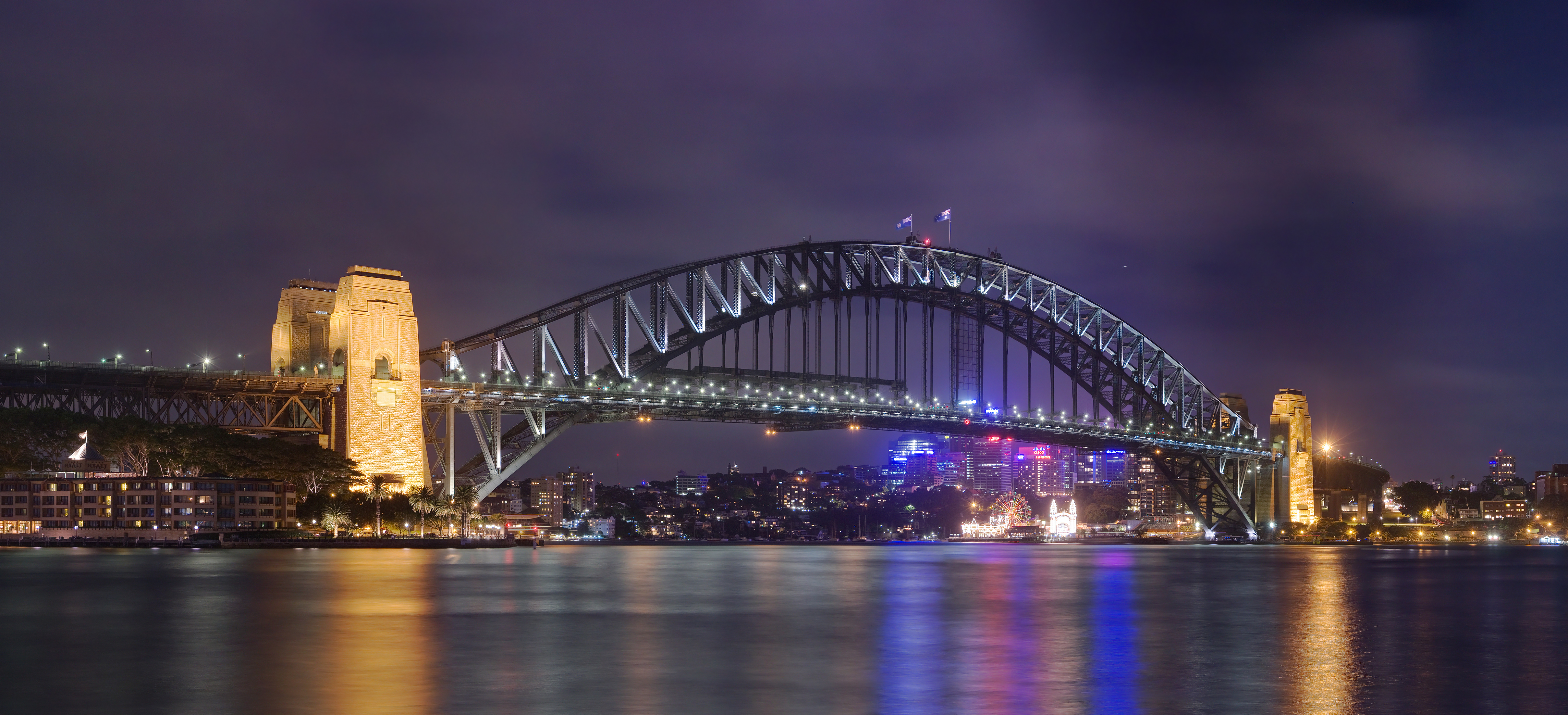
Sydney Harbour Bridge
Sydney Harbour, connecting CBD to North Shore, Sydney NSW, Australia
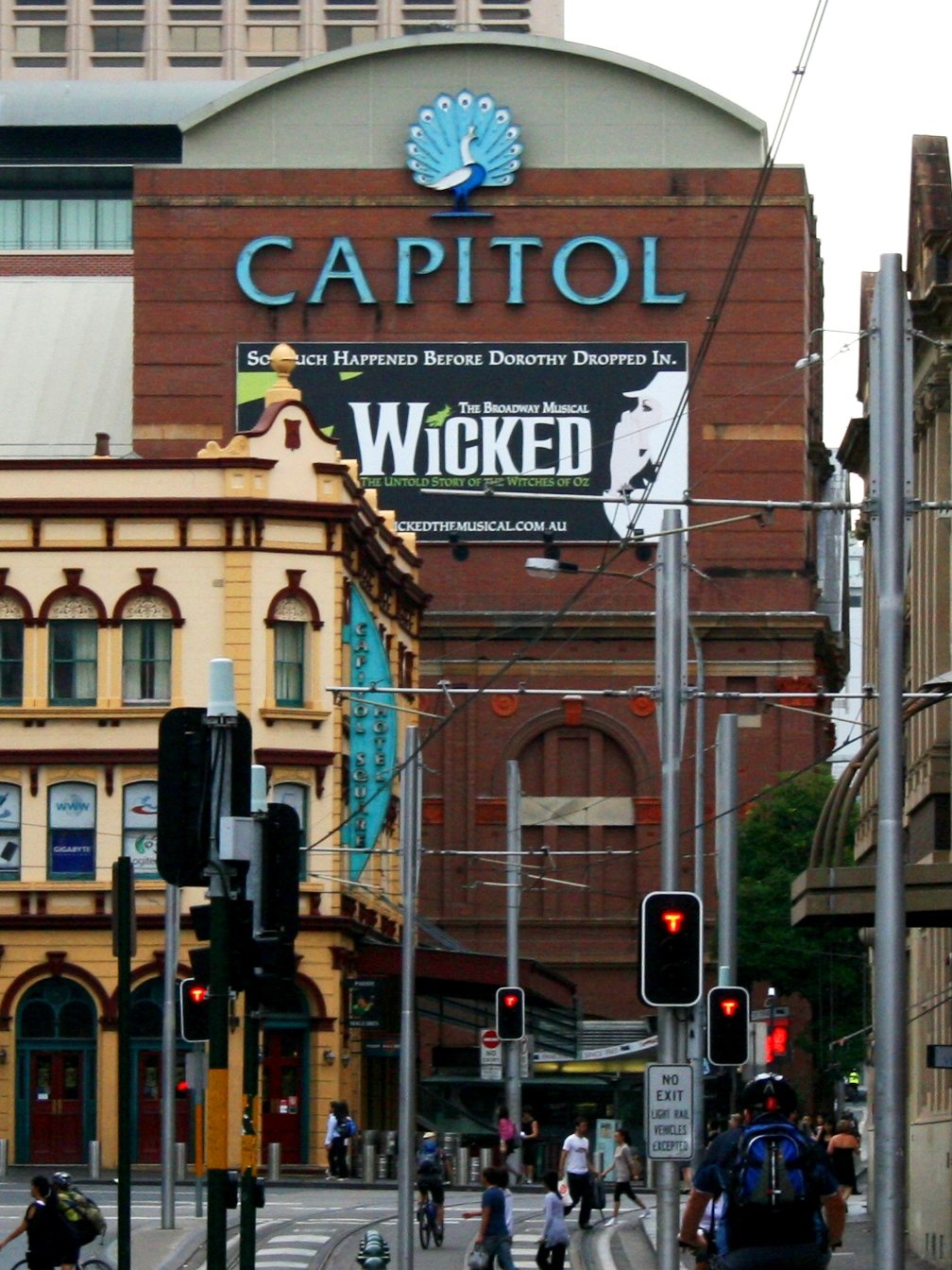
Capitol Theatre
13 Campbell St, Haymarket NSW 2000, Australia
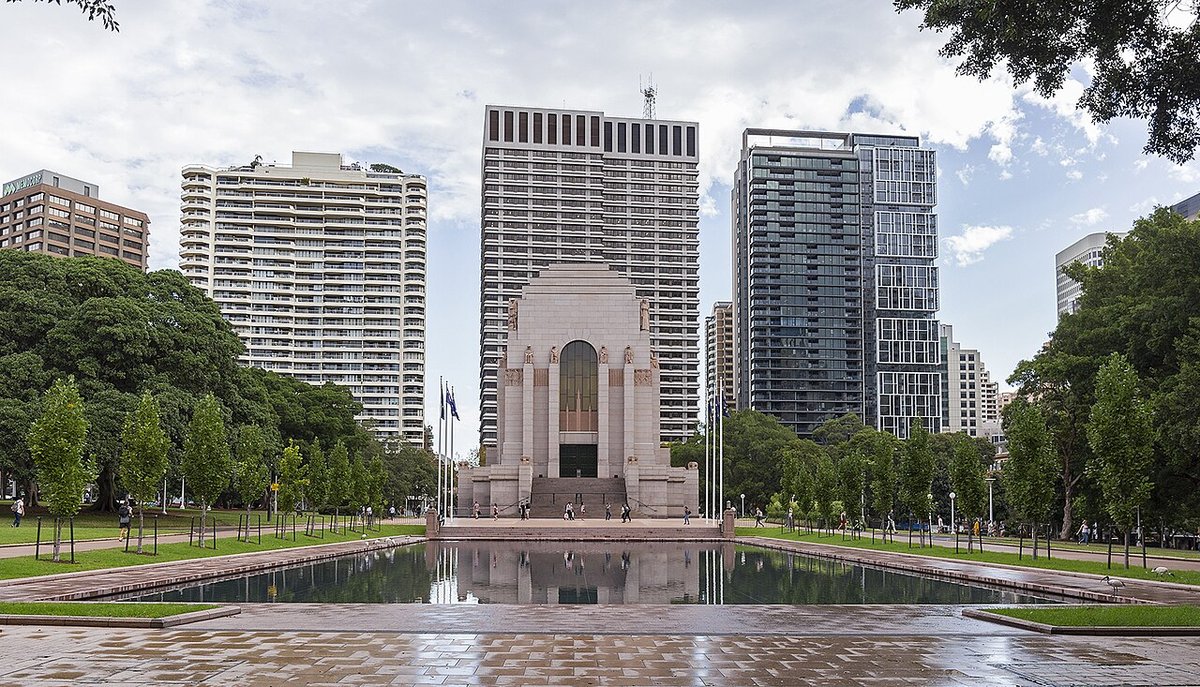
ANZAC War Memorial
Hyde Park South, Liverpool St, Sydney NSW 2000, Australia
Art Deco in Sydney: Common Questions
Where can I see Art Deco architecture in Sydney?
Key locations to see Art Deco architecture include the Sydney Harbour Bridge, Capitol Theatre in Haymarket, and the ANZAC War Memorial in Hyde Park. These sites showcase the distinctive geometric shapes and decorative elements that characterize the style.
When was Art Deco architecture popular in Sydney?
Art Deco architecture gained popularity in Sydney during the 1920s and 1930s, coinciding with a period of economic growth and cultural transformation following World War I.
What should I look for in Art Deco buildings?
When exploring Art Deco buildings, look for streamlined forms, geometric shapes, and decorative motifs. Interior features often include ornate detailing and stylized elements, as seen in the Capitol Theatre.
How does Sydney's Art Deco compare to other cities?
Sydney's Art Deco architecture shares similarities with other cities, emphasizing geometric shapes and modern materials. However, local interpretations often incorporate unique Australian elements, reflecting the city's cultural context.
Can the Art Deco buildings be visited?
Yes, the Sydney Harbour Bridge is open to the public and offers tours. The Capitol Theatre hosts performances and allows visitors to explore its interior, while the ANZAC War Memorial is accessible for public remembrance and appreciation.