Beaux-Arts Architecture in Melbourne
Explore 9 beaux-arts buildings that shape Melbourne's architectural identity
The Beaux-Arts architectural style found its way to Melbourne during a period of economic growth and cultural aspiration in the late 19th and early 20th centuries. Influenced by the grand civic buildings of Europe, Melbourne embraced this style as a means to reflect its burgeoning identity. The flourishing economy, spurred by the Victorian gold rush, allowed for the construction of monumental structures that embodied both civic pride and artistic ambition.
Notable examples of this style can be seen in the Flinders Street Station, which features a dramatic façade adorned with intricate ornamentation and a prominent dome. Its symmetrical design and grandeur serve as a focal point in the city, illustrating the Beaux-Arts emphasis on visual harmony. Similarly, the Royal Exhibition Building showcases the style's characteristic grandeur and elaborate detailing, enhanced by its integration of sculpture into the architecture, making it a prominent landmark in Carlton.
The State Library of Victoria stands out with its classical Greek and Roman elements, presenting a symmetrical façade that reflects the ideals of the Beaux-Arts movement. The use of local materials, such as bluestone and brick, gives Melbourne's Beaux-Arts buildings a distinctive character that resonates with the city's unique identity. Concentrated mainly along streets such as Collins and Swanston, these structures contribute to Melbourne's architectural narrative.
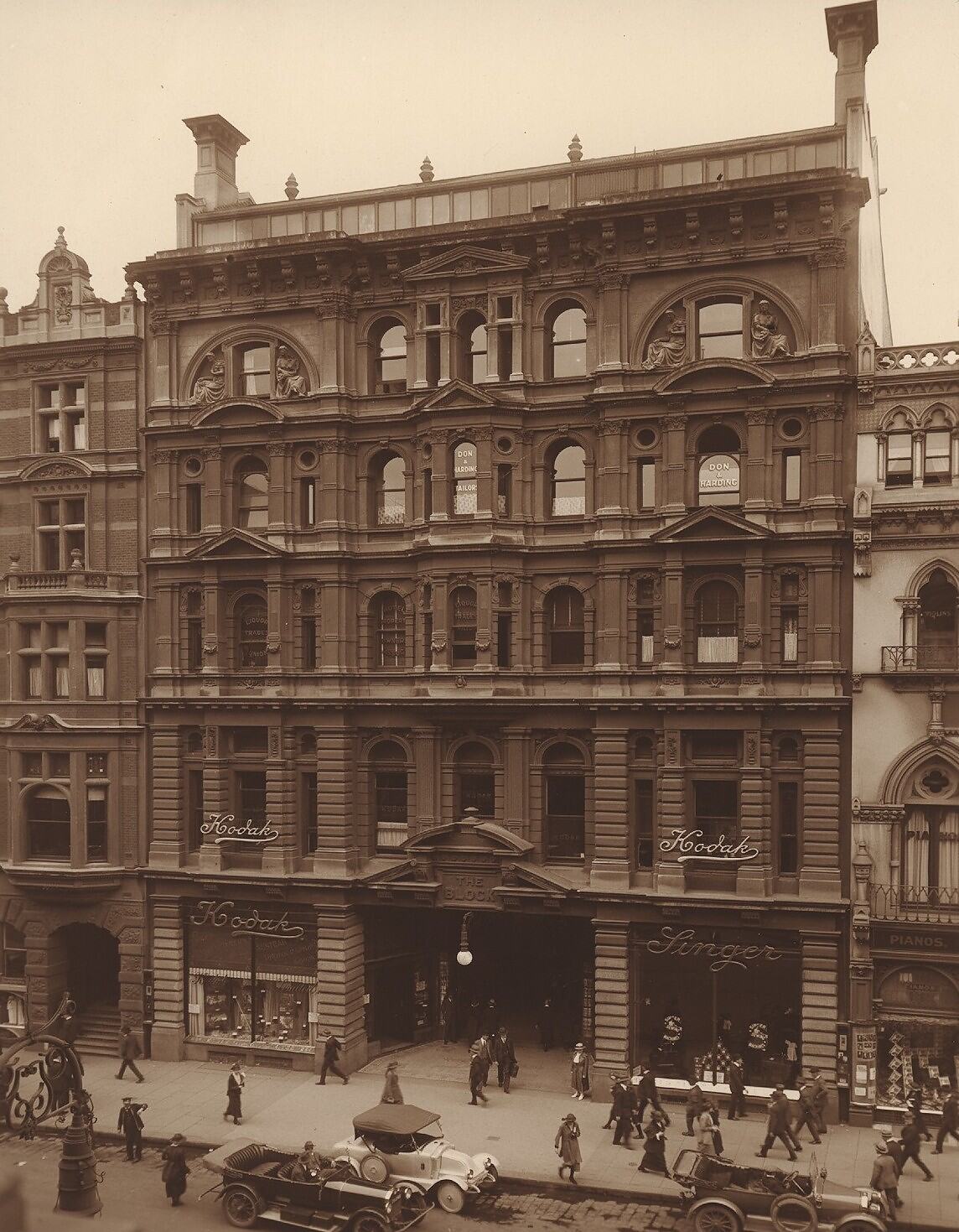
Block Arcade
282 Collins Street, Melbourne, VIC 3000
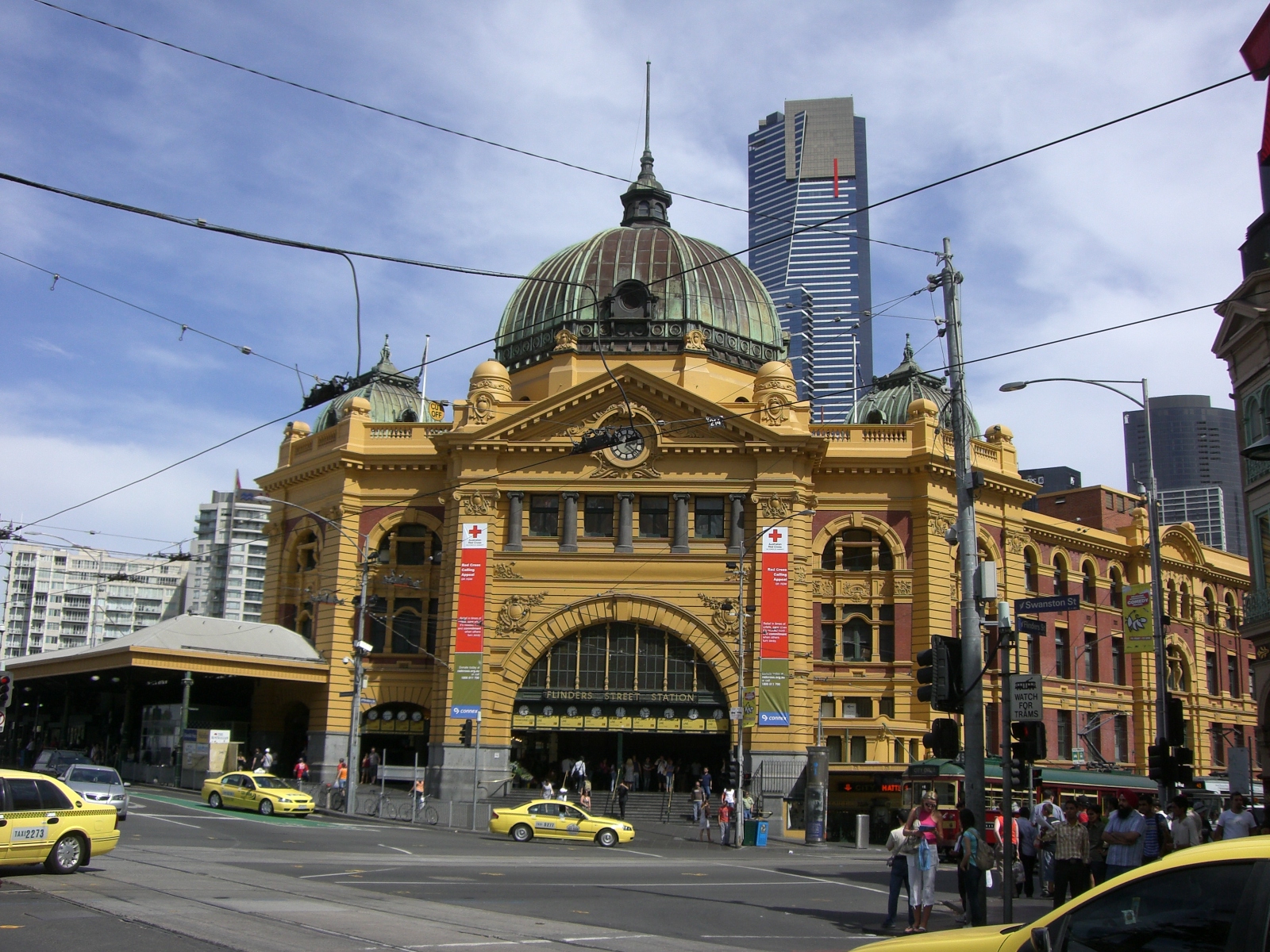
Flinders Street Station
Corner Flinders & Swanston Streets, Melbourne, VIC 3000
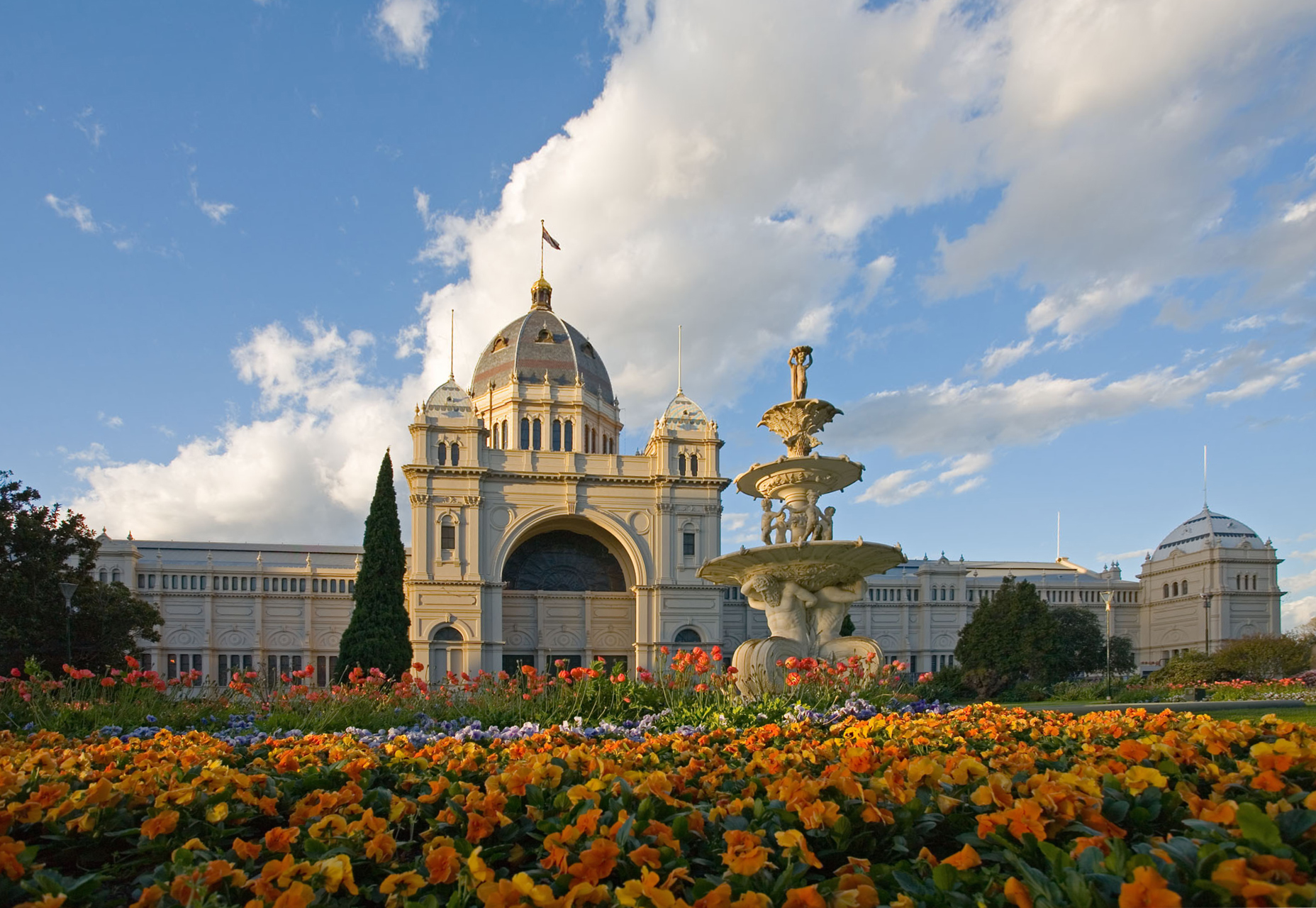
Royal Exhibition Building
9 Nicholson Street, Carlton, VIC 3053
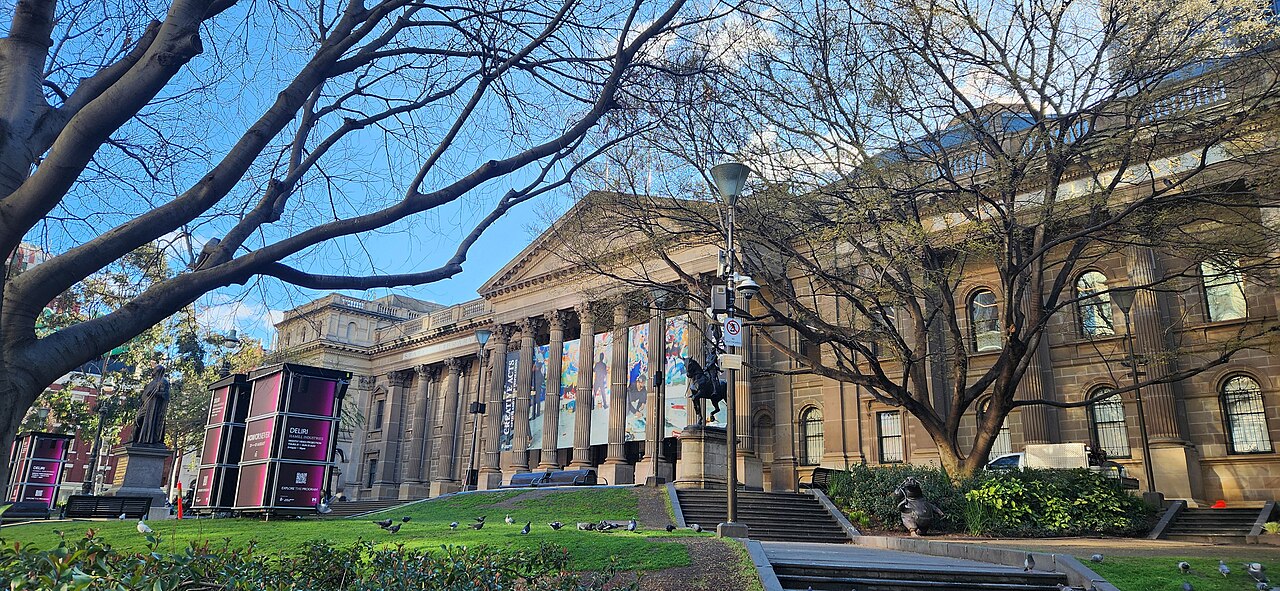
State Library of Victoria
328 Swanston St, Melbourne VIC 3000, Australia
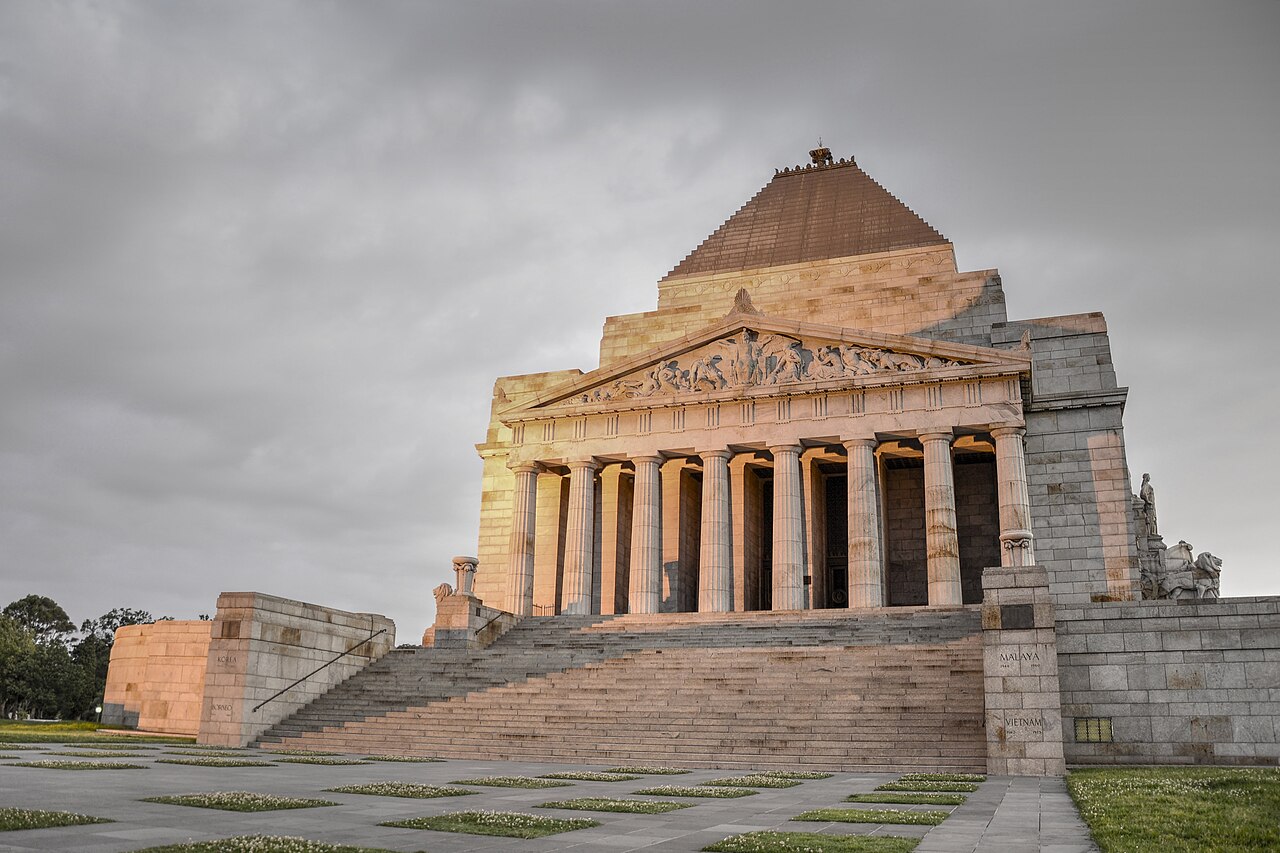
Shrine of Remembrance
Birdwood Ave, Melbourne VIC 3001, Australia
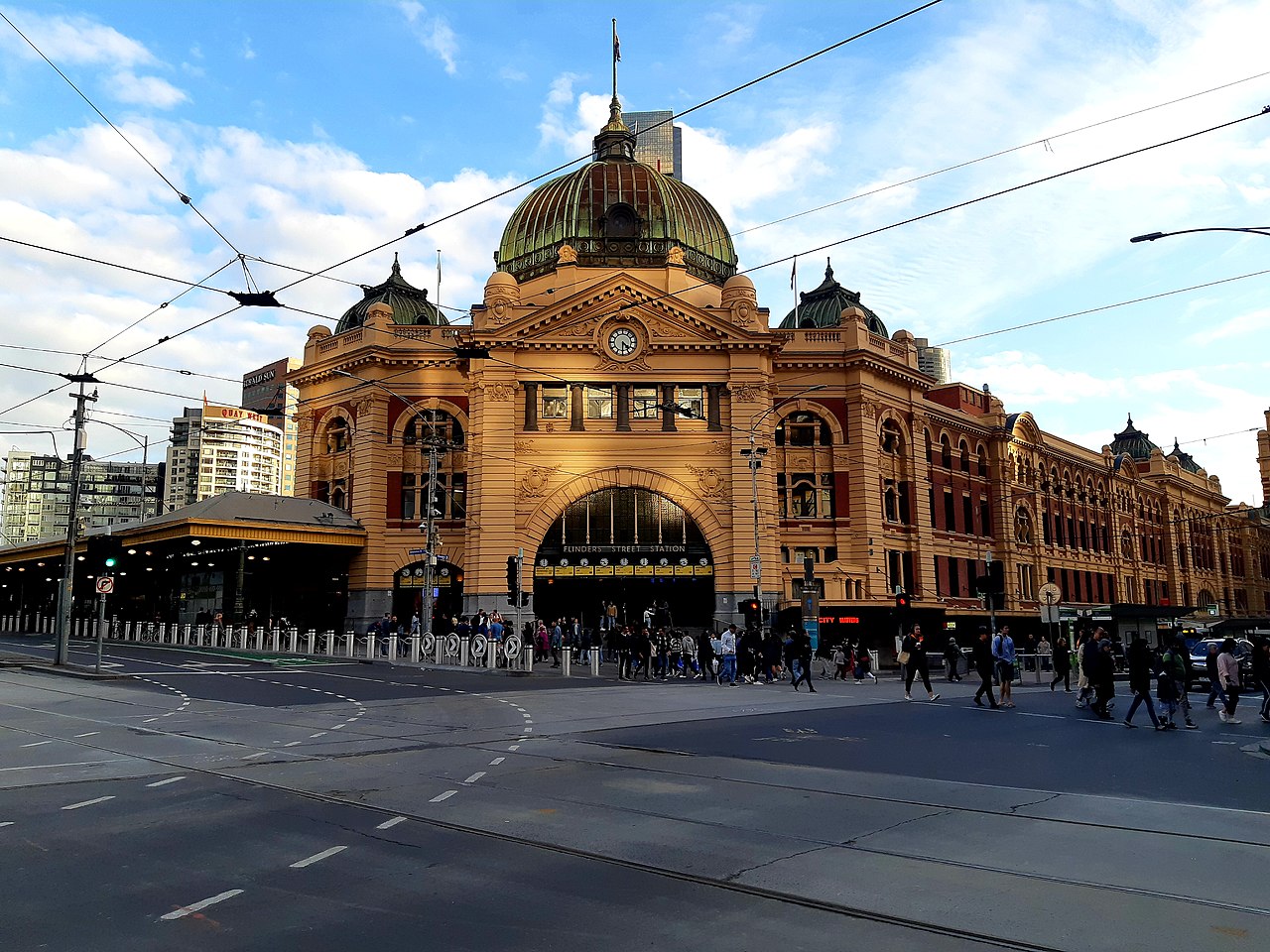
Flinders Street Station
Flinders St, Melbourne VIC 3000, Australia
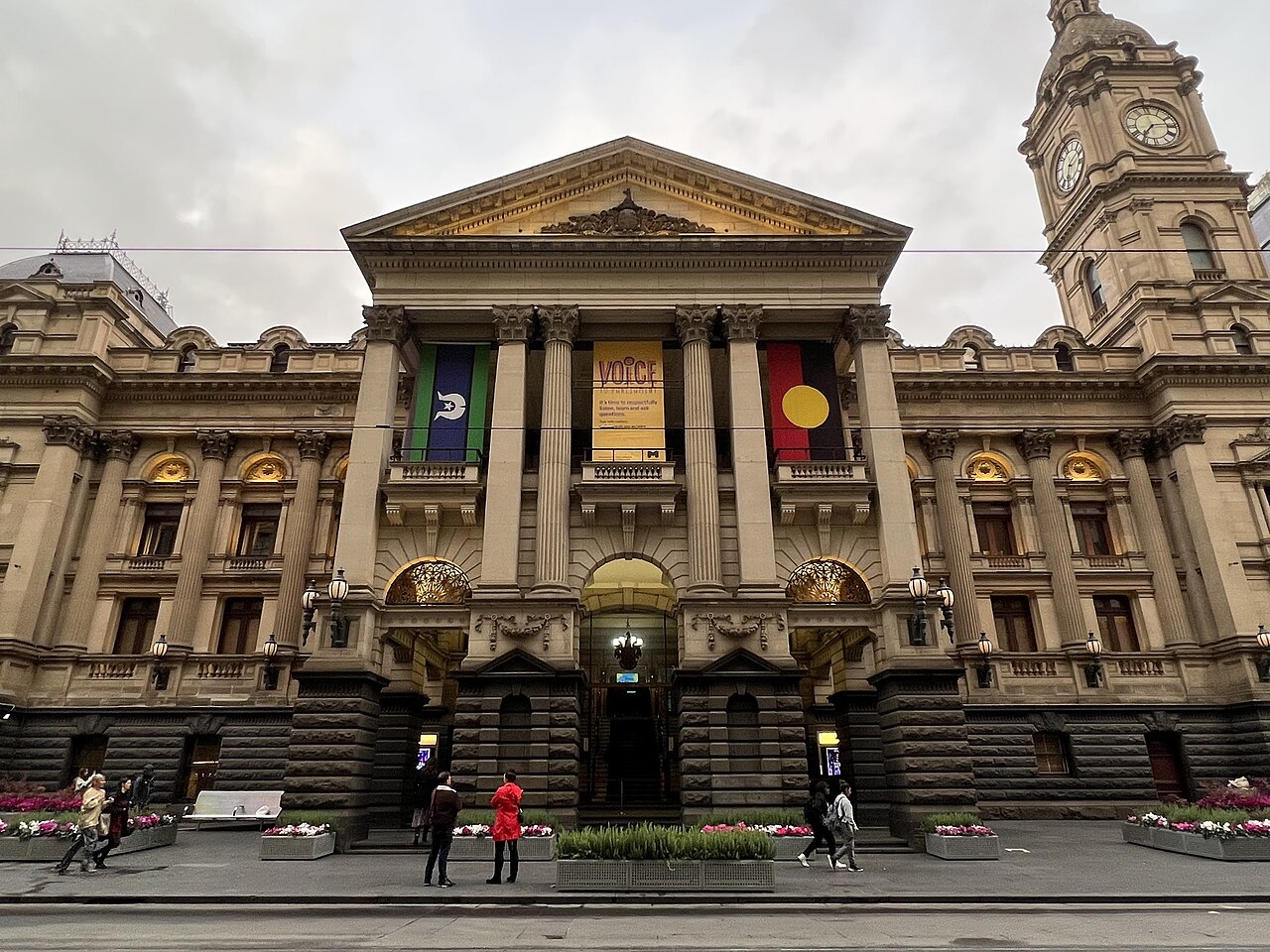
Melbourne Town Hall
90-130 Swanston St, Melbourne VIC 3000, Australia
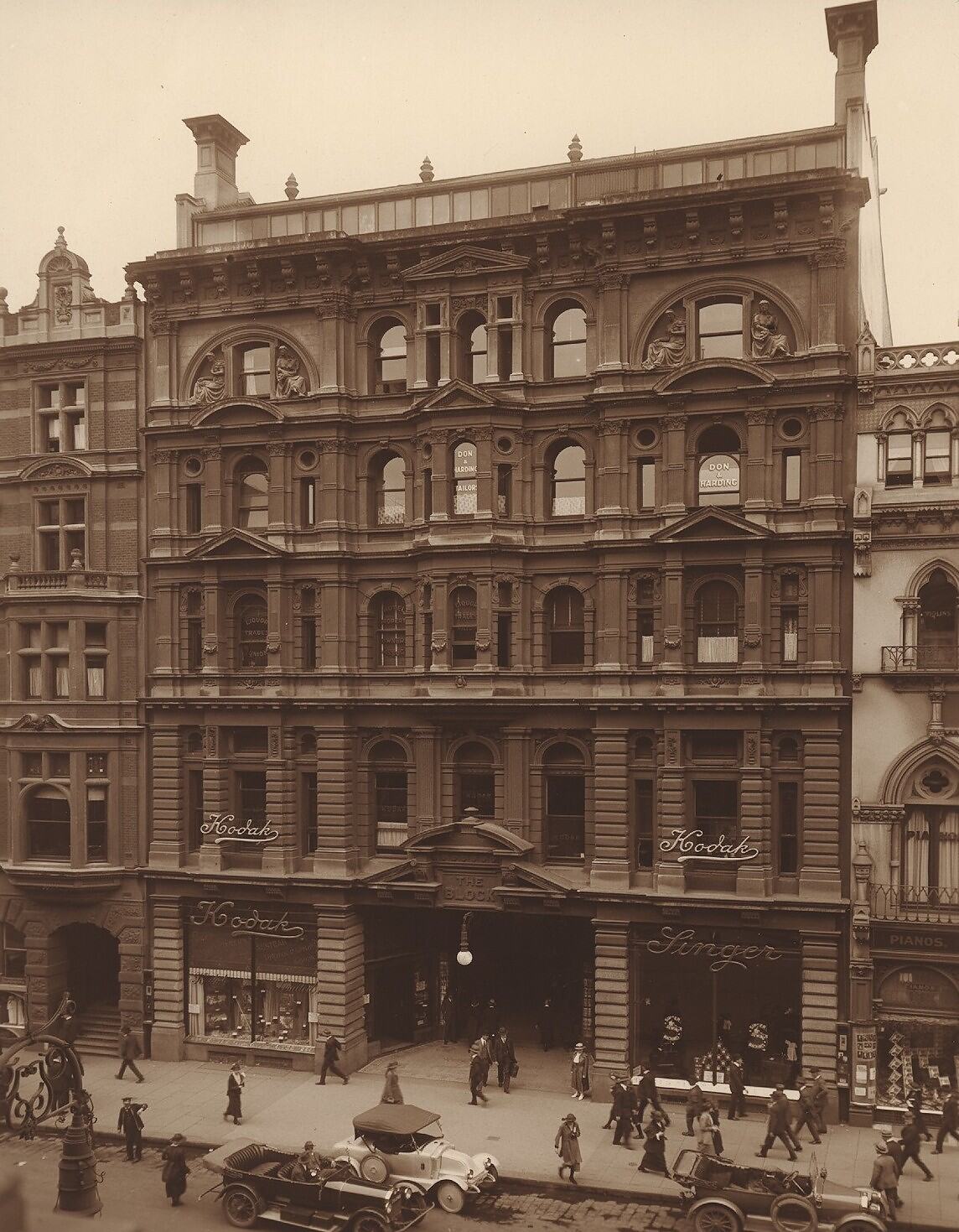
Block Arcade
282 Collins St, Melbourne VIC 3000, Australia
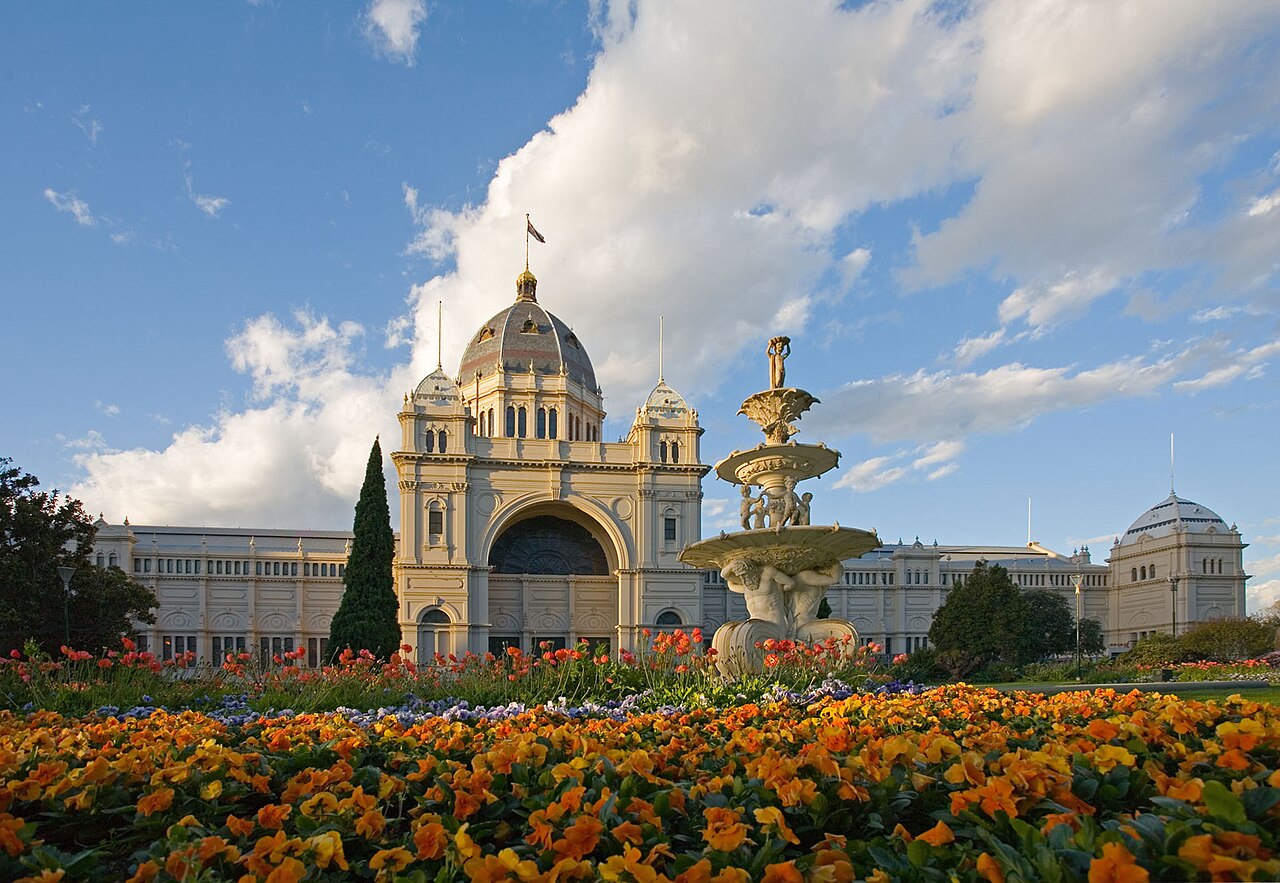
Royal Exhibition Building
9 Nicholson St, Carlton VIC 3053, Australia
Beaux-Arts in Melbourne: Common Questions
Where can I see Beaux-Arts architecture in Melbourne?
Key locations include Flinders Street Station, the Royal Exhibition Building, and the State Library of Victoria. These buildings are located in the central districts of Melbourne, particularly around Collins and Swanston Streets.
When were the Beaux-Arts buildings in Melbourne built?
Most Beaux-Arts buildings in Melbourne were constructed between the late 19th and early 20th centuries, a period characterized by significant economic growth and civic development.
What should I look for in Beaux-Arts architecture?
Look for grand façades, symmetrical designs, and elaborate classical ornamentation. Features like domes and sculptural details are also indicative of the Beaux-Arts style, as seen in the Shrine of Remembrance.
How does Melbourne's Beaux-Arts architecture compare to that in other cities?
Melbourne's Beaux-Arts architecture shares similarities with cities like Paris and New York, particularly in grandeur and classical detailing. However, local materials and specific design elements give Melbourne's version a unique character.
Can I visit these Beaux-Arts buildings?
Yes, many of the Beaux-Arts buildings in Melbourne, such as the State Library and Flinders Street Station, are open to the public. Visitors can explore their interiors and appreciate the architectural details up close.