Victorian Architecture in Melbourne
Explore 5 victorian buildings that shape Melbourne's architectural identity
Victorian architecture in Melbourne flourished during the mid to late 19th century, a period marked by economic prosperity and population growth. The Gold Rush of the 1850s significantly boosted the local economy, leading to a surge in construction and urban development. This architectural style reflects the grandeur and optimism of the era, characterized by intricate detailing and eclectic designs.
Melbourne's Victorian buildings showcase a variety of materials and craftsmanship, often incorporating brick, stone, and ornate ironwork. The Royal Exhibition Building, for instance, exemplifies this with its elaborate design and rich decorative elements, serving as a symbol of the city's cultural significance and hosting the first Australian International Exhibition in 1880.
Key streets such as Collins Street and Swanston Street are home to some of the most distinguished examples of this style. The ANZ Gothic Bank on Collins Street stands out with its ornate detailing and steep gabled roofs, a clear representation of the Gothic Revival influence in Victorian architecture. Meanwhile, the Melbourne Town Hall showcases classical forms and intricate detailing, embodying the civic pride of the era.
In addition to these notable buildings, the Princess Theatre features elaborate decorations and a grand façade that highlights the theatricality of the Victorian style. This architectural heritage contributes to Melbourne's unique character, making it an essential area for architecture enthusiasts.
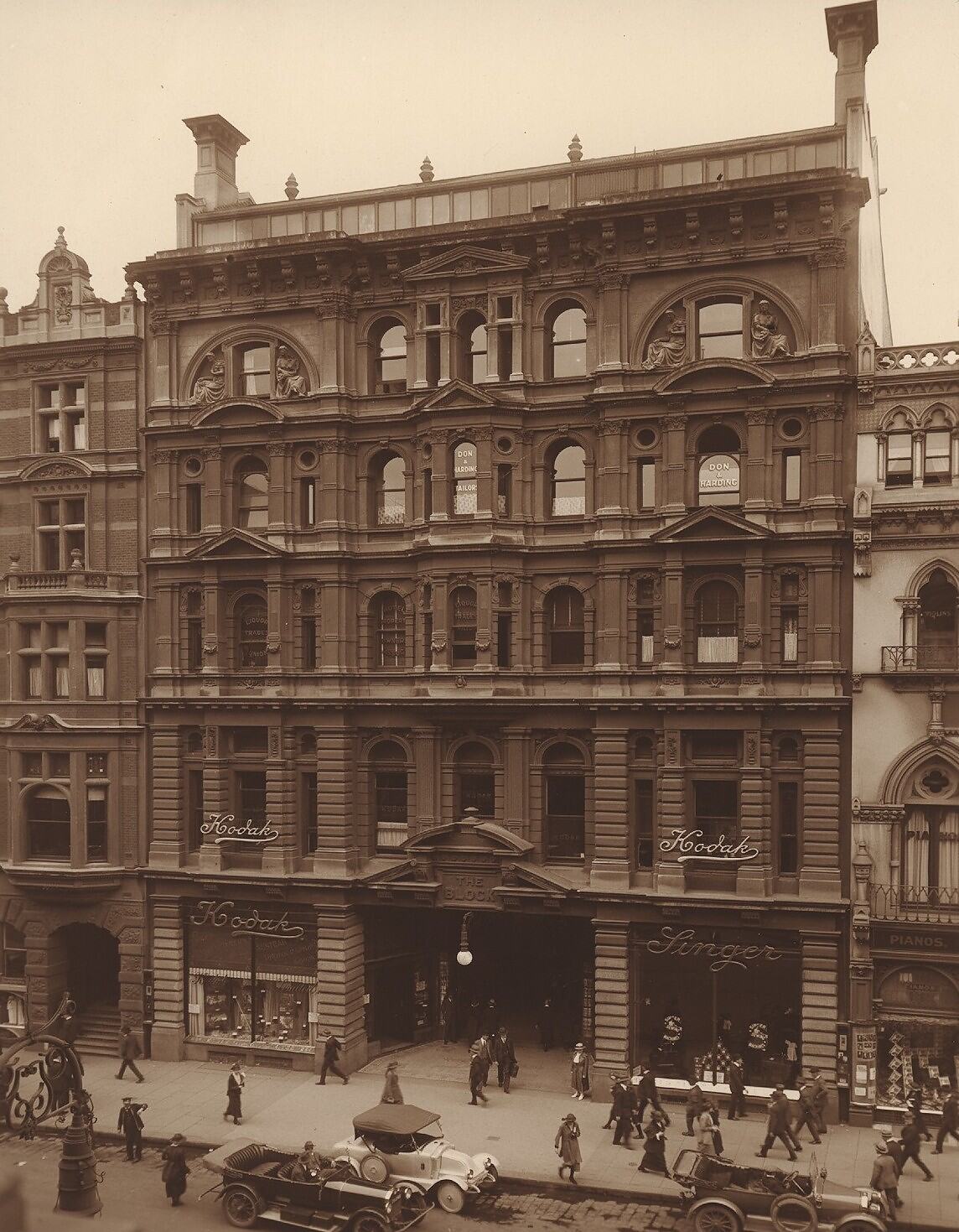
Block Arcade
282 Collins Street, Melbourne, VIC 3000
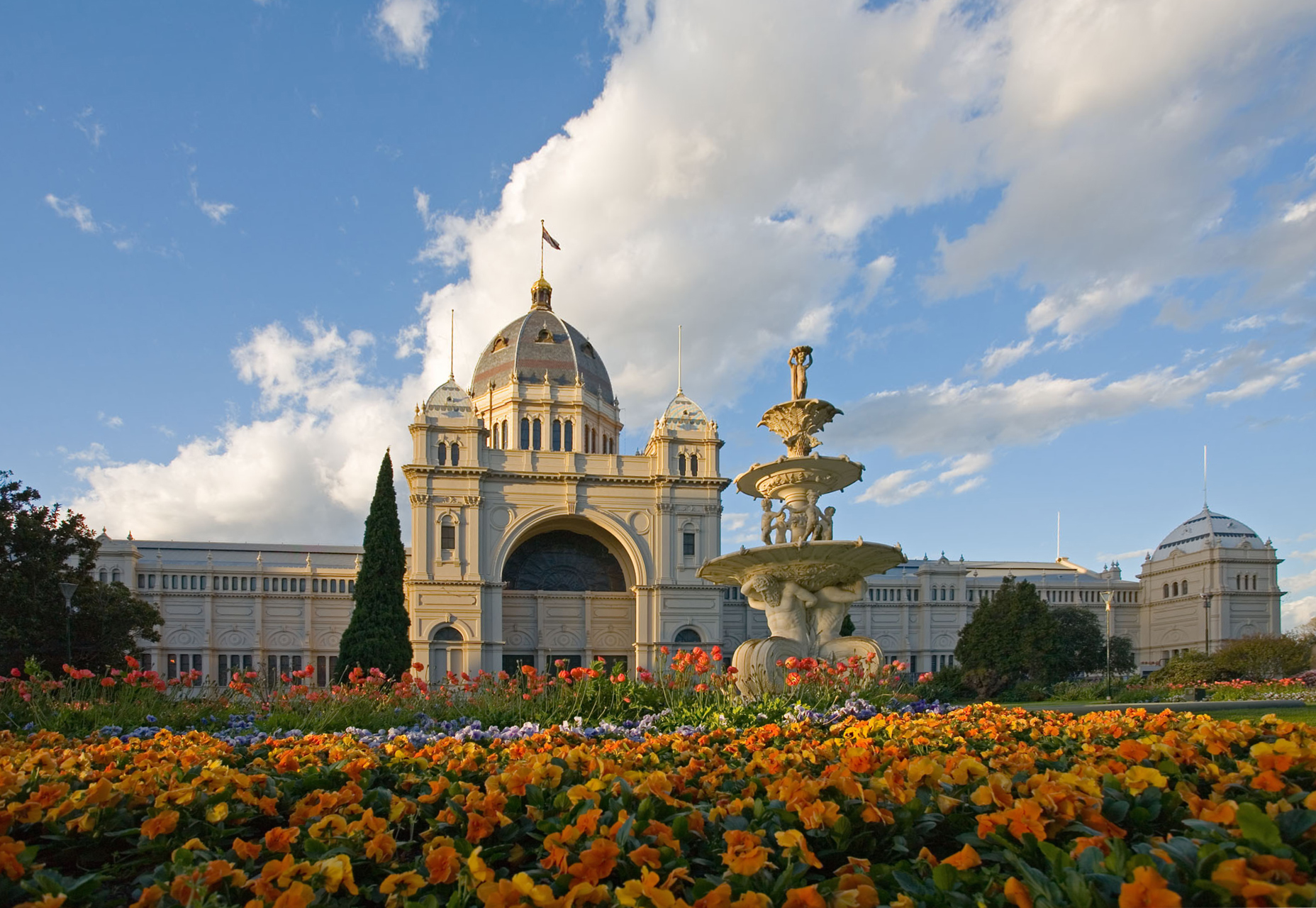
Royal Exhibition Building
9 Nicholson Street, Carlton, VIC 3053
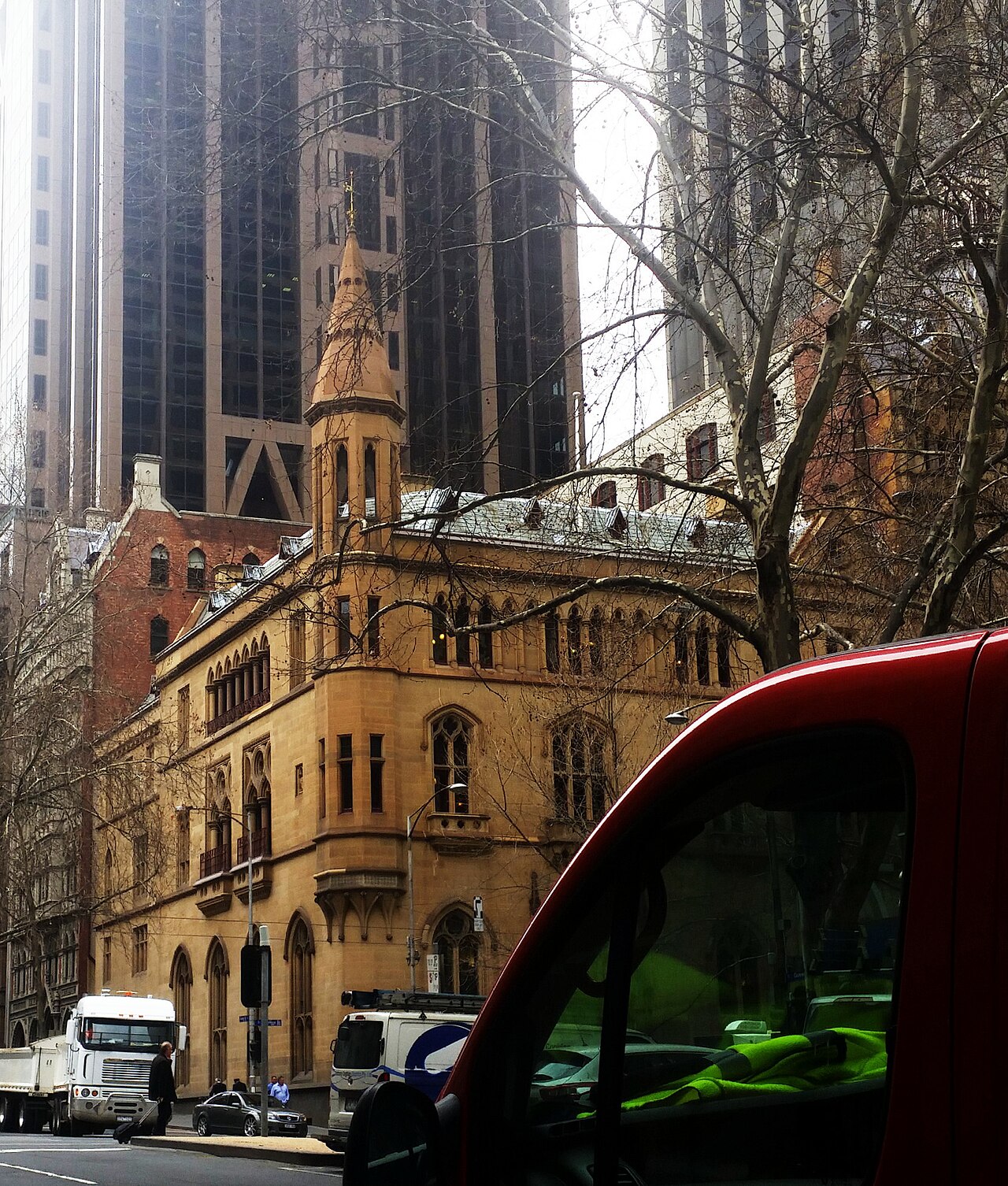
ANZ Gothic Bank
380 Collins St, Melbourne VIC 3000, Australia
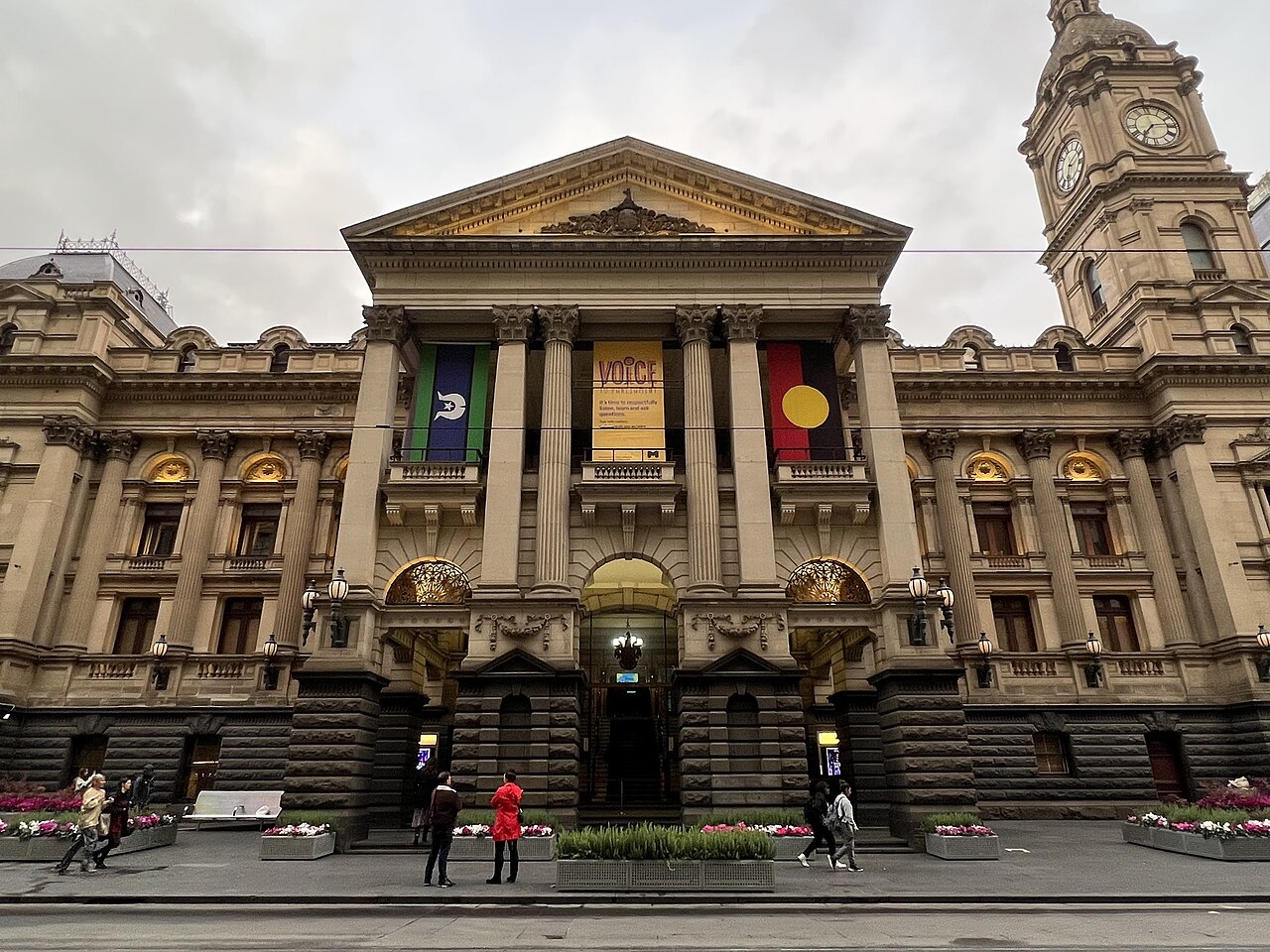
Melbourne Town Hall
90-130 Swanston St, Melbourne VIC 3000, Australia
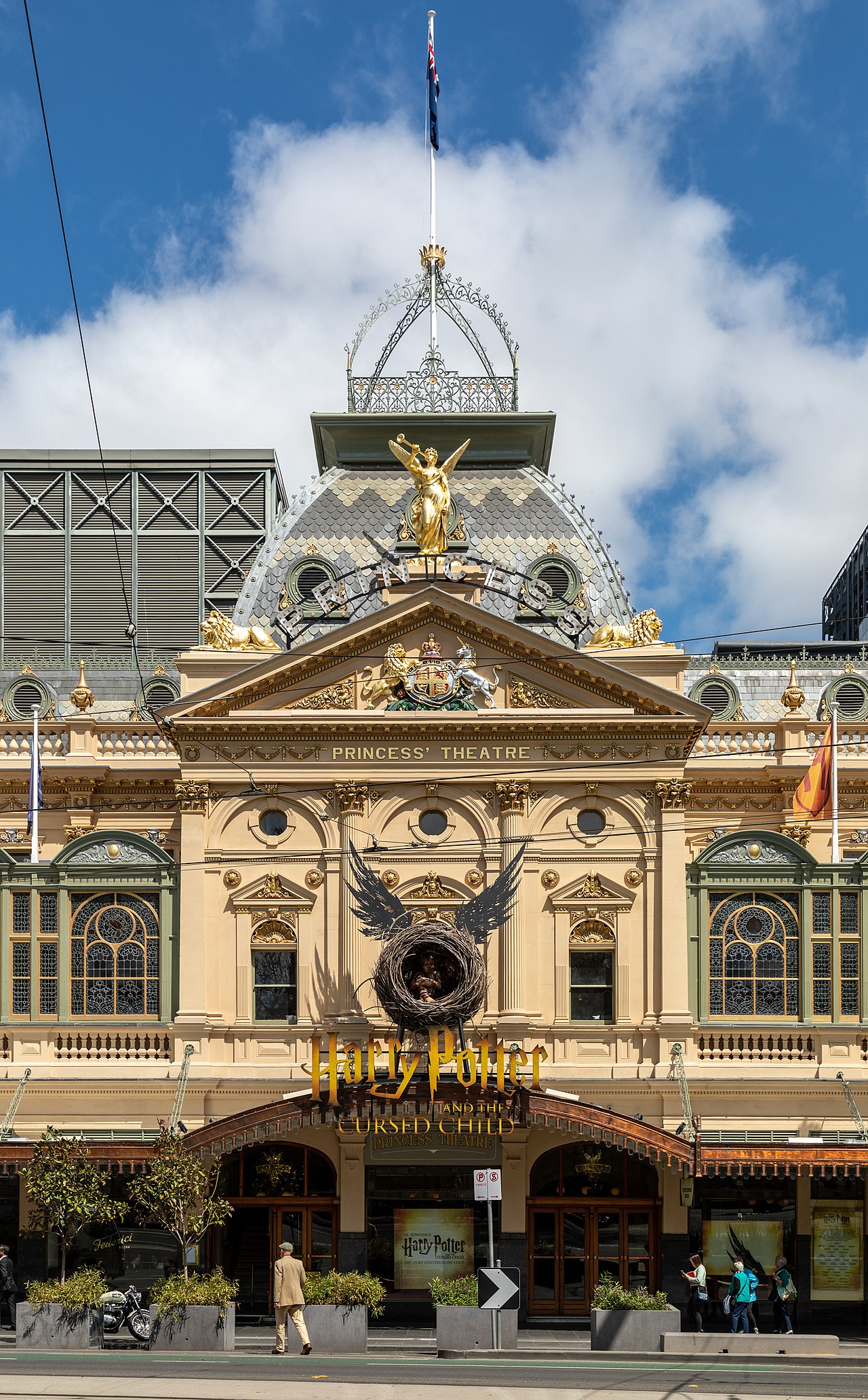
Princess Theatre
163 Spring St, Melbourne VIC 3000, Australia
Victorian in Melbourne: Common Questions
Where can I see Victorian architecture in Melbourne?
Key locations for Victorian architecture include Collins Street, where the Block Arcade and ANZ Gothic Bank are situated, and Swanston Street, home to the Melbourne Town Hall. Carlton also features the Royal Exhibition Building, making these areas prime spots for observing this architectural style.
When was Victorian architecture prevalent in Melbourne?
Victorian architecture in Melbourne was most prominent during the mid to late 19th century, particularly following the Gold Rush of the 1850s, which spurred extensive urban development and construction throughout the city.
What features should I look for in Victorian buildings?
When exploring Victorian buildings, look for intricate ornamentation, varied materials, and detailed craftsmanship. Key elements include steep gabled roofs, elaborate decorations, and classical forms, as seen in the Melbourne Town Hall and the Princess Theatre.
How does Melbourne's Victorian architecture compare to other cities?
Melbourne's Victorian architecture is distinctive due to its rich detailing and use of materials. While other Australian cities also feature Victorian buildings, Melbourne's examples, like the Royal Exhibition Building and ANZ Gothic Bank, showcase a unique blend of styles influenced by local history and culture.
Can I visit these Victorian buildings?
Yes, many Victorian buildings in Melbourne, such as the Royal Exhibition Building and the Melbourne Town Hall, are open to the public. Visitors can explore their interiors and learn about their historical significance through guided tours and exhibitions.