Victorian Architecture in Edinburgh
Explore 8 victorian buildings that shape Edinburgh's architectural identity
Victorian architecture in Edinburgh reflects a period of significant cultural and economic growth during the 19th century, characterized by a blend of ornate design and solid construction. This architectural style emerged as the city expanded, driven by the Industrial Revolution and the wealth that accompanied it. The use of local materials, such as sandstone, combined with elaborate detailing, resulted in distinctive structures that contribute to the city's unique skyline.
Key examples include the Usher Hall, an iconic concert venue whose grand façade and intricate details showcase the Victorian craftsmanship. Nearby, the McEwan Hall features a fusion of various styles, underscoring the eclectic nature of Victorian design while providing a stunning interior that highlights the era's decorative tendencies. Additionally, the Balmoral Hotel exemplifies opulence with its bold forms and rich materials, reflecting the luxurious aspirations of the time.
Victorian architecture is prevalent in areas such as the Old Town and along Lothian Road, where clusters of these remarkable buildings can be explored. The Palace of Holyroodhouse, with its ornate brickwork, and the imposing Scott Monument, celebrating Sir Walter Scott, further illustrate the style's emphasis on both grandeur and artistic expression. Together, these structures allow visitors to appreciate the intricate details that define Edinburgh's architectural heritage.
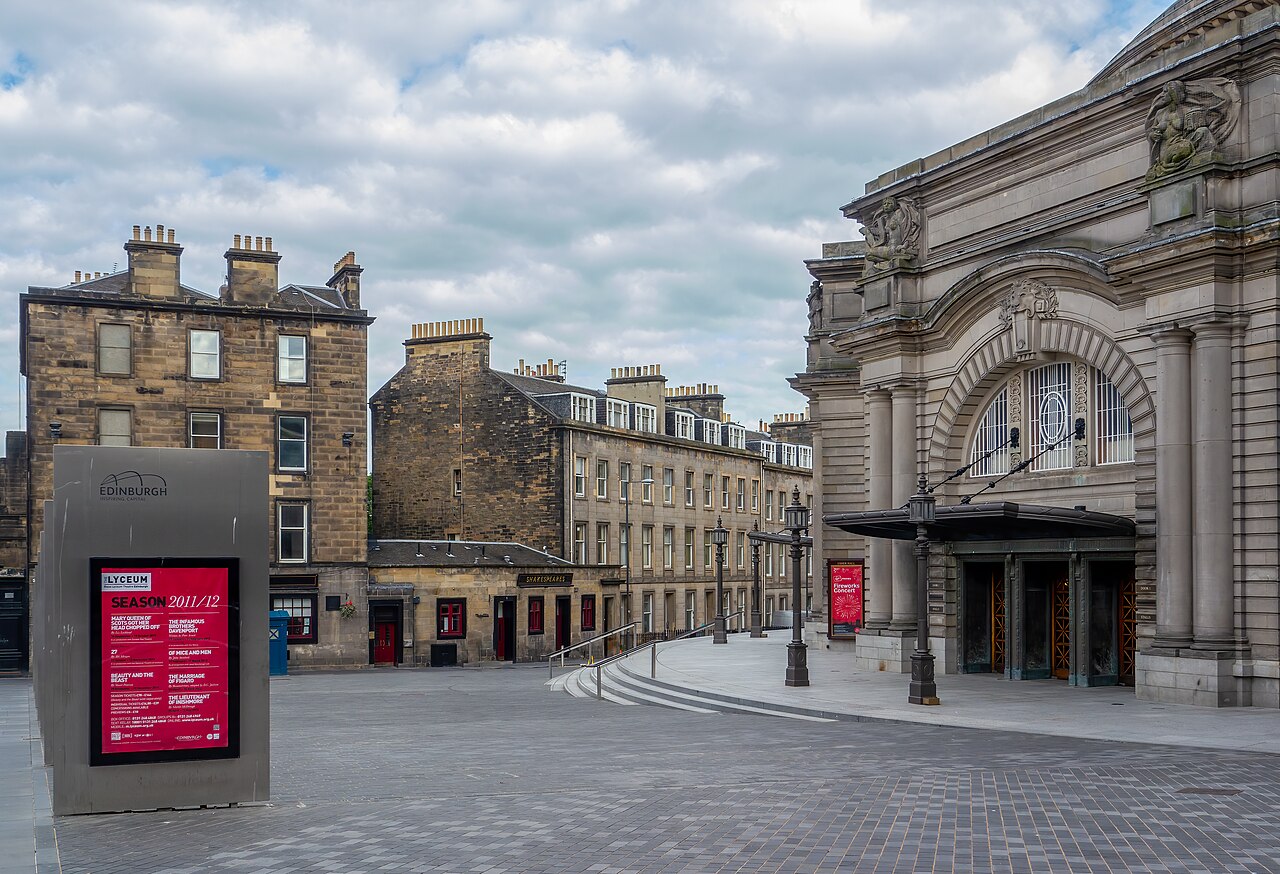
Usher Hall
Lothian Road, Edinburgh EH1 2EA, UK
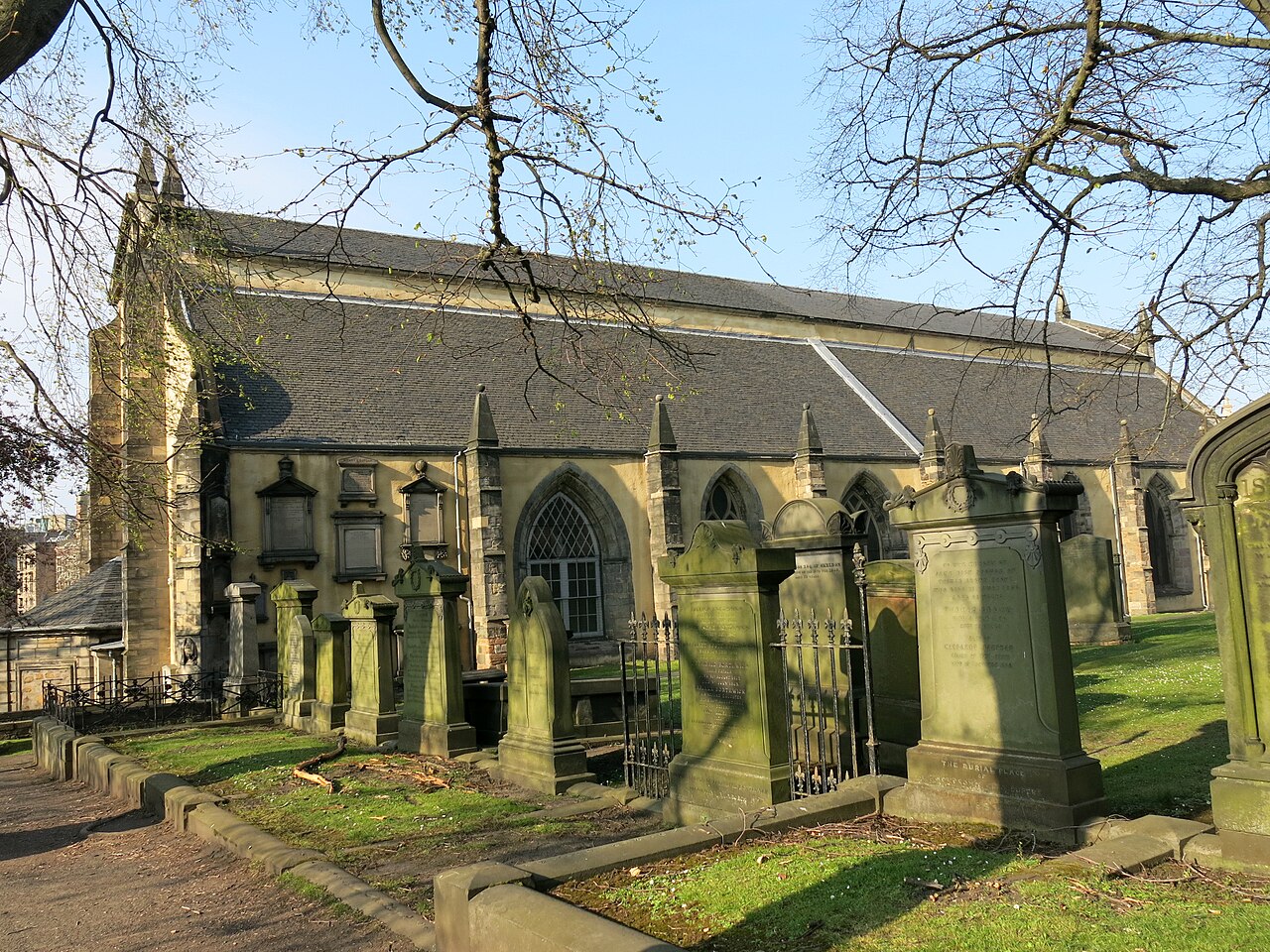
Greyfriars Kirk
Greyfriars Place, Edinburgh EH1 2QQ, UK
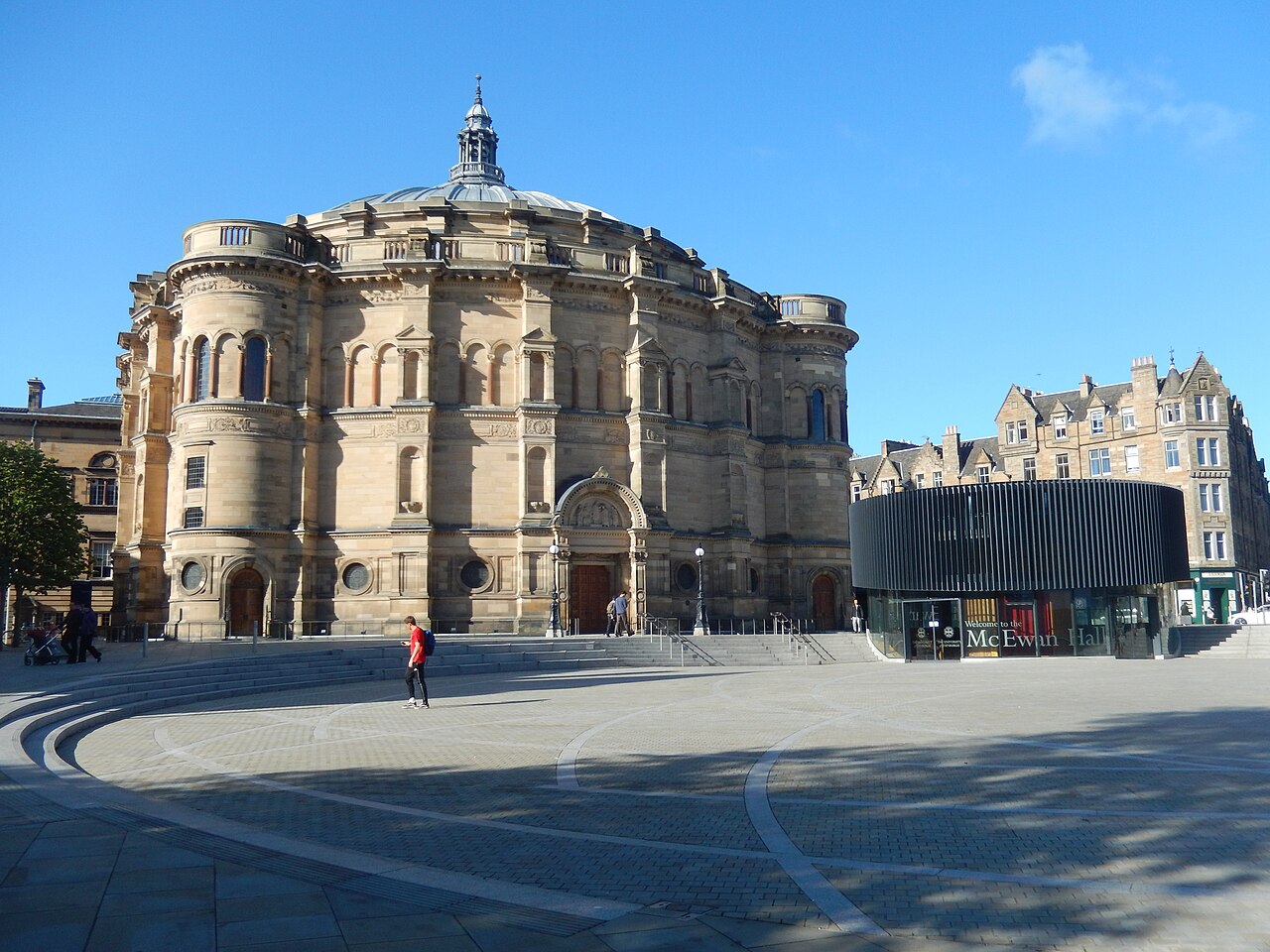
McEwan Hall
Teviot Place, Edinburgh EH1 1NE, UK
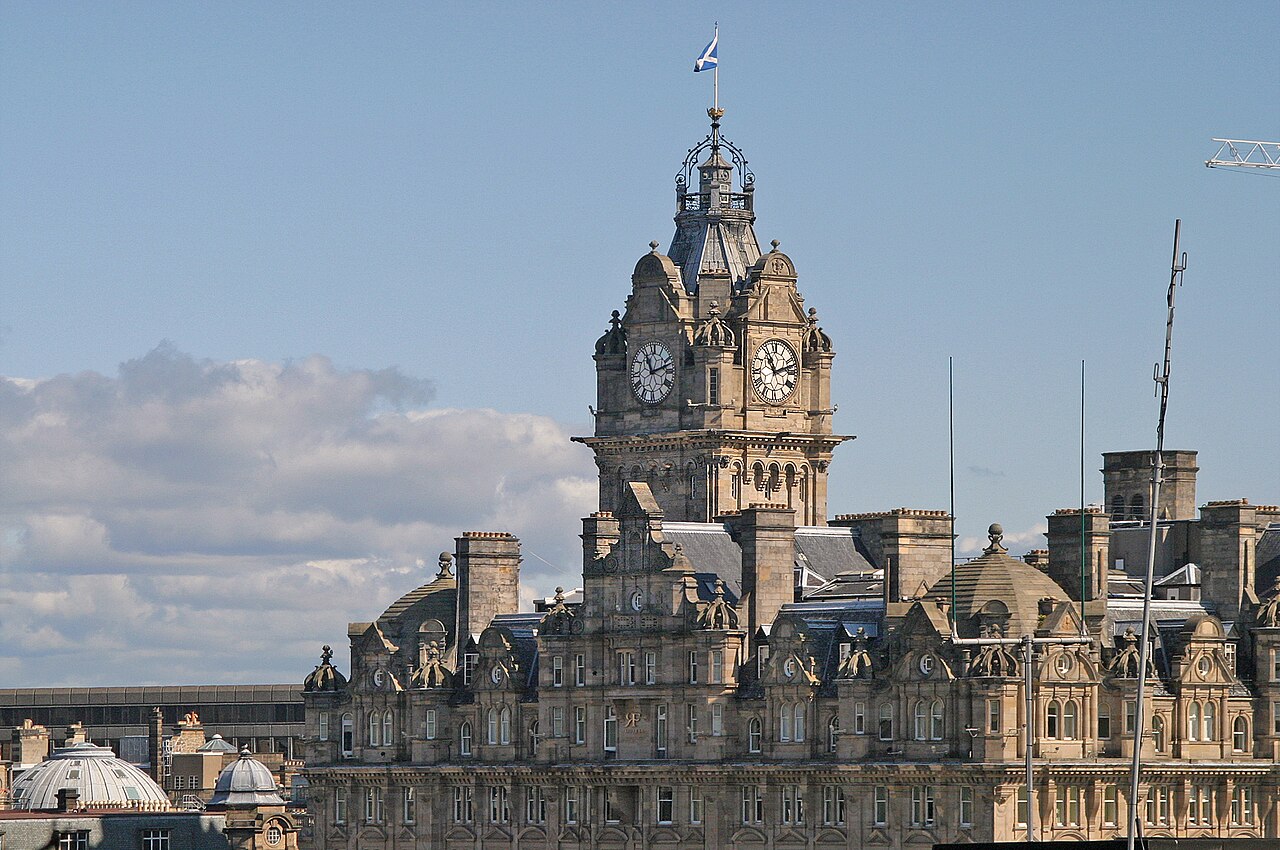
Balmoral Hotel
1 Princes Street, Edinburgh EH2 2EQ, UK
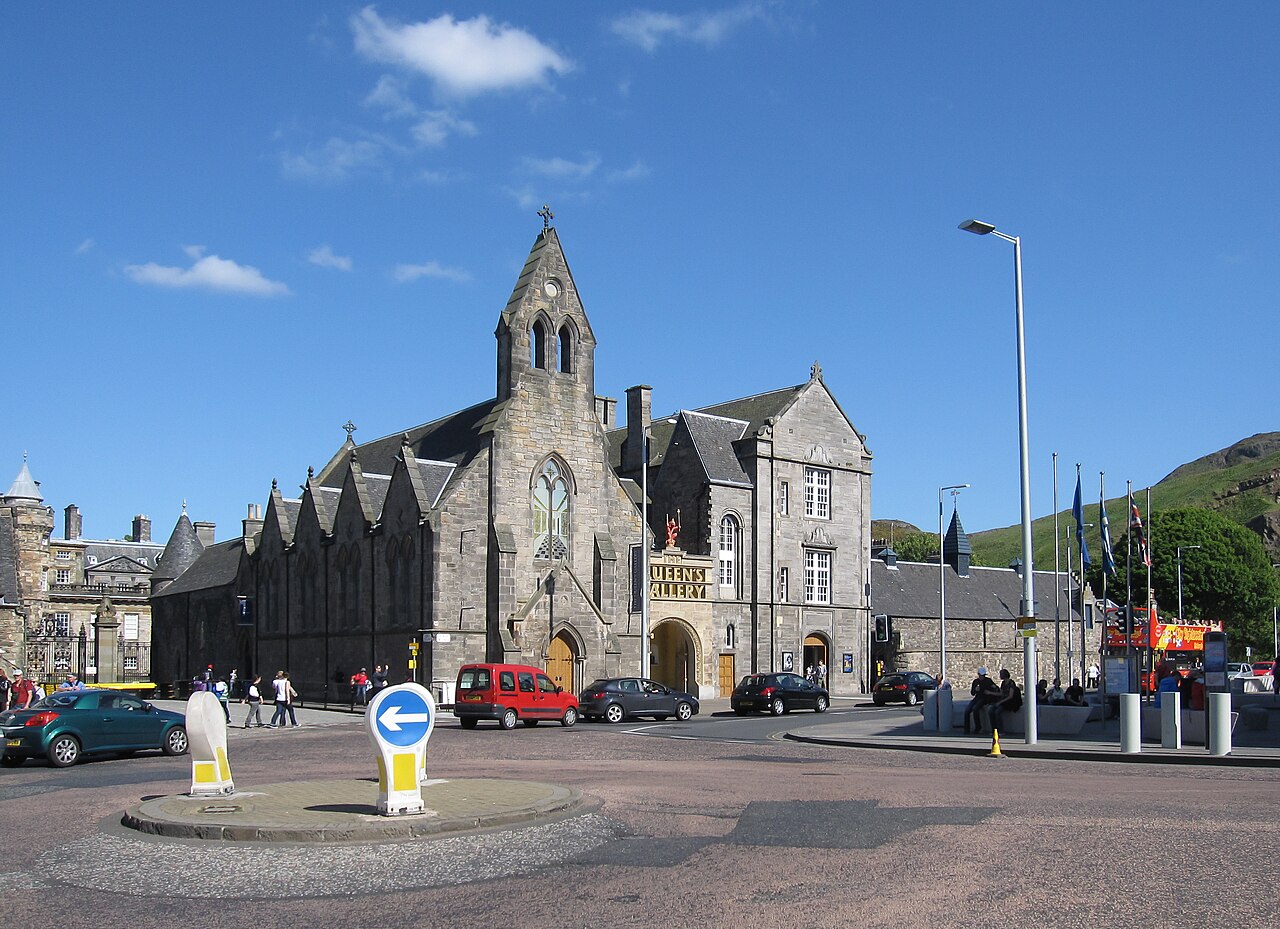
Palace of Holyroodhouse
Canongate, Edinburgh EH8 8DX, UK
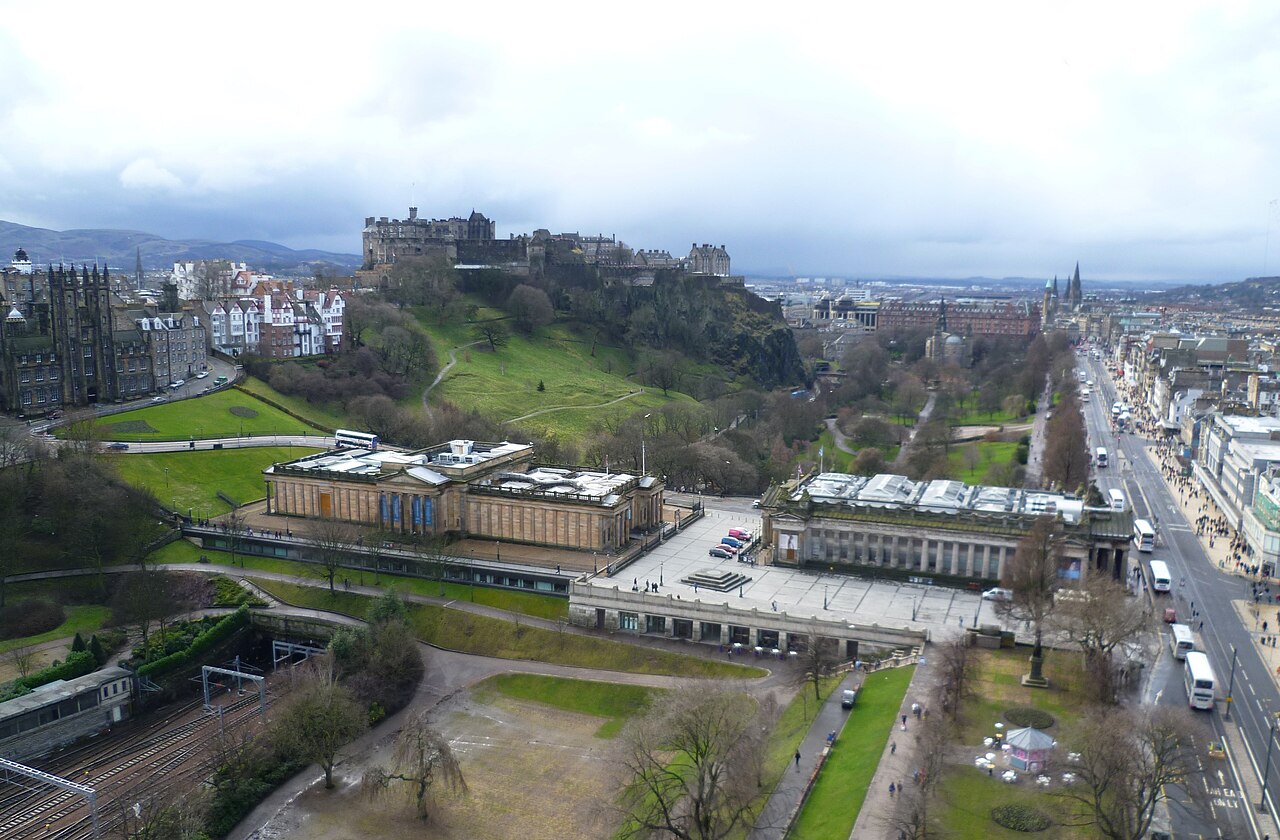
Scott Monument
East Princes Street Gardens, Edinburgh, UK
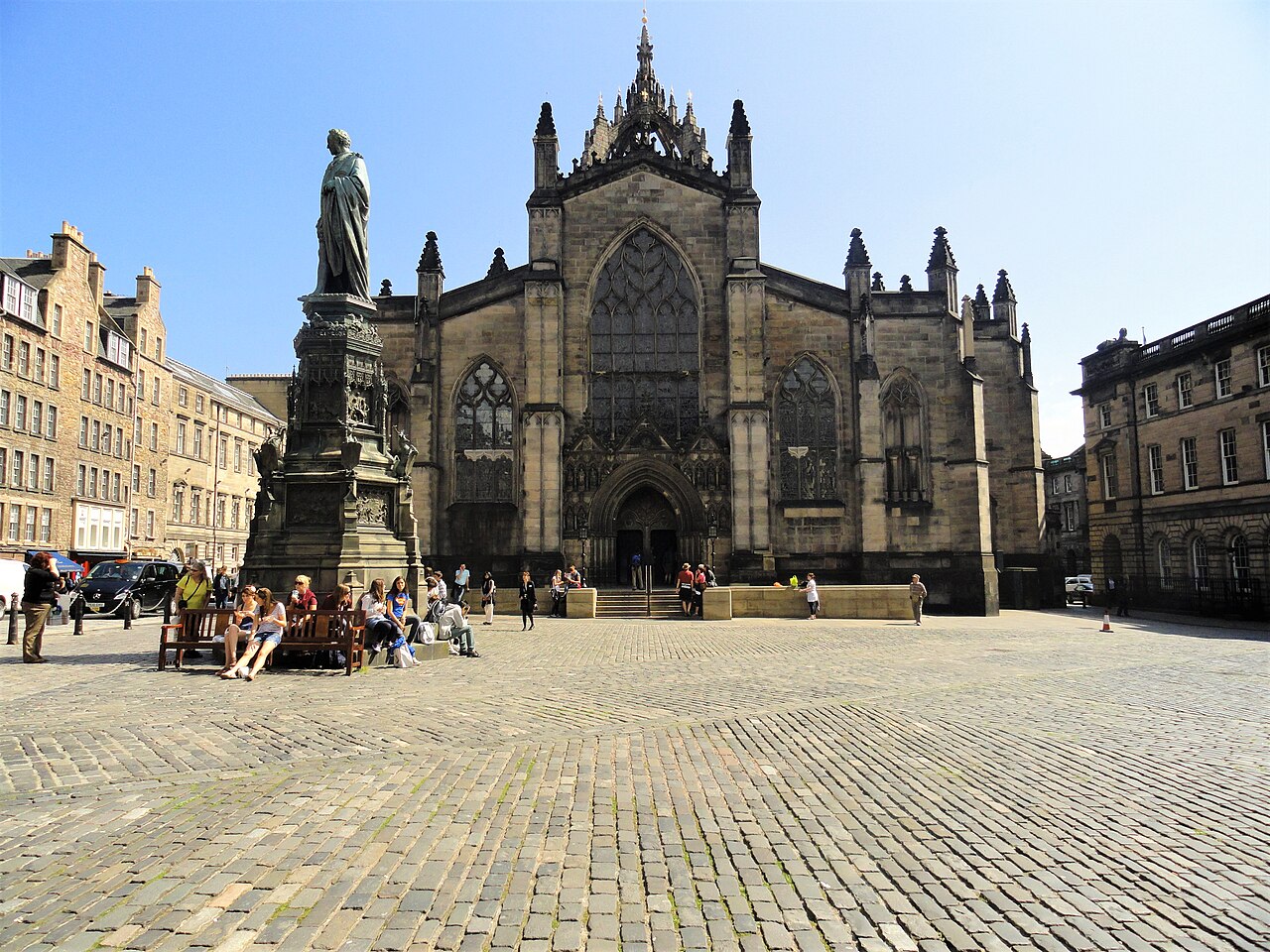
St Giles Cathedral
High Street, Edinburgh EH1 1RE, UK
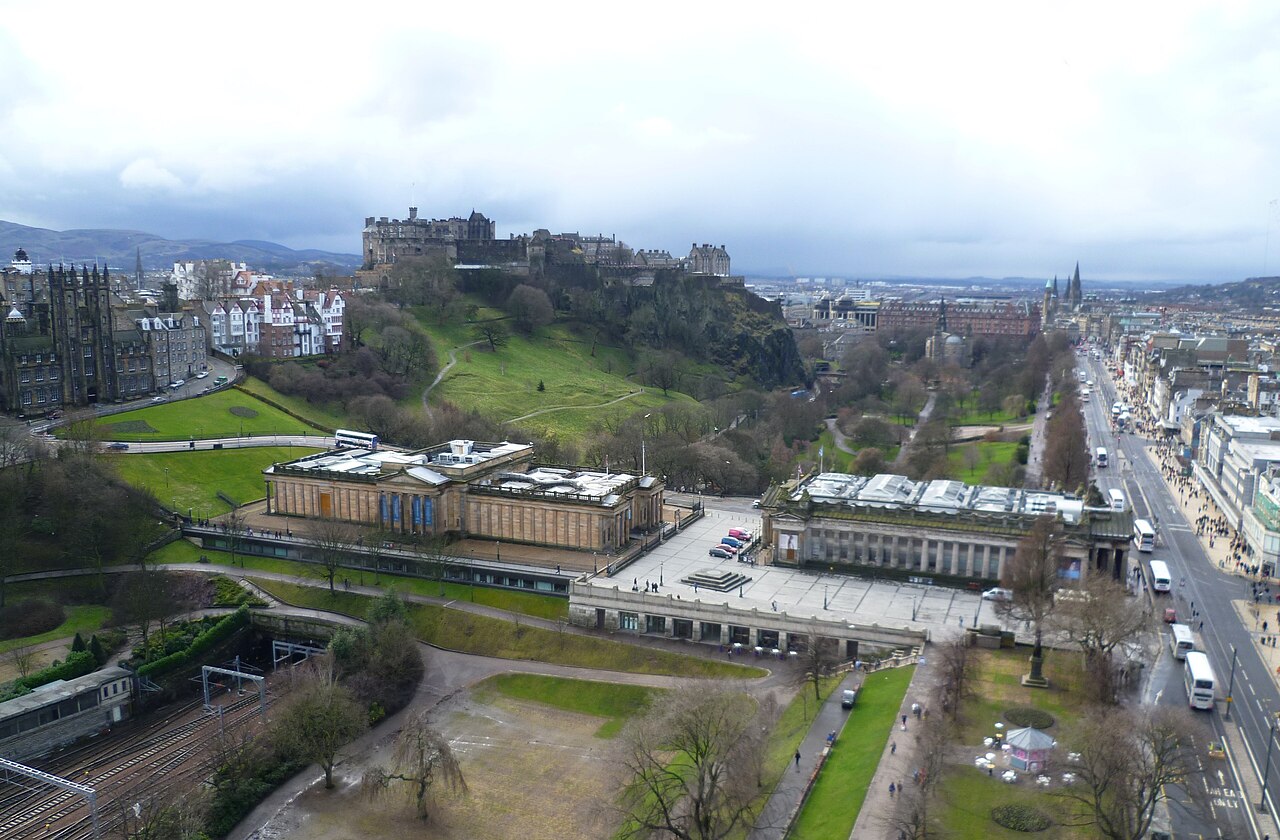
Edinburgh Castle
Castlehill, Edinburgh EH1 2NG, UK
Victorian in Edinburgh: Common Questions
Where can I see Victorian architecture in Edinburgh?
Victorian architecture can be seen prominently in the Old Town and along Lothian Road. Notable examples include the Usher Hall, McEwan Hall, and the Balmoral Hotel, among others. Exploring these areas offers a chance to appreciate the distinctive details and styles characteristic of the era.
When was the Victorian architecture in Edinburgh built?
Victorian architecture in Edinburgh primarily dates from the mid-19th century, coinciding with Queen Victoria's reign from 1837 to 1901. This period saw significant construction, reflecting the city's growth and the influence of the Industrial Revolution.
What should I look for to identify Victorian architecture?
Look for intricate detailing, bold forms, and a mix of architectural styles. Features like ornate stonework, decorative elements, and grand façades are common. Buildings like St Giles Cathedral and the Scott Monument exemplify these characteristics.
How does Victorian architecture in Edinburgh compare to other styles?
Victorian architecture in Edinburgh is marked by its ornate detailing and eclectic influences. Unlike simpler styles, Victorian buildings often showcase a combination of Gothic, Romanesque, and Baroque elements, as seen in structures like Greyfriars Kirk and the Palace of Holyroodhouse.
Can I visit these Victorian buildings?
Yes, many Victorian buildings in Edinburgh are open to the public. The Usher Hall often hosts events, while the Balmoral Hotel offers tours. However, it's advisable to check accessibility and visiting hours in advance.