Beaux-Arts Architecture in Edinburgh
Explore 3 beaux-arts buildings that shape Edinburgh's architectural identity
Beaux-Arts architecture emerged in the late 19th century, rooted in classical traditions and characterized by grandeur and elaborate ornamentation. In Edinburgh, this style thrived during a period of economic growth and urban development, particularly around the Victorian era. The city's rich architectural heritage provided a fertile ground for the Beaux-Arts movement, which sought to convey cultural and civic pride through monumental structures.
Notable examples of this architectural style can be found along major thoroughfares, particularly Lothian Road and Princes Street. The Usher Hall, located on Lothian Road, exemplifies Beaux-Arts characteristics with its grand scale, intricately detailed façade, and classical forms. This concert hall, opened in 1887, serves as a focal point for cultural events, showcasing the importance of the arts in Edinburgh's community.
Further along Princes Street, the Jenners Building stands out with its symmetrical layout and striking embellishments. Originally constructed as a department store, its façade features ornate decorative elements that reflect the opulence of the Beaux-Arts style, making it a prominent landmark in the city. The building's design merges commercial functionality with artistic expression, reinforcing the significance of retail during that era.
Lastly, the General Register House, situated on Princes Street, highlights the architectural principles of symmetry and elaborate detailing. Completed in 1789, this building serves as the headquarters for Scotland's national archives. Its grand façade and carefully considered proportions demonstrate how Beaux-Arts architecture was used to convey authority and permanence within the urban landscape.
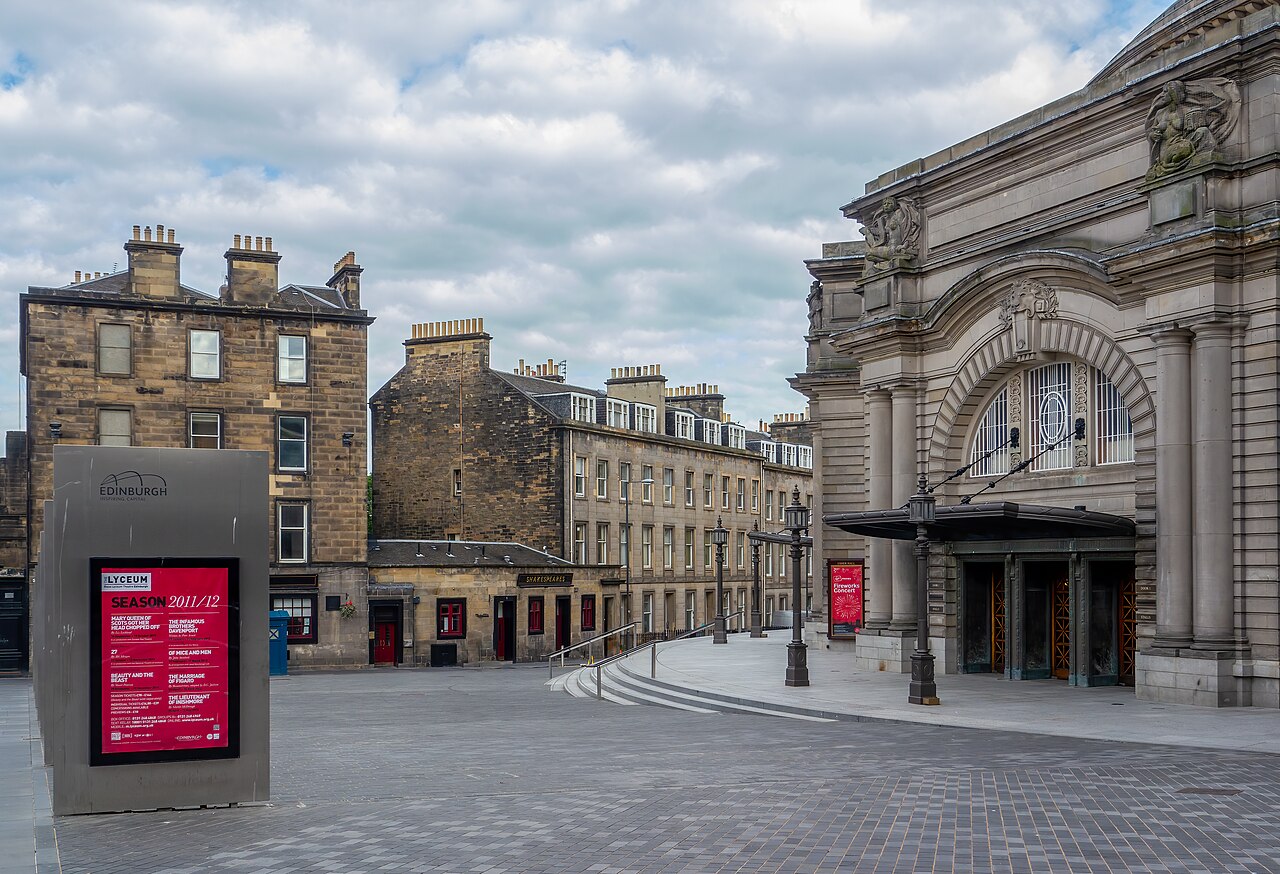
Usher Hall
Lothian Road, Edinburgh EH1 2EA, UK
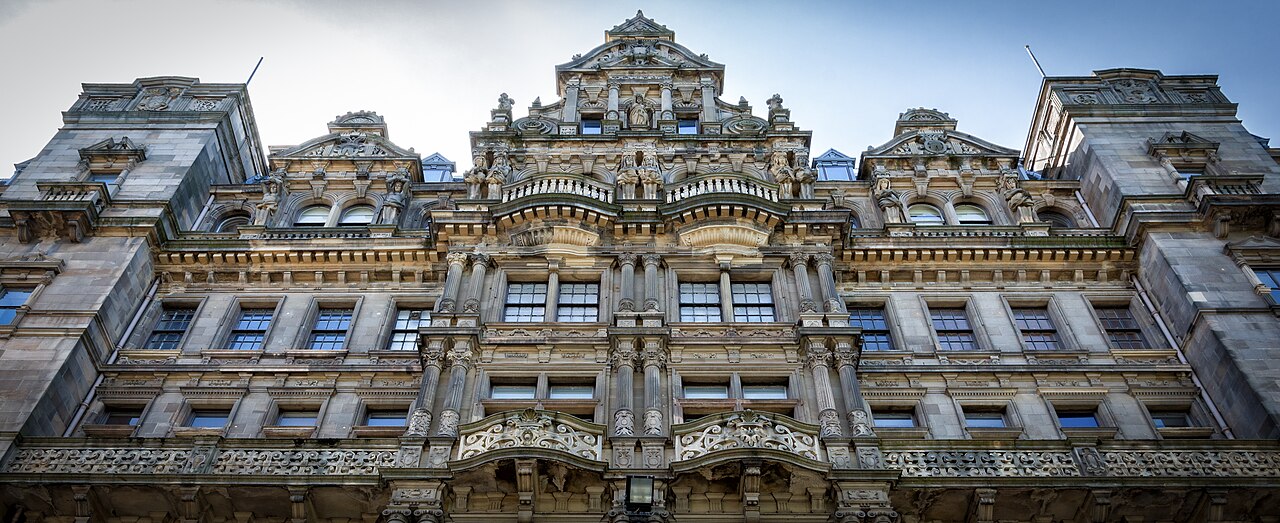
Jenners Building
47 Princes Street, Edinburgh EH2 2DG, UK
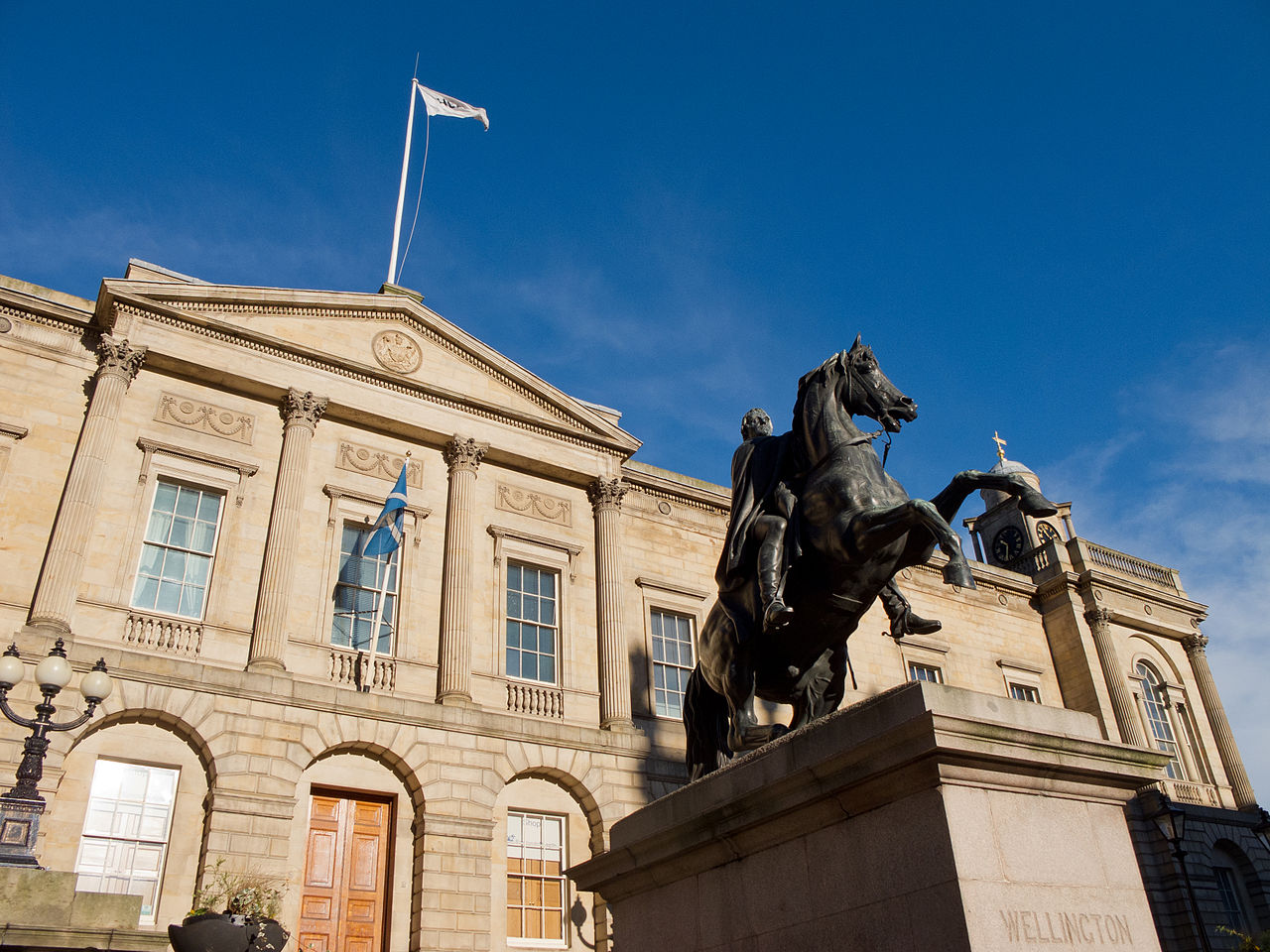
General Register House
2 Princes Street, Edinburgh EH1 3YY, UK
Beaux-Arts in Edinburgh: Common Questions
Where can I see Beaux-Arts architecture in Edinburgh?
You can see Beaux-Arts architecture in Edinburgh primarily along Lothian Road and Princes Street. Key buildings include the Usher Hall, Jenners Building, and General Register House, each showcasing distinct characteristics of the style.
When were the Beaux-Arts buildings in Edinburgh constructed?
The Beaux-Arts buildings in Edinburgh primarily date from the late 19th century. For instance, Usher Hall was opened in 1887, while the General Register House was completed in 1789, reflecting earlier influences that paved the way for the style's popularity.
What should I look for in Beaux-Arts architecture?
When observing Beaux-Arts architecture, look for grand façades, symmetry, and elaborate ornamentation. Buildings like the Jenners Building exhibit intricate decorative details, while Usher Hall showcases classical forms that contribute to its monumental presence.
How does Edinburgh's Beaux-Arts style compare to that in other cities?
Edinburgh's Beaux-Arts style shares similarities with examples in cities like Paris and New York, particularly in its emphasis on grandeur and classical elements. However, local materials and historical context give Edinburgh's buildings a unique character, as seen in the intricate stonework of General Register House.
Can I visit these Beaux-Arts buildings?
Yes, several Beaux-Arts buildings in Edinburgh are open to the public. Usher Hall hosts concerts and events, while the Jenners Building is accessible for shopping. General Register House offers guided tours of its archives, allowing visitors to explore its architectural significance.