Gothic Architecture in Edinburgh
Explore 3 gothic buildings that shape Edinburgh's architectural identity
Gothic architecture flourished in Edinburgh during the late Middle Ages, influenced by the city’s burgeoning ecclesiastical and educational prominence. This style is characterized by its verticality, pointed arches, and intricate detailing, reflecting the economic and cultural significance of the period. The abundance of local sandstone provided the perfect medium for the elaborate stone carvings that define many of Edinburgh's Gothic structures.
Among the notable examples, Greyfriars Kirk stands out with its distinctive archways and pointed arches, typical of historical church architecture. Built in the 16th century, the Kirk not only serves as a place of worship but also plays a significant role in Edinburgh's history, including its association with the Covenanting movement.
Another prominent structure is the National Museum of Scotland, which features pointed arches and intricate stone details that draw the eye upward, creating a sense of grandeur. This building encapsulates the Victorian interpretation of Gothic elements while housing a vast collection of Scotland’s cultural heritage.
Finally, St Giles' Cathedral exemplifies the Gothic style with its ribbed vaults and flying buttresses. The cathedral's elaborate stained glass and detailed stone work evoke a sense of transcendence, making it a focal point for both worshippers and visitors alike. Each of these buildings contributes to a concentrated Gothic presence in the city, particularly along the Royal Mile and in the Old Town.
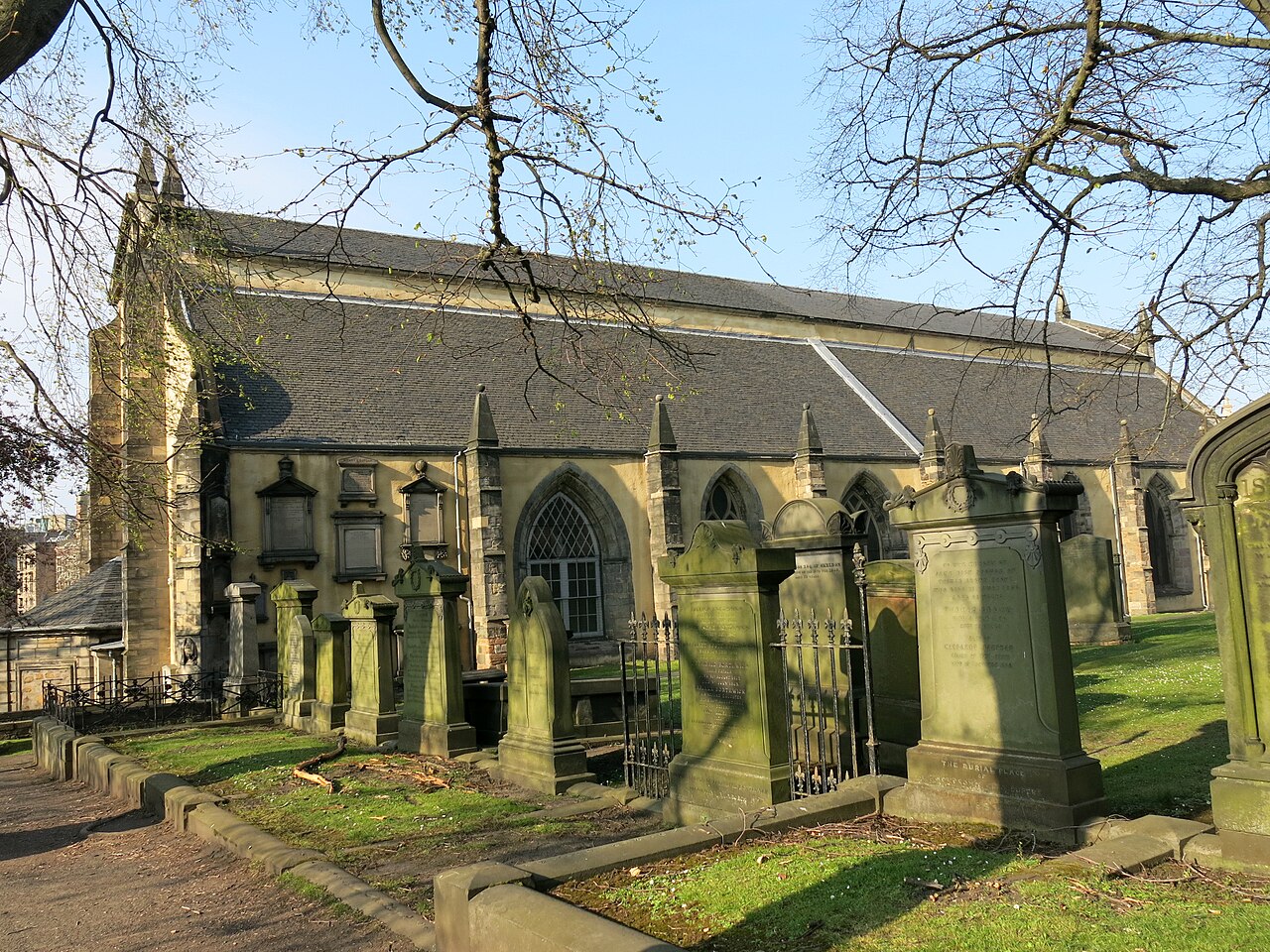
Greyfriars Kirk
Greyfriars Place, Edinburgh EH1 2QQ, UK
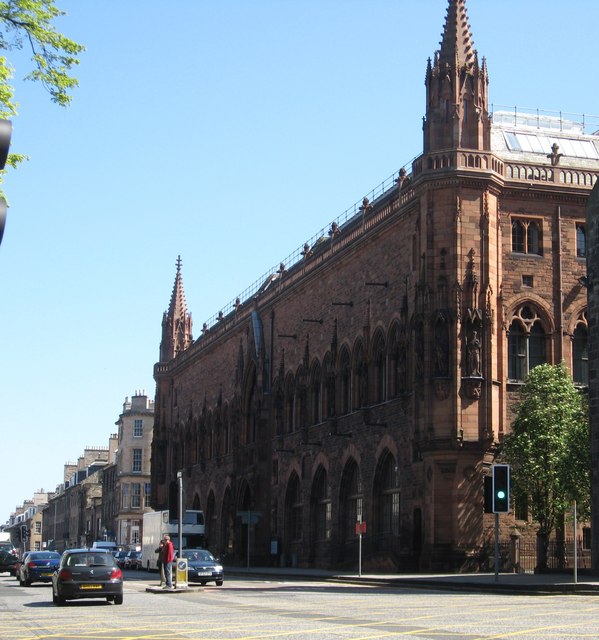
National Museum of Scotland
Chambers Street, Edinburgh EH1 1JF, UK
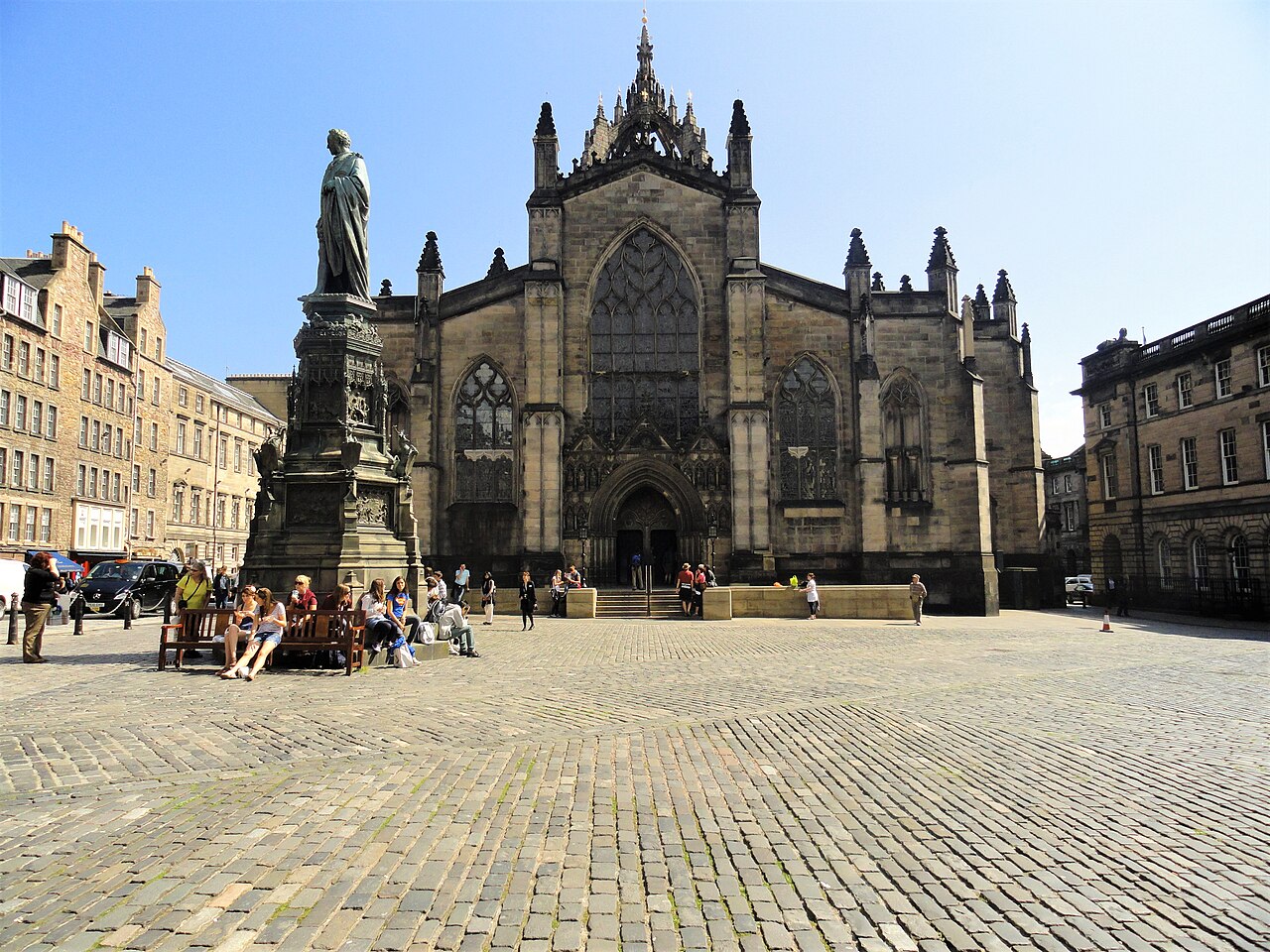
St Giles Cathedral
High Street, Edinburgh EH1 1RE, UK
Gothic in Edinburgh: Common Questions
Where can I see Gothic architecture in Edinburgh?
Key locations for Gothic architecture include Greyfriars Kirk, St Giles' Cathedral, and the National Museum of Scotland. These buildings are primarily found in the Old Town, particularly along the Royal Mile.
When was Gothic architecture prominent in Edinburgh?
Gothic architecture was prominent in Edinburgh from the late 15th century through the 19th century, with significant structures like St Giles' Cathedral being built during this time.
What are the key features of Gothic architecture?
Gothic architecture features include pointed arches, ribbed vaults, flying buttresses, and intricate stone carvings. St Giles' Cathedral is a prime example, showcasing these elements beautifully.
How does Gothic architecture in Edinburgh compare to other cities?
Edinburgh's Gothic architecture reflects local materials and historical context, resulting in distinctive styles. While similar to other cities, such as Paris or London, Edinburgh's use of sandstone and its unique historical narrative set it apart.
Can I visit these Gothic buildings?
Yes, Greyfriars Kirk, St Giles' Cathedral, and the National Museum of Scotland are all open to visitors. Each offers a glimpse into the rich Gothic heritage of Edinburgh, often with guided tours available.