Victorian Architecture — A Guide
Overview
Victorian architecture is less a single style than an entire era of architectural experimentation, encompassing Gothic Revival, Italianate, Second Empire, Queen Anne, Romanesque Revival, and more. What unites these diverse approaches is a shared love of ornament, a delight in new materials and technologies, and a Victorian confidence that more — more decoration, more color, more complexity — was always better.
Queen Victoria's long reign (1837–1901) coincided with Britain's industrial revolution, imperial expansion, and unprecedented prosperity. New materials (cast iron, plate glass, machine-made terracotta) and new technologies (railways, prefabrication) enabled architects to build faster, taller, and with more decorative complexity than ever before. The era produced everything from the Crystal Palace to Gothic Revival churches to elaborate painted-lady row houses, reflecting a society that valued progress, propriety, and visual richness.
Key Characteristics
- Elaborate ornamental detail — millwork, brackets, finials, and cresting
- Asymmetrical facades with complex rooflines and varied textures
- Rich use of color, often in polychrome schemes
- Bay windows, turrets, towers, and verandas
- Eclectic mixing of historical styles and periods
- New materials: cast iron, pressed metal, encaustic tiles
Famous Examples Worldwide
Crystal Palace
London, 1851
St Pancras Station
London, 1868
Painted Ladies
San Francisco, 1890s
Royal Albert Hall
London, 1871
Buildings in Our Library (255)
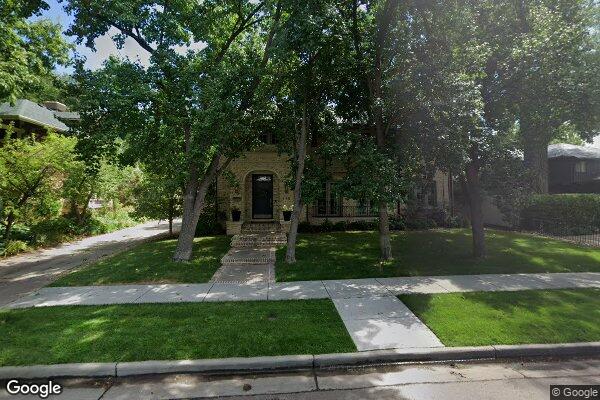
Residential Building
140 Lafayette St, Denver, CO 80218

Small Residential House
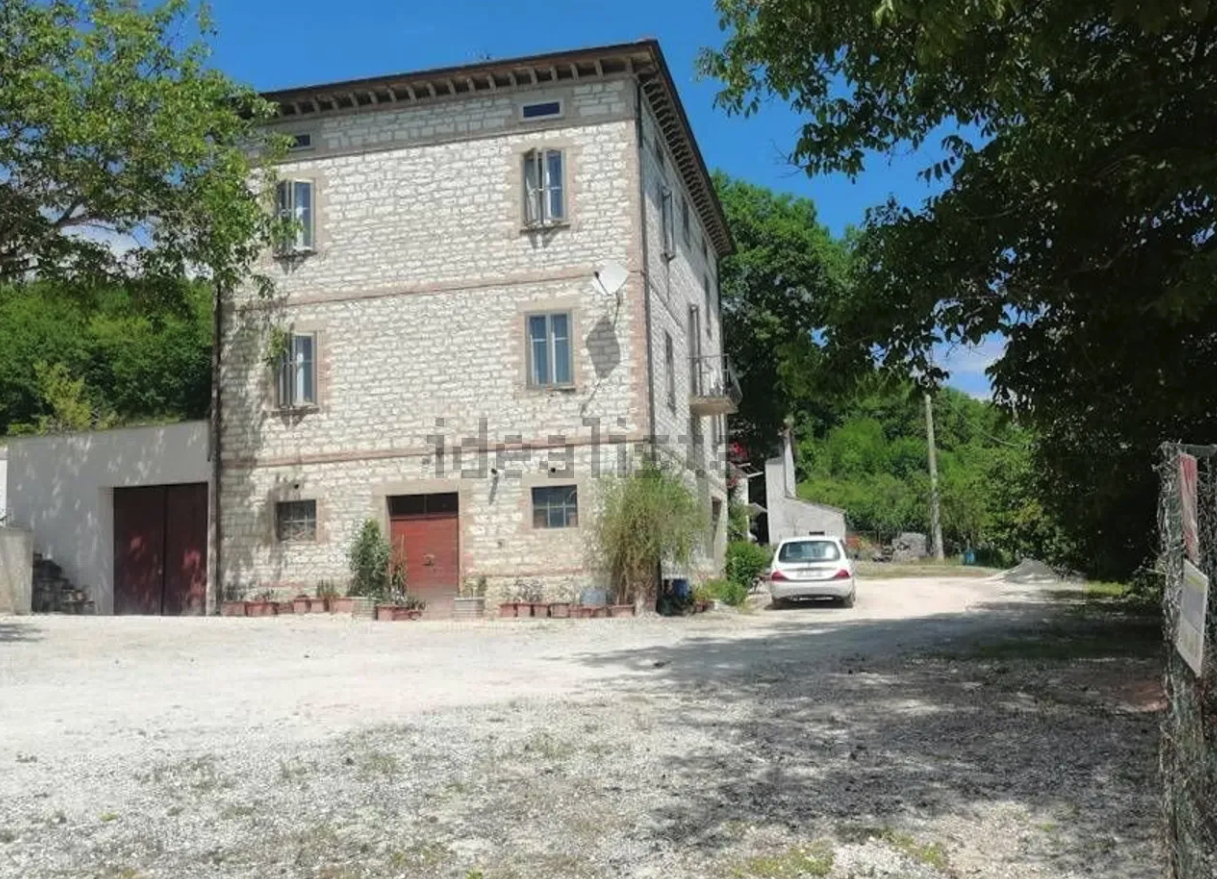
Stone House
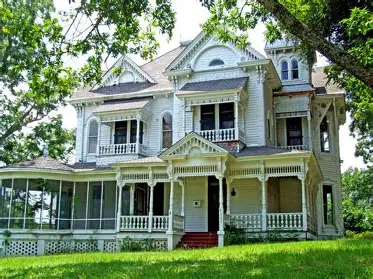
Victorian Mansion
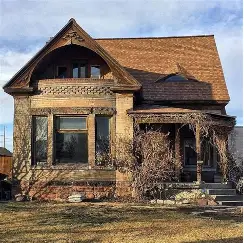
Victorian House
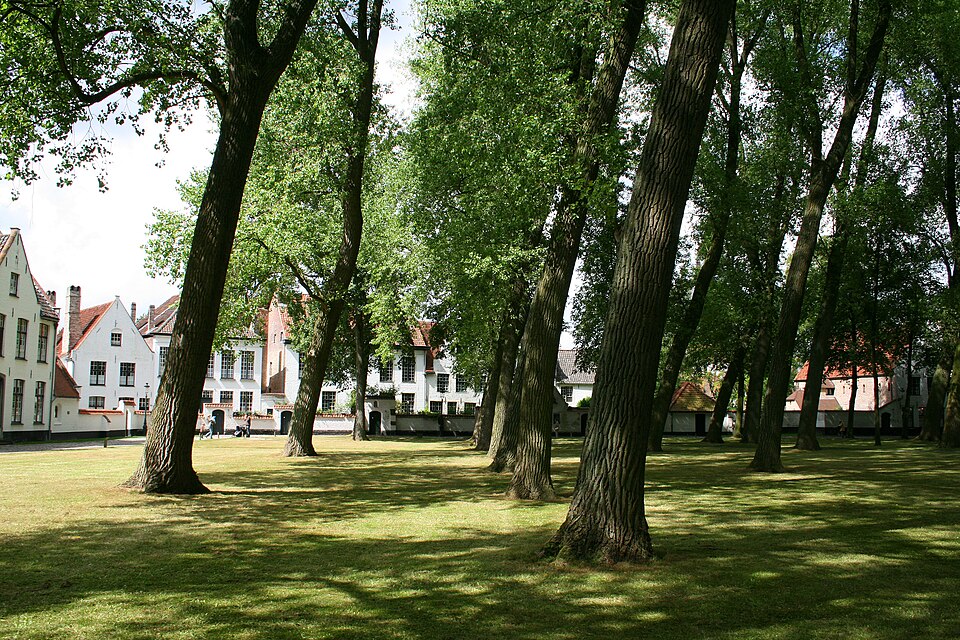
Begijnhof Bruges
Wijngaardplein, 8000 Brugge, Belgium
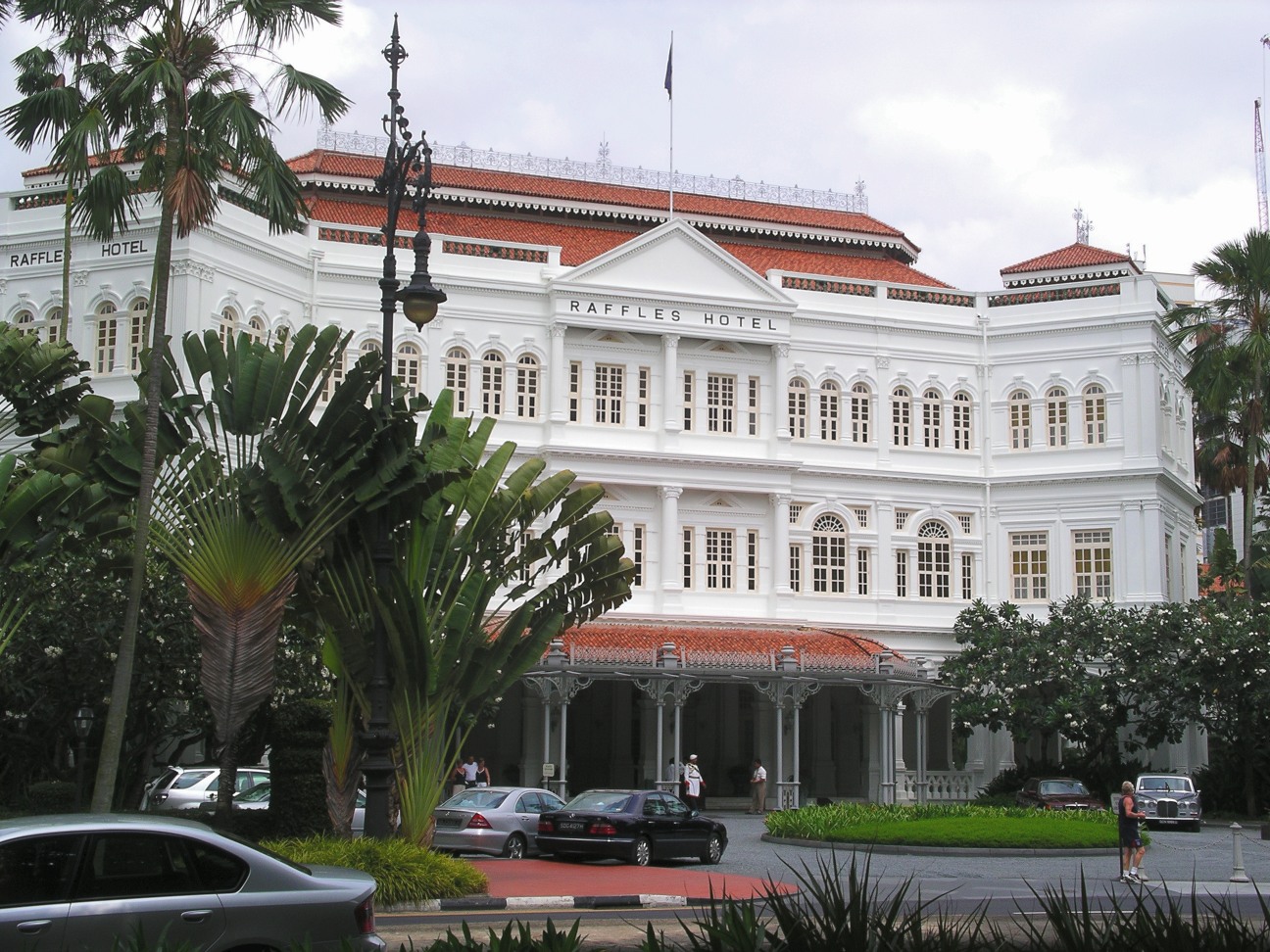
Singapore City Hall
3 St Andrew's Road, Singapore 178958
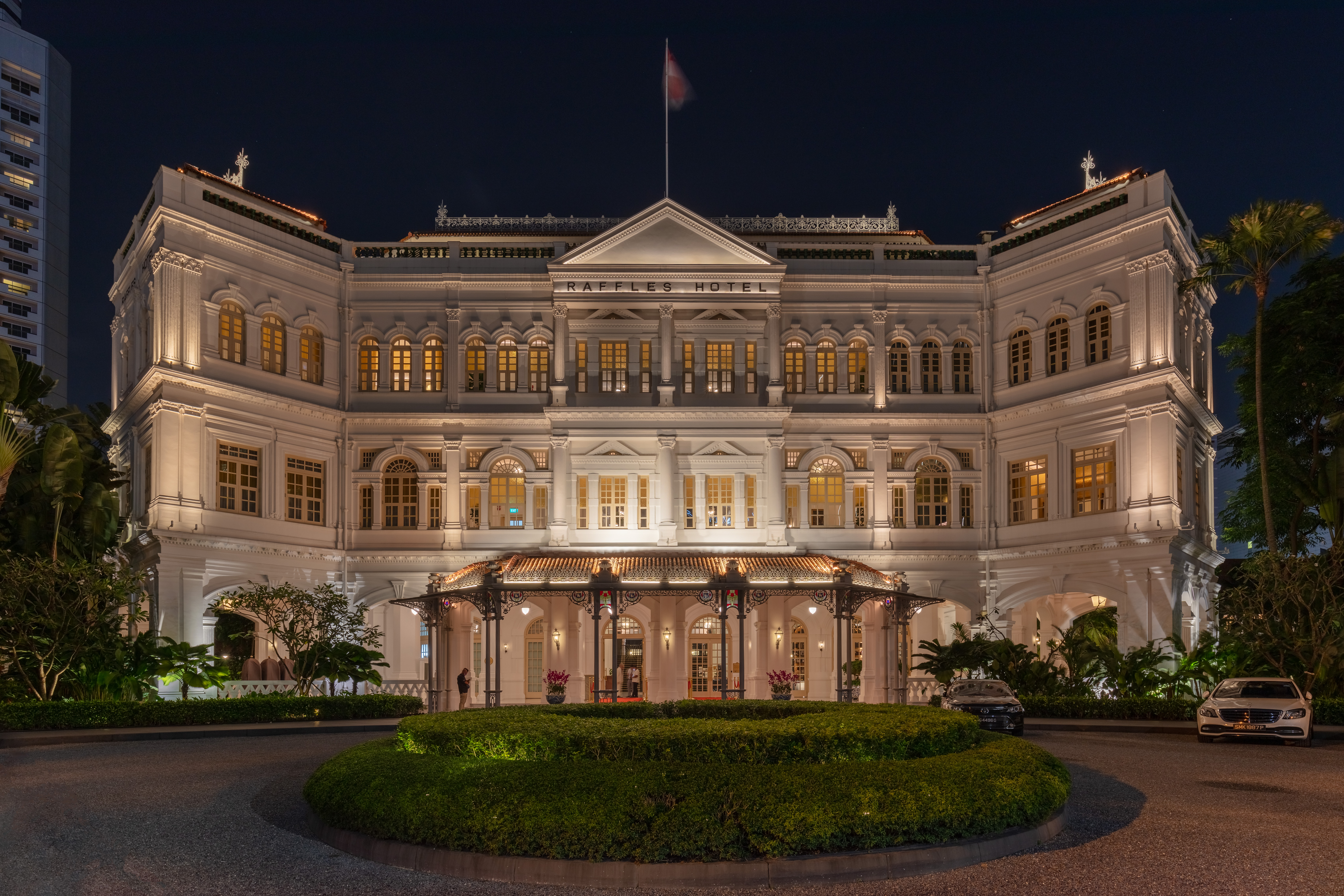
Raffles Hotel
1 Beach Road, Singapore 189673
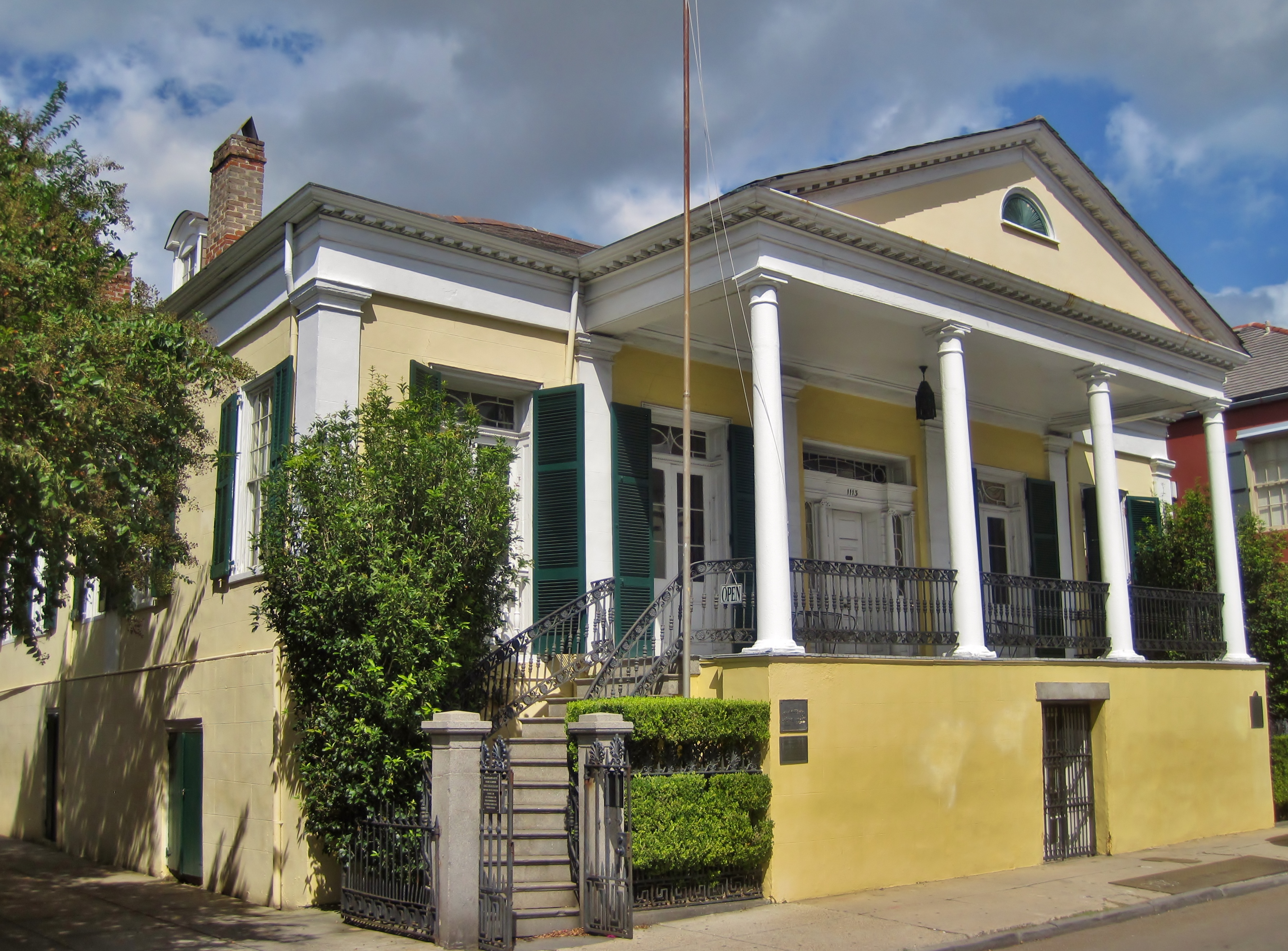
Beauregard-Keyes House
1113 Chartres Street, New Orleans, LA 70116
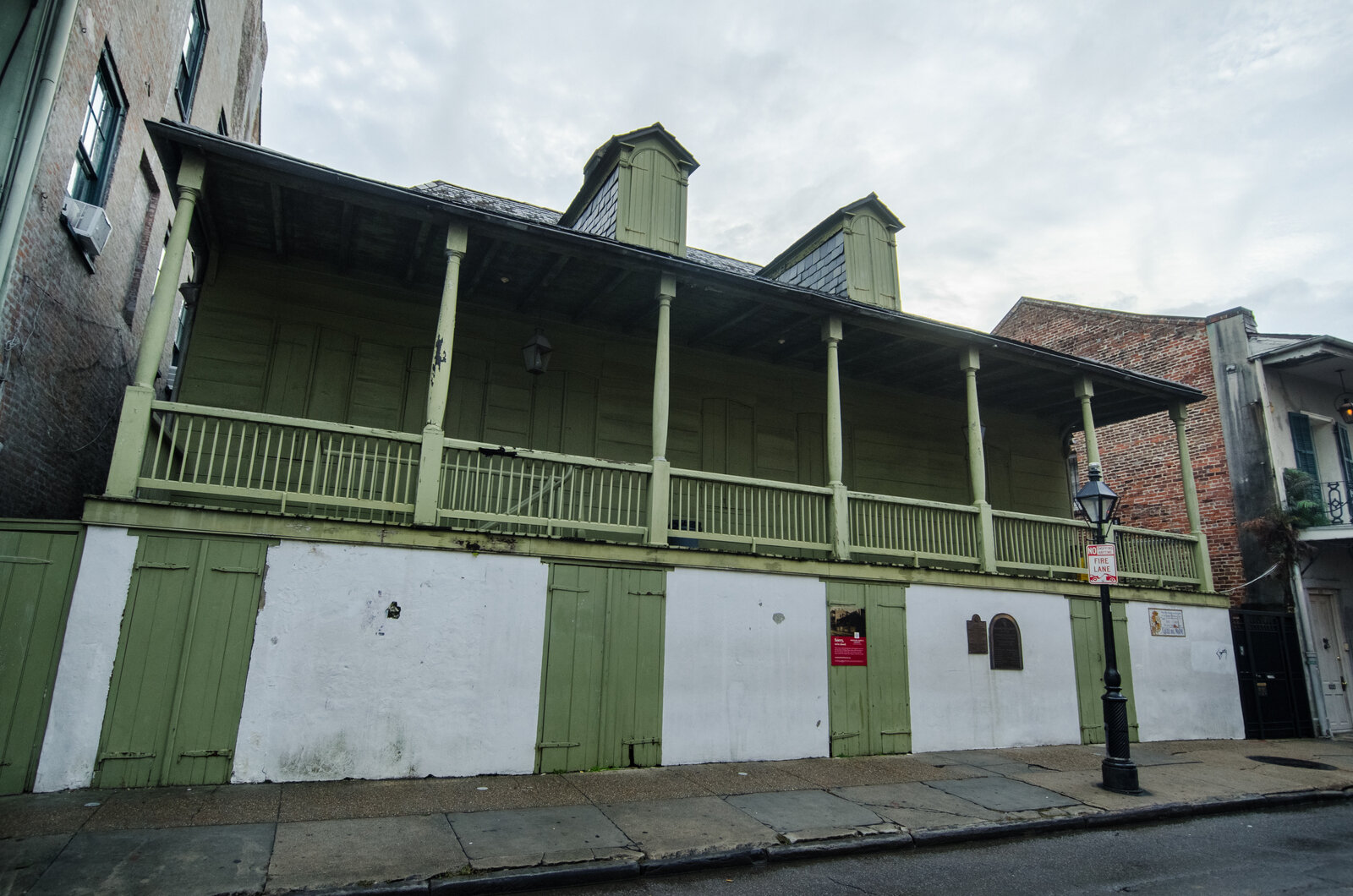
Madame John's Legacy
632 Dumaine Street, New Orleans, LA 70116
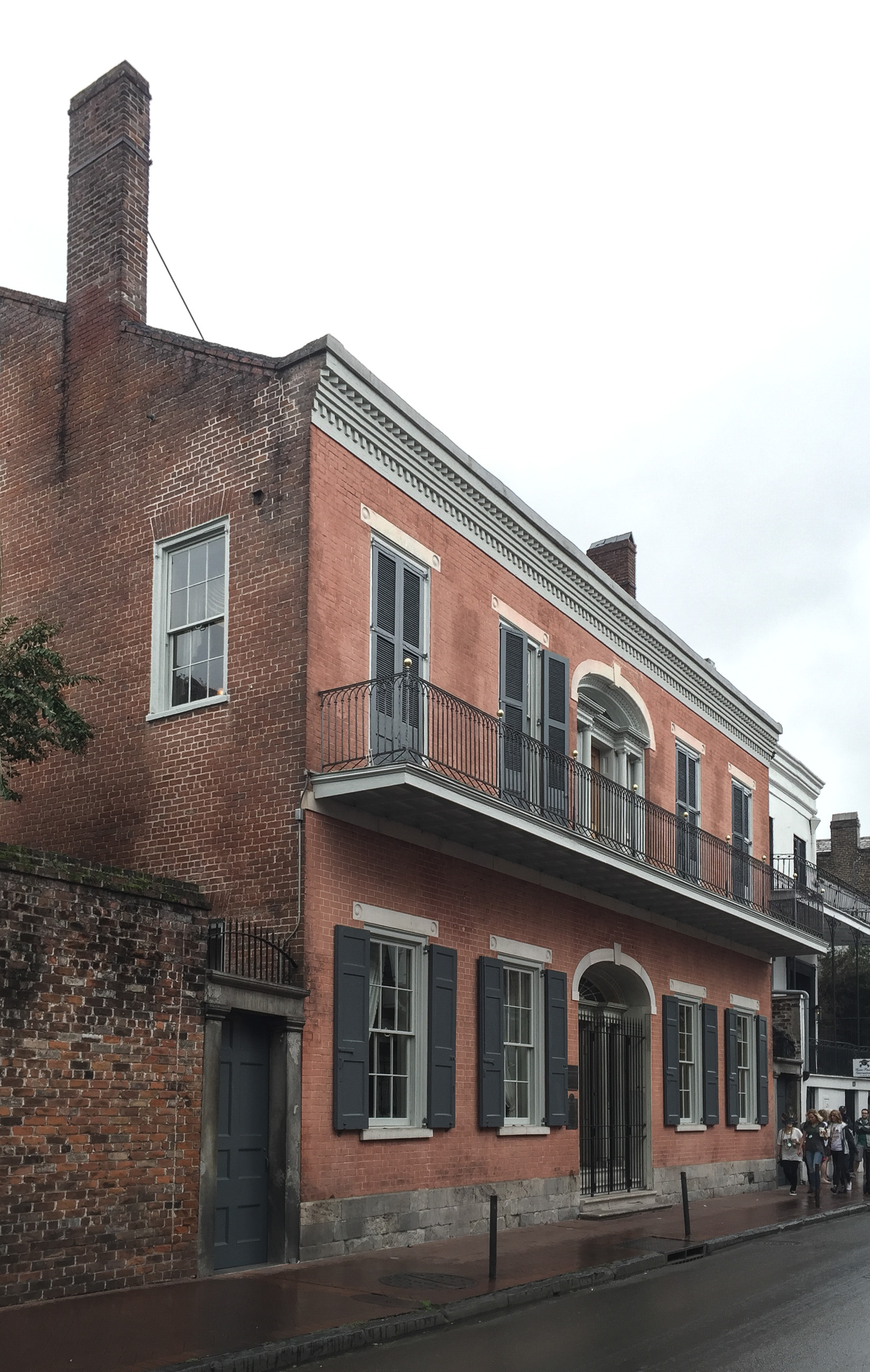
Hermann-Grima House
820 St. Louis Street, New Orleans, LA 70112
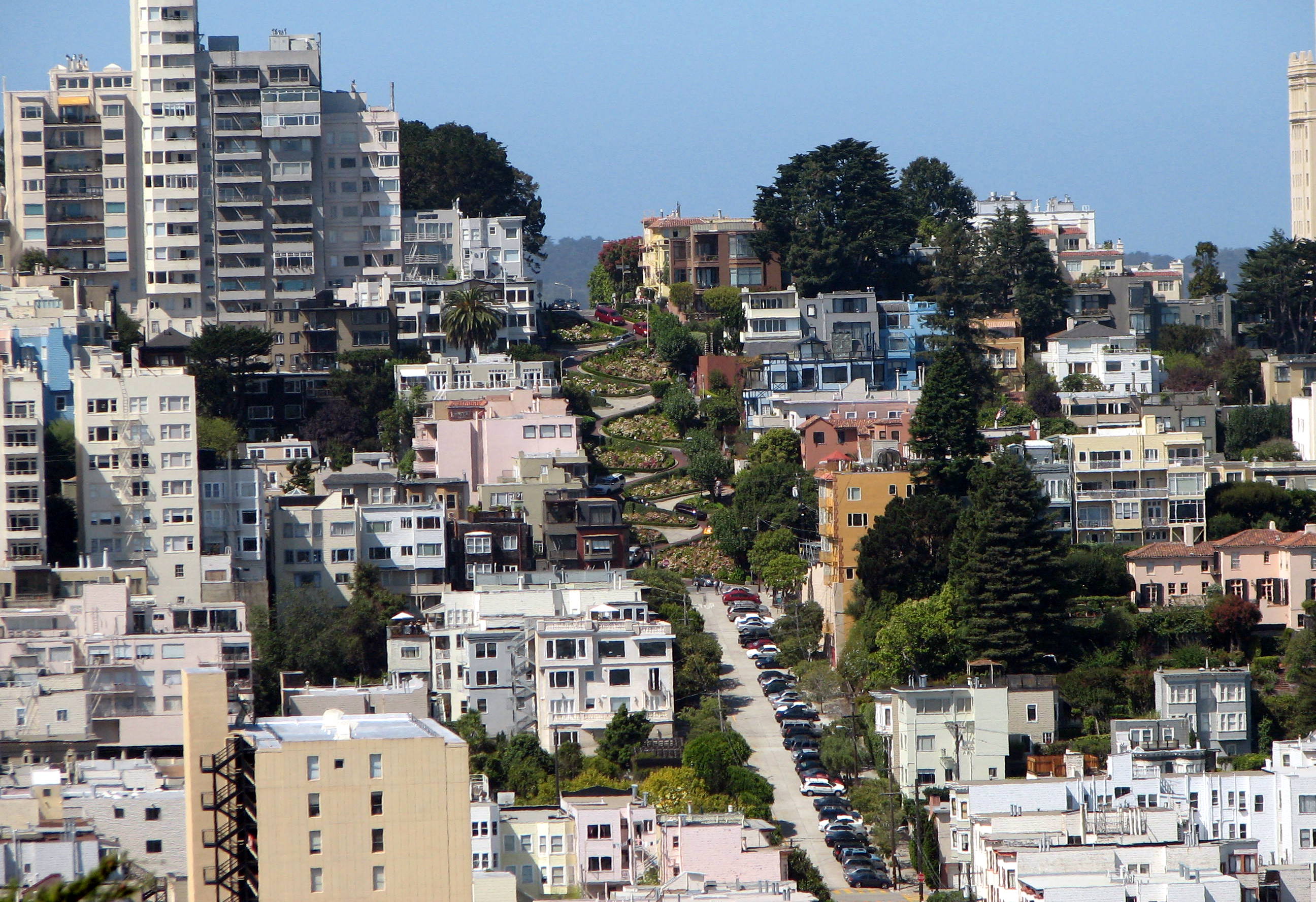
Lombard Street (Crooked Street)
Lombard St, San Francisco, CA 94133
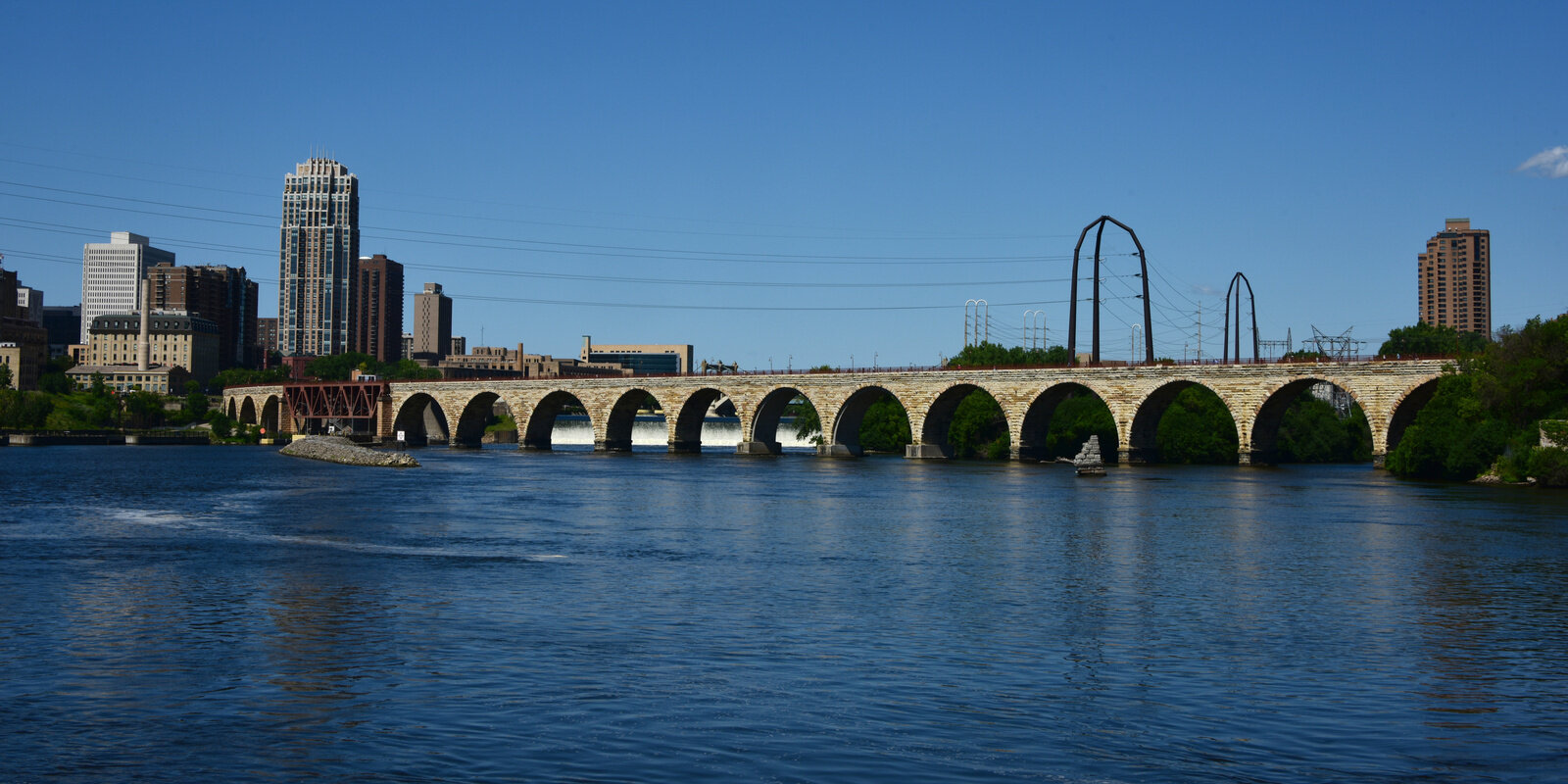
Grain Belt Brewery Complex
79 13th Avenue SE, Minneapolis, MN 55414
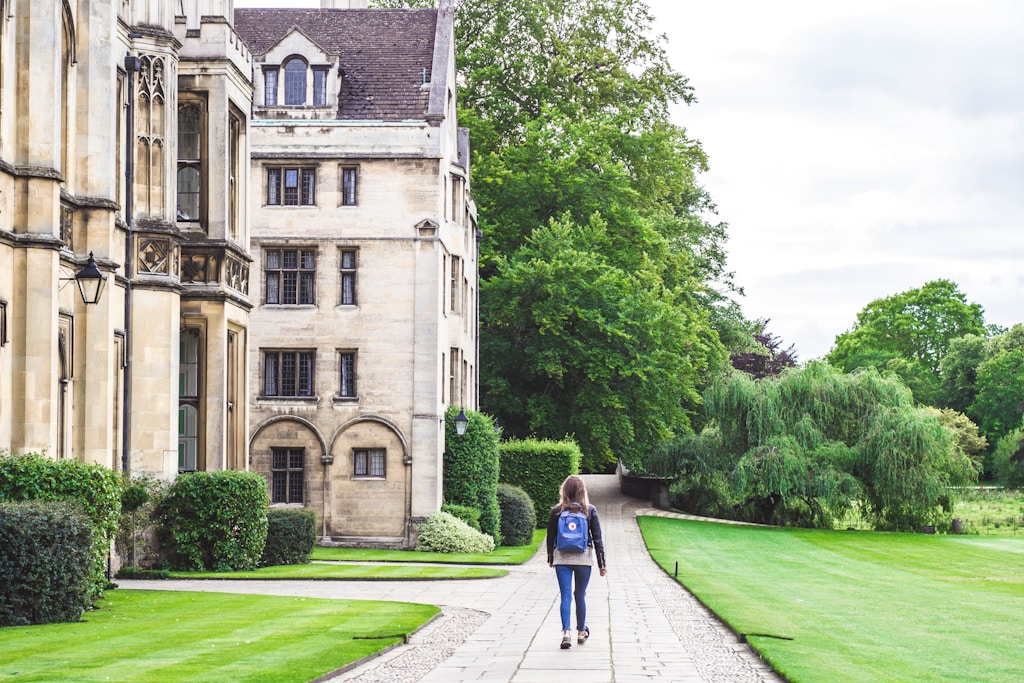
Esplanade - Theatres on the Bay
1 Esplanade Drive, Singapore 038981
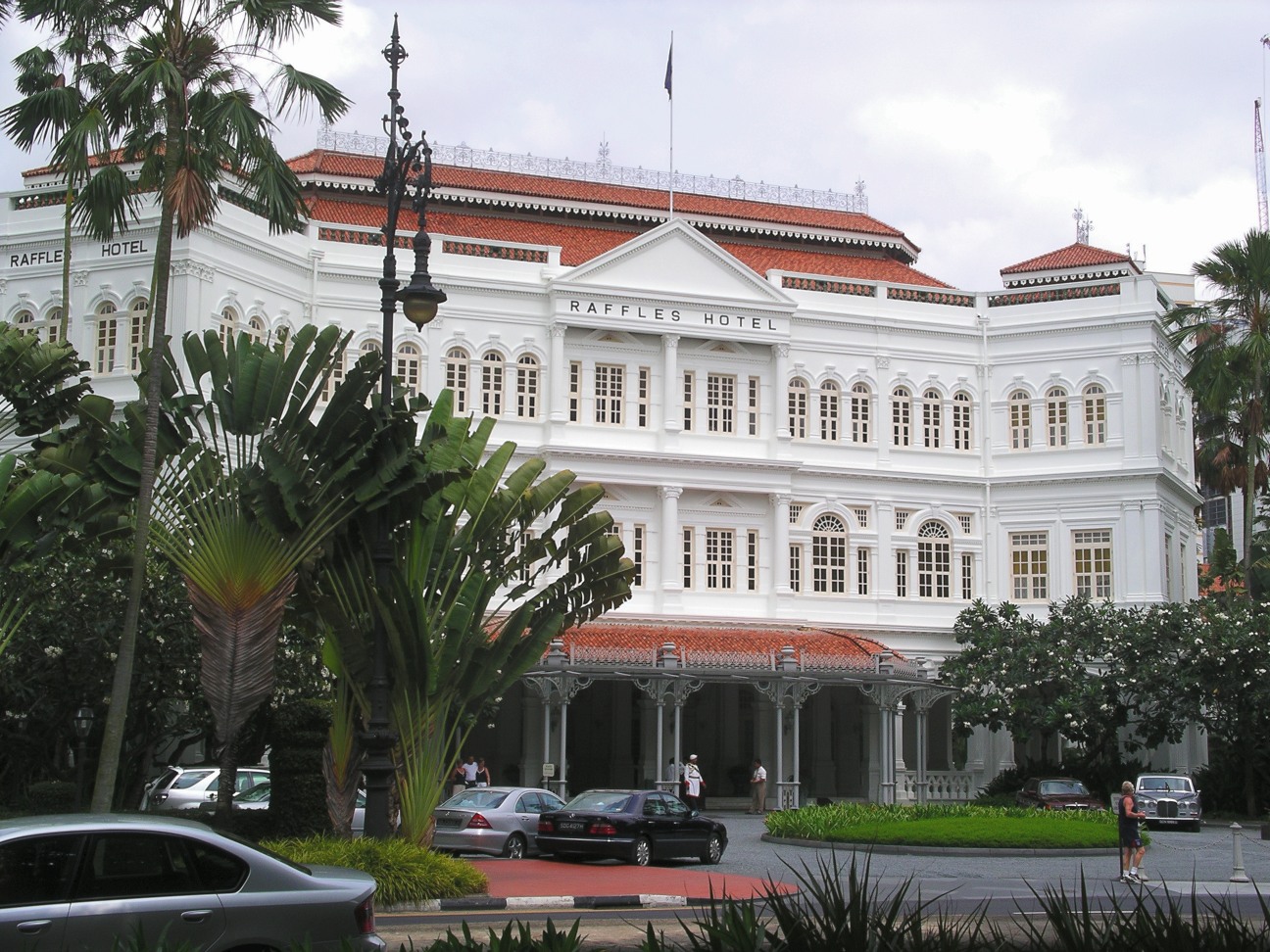
Raffles Hotel
1 Beach Road, Singapore 189673
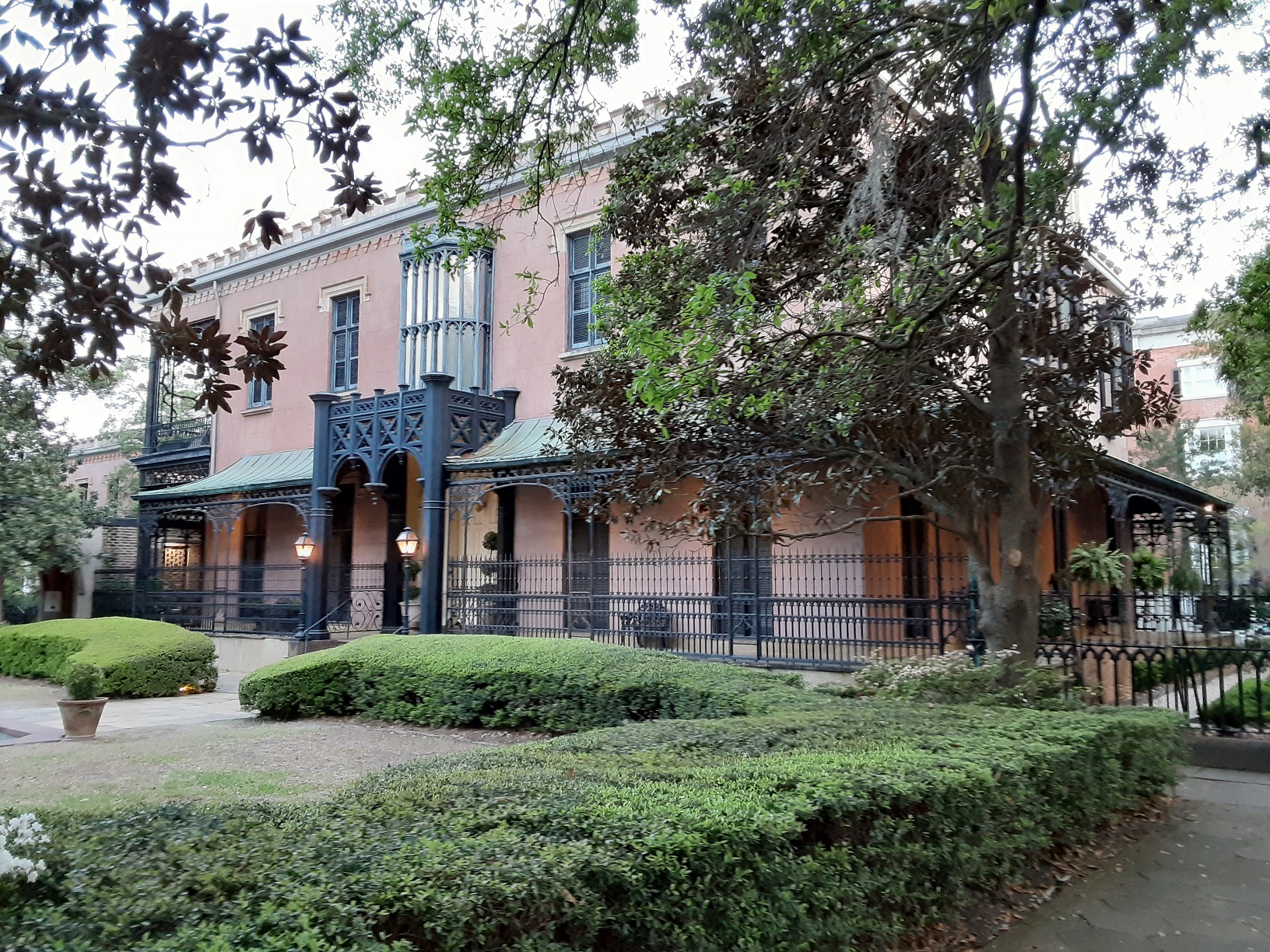
Green-Meldrim House
14 W Macon Street, Savannah, GA 31401
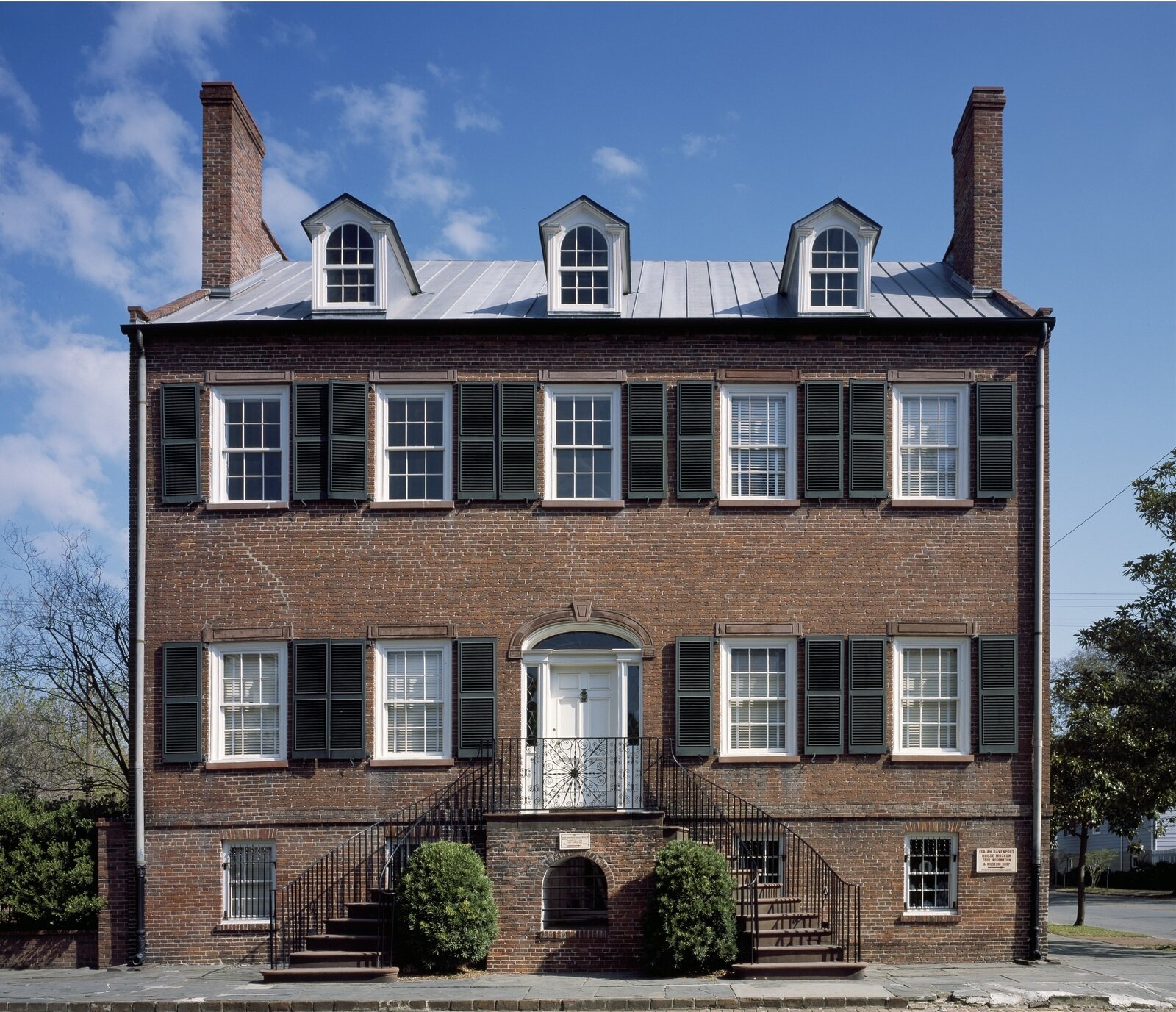
Isaiah Davenport House Museum
324 E State Street, Savannah, GA 31401

OBA Central Library
Oosterdokskade 143, Amsterdam
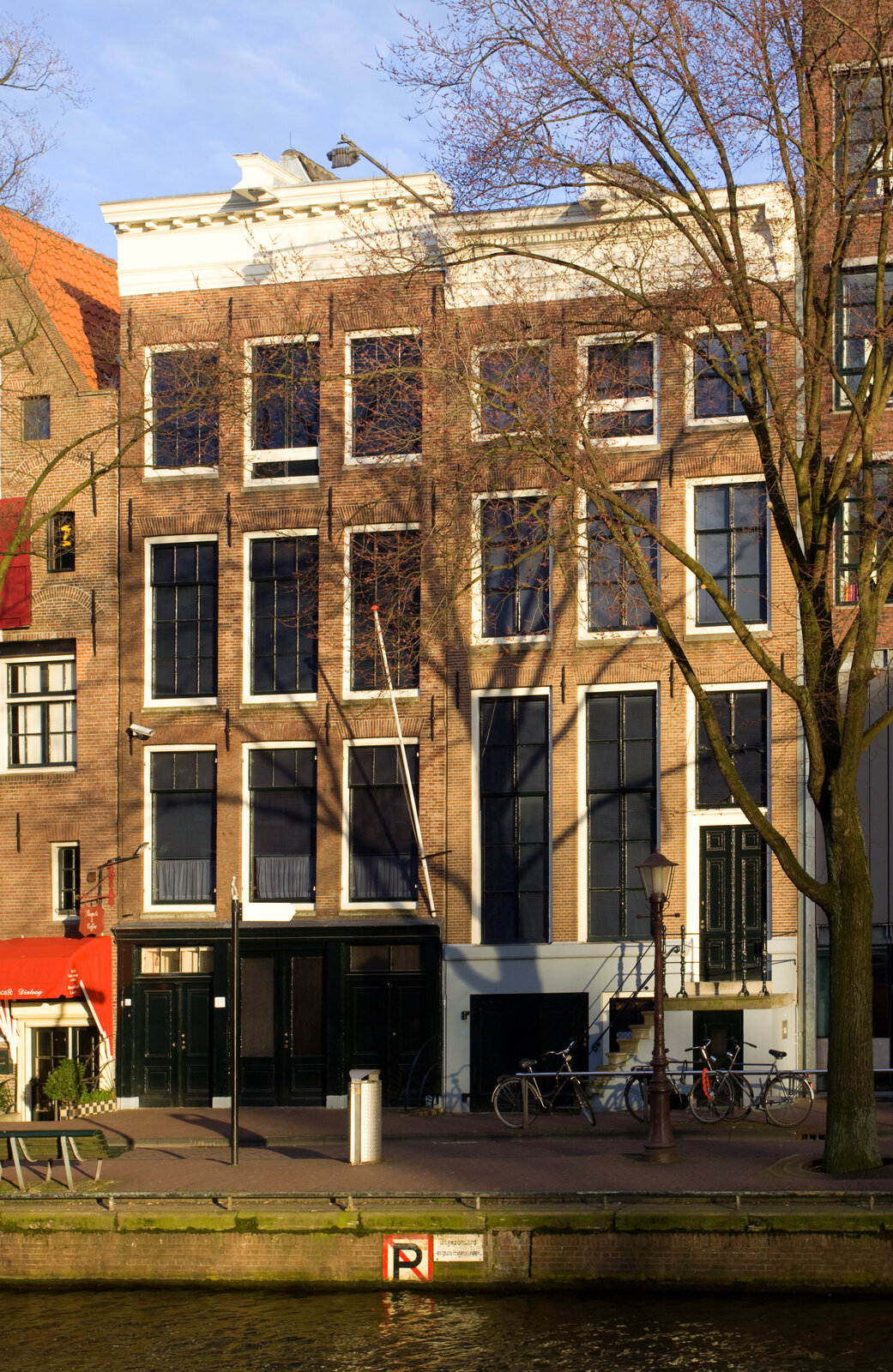
Anne Frank House
Prinsengracht 263-267, Amsterdam
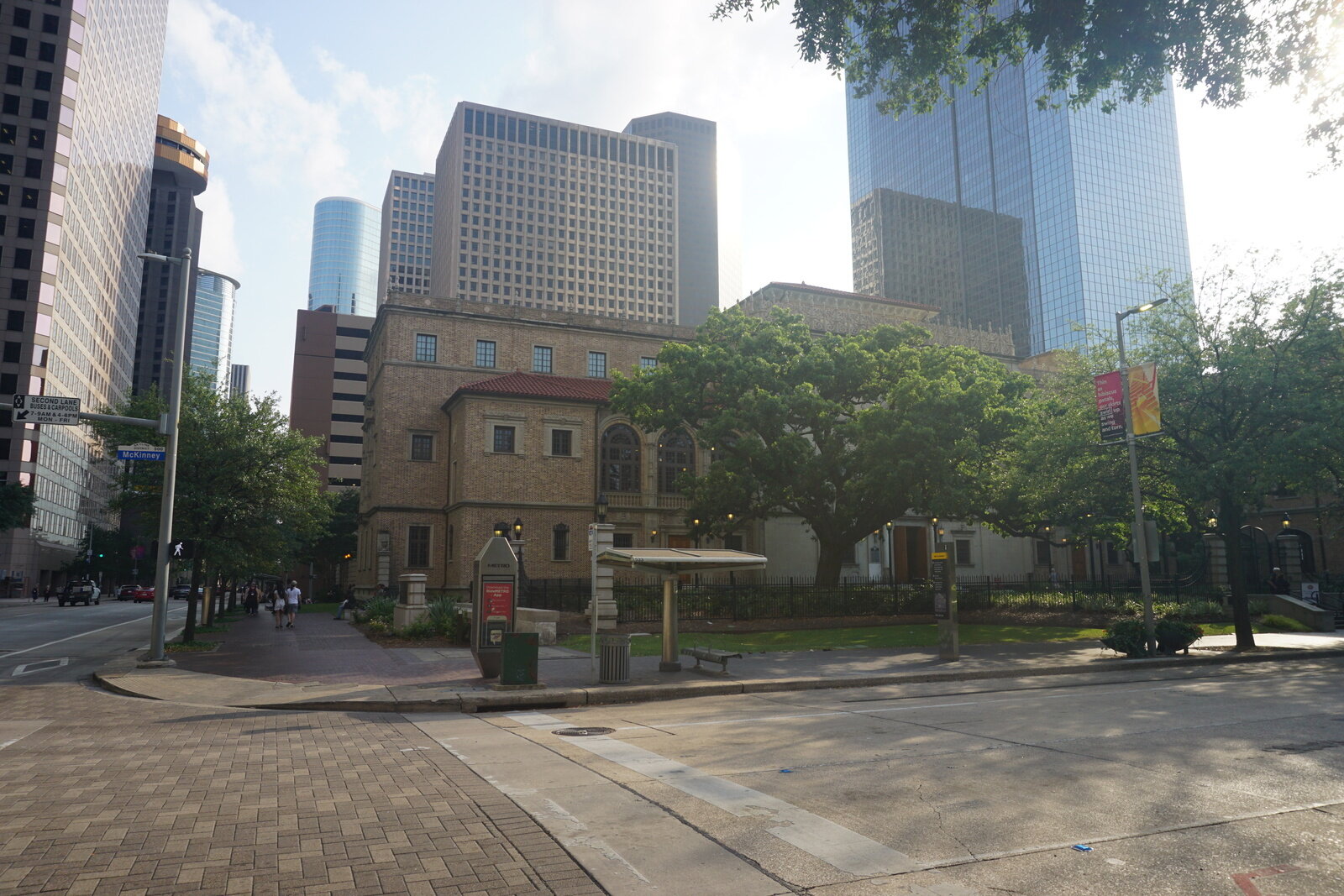
Julia Ideson Building
550 McKinney St, Houston, TX 77002
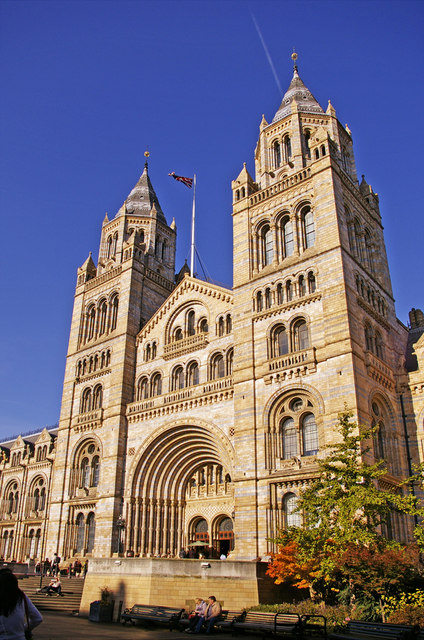
Natural History Museum
Cromwell Road, South Kensington, London SW7 5BD
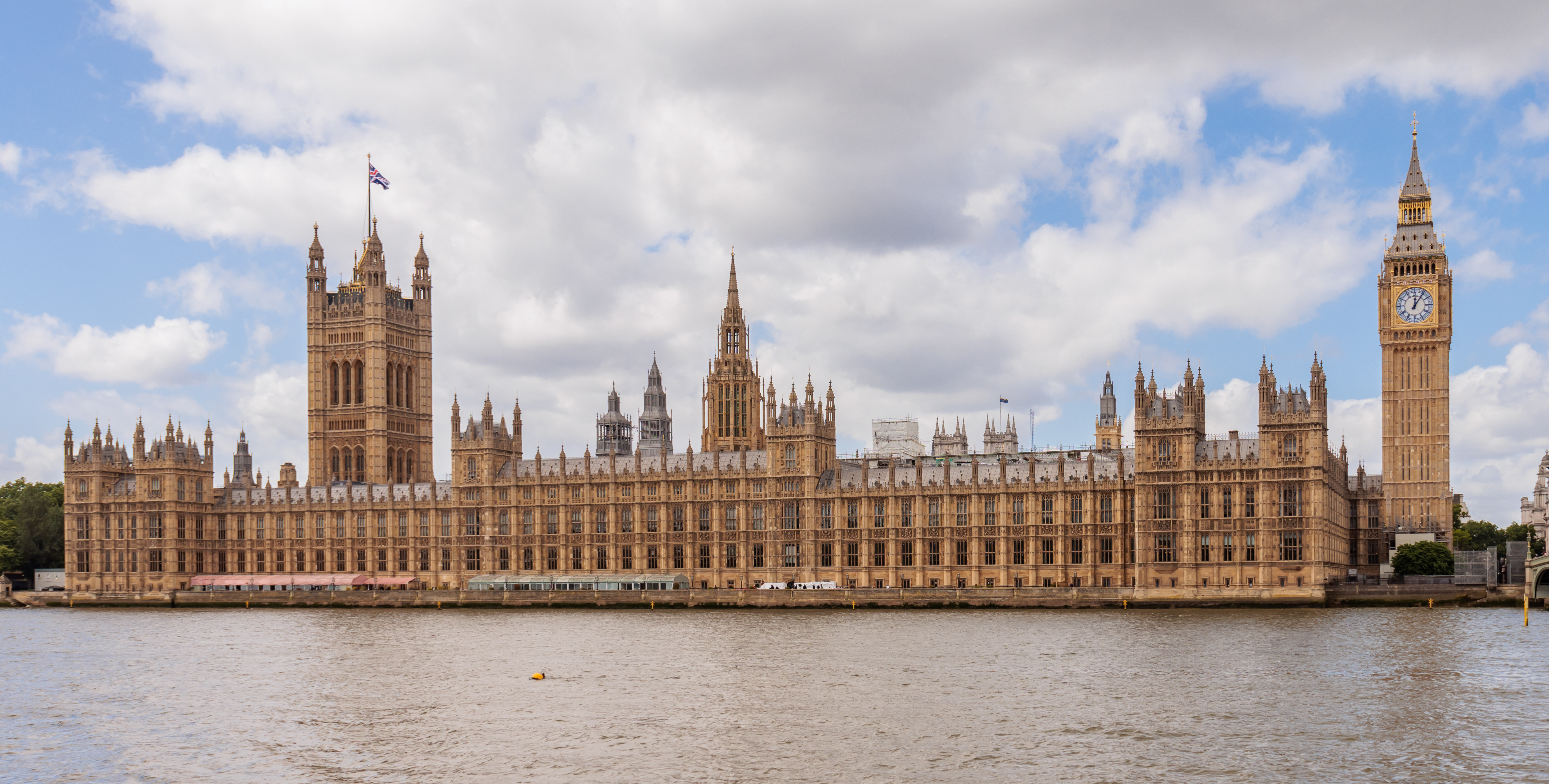
Palace of Westminster
Westminster, London SW1A 0AA
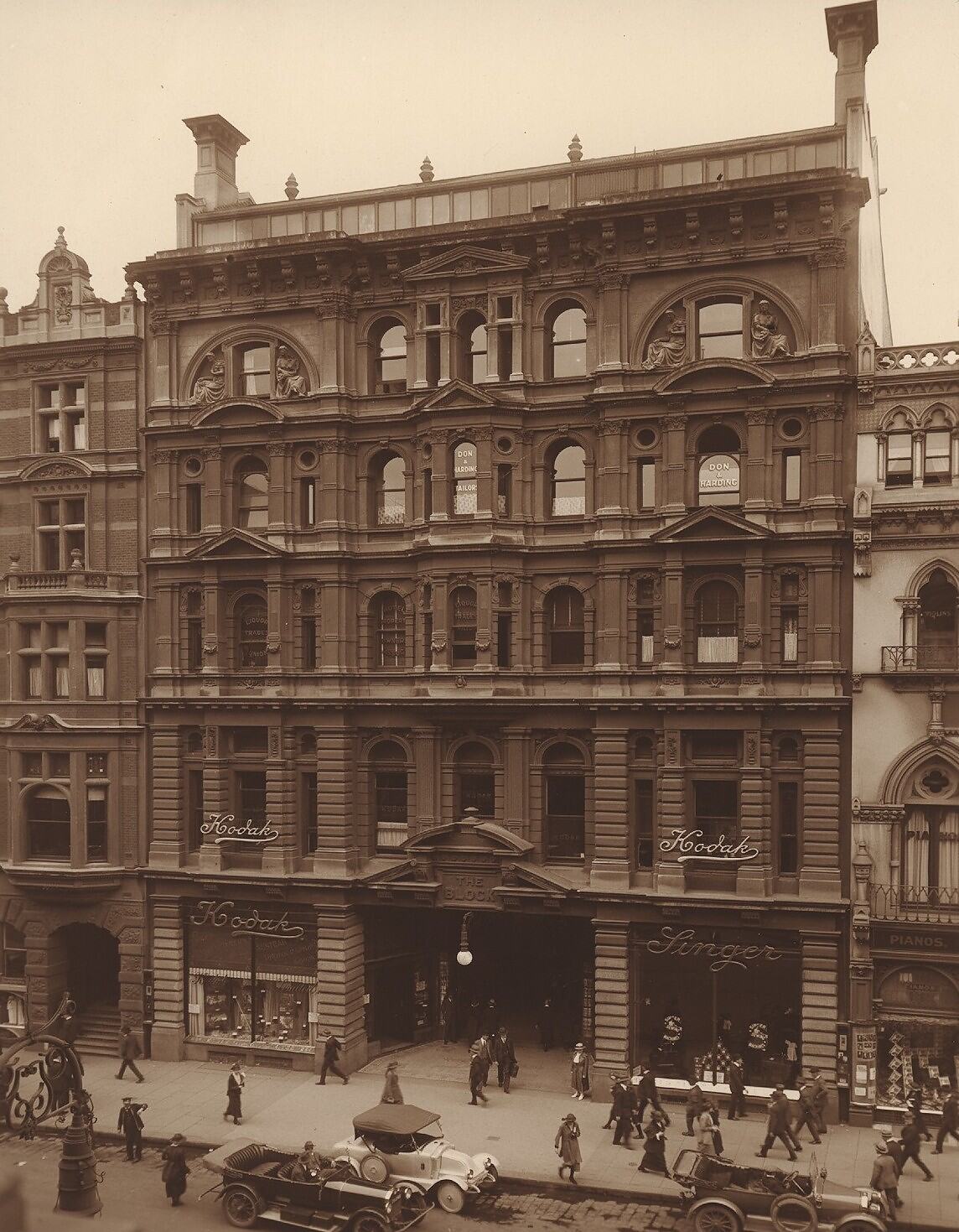
Block Arcade
282 Collins Street, Melbourne, VIC 3000
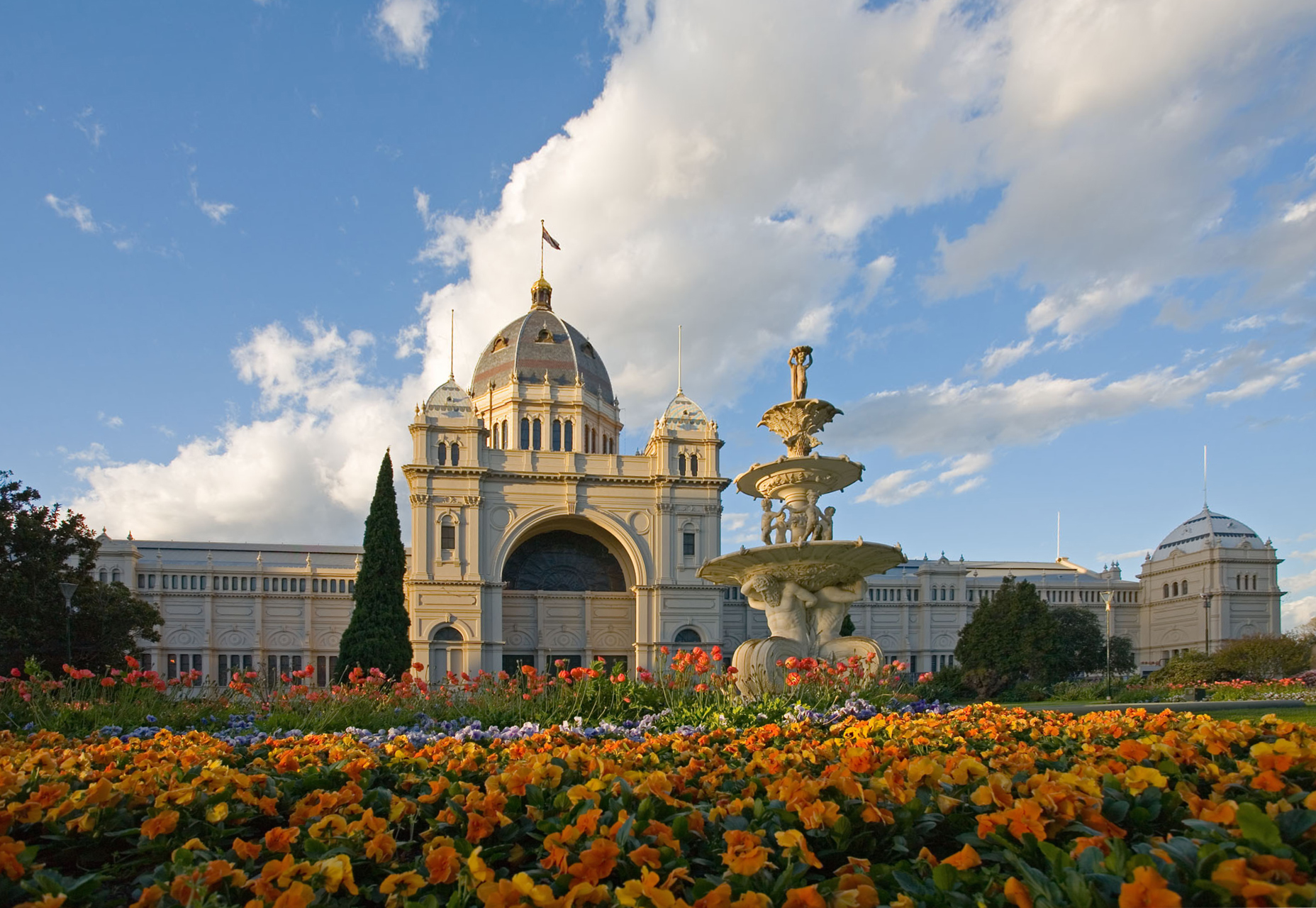
Royal Exhibition Building
9 Nicholson Street, Carlton, VIC 3053
Where to Find Victorian Architecture
Related Styles
Why Victorian Matters Today
The Victorian era demonstrated that architectural innovation and ornamental richness are not opposites. Its buildings — beloved for their character, craftsmanship, and individuality — remind us that architecture can be simultaneously progressive and decorative, functional and delightful.
Frequently Asked Questions
What is Victorian architecture?
Victorian architecture is less a single style than an entire era of architectural experimentation, encompassing Gothic Revival, Italianate, Second Empire, Queen Anne, Romanesque Revival, and more. What unites these diverse approaches is a shared love of ornament, a delight in new materials and technologies, and a Victorian confidence that more — more decoration, more color, more complexity — was always better.
When was Victorian architecture popular?
Victorian architecture flourished 1837–1901, originating in United Kingdom.
What are the key characteristics of Victorian architecture?
Typical Victorian features include: elaborate ornamental detail — millwork, brackets, finials, and cresting, asymmetrical facades with complex rooflines and varied textures, rich use of color, often in polychrome schemes, bay windows, turrets, towers, and verandas, and eclectic mixing of historical styles and periods.
Where can I see Victorian architecture?
In the Architecture Helper library, Victorian buildings are most concentrated in Savannah, Den Haag, Sydney, New Orleans, and Denver. Famous examples worldwide include Crystal Palace (London), St Pancras Station (London), and Painted Ladies (San Francisco).
Which styles are related to Victorian?
Buildings analyzed as Victorian most often also show Colonial Revival, Gothic, Beaux-Arts, and Romanesque Revival, so those are the styles worth comparing it against.