Victorian Architecture in New York
Explore 3 victorian buildings that shape New York's architectural identity
The Victorian era, spanning from the mid-19th century to the early 20th century, left a significant mark on New York City, reflecting a time of prosperity and rapid urban growth. Driven by the Industrial Revolution, the local economy flourished, allowing for the construction of elaborate residential and public buildings. The eclectic nature of Victorian architecture is apparent throughout the city, featuring intricate details and a mix of styles that cater to the era's fascination with ornamentation.
One notable example is The Dakota, built in 1884. This striking cooperative apartment building is renowned for its stunning Gothic Revival design, characterized by its pointed arches, intricate masonry, and ornate ironwork. Located on the Upper West Side, The Dakota has become an iconic part of New York's architectural landscape, synonymous with luxury and history.
Another significant structure is St. Patrick's Cathedral, completed in 1878. This Neo-Gothic masterpiece stands prominently on Fifth Avenue and is distinguished by its soaring spires and elaborate facade. The cathedral serves as a spiritual and cultural landmark, reflecting the era's architectural ambitions while providing a serene space for worship amidst the bustling city.
Lastly, 175 5th Ave showcases a unique blend of architectural styles, with its Romanesque Revival features and rich decorative elements. Situated in the Flatiron District, this building exemplifies the diverse interpretations of Victorian architecture that emerged in New York, displaying both grandeur and attention to detail. Neighborhoods like the Upper West Side and Midtown are key areas where one can appreciate the distinct characteristics of Victorian architecture.
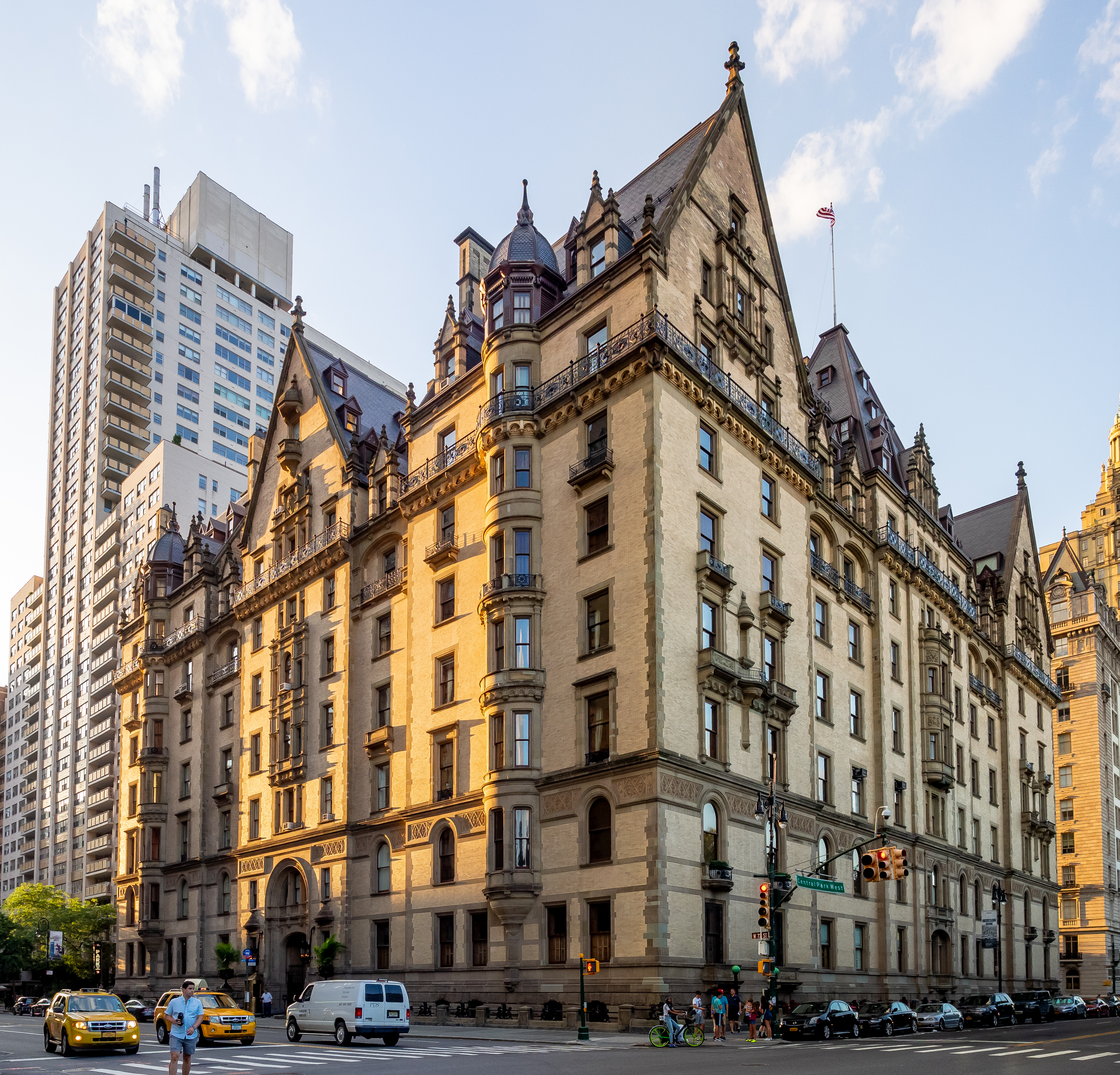
The Dakota
1 W 72nd St, New York, NY 10023
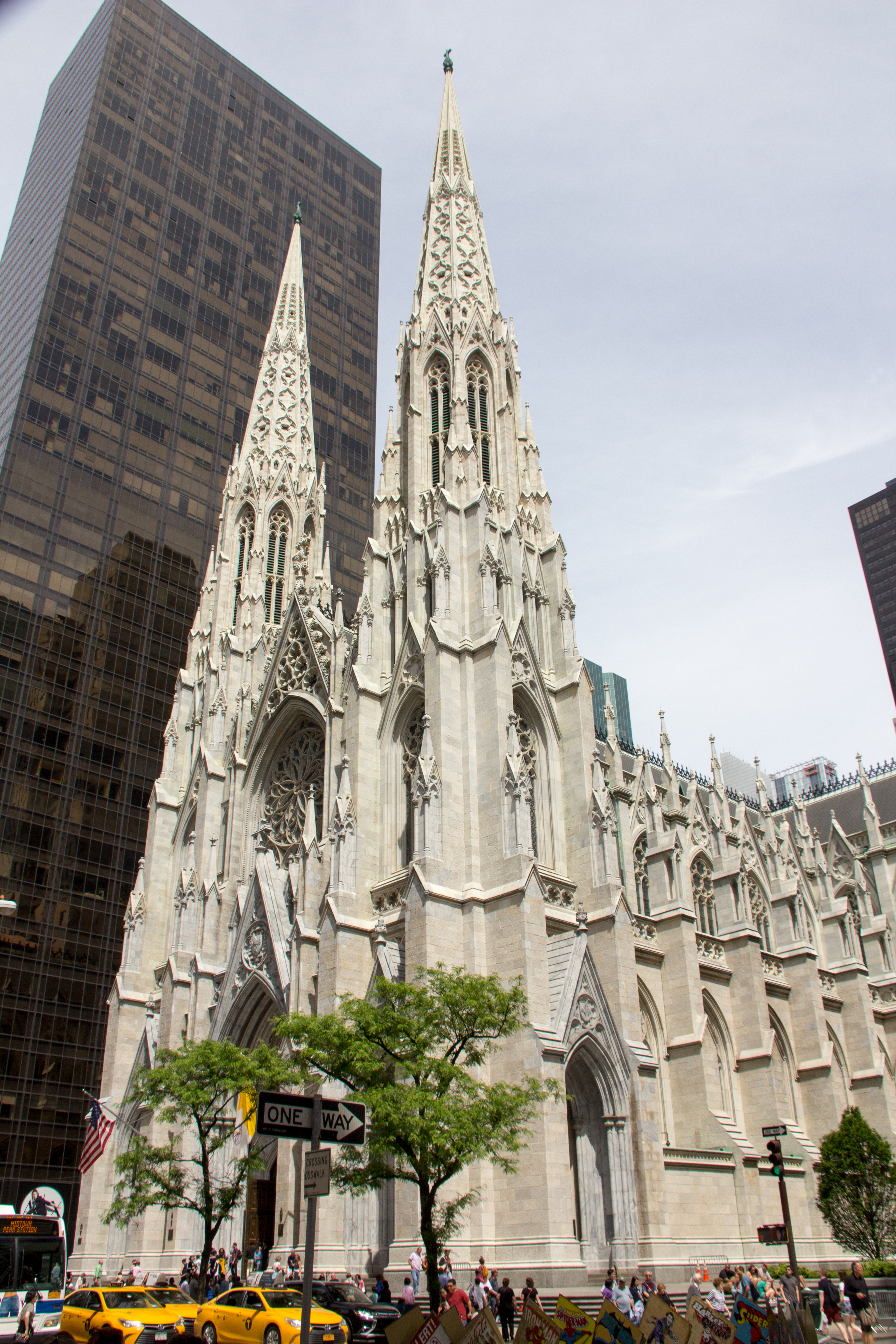
St. Patricks Cathedral
5th Ave & 50th St, New York, NY 10022
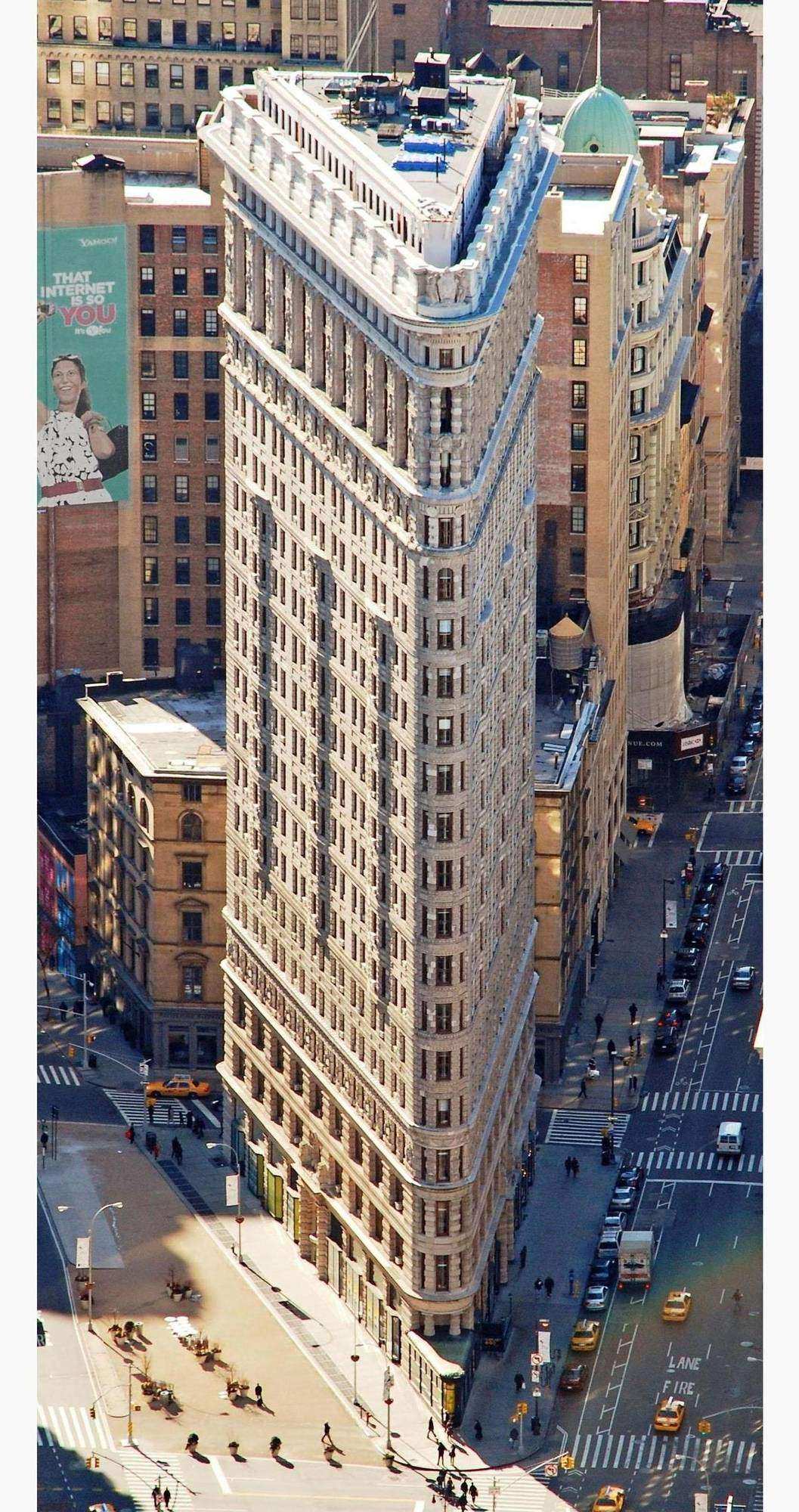
175 5th Ave, New York, NY 10010
175 5th Ave, New York, NY 10010
Victorian in New York: Common Questions
Where can I see Victorian architecture in New York?
You can see Victorian architecture at various locations, including The Dakota on the Upper West Side and St. Patrick's Cathedral on Fifth Avenue. These buildings exemplify the distinct features of the style and are easily accessible for viewing.
When was Victorian architecture popular in New York?
Victorian architecture became popular in New York City during the mid to late 19th century, roughly from the 1840s to the early 1900s, coinciding with the city's rapid economic growth and urban development.
What should I look for in Victorian buildings?
Look for intricate details such as decorative cornices, patterned brickwork, and ornate woodwork. Buildings like The Dakota and St. Patrick's Cathedral showcase these characteristics prominently, reflecting the era's architectural richness.
How does New York's Victorian architecture compare to other cities?
New York’s Victorian architecture is distinctive due to its eclectic mix of styles and materials, influenced by the city’s diverse cultural landscape. This contrasts with cities like Boston, which has a more uniform Colonial Revival style in its Victorian buildings.
Can I visit these Victorian buildings?
Yes, both The Dakota and St. Patrick's Cathedral are accessible for visitors. While The Dakota is a private residence, its exterior can be admired. St. Patrick's Cathedral is open to the public for tours and services, allowing visitors to experience its grandeur.