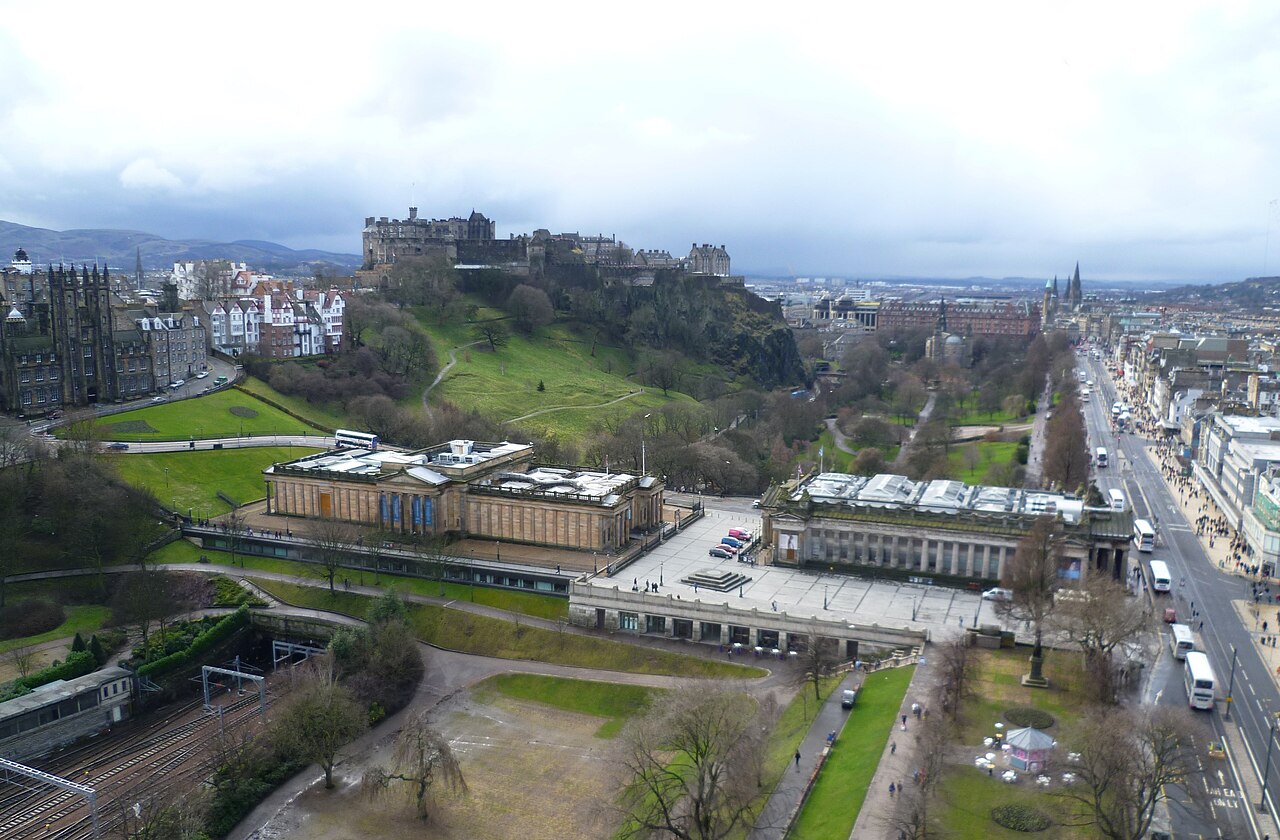
National Gallery of Scotland, Edinburgh
-
Neoclassical 90%
-
Victorian 75%
The National Gallery of Scotland is an important cultural institution that showcases an extensive collection of fine art. Its neoclassical design reflects the aspirations of the time, blending functionality with grandeur, emphasizing symmetry and aesthetics.
Architectural Styles
Neoclassical
90%The Neoclassical style is evident in the National Gallery of Scotland through its use of columns, pediments, and stately proportions. The façade features traditional Greek and Roman architectural elements, providing a sense of elegance and permanence.
- Prominent façade with columns
- Symmetrical layout
- Use of pediment
- Classic detailing
- Grand scale
Victorian
75%Influences of the Victorian architectural style can be seen in the ornate details and the building's imposing scale. The integration of art into the architecture reflects the era's appreciation for aesthetic detail.
- Elaborate decorative elements
- Rich materials
- Impactful massing
- Attention to craftsmanship
- Integration of art and architecture
Notable Features
- Statues of prominent artists at the entrance
- Large domed roof structure
- A central grand staircase
- Gallery spaces filled with natural light
- An expansive collection of Scottish art
Historical Context
Built in the mid-19th century, the National Gallery of Scotland was established to house the national collection of fine art. It played a significant role in the cultural development of Edinburgh and reflects the Victorian ambition to promote art and education.
Fun Facts
- The gallery boasts works by renowned artists such as Van Gogh and Turner.
- It was one of the first galleries in the world to display art in natural light.
- The building's design draws inspiration from ancient Greek temples.
Frequently Asked Questions
What architectural style is National Gallery of Scotland?
National Gallery of Scotland is primarily Neoclassical architecture (90% confidence), with elements of Victorian. The Neoclassical style is evident in the National Gallery of Scotland through its use of columns, pediments, and stately proportions. The façade features traditional Greek and Roman architectural elements, providing a sense of elegance and permanence.
When was National Gallery of Scotland built?
National Gallery of Scotland dates from 1850s.
Who designed National Gallery of Scotland?
National Gallery of Scotland was designed by William Henry Playfair.
Where is National Gallery of Scotland located?
National Gallery of Scotland is located at East Princes Street Gardens, Edinburgh, UK.
What are the notable features of National Gallery of Scotland?
Notable features include statues of prominent artists at the entrance, large domed roof structure, a central grand staircase, gallery spaces filled with natural light, and an expansive collection of scottish art.
Similar Style Buildings

Dagelijkse Groenmarkt 33, Den Haag
Victorian
Residential Building
Victorian
Den Haag, The Netherlands
Victorian
1338 N Marion St, Denver, CO 80218
Victorian
Koningsplein 43, 2518 JH Den Haag
Victorian
Regentesseplein 220A, 2562 EZ Den Haag
Victorian
Kortenaerkade 11, 2518 AX Den Haag
Victorian
N/A
Tudor RevivalNearby Buildings
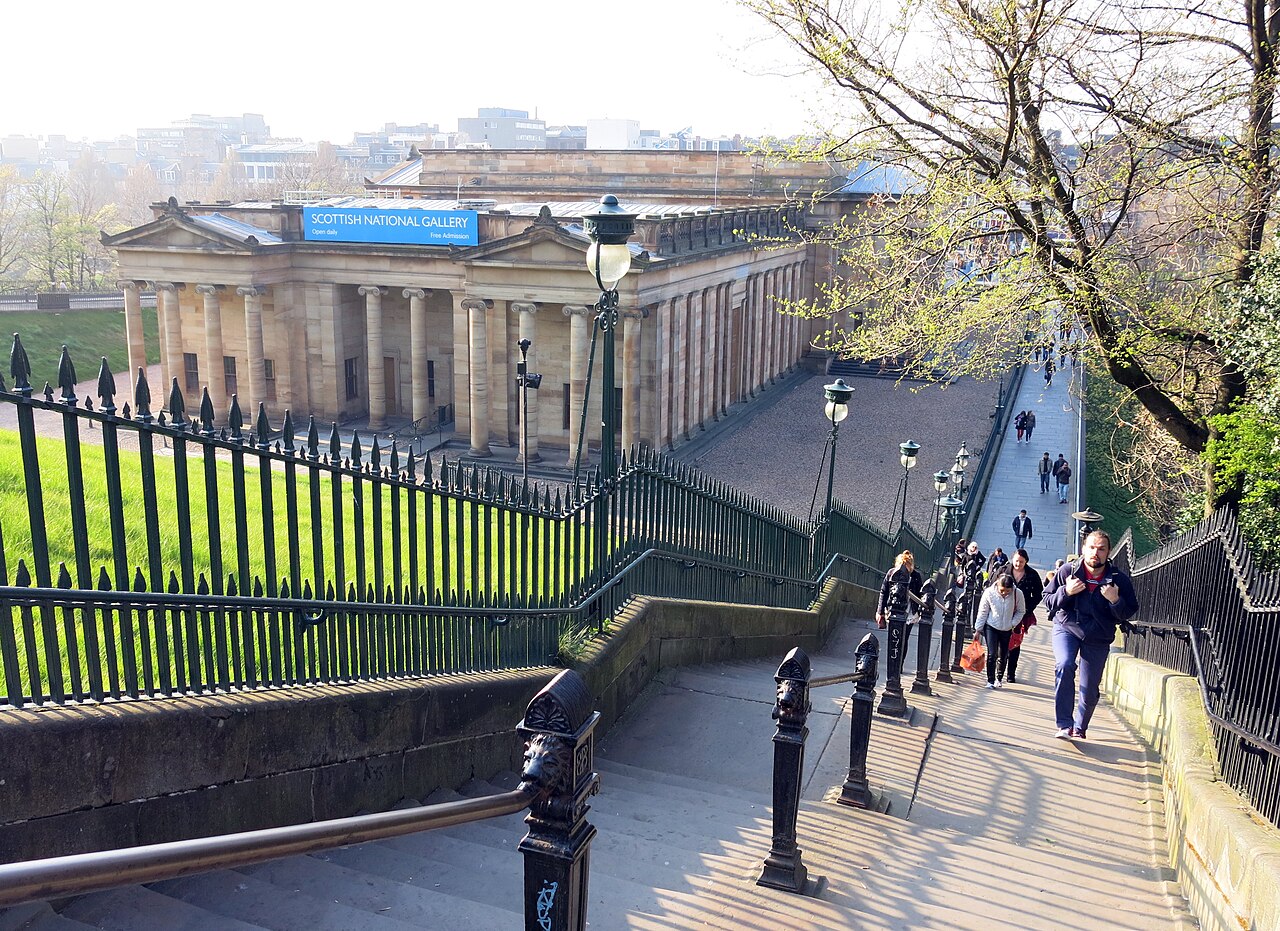
Scottish National Gallery
Neoclassical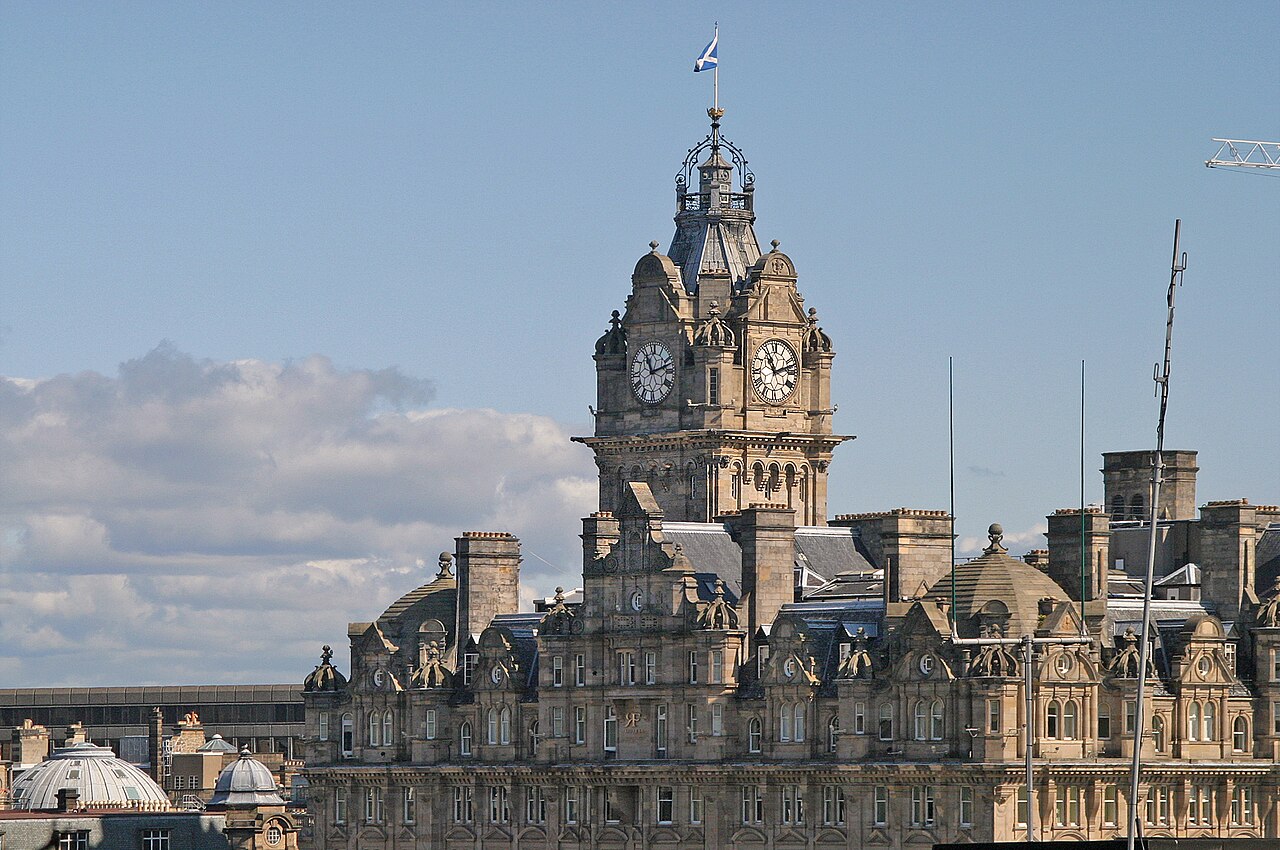
Balmoral Hotel
Tudor Revival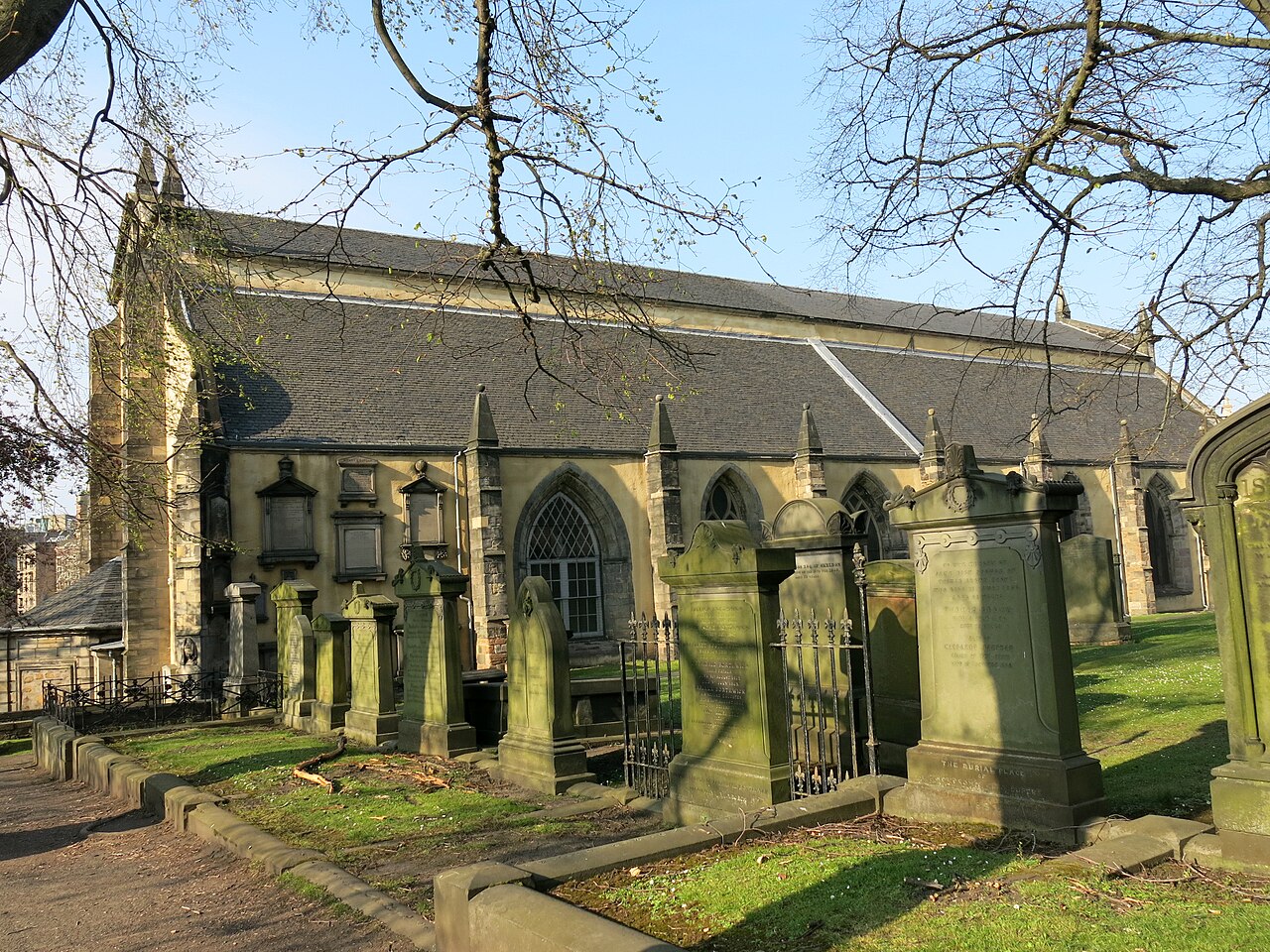
Greyfriars Kirk
Gothic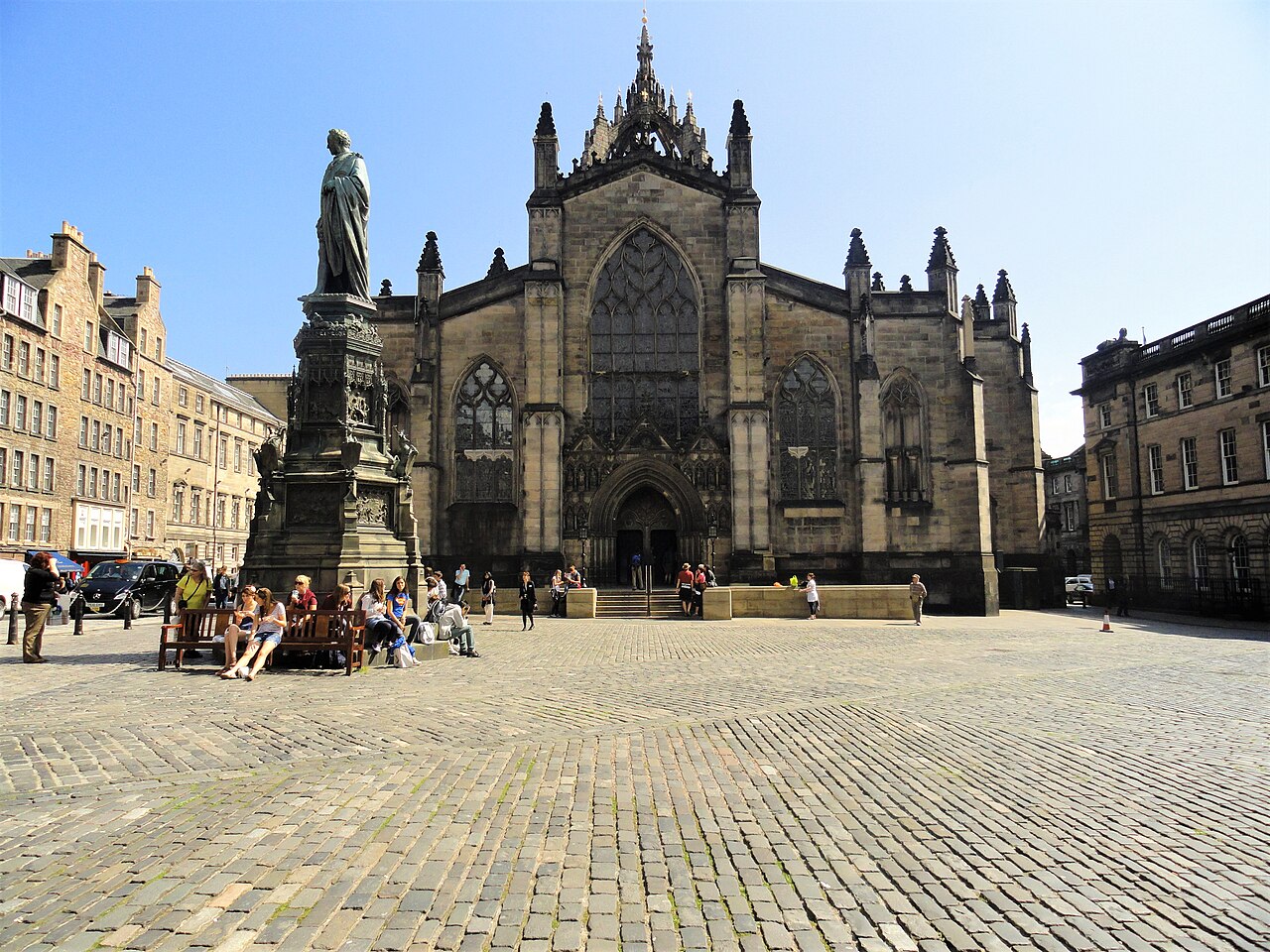
St Giles Cathedral
Gothic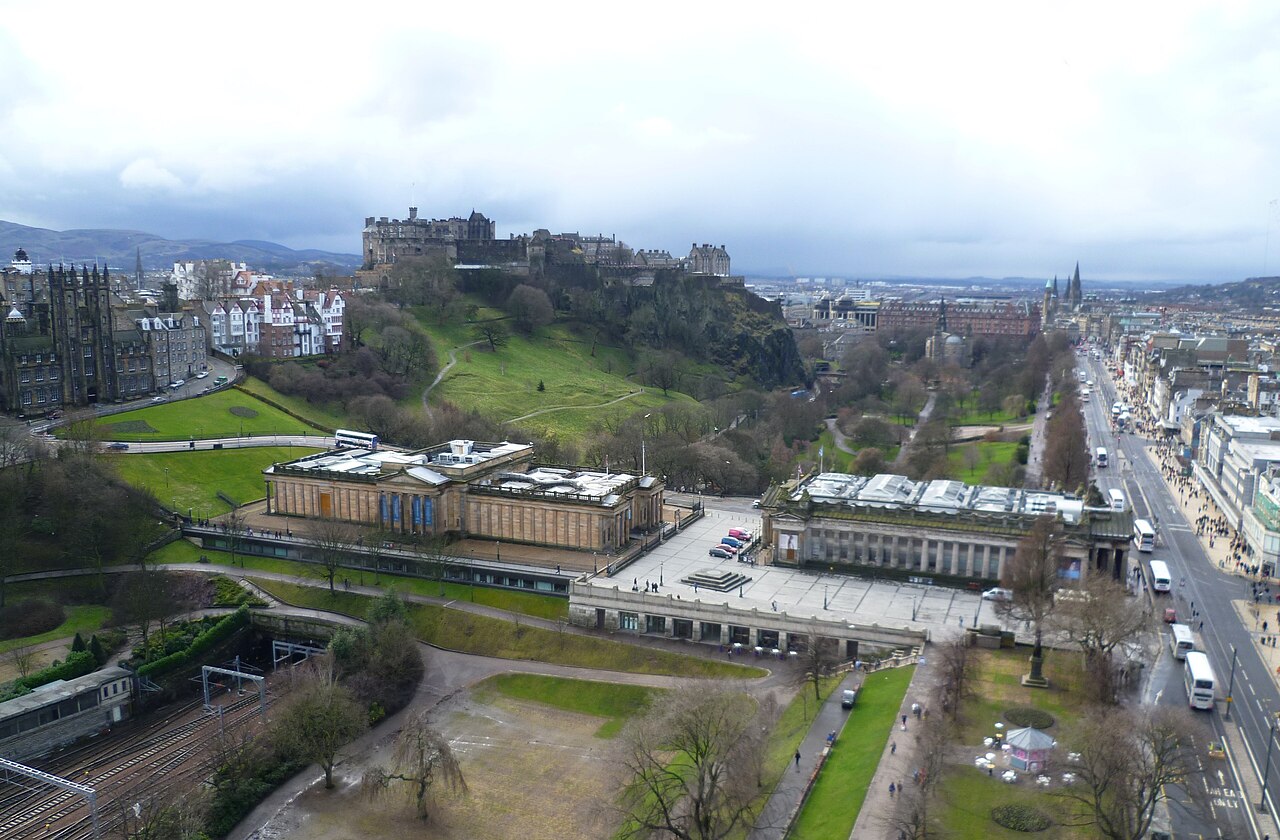
Edinburgh Castle
Neoclassical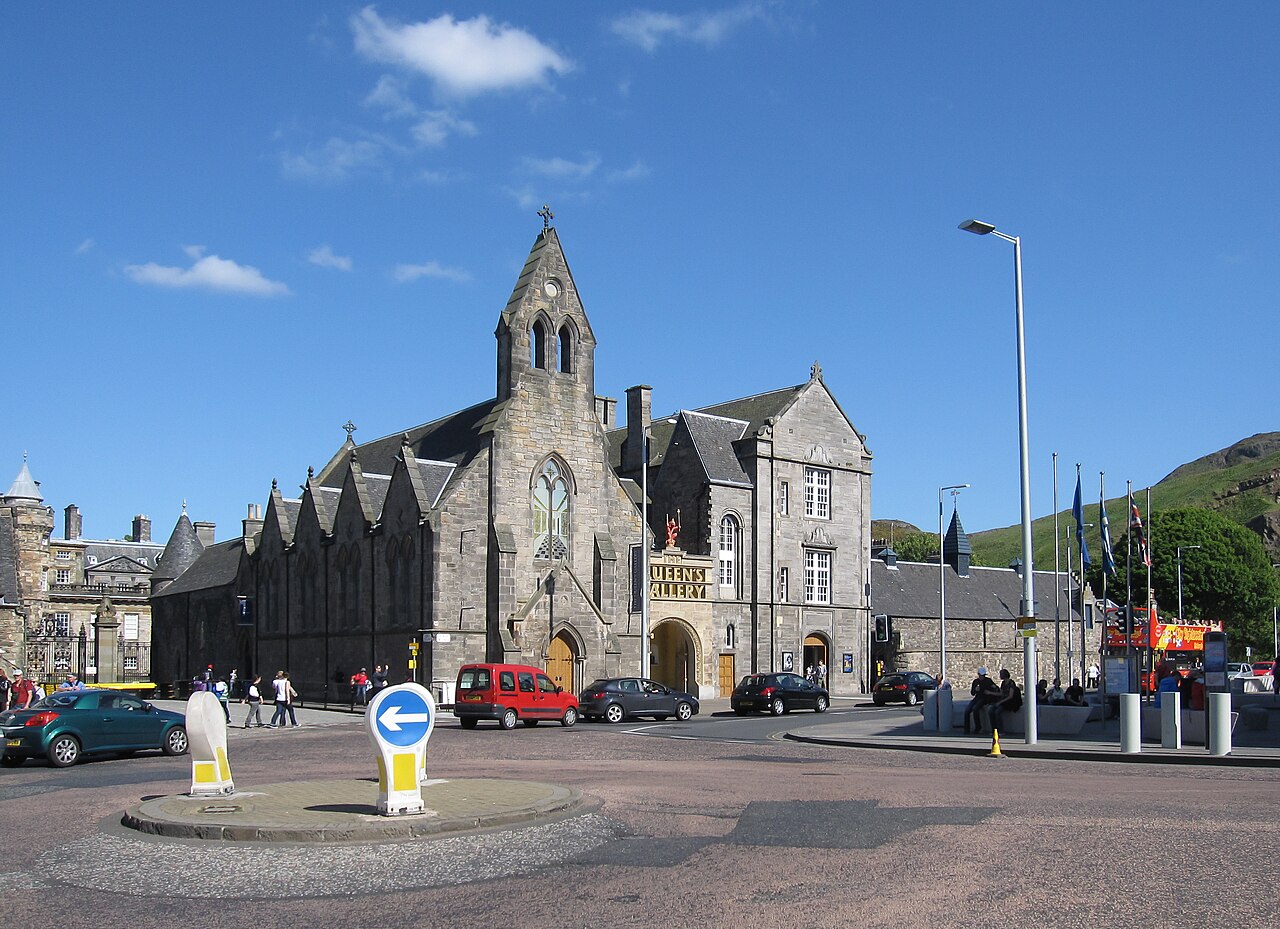
Palace of Holyroodhouse
Postmodernism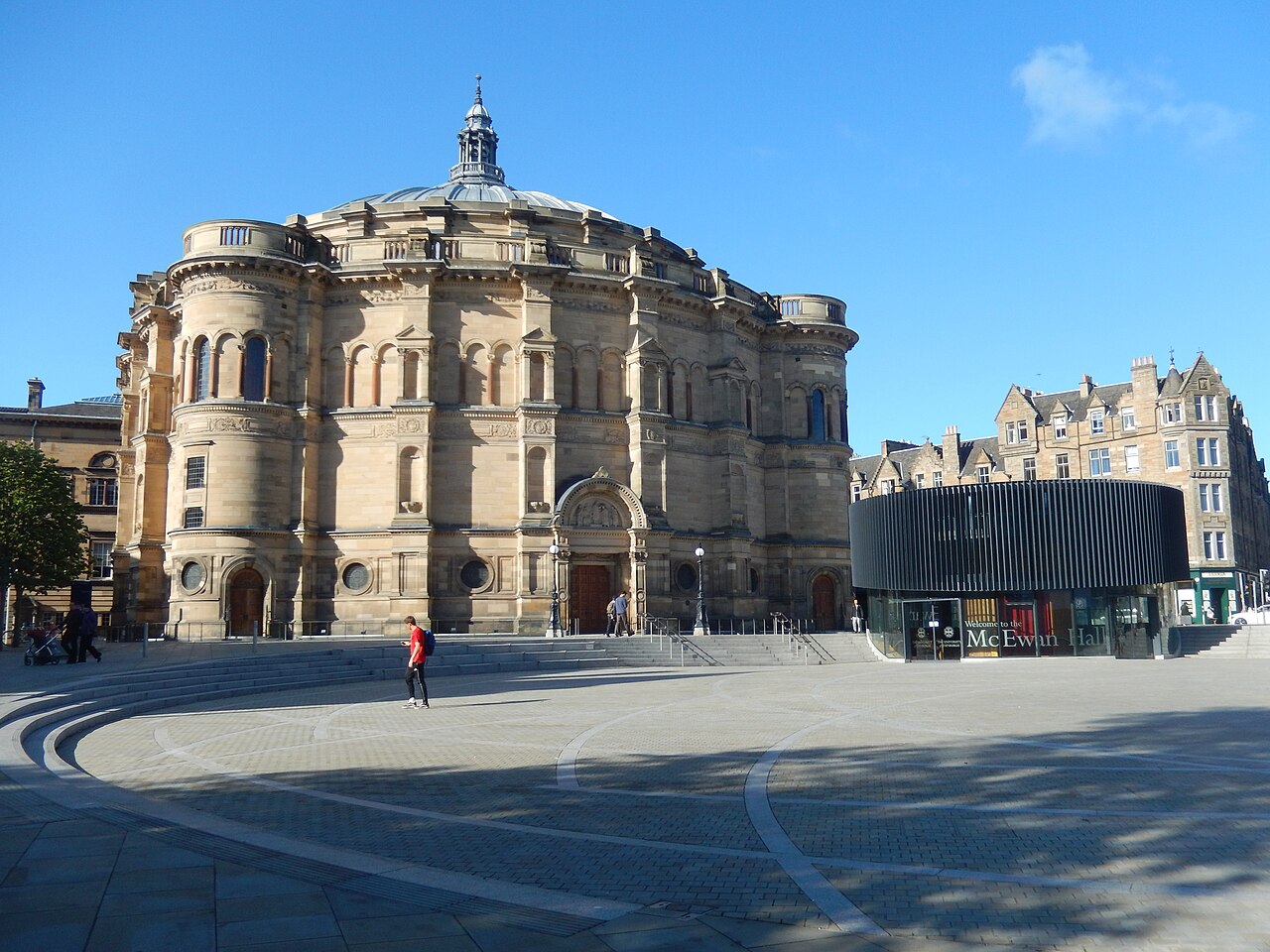
McEwan Hall
Romanesque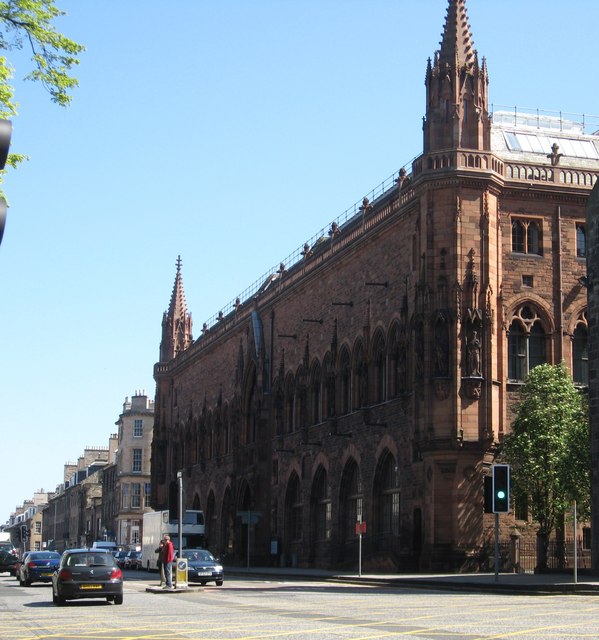
National Museum of Scotland
GothicExplore This City
Edinburgh Architecture Guide
Explore 13 buildings across 13 styles →