Scottish National Gallery, Edinburgh
-
Neoclassical 90%
-
Classical Greek 80%
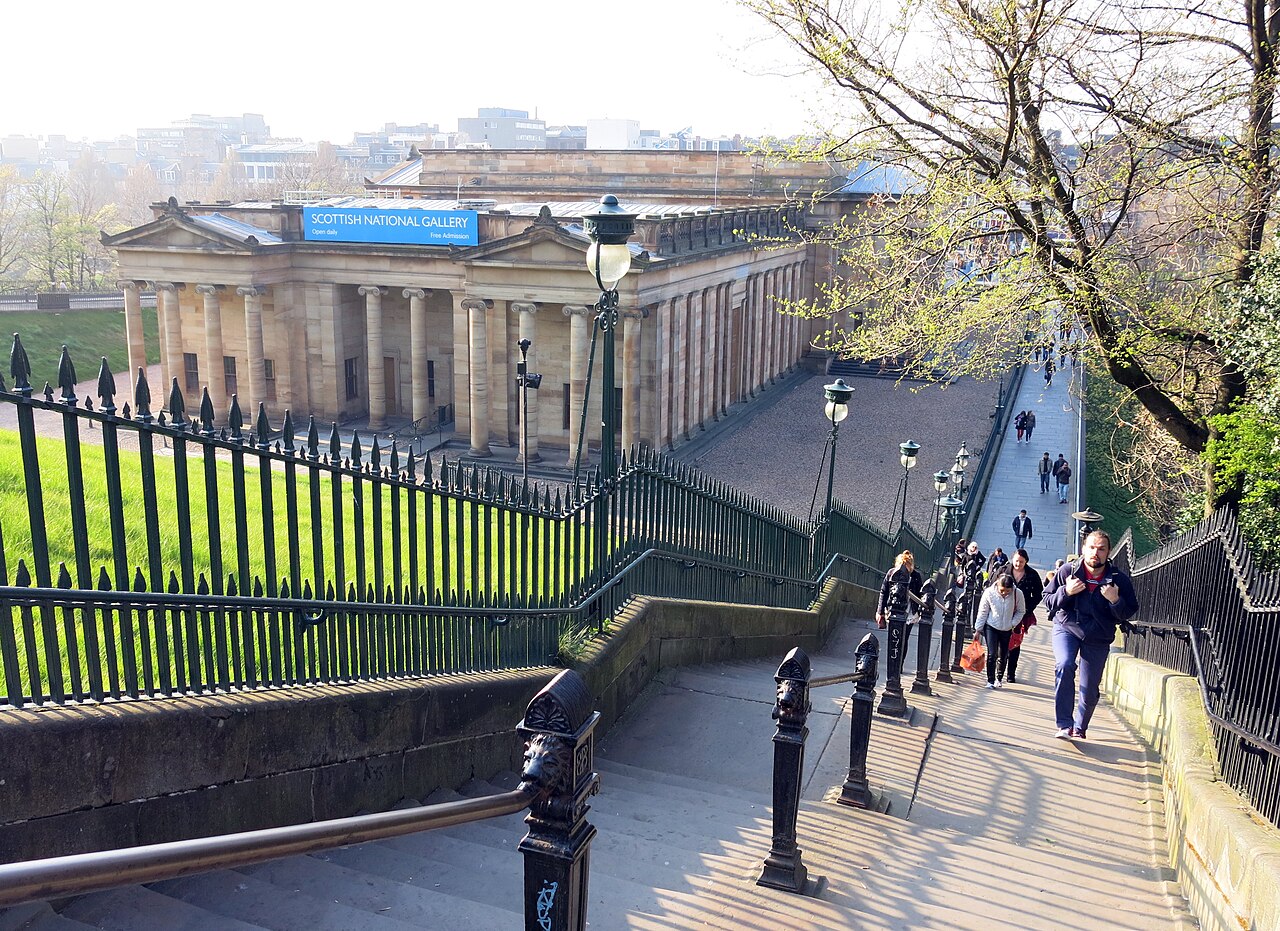
The Scottish National Gallery is a prominent museum in Edinburgh, known for its neoclassical architecture. Its design harmonizes functionality with aesthetic grace, providing an elegant setting for a significant collection of art.
Architectural Styles
Neoclassical
90%Neoclassical style in the Scottish National Gallery is reflected in its grand porticos, use of columns, and the symmetry of its façade. The architectural elements convey a sense of order and balance, reminiscent of ancient Greek and Roman designs.
- Columned portico
- Symmetrical façade
- Robust pediments
- Use of classical motifs
Classical Greek
80%The influence of Classical Greek architecture is evident in the use of Doric columns and other classical details throughout the building. These features emphasize the gallery's cultural significance and its role as a temple of art.
- Doric columns
- Entablatures
- Proportional harmony
- Pediments
Notable Features
- Large collection of European paintings
- Prominent sculptures in the garden
- Central location in Edinburgh
- Stunning views from the surrounding area
Historical Context
Constructed in the mid-19th century, the Scottish National Gallery was built to provide a space for the visual arts within the rapidly developing city of Edinburgh. It signifies the growing importance of cultural institutions during the Victorian era, aligning with a broader trend in Europe to enhance public access to art.
Fun Facts
- The gallery houses artworks from the Renaissance to the end of the 19th century.
- It was officially opened to the public in 1859.
- The gallery's design was heavily influenced by ancient Greek temples.
Frequently Asked Questions
What architectural style is Scottish National Gallery?
Scottish National Gallery is primarily Neoclassical architecture (90% confidence), with elements of Classical Greek. Neoclassical style in the Scottish National Gallery is reflected in its grand porticos, use of columns, and the symmetry of its façade. The architectural elements convey a sense of order and balance, reminiscent of ancient Greek and Roman designs.
When was Scottish National Gallery built?
Scottish National Gallery dates from 1850.
Who designed Scottish National Gallery?
Scottish National Gallery was designed by William Henry Playfair.
Where is Scottish National Gallery located?
Scottish National Gallery is located at The Mound, Edinburgh EH2 2EL, UK.
What are the notable features of Scottish National Gallery?
Notable features include large collection of european paintings, prominent sculptures in the garden, central location in edinburgh, and stunning views from the surrounding area.
Similar Style Buildings

N/A
Beaux-Arts
N/A
Colonial Revival
N/A
Neoclassical
N/A
Neoclassical
N/A
Neoclassical
N/A
Neoclassical
N/A
Neoclassical
N/A
Art DecoNearby Buildings
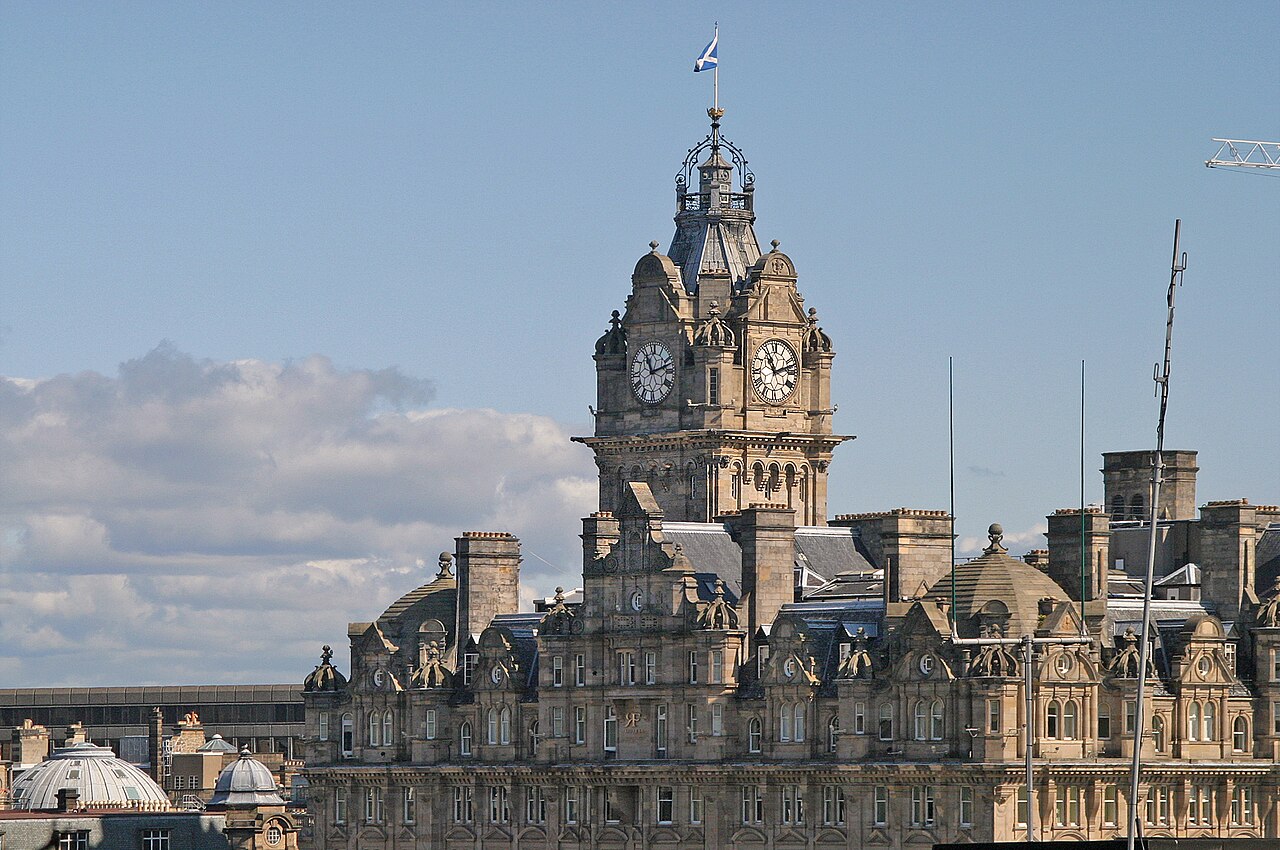
Balmoral Hotel
Tudor Revival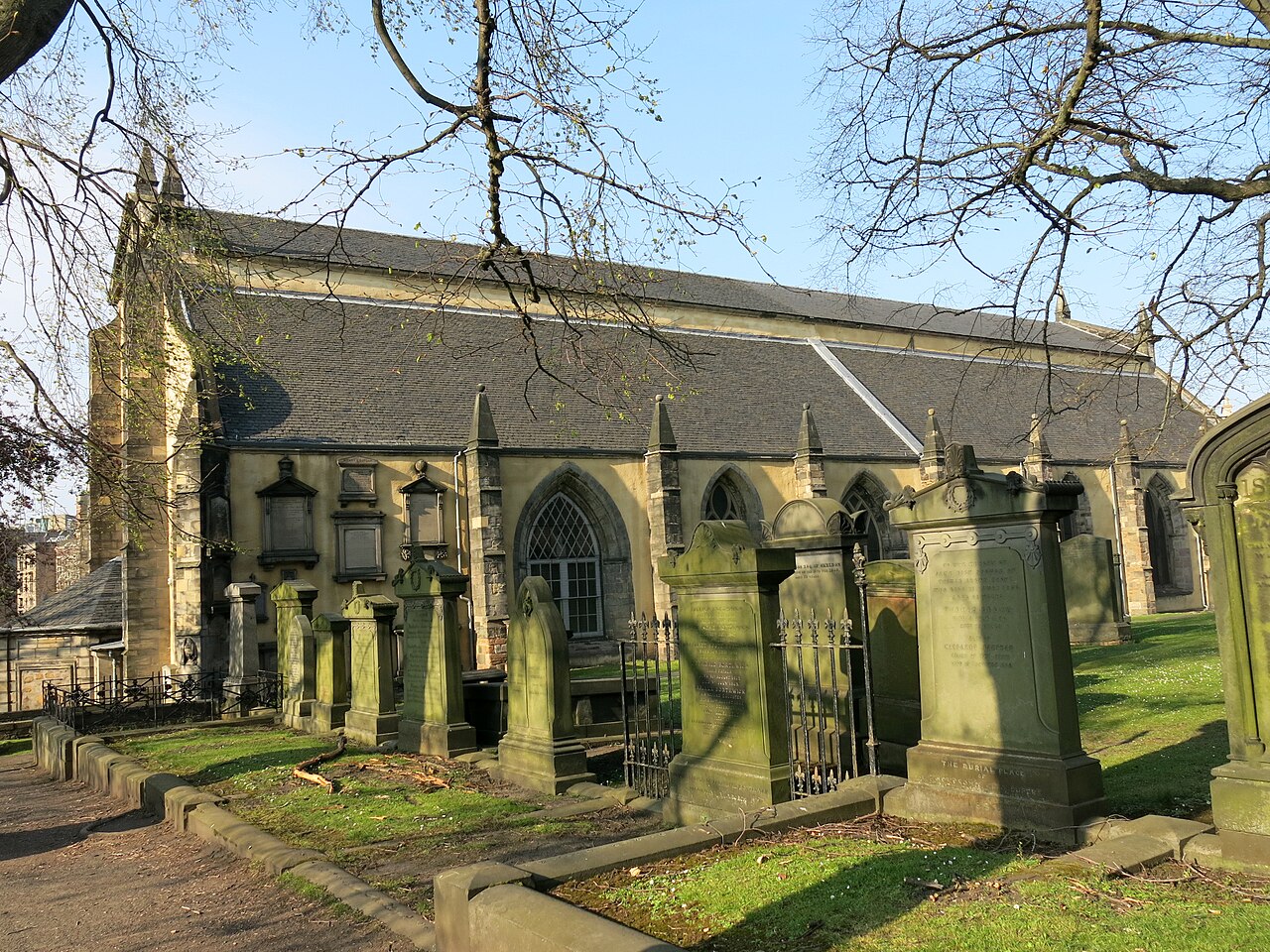
Greyfriars Kirk
Gothic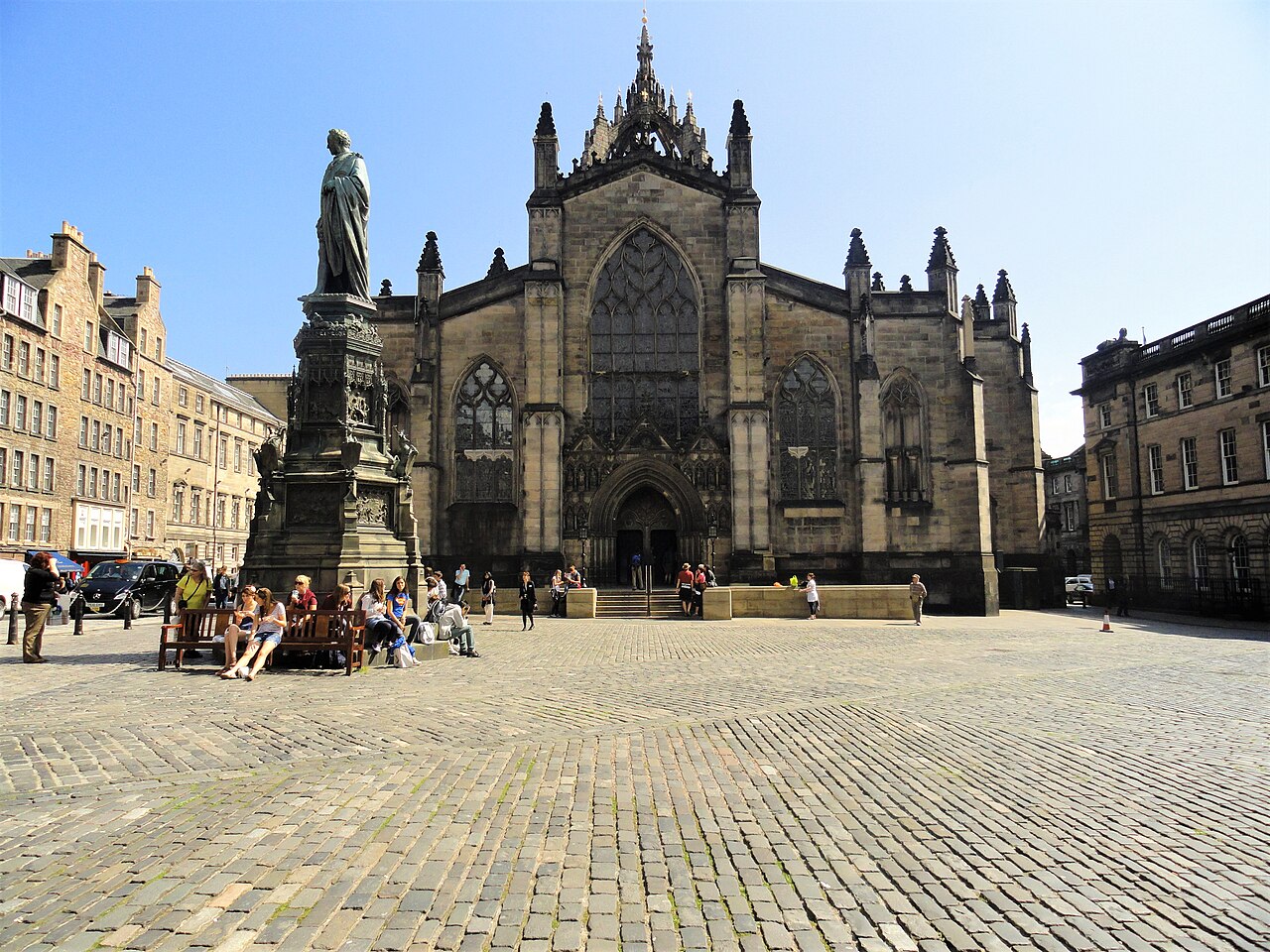
St Giles Cathedral
Gothic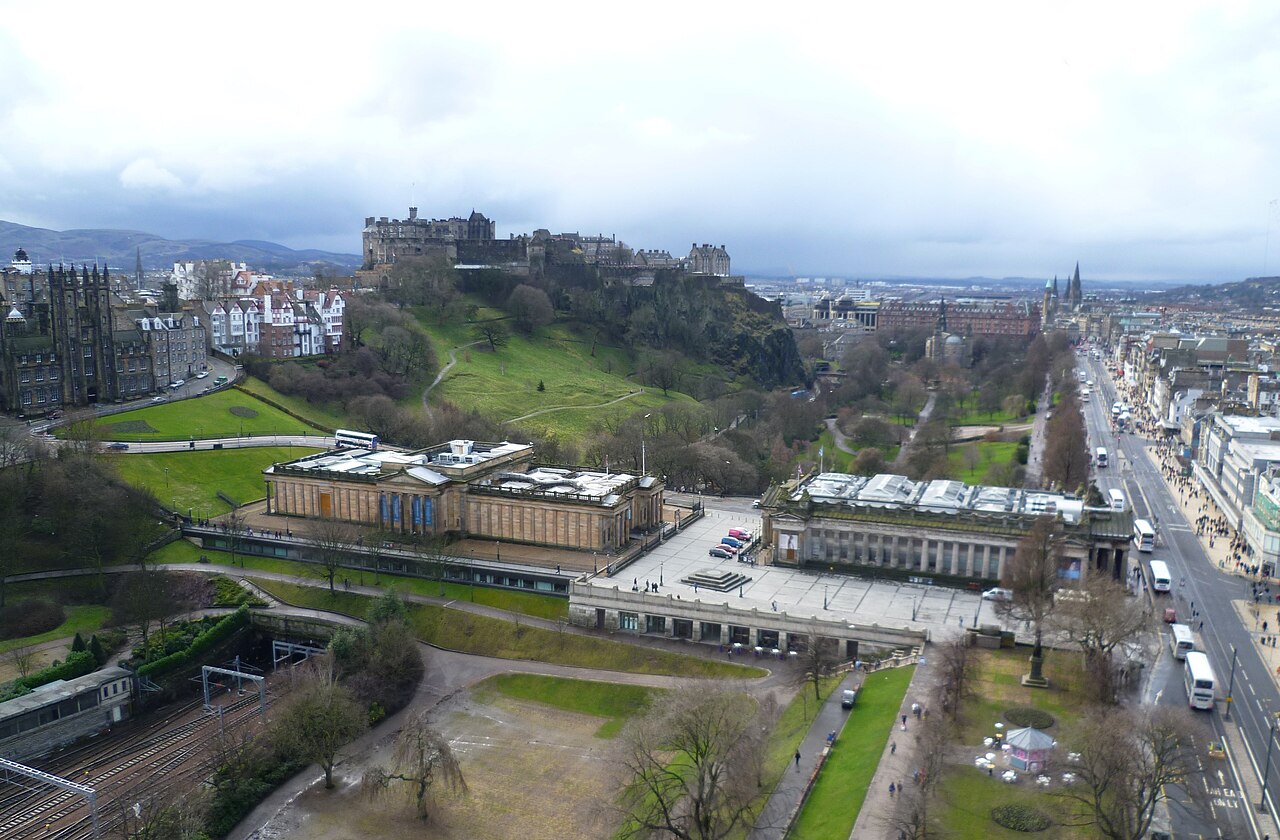
Scott Monument
Neoclassical
Edinburgh Castle
Neoclassical
Palace of Holyroodhouse
Postmodernism
McEwan Hall
Romanesque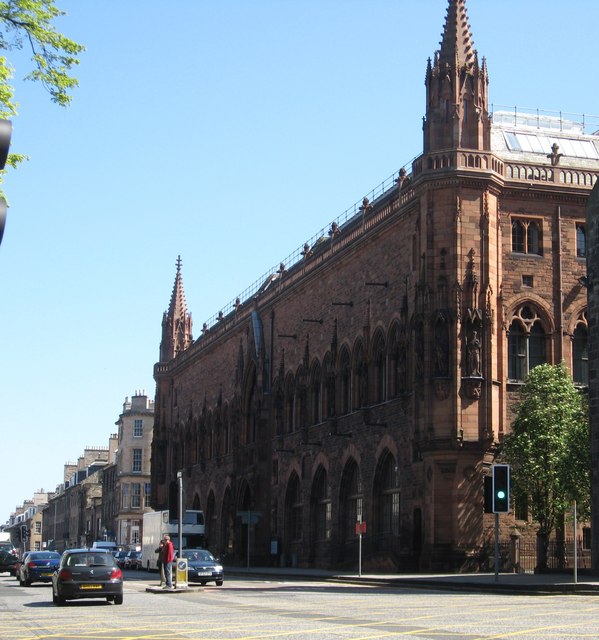
National Museum of Scotland
GothicExplore This City
Edinburgh Architecture Guide
Explore 13 buildings across 13 styles →