The Balmoral Hotel, Edinburgh
-
Scottish Baronial 90%
-
Victorian 85%
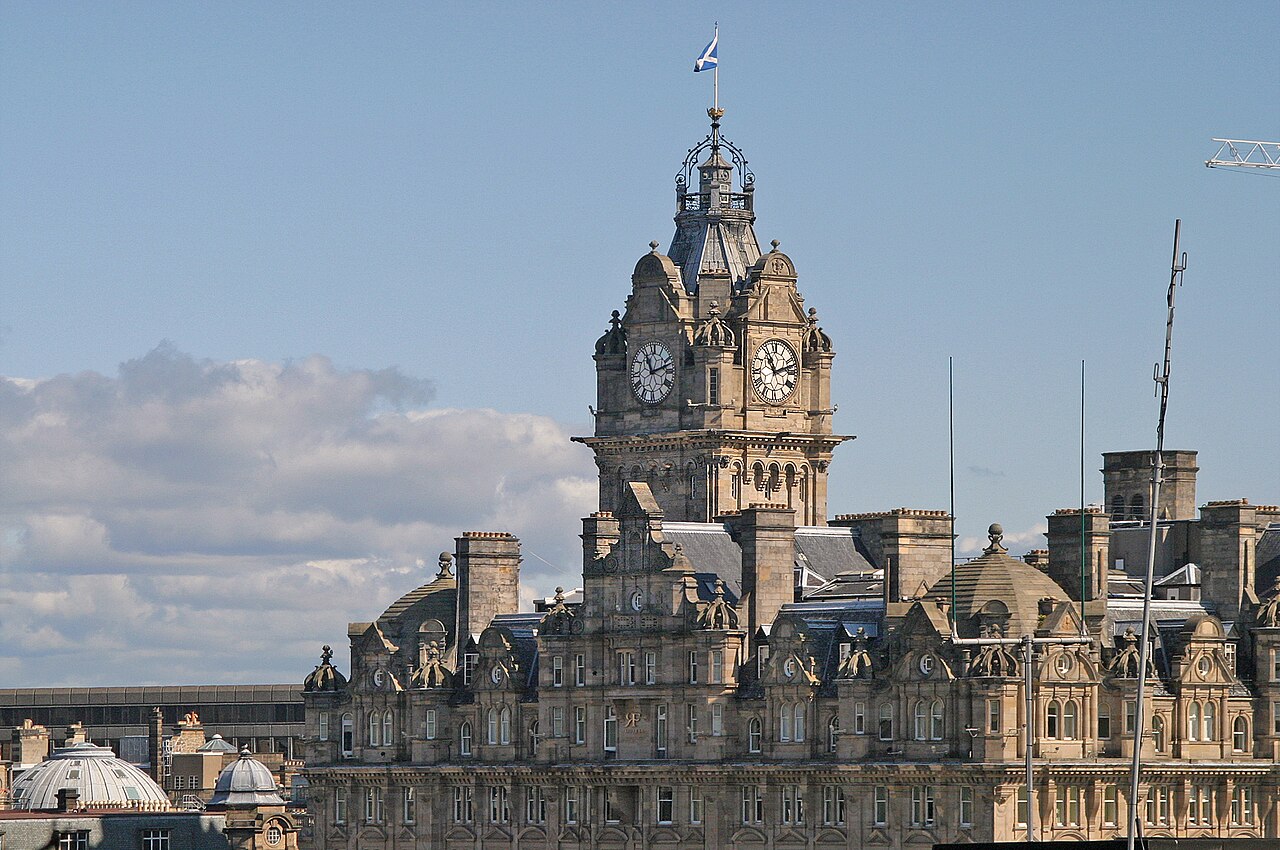
The Balmoral Hotel is a prominent example of Scottish baronial architecture, featuring a striking clock tower and elaborate turrets. It symbolizes the cultural heritage of Edinburgh and showcases the grandeur of late Victorian design.
Architectural Styles
Scottish Baronial
90%Scottish baronial style is evident in The Balmoral's use of rugged stone, intricate detailing, and vertical emphasis. The design embodies a medieval revival, with a focus on asymmetrical facades and an abundance of decorative motifs.
- Towers and turrets
- Ornate stone carvings
- High, steep roofs
- Asymmetrical layout
- Decorative parapets
Victorian
85%The Victorian influence can be seen through the hotel's grand scale and elaborate detailing. The use of bold forms, coupled with rich materials and colors, reflects the opulence typical of the era's architecture.
- Elaborate cornices
- Heavy moldings
- Symmetrical composition
- Large windows
- Complex rooflines
Notable Features
- Clock tower with intricate clock faces
- Stained glass windows
- Rich, decorative interiors
- Terrace gardens
- Sculptured fixtures
Historical Context
Built in the early 20th century, The Balmoral Hotel served as a luxurious retreat for travelers and dignitaries. It played a significant role in Edinburgh's evolution as a cultural and economic hub during that period.
Fun Facts
- The hotel was originally named The North British Hotel.
- The clock tower is set three minutes fast to ensure that railway travelers would not miss their trains.
- The Balmoral has hosted numerous famous guests, including authors and celebrities.
Frequently Asked Questions
What architectural style is The Balmoral Hotel?
The Balmoral Hotel is primarily Scottish Baronial architecture (90% confidence), with elements of Victorian. Scottish baronial style is evident in The Balmoral's use of rugged stone, intricate detailing, and vertical emphasis. The design embodies a medieval revival, with a focus on asymmetrical facades and an abundance of decorative motifs.
When was The Balmoral Hotel built?
The Balmoral Hotel dates from 1902.
Who designed The Balmoral Hotel?
The Balmoral Hotel was designed by William Hamilton Beattie.
Where is The Balmoral Hotel located?
The Balmoral Hotel is located at 1 Princes Street, Edinburgh EH2 2EQ, UK.
What are the notable features of The Balmoral Hotel?
Notable features include clock tower with intricate clock faces, stained glass windows, rich, decorative interiors, terrace gardens, and sculptured fixtures.
Similar Style Buildings

Dagelijkse Groenmarkt 33, Den Haag
Victorian
N/A
Critical Regionalism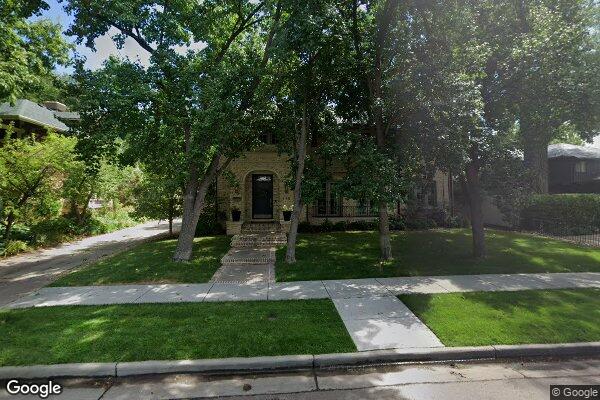
Residential Building
Victorian
Den Haag, The Netherlands
Victorian
1338 N Marion St, Denver, CO 80218
Victorian
Koningsplein 43, 2518 JH Den Haag
Victorian
Regentesseplein 220A, 2562 EZ Den Haag
Victorian
Kortenaerkade 11, 2518 AX Den Haag
VictorianNearby Buildings
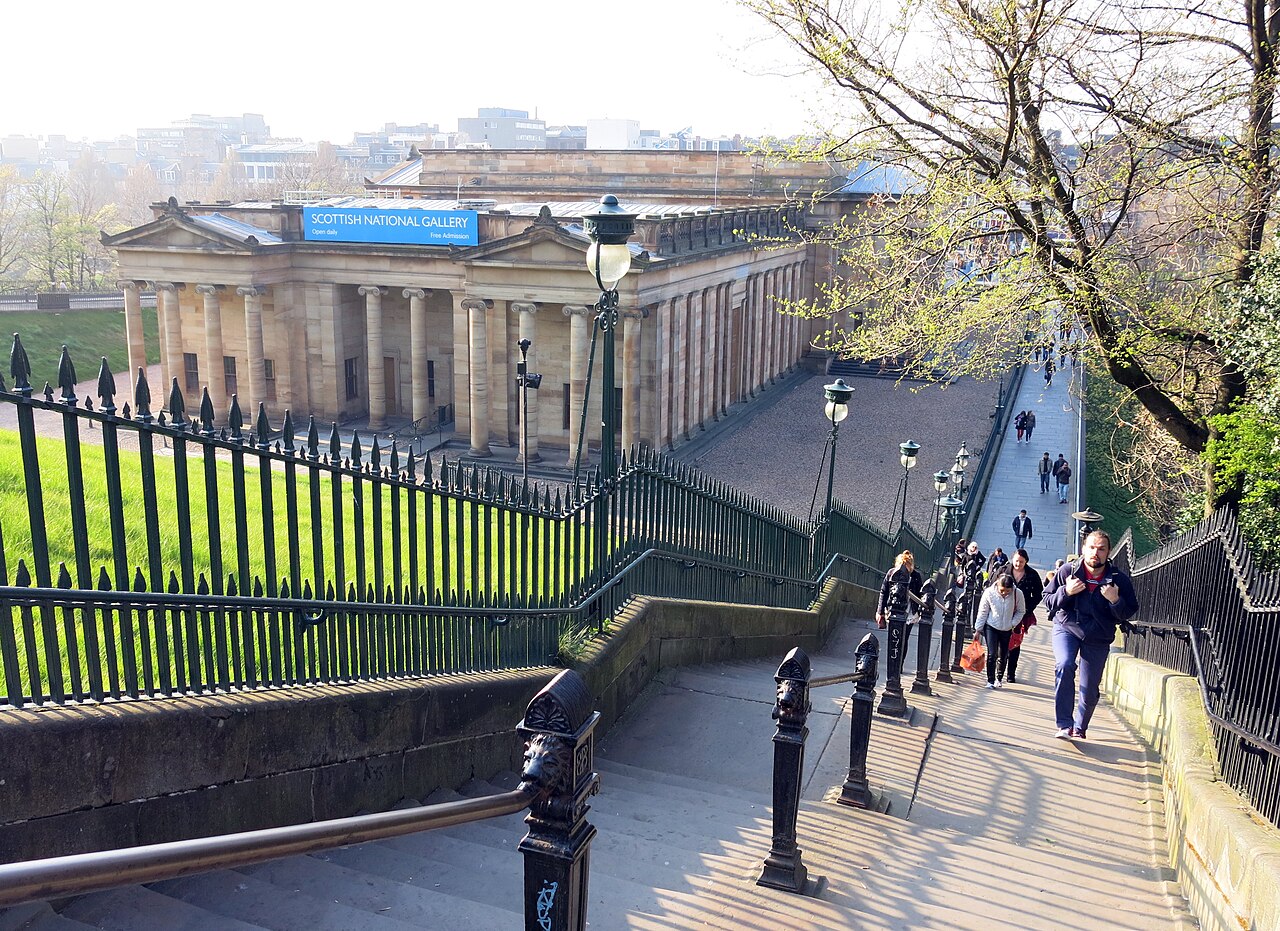
Scottish National Gallery
Neoclassical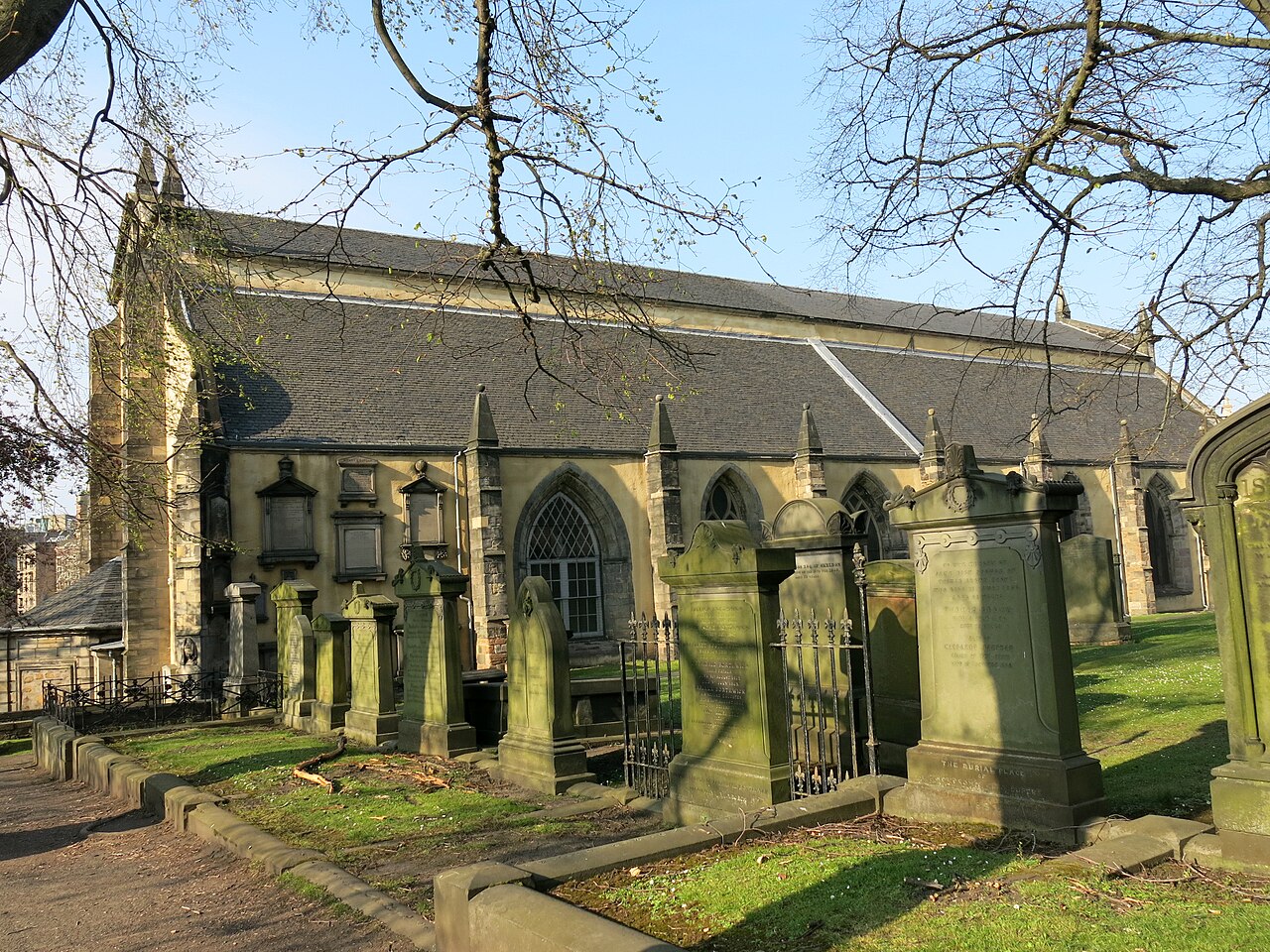
Greyfriars Kirk
Gothic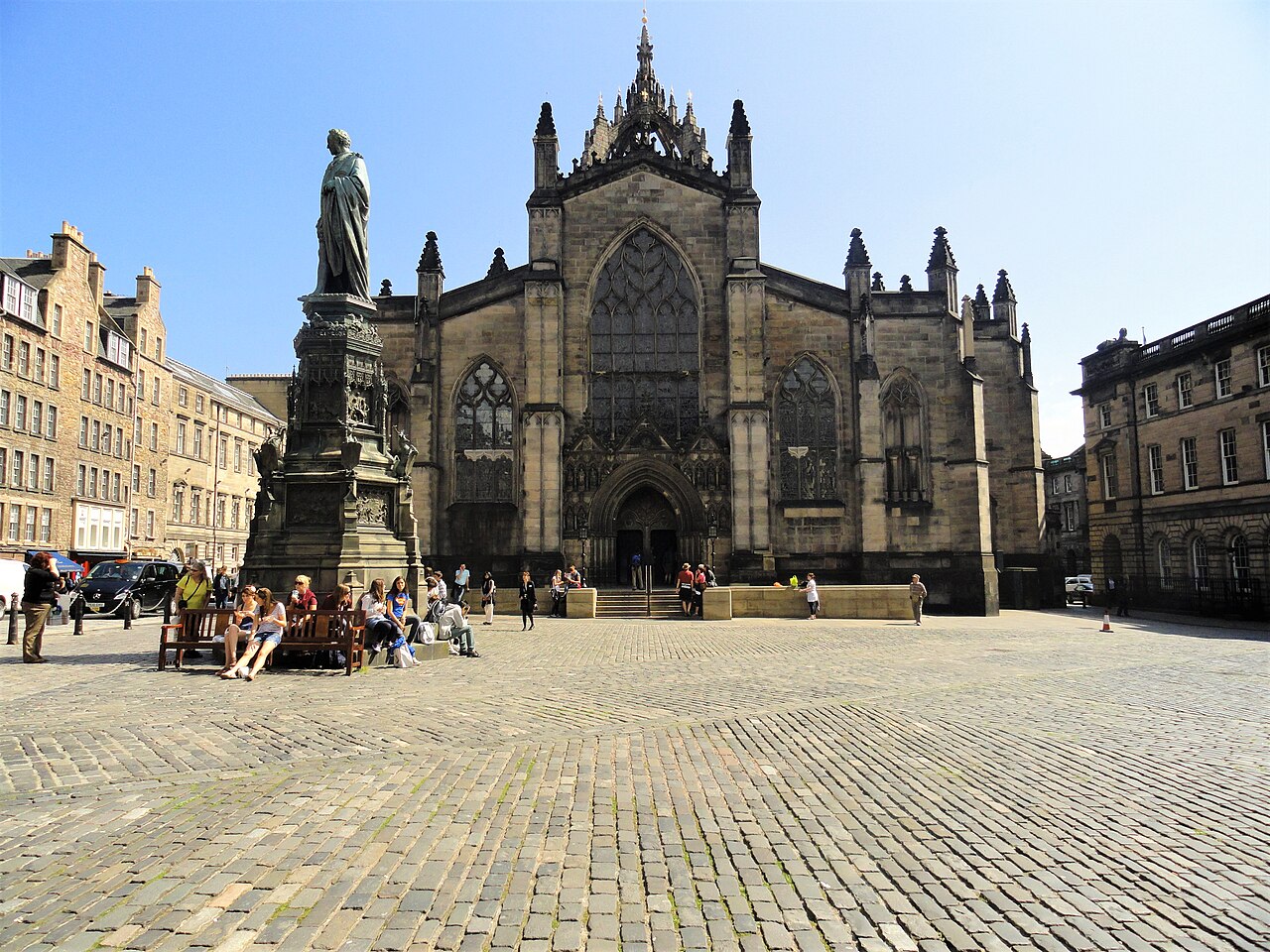
St Giles Cathedral
Gothic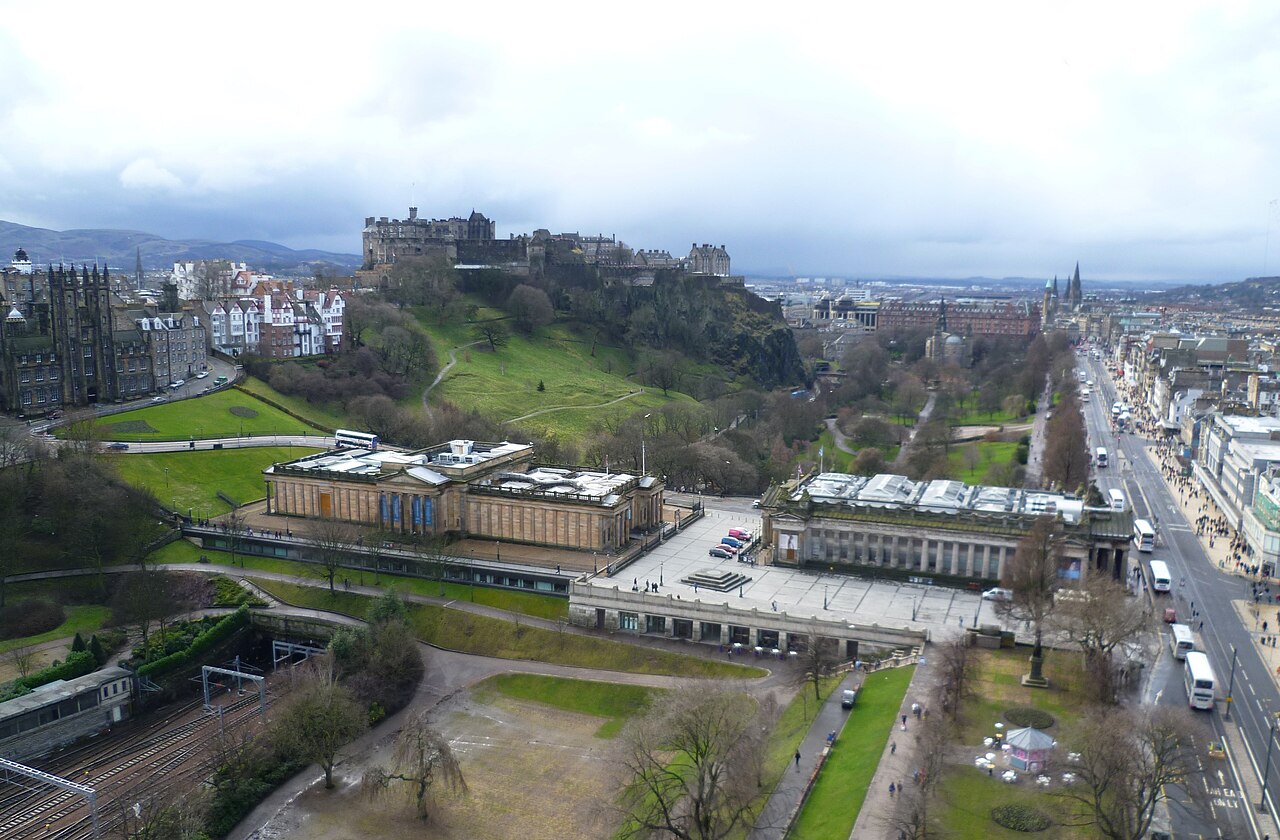
Scott Monument
Neoclassical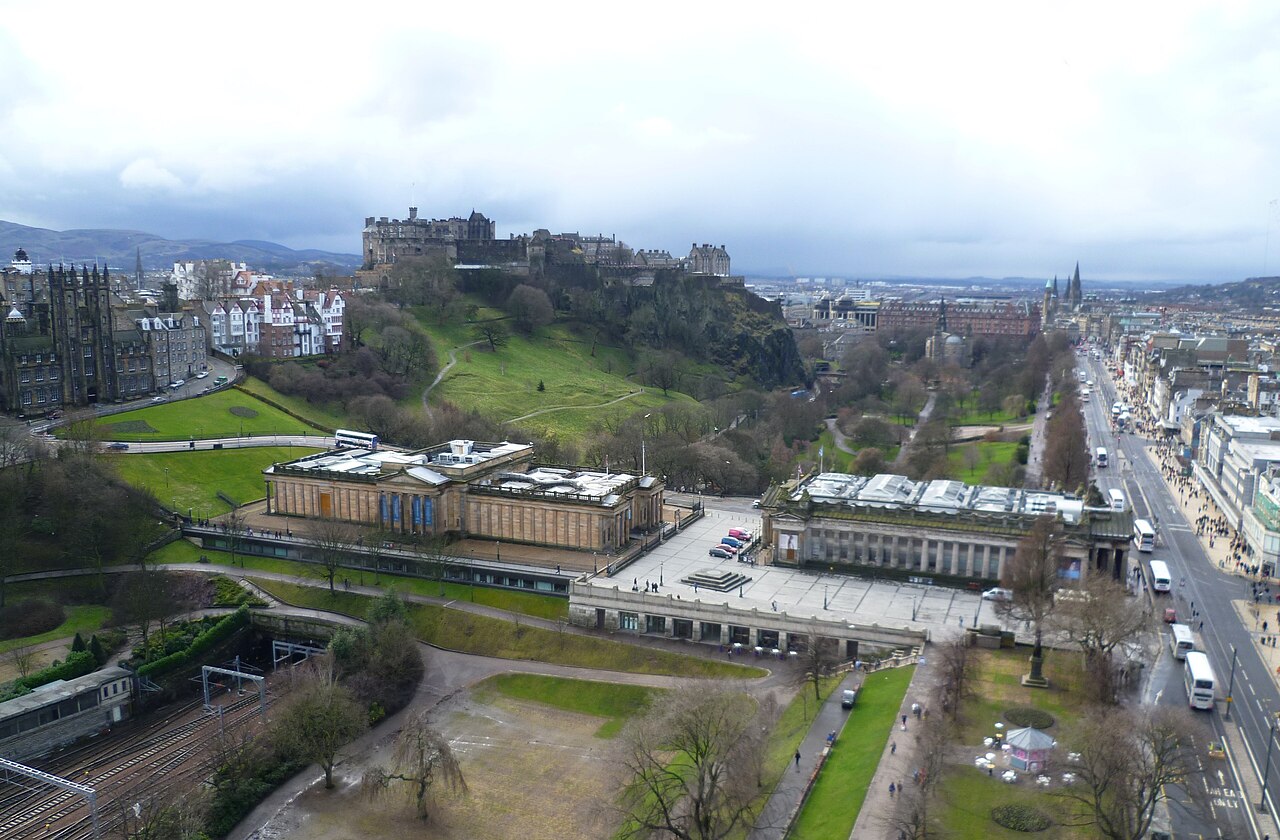
Edinburgh Castle
Neoclassical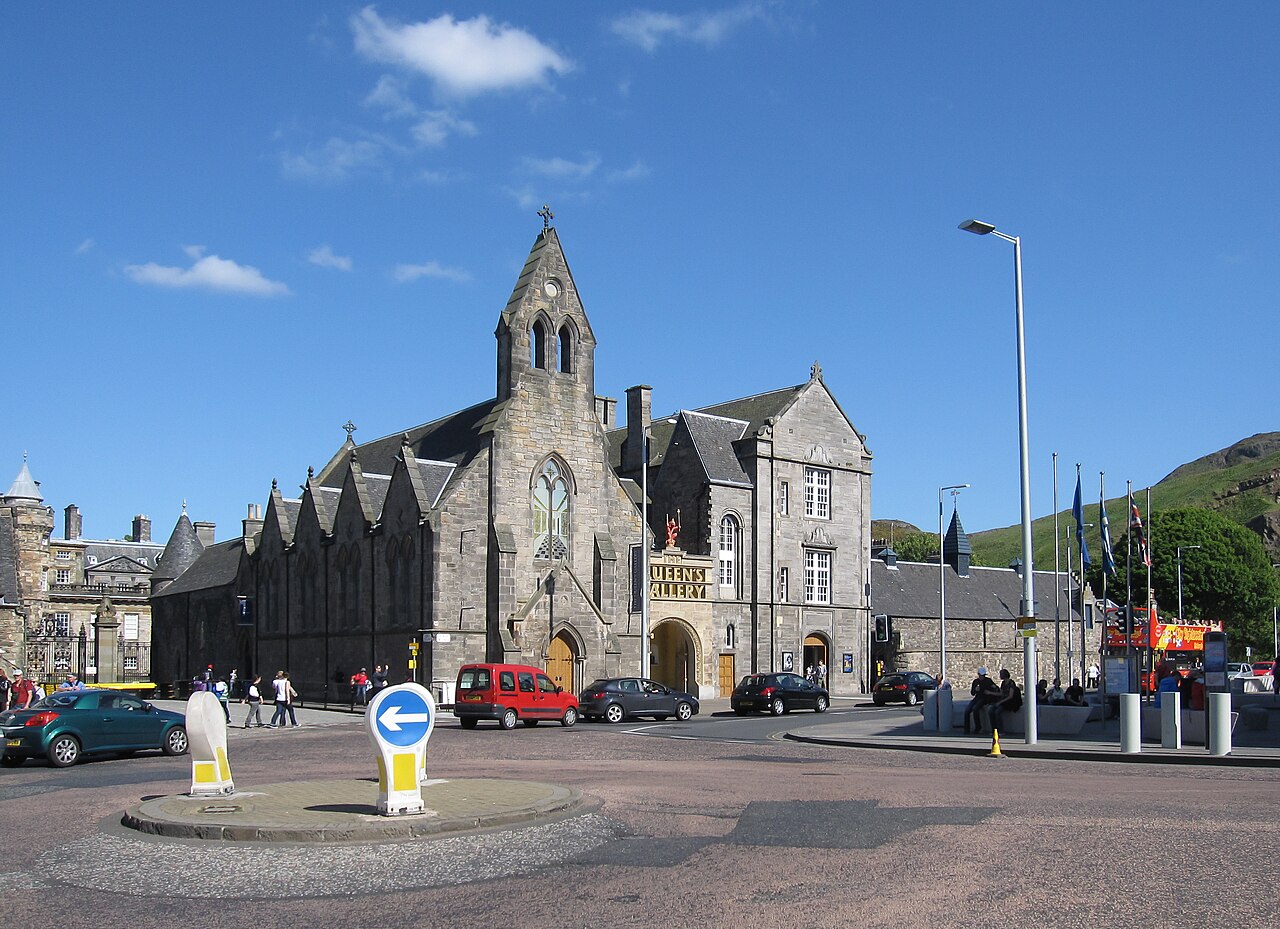
Palace of Holyroodhouse
Postmodernism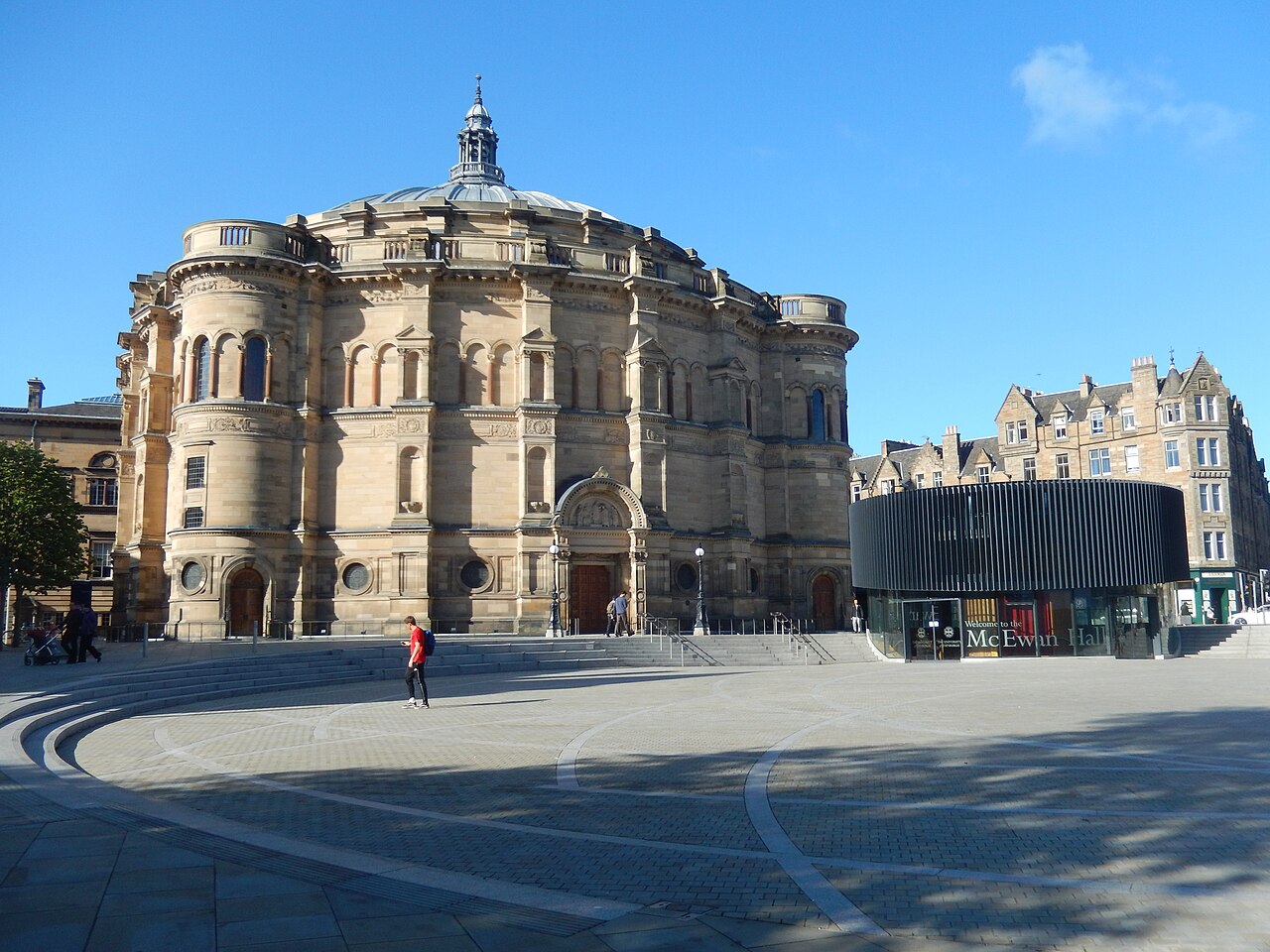
McEwan Hall
Romanesque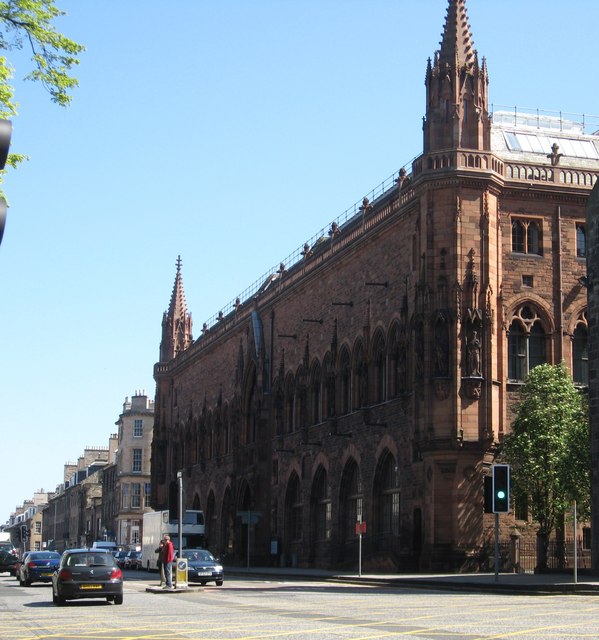
National Museum of Scotland
GothicExplore This City
Edinburgh Architecture Guide
Explore 13 buildings across 13 styles →