Scottish National Gallery, Edinburgh
-
Neoclassical 90%
-
Victorian 75%
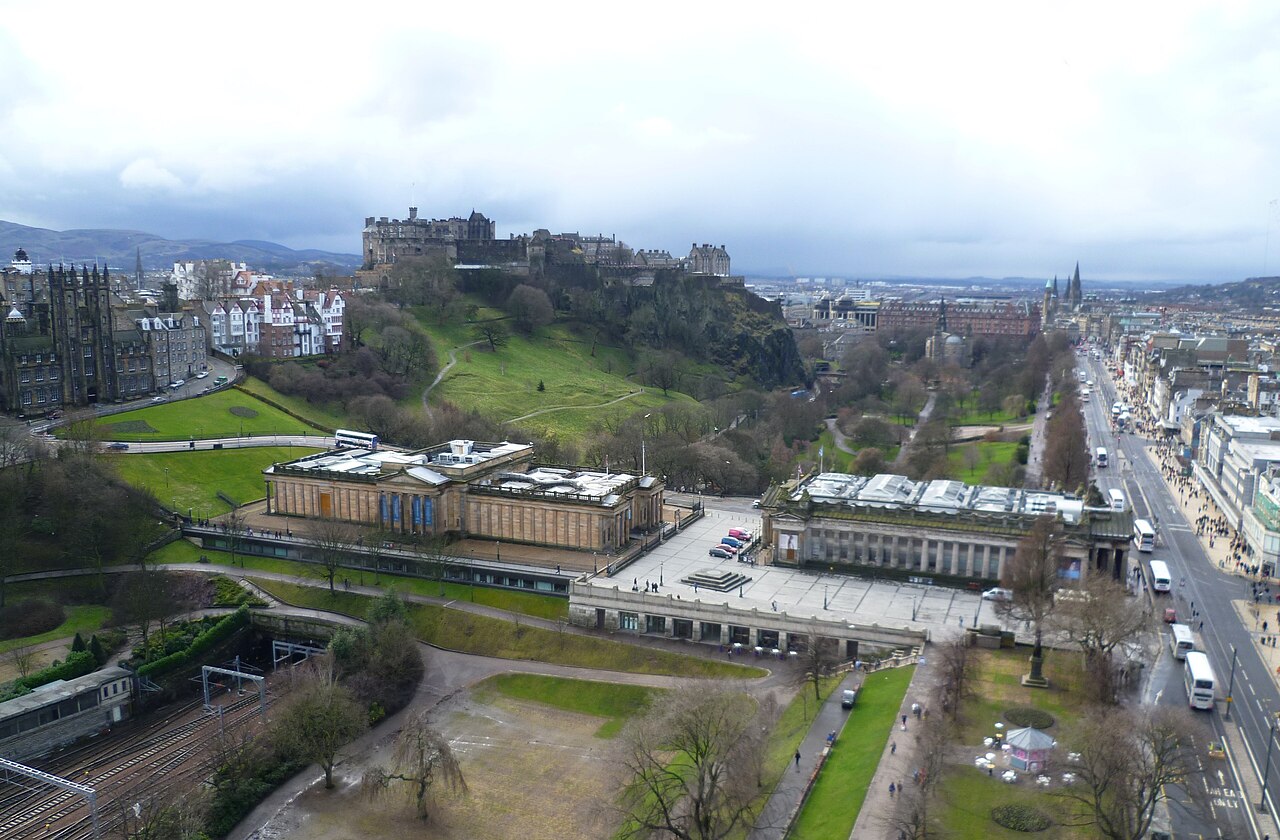
The Scottish National Gallery is a prominent art museum located in Edinburgh, renowned for its neoclassical architecture. The building is significant for its harmonious proportions and elegant façade, which contribute to its status as a central cultural landmark in Scotland.
Architectural Styles
Neoclassical
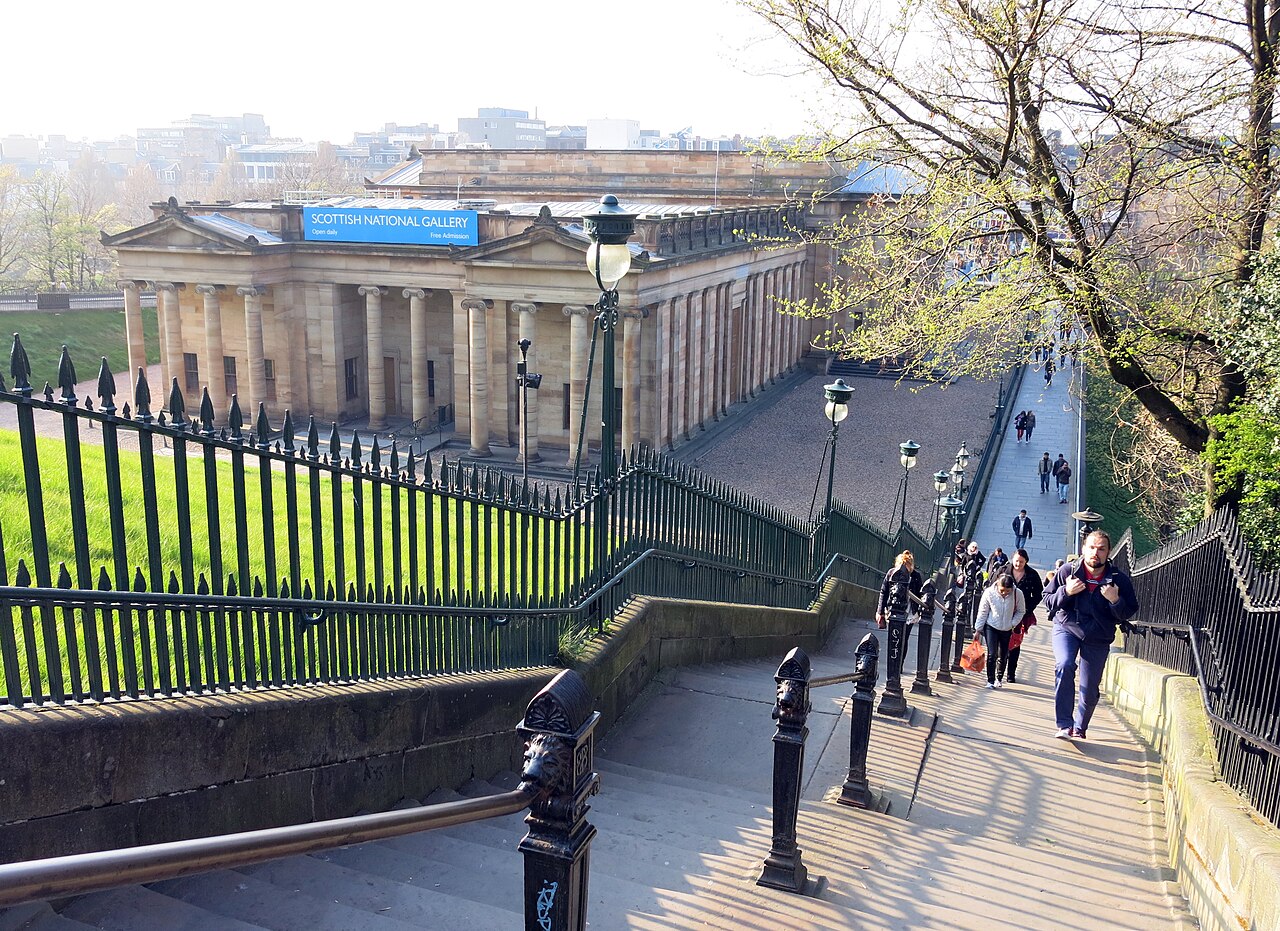
90%The Neoclassical style in the Scottish National Gallery is exemplified by its grand portico, strong symmetry, and the use of classical columns. The building features a limestone façade with intricate detailing that reflects the grandeur and monumental nature typical of this architectural style.
- Columned portico
- Symmetrical layout
- Classical pediments
- Limestone façade
- Ornate cornices
Victorian
75%The Victorian elements of the Scottish National Gallery can be observed in its decorative features and the detailed craftsmanship of its interior spaces. This style is marked by a mix of eclectic influences that were popular during Queen Victoria's reign.
- Elaborate decorative motifs
- Use of rich materials
- Victorian-inspired interiors
- Stained glass windows
- Intricate ironwork
Notable Features
- Home to a vast collection of European paintings
- Prominent location near Princes Street
- Adjacent to the Mound and the Edinburgh Castle backdrop
Historical Context
Constructed in the mid-19th century, the Scottish National Gallery was established to house Scotland's national art collection. It represents a critical period in cultural history as it reflects the Victorian era's emphasis on public education through the arts.
Fun Facts
- The gallery's collection includes works by artists like Van Gogh and Monet.
- It was the first art gallery in the UK to charge admission fees, though they were later abolished.
- The gallery also features stunning views of Edinburgh from its upper levels.
Frequently Asked Questions
What architectural style is Scottish National Gallery?
Scottish National Gallery is primarily Neoclassical architecture (90% confidence), with elements of Victorian. The Neoclassical style in the Scottish National Gallery is exemplified by its grand portico, strong symmetry, and the use of classical columns. The building features a limestone façade with intricate detailing that reflects the grandeur and monumental nature typical of this architectural style.
When was Scottish National Gallery built?
Scottish National Gallery dates from 1850s.
Who designed Scottish National Gallery?
Scottish National Gallery was designed by William Henry Playfair.
Where is Scottish National Gallery located?
Scottish National Gallery is located at Castlehill, Edinburgh EH1 2NG, UK.
What are the notable features of Scottish National Gallery?
Notable features include home to a vast collection of european paintings, prominent location near princes street, and adjacent to the mound and the edinburgh castle backdrop.
Similar Style Buildings

Dagelijkse Groenmarkt 33, Den Haag
Victorian
Residential Building
Victorian
Den Haag, The Netherlands
Victorian
1338 N Marion St, Denver, CO 80218
Victorian
Koningsplein 43, 2518 JH Den Haag
Victorian
Regentesseplein 220A, 2562 EZ Den Haag
Victorian
Kortenaerkade 11, 2518 AX Den Haag
Victorian
N/A
Tudor RevivalNearby Buildings
Scottish National Gallery
Neoclassical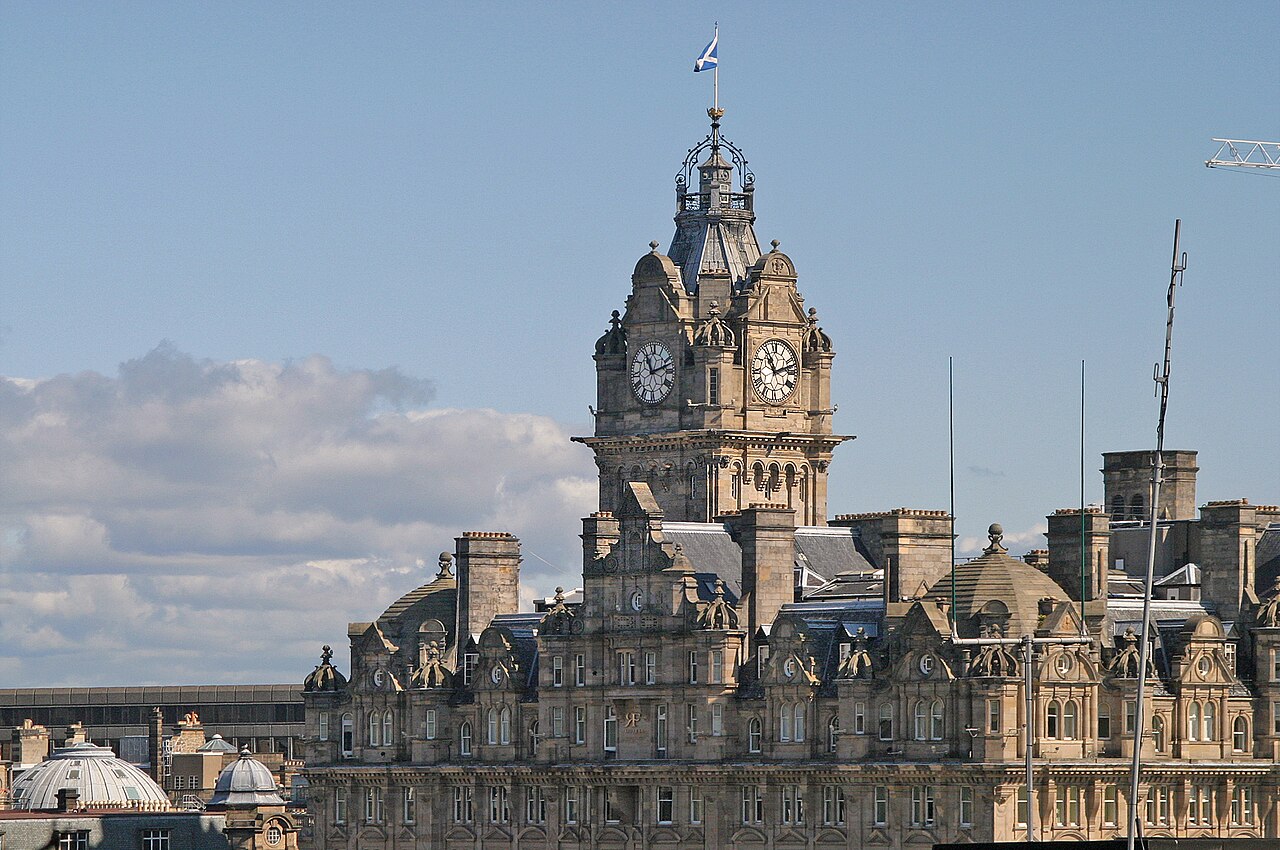
Balmoral Hotel
Tudor Revival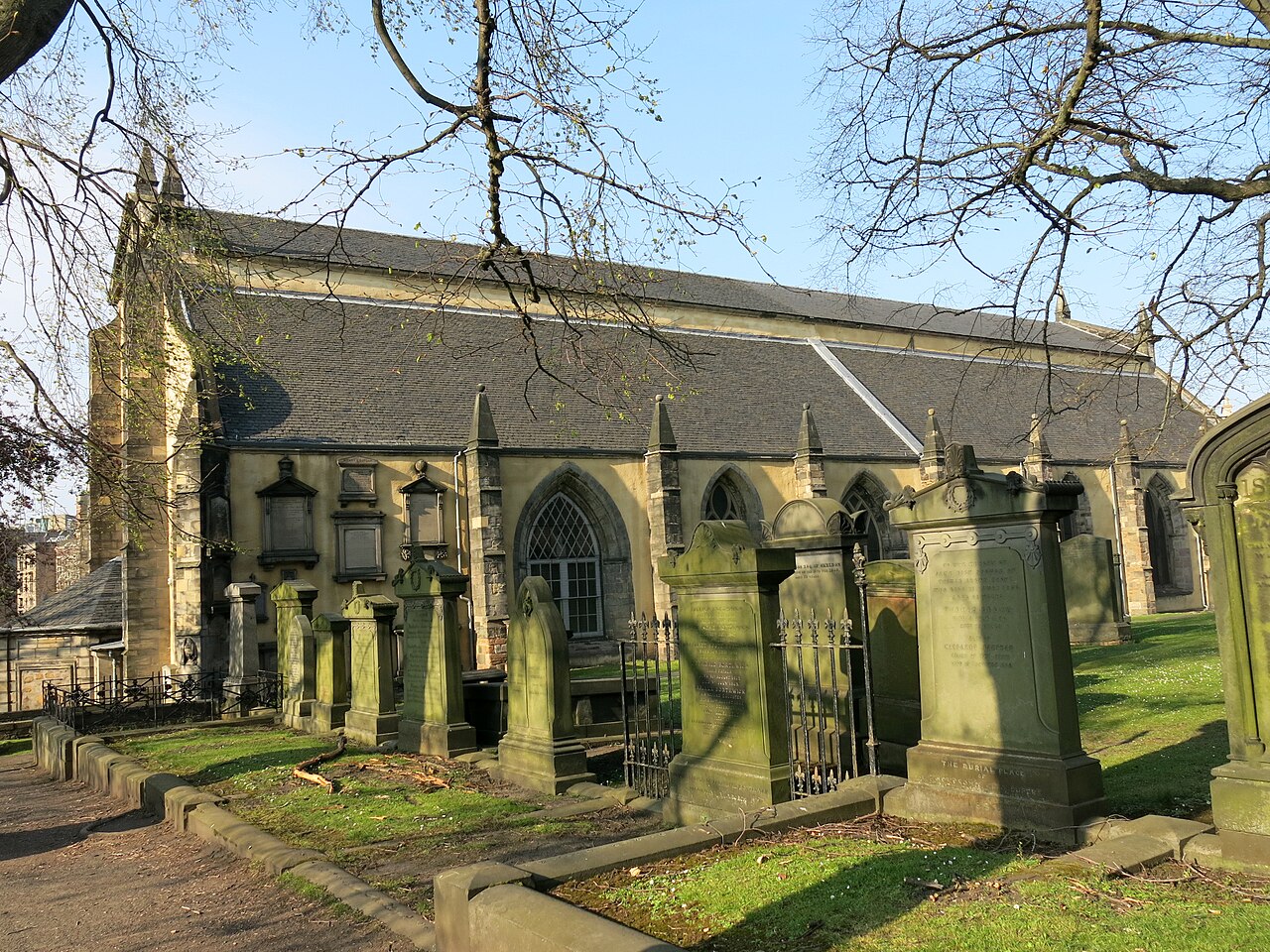
Greyfriars Kirk
Gothic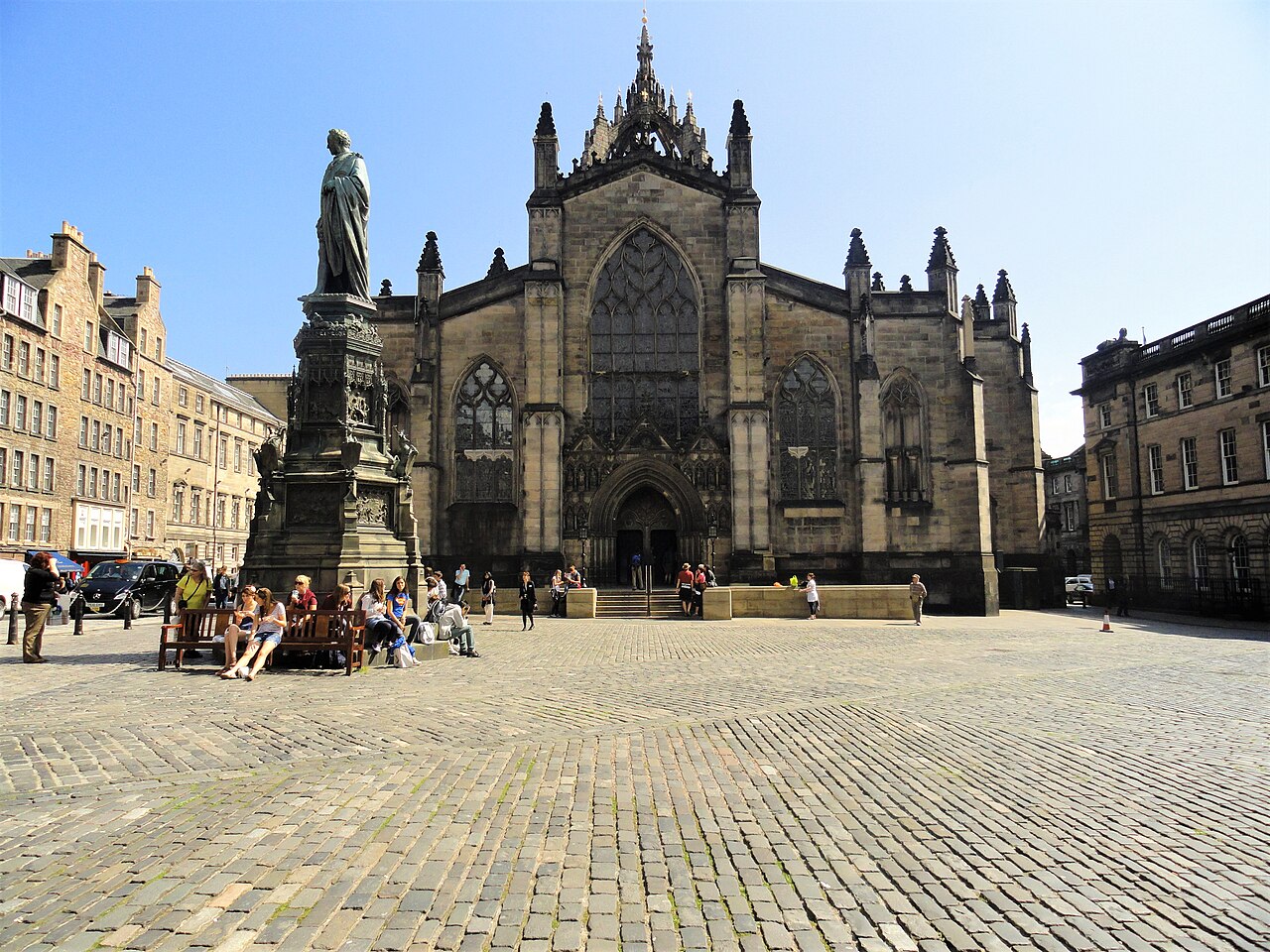
St Giles Cathedral
Gothic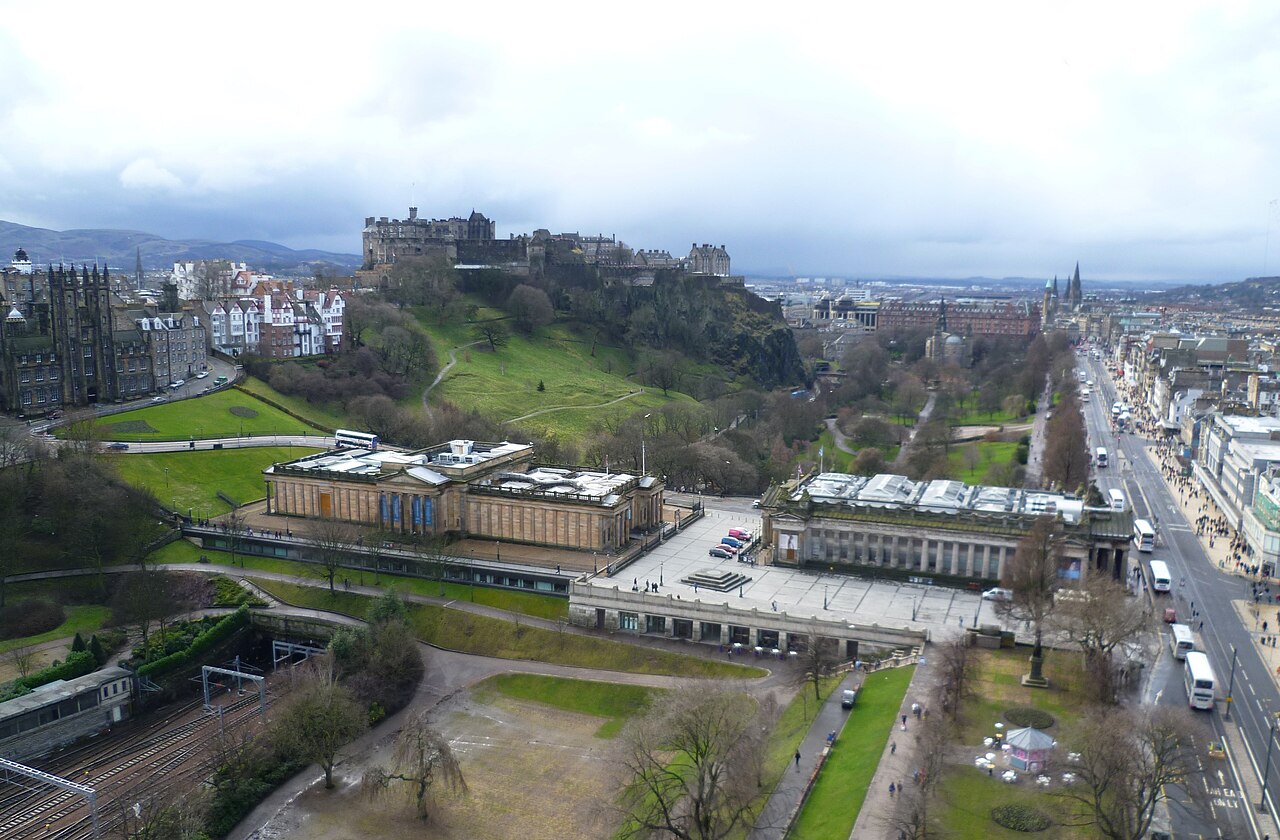
Scott Monument
Neoclassical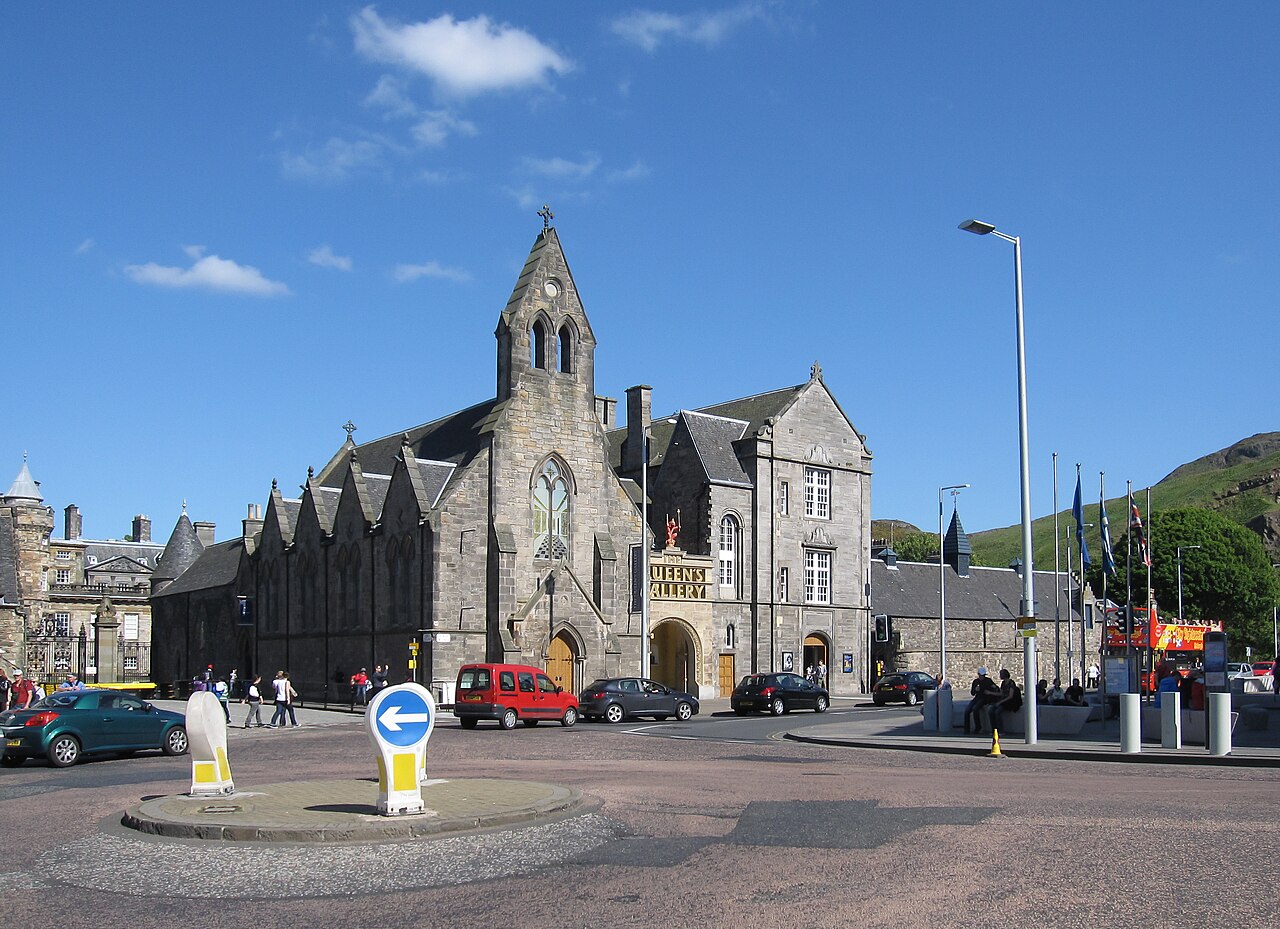
Palace of Holyroodhouse
Postmodernism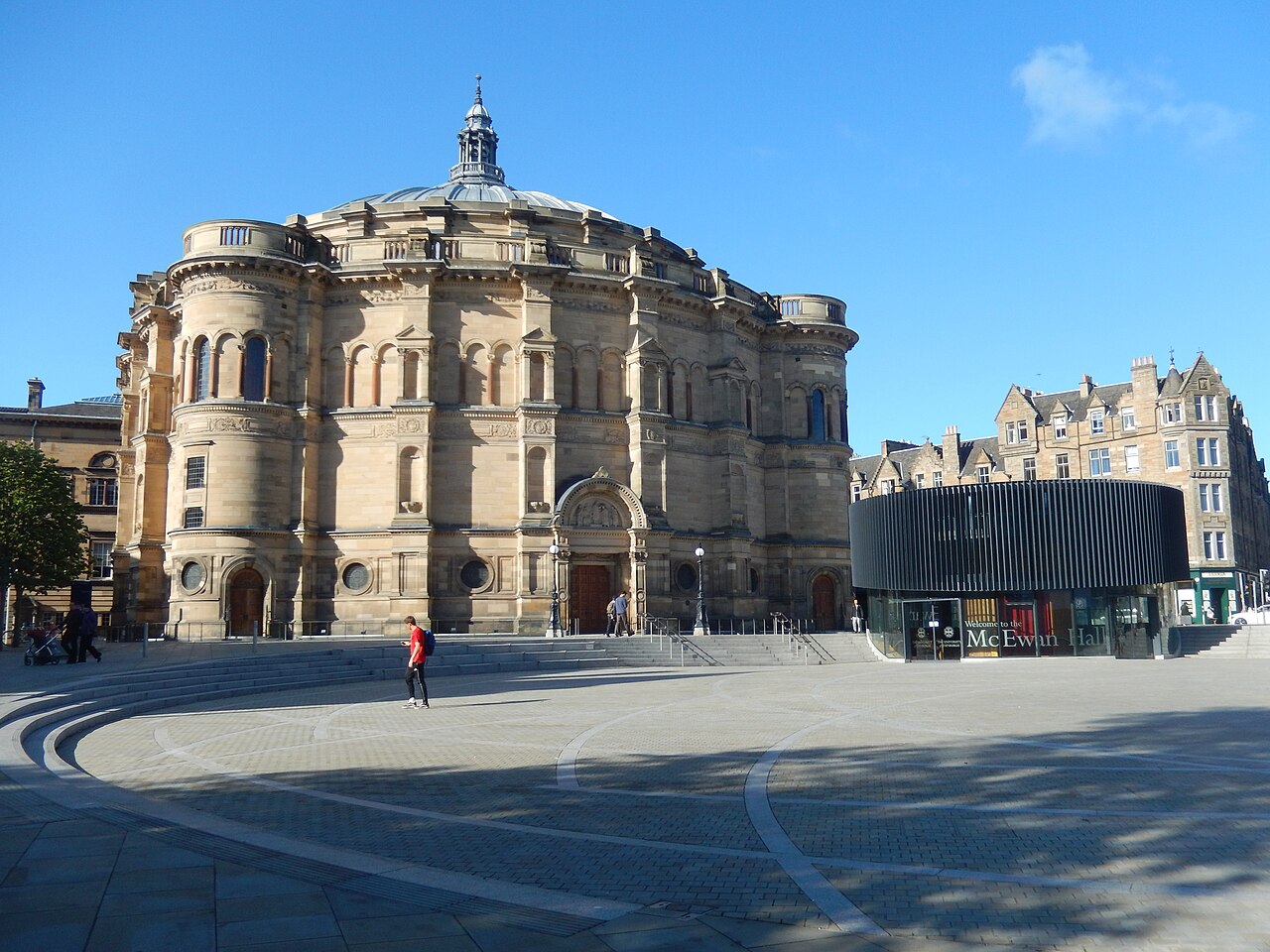
McEwan Hall
Romanesque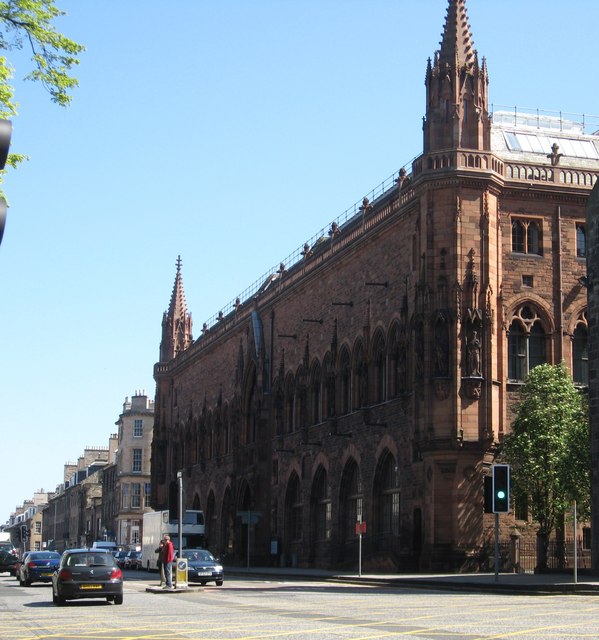
National Museum of Scotland
GothicExplore This City
Edinburgh Architecture Guide
Explore 13 buildings across 13 styles →