High-Tech Architecture in Melbourne
Explore 3 high-tech buildings that shape Melbourne's architectural identity
High-Tech architecture emerged prominently in Melbourne during the late 20th century, reflecting a period of innovation and economic growth. This architectural style emphasizes the expression of structural elements and advanced technologies, which resonates with Melbourne's evolving urban landscape. As the city embraced modernization, buildings began to showcase their inner workings, utilizing materials such as glass and steel to create a sense of transparency and lightness.
One striking example of High-Tech design in Melbourne is the Eureka Tower, located at 7 Riverside Quay. This iconic skyscraper not only dominates the Southbank skyline but also highlights its structural framework through its sleek form and modern materials. The tower is a prime illustration of how High-Tech architecture can achieve both aesthetic appeal and functional efficiency.
Another significant structure is the Arts Centre Melbourne, situated at 100 St Kilda Rd. Here, exposed structural elements are combined with advanced building technologies, showcasing the high-tech ethos in both form and function. The building's distinctive spire is not just an architectural feature but also an expression of the dynamic use of space within the arts precinct.
Additionally, the RMIT Design Hub at the corner of Victoria and Swanston Streets exemplifies High-Tech principles through its visible structural components and an emphasis on technological integration. This building serves as a hub for design innovation, reinforcing Melbourne's status as a center for contemporary architecture.
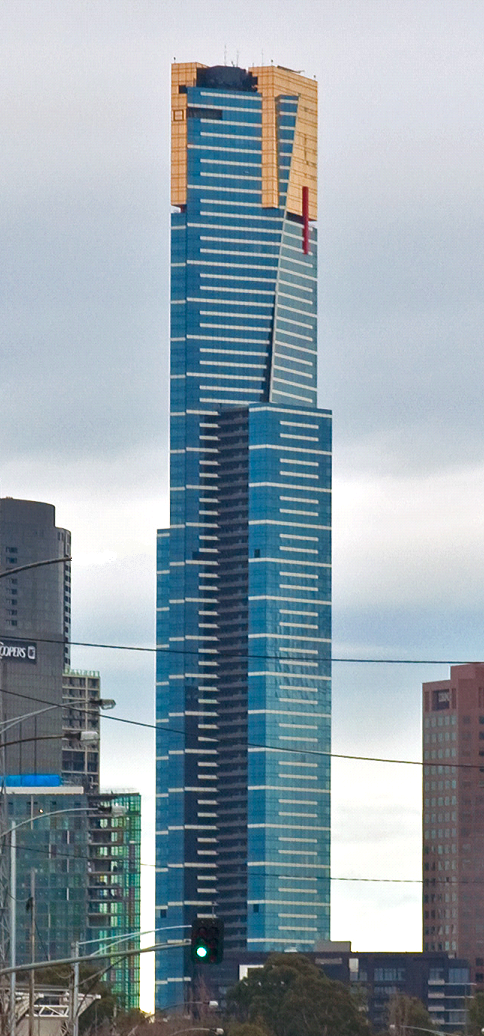
Eureka Tower
7 Riverside Quay, Southbank VIC 3006, Australia
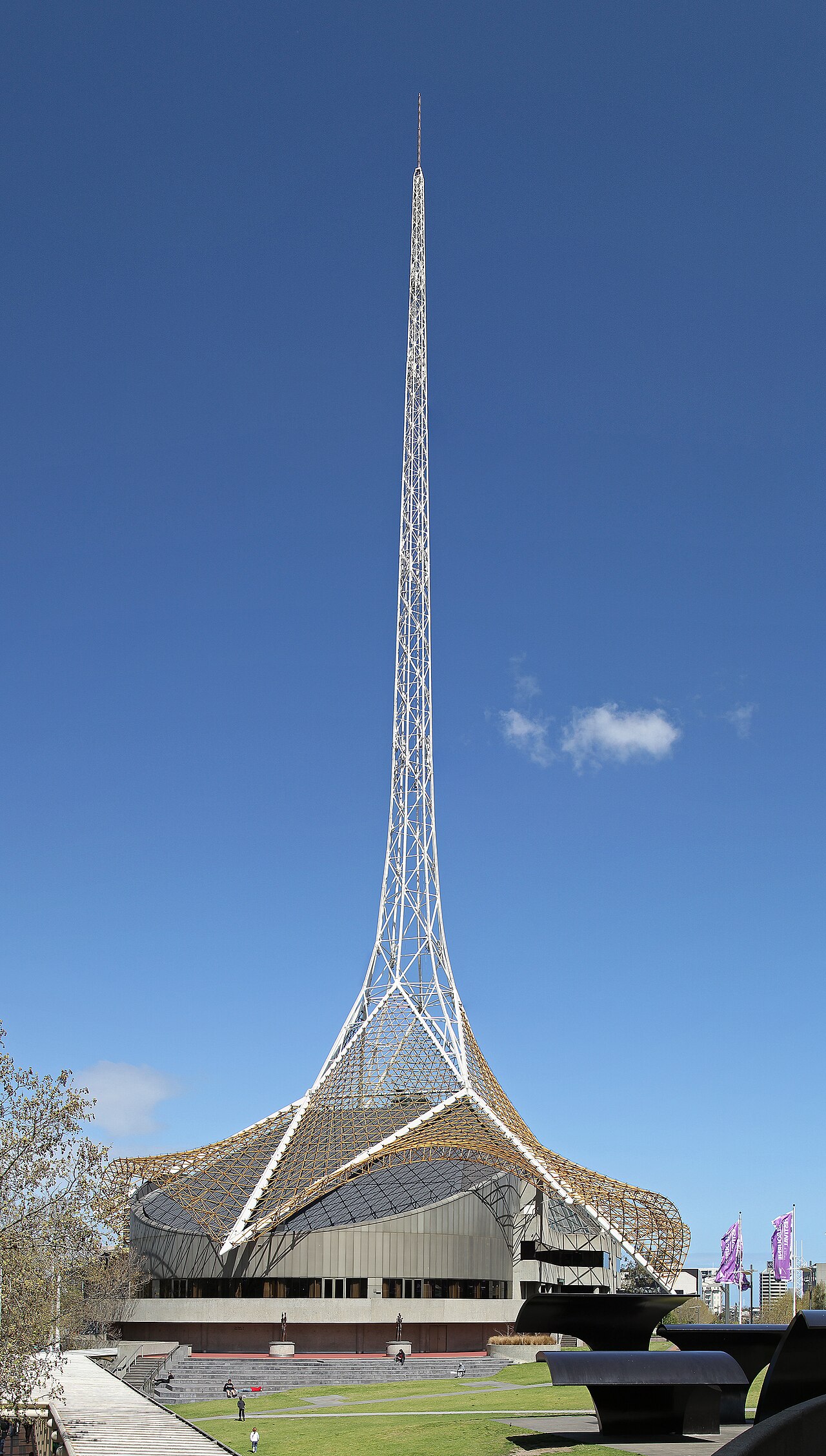
Arts Centre Melbourne
100 St Kilda Rd, Melbourne VIC 3004, Australia
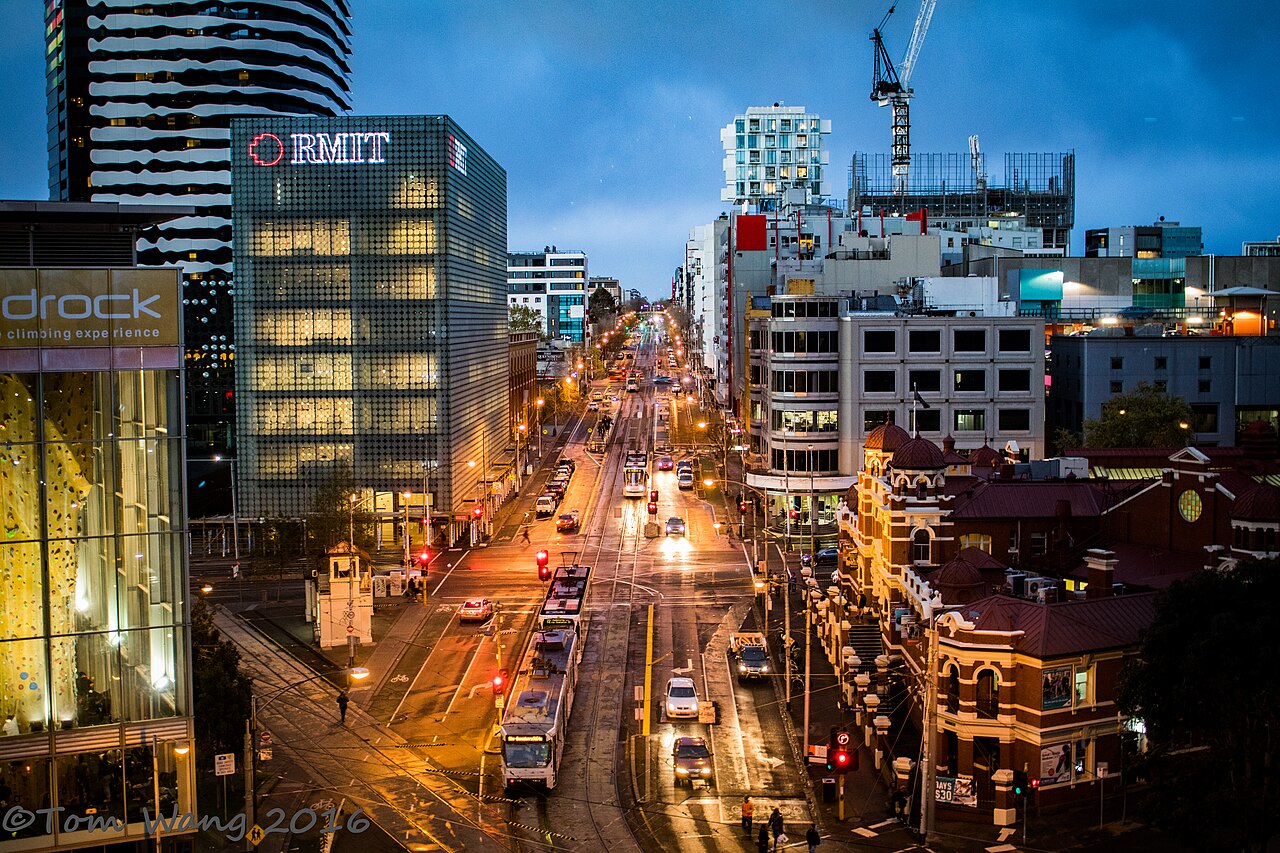
RMIT Design Hub
Corner Victoria and Swanston Streets, Carlton VIC 3053, Australia
High-Tech in Melbourne: Common Questions
Where can I see High-Tech architecture in Melbourne?
You can see High-Tech architecture in several locations, primarily in Southbank and the Arts Precinct. Key buildings include Eureka Tower, Arts Centre Melbourne, and RMIT Design Hub, each showcasing distinctive elements of this architectural style.
When were these High-Tech buildings built?
Eureka Tower was completed in 2006, while the Arts Centre Melbourne has been evolving since its initial construction in the 1980s, with significant updates over the years. The RMIT Design Hub was opened in 2012, contributing to the modern architectural landscape.
What should I look for in High-Tech architecture?
Look for exposed structural elements, innovative use of materials like glass and steel, and a focus on technology in the design. Buildings often highlight their inner workings, creating a sense of transparency and modernity.
How does Melbourne's High-Tech architecture compare to other cities?
Melbourne's High-Tech architecture stands out due to its integration with the city's cultural and artistic heritage. While cities like London and Tokyo also feature this style, Melbourne's buildings like the Arts Centre and RMIT Design Hub reflect a unique blend of innovation and local context.
Can I visit these High-Tech buildings?
Yes, many of these buildings are accessible to the public. You can explore the Eureka Tower's observation deck, attend performances at the Arts Centre Melbourne, and visit the RMIT Design Hub for exhibitions and events.