Beaux-Arts Architecture in Amsterdam
Explore 4 beaux-arts buildings that shape Amsterdam's architectural identity
Beaux-Arts architecture emerged in Amsterdam during the late 19th and early 20th centuries, a period marked by economic expansion and urban development. Influenced by the grand styles of classical antiquity and the Renaissance, this architectural movement emphasized symmetry, elaborate ornamentation, and monumental scale. The prosperity of the Dutch economy at that time facilitated the construction of significant public and commercial buildings, embedding the Beaux-Arts style into the fabric of the city.
Notable among these structures is the Amsterdam Centraal Station, which showcases the grandiosity typical of Beaux-Arts design. Its elaborate façade features intricate detailing and a symmetrical layout, creating a striking entrance to the city. The station, completed in 1889, serves as a central hub and reflects the ambition of Amsterdam during its industrial peak.
Another prominent example is the Beurs van Berlage, located at Damrak 243. This building integrates classic architectural principles with modern functionality, displaying the Beaux-Arts influence through its size and ornamental details. Built between 1898 and 1903, it served as a commodities exchange and remains a focal point of commercial activity in Amsterdam.
The Magna Plaza, situated at Nieuwezijds Voorburgwal 182, further illustrates the Beaux-Arts aesthetic with its grand scale and intricate detailing of arches and columns. Originally designed as a post office in the late 19th century, it now serves as a shopping center while retaining its architectural grandeur. These examples highlight how Beaux-Arts architecture is concentrated in the city center, particularly along major thoroughfares and squares.
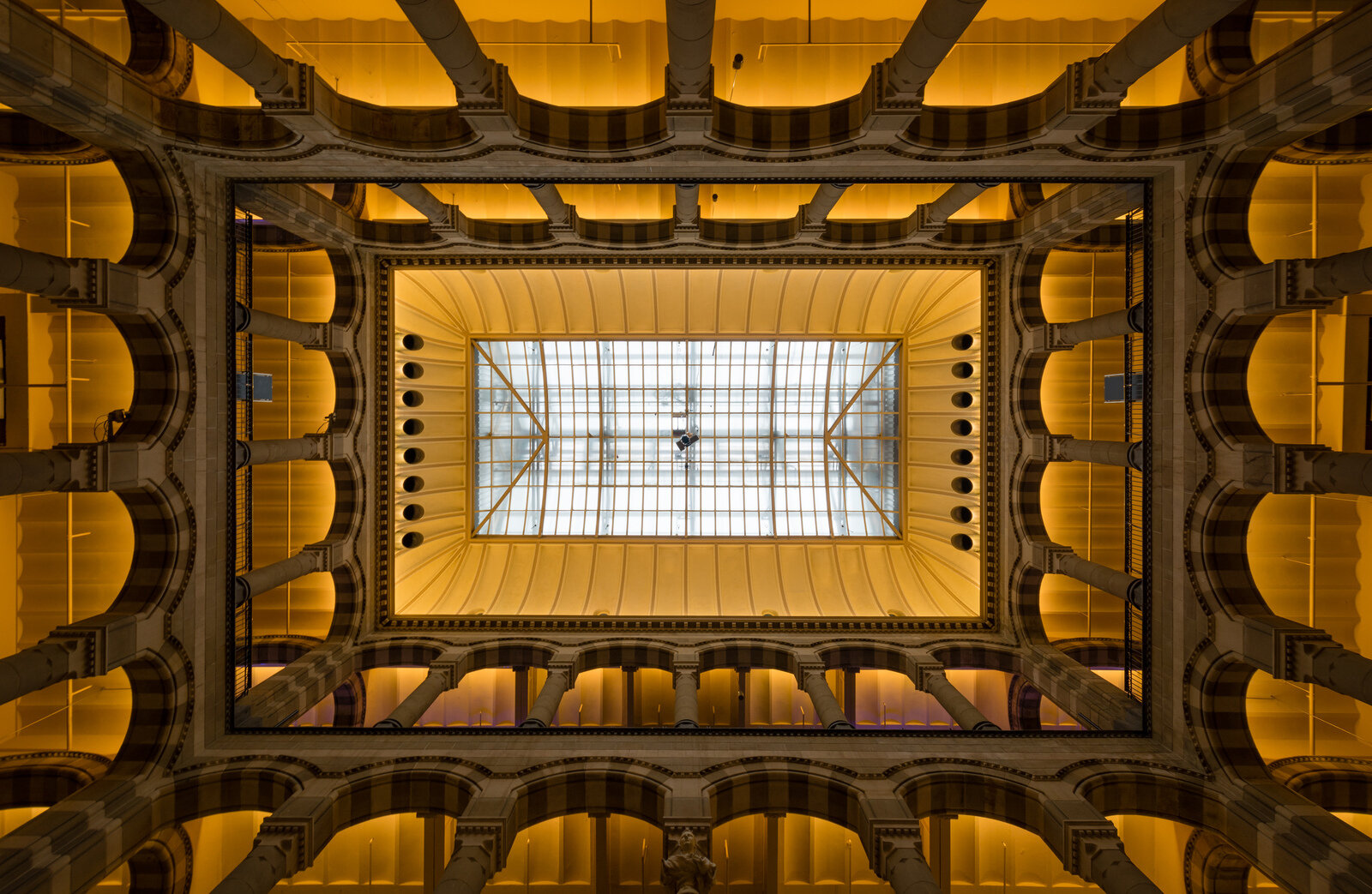
Magna Plaza
Nieuwezijds Voorburgwal 182, Amsterdam
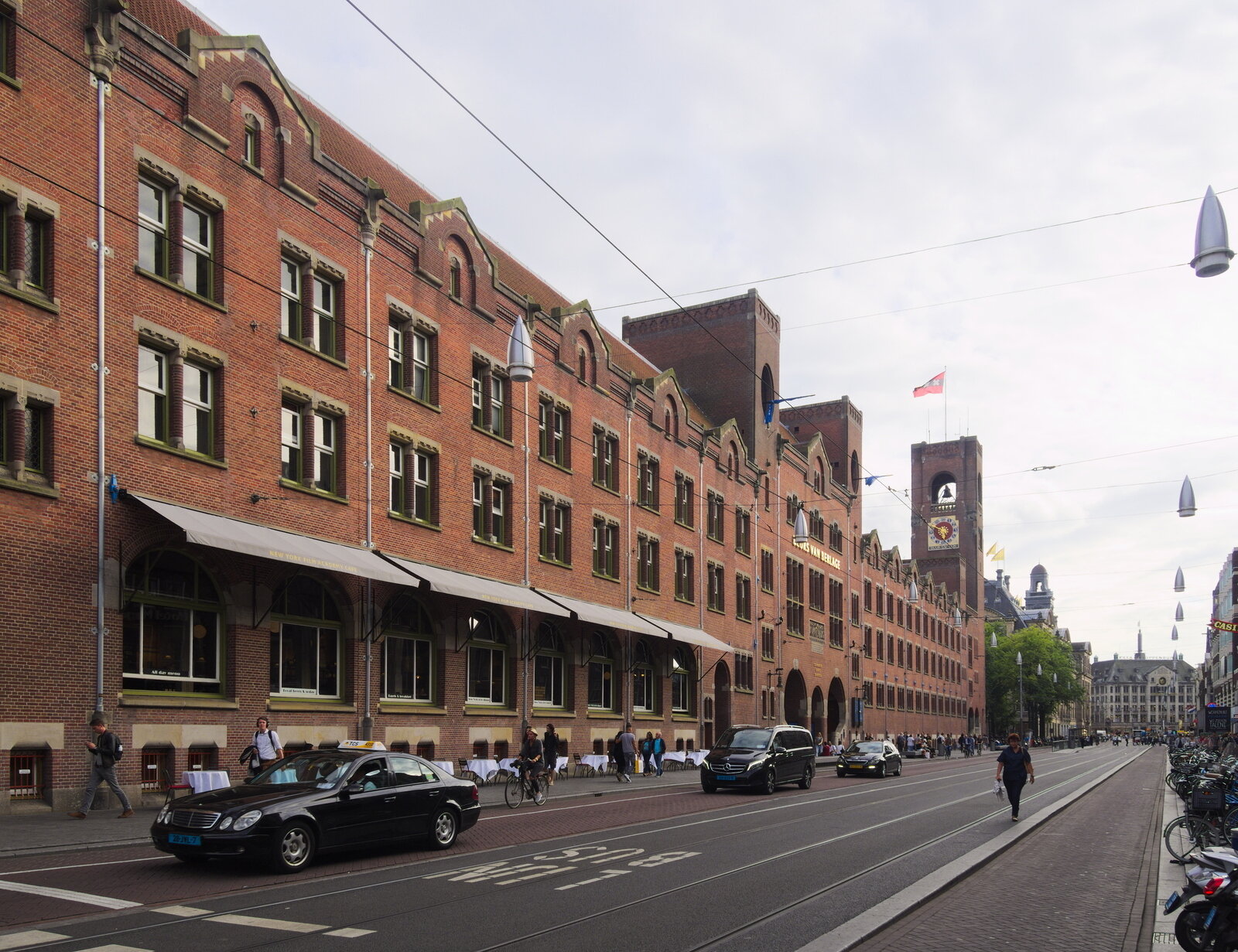
Beurs van Berlage
Damrak 243, Amsterdam
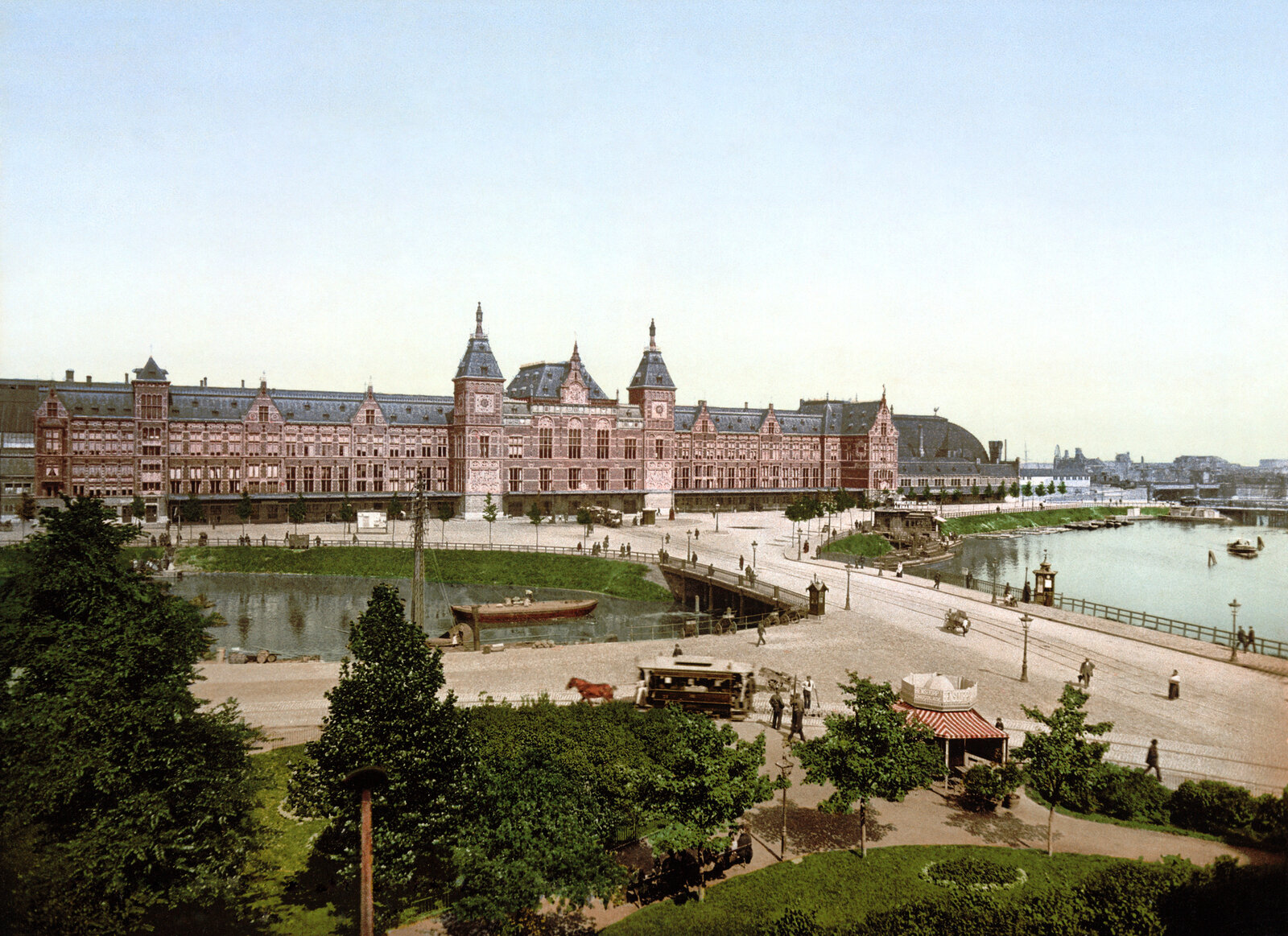
Amsterdam Centraal Station
Stationsplein 1, Amsterdam
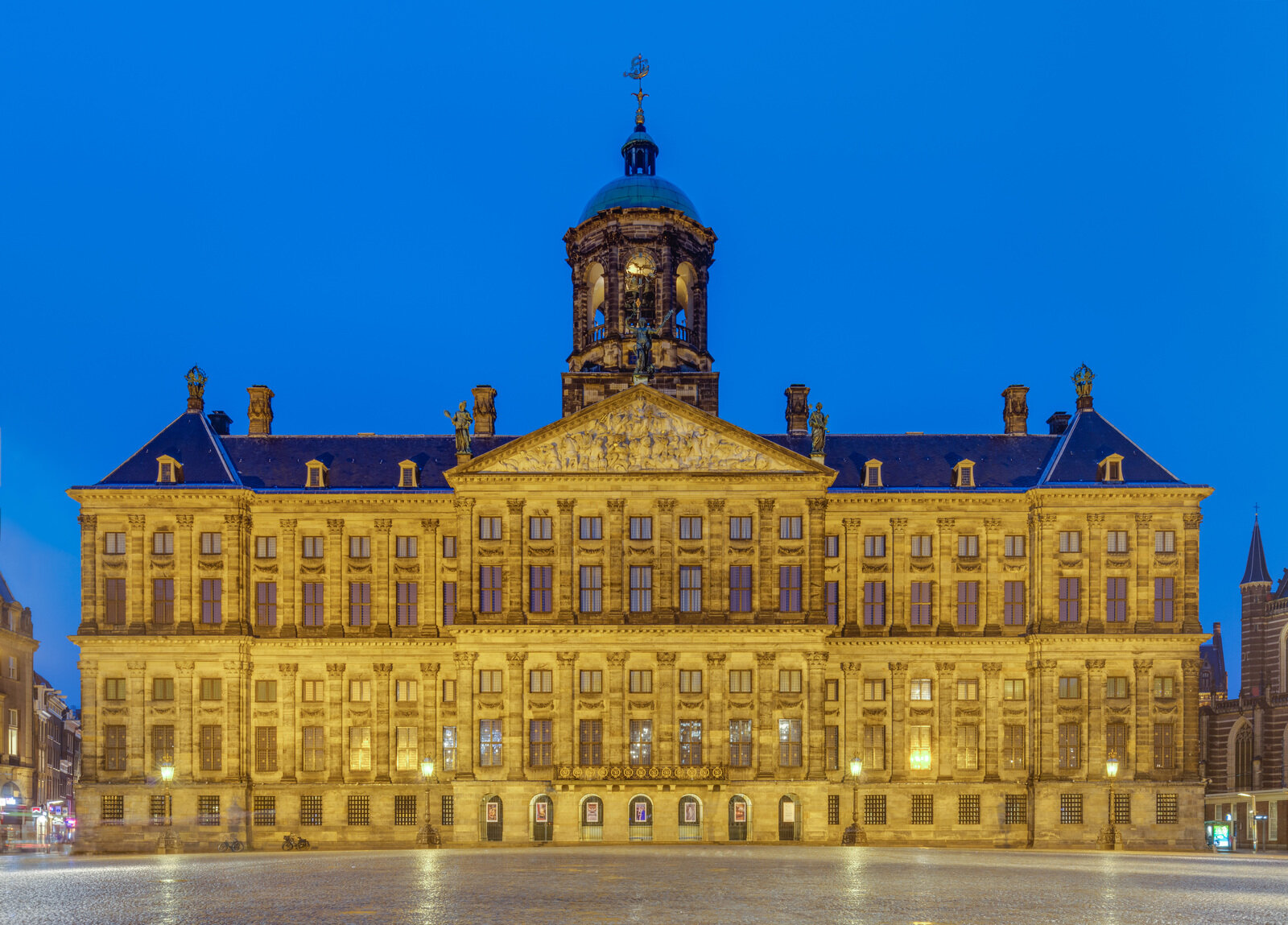
Royal Palace of Amsterdam
Dam, 1012 KB Amsterdam
Beaux-Arts in Amsterdam: Common Questions
Where can I see Beaux-Arts architecture in Amsterdam?
Key locations include Amsterdam Centraal Station, the Beurs van Berlage, and Magna Plaza. These buildings are situated in the city center, making them easily accessible for visitors.
When were these Beaux-Arts buildings constructed?
Amsterdam Centraal Station was completed in 1889, the Beurs van Berlage was built between 1898 and 1903, and Magna Plaza dates back to the late 19th century. This period coincides with significant urban development in Amsterdam.
What should I look for in Beaux-Arts architecture?
Look for features such as grand scale, symmetry, and elaborate decorative details. Notable elements include classical columns, intricate facades, and a focus on ornamentation, as seen in the Royal Palace of Amsterdam.
How does Amsterdam's Beaux-Arts style compare to other cities?
Amsterdam's Beaux-Arts architecture reflects local adaptations of the style, emphasizing ornamentation and classical forms. While similar to other European cities, Amsterdam's buildings often incorporate unique local materials and artistic details.
Can these buildings be visited?
Yes, all listed buildings can be visited. Amsterdam Centraal Station and the Beurs van Berlage are functional public spaces, while Magna Plaza operates as a shopping center, allowing visitors to experience their architectural beauty.