Beaux-Arts Architecture in Los Angeles
Explore 3 beaux-arts buildings that shape Los Angeles's architectural identity
Beaux-Arts architecture emerged in the late 19th and early 20th centuries, reflecting the grand aspirations of cities like Los Angeles during a time of rapid growth and urbanization. This style, rooted in classical European design, was characterized by its monumental scale, symmetry, and elaborate detailing, often incorporating local materials. The rise of the Beaux-Arts movement in Los Angeles coincided with a booming economy and a desire for civic buildings that conveyed stability and grandeur.
Among the most significant examples of this architectural style is the Los Angeles City Hall, located at 200 N Spring St. Completed in 1928, this building features a striking blend of classical elements, including a soaring tower and intricate decorative motifs. The design reflects both the Beaux-Arts emphasis on grandeur and the modern sensibilities of its time.
Another prominent Beaux-Arts structure is the Griffith Observatory, situated at 2800 E Observatory Rd. Opened in 1935, its symmetrical layout and classical detailing highlight the style’s influence, with a focus on creating an iconic public space that invites exploration of the cosmos. The observatory serves as both a scientific institution and a cultural landmark, reinforcing the Beaux-Arts tradition of civic engagement.
The Bradbury Building, located at 304 S Broadway, stands out with its unique combination of Beaux-Arts and early commercial architectural elements. Completed in 1893, it is characterized by its grand scale and intricate ironwork. The building's focus on light and space, along with its classical details, showcases the adaptability of the Beaux-Arts style in an urban context.
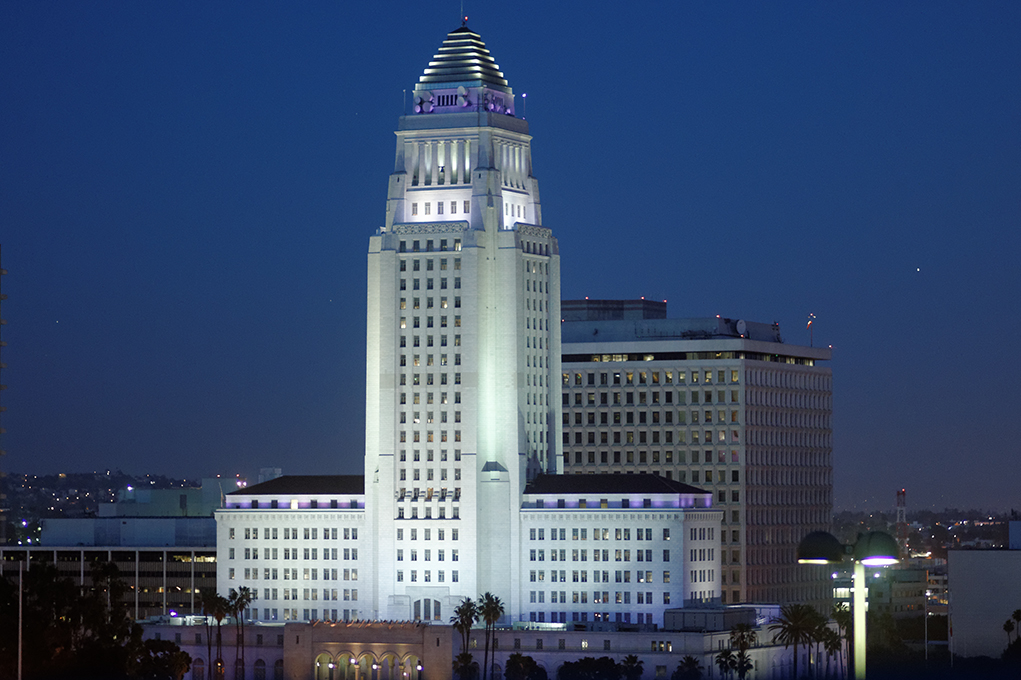
Los Angeles City Hall
200 N Spring St, Los Angeles, CA 90012
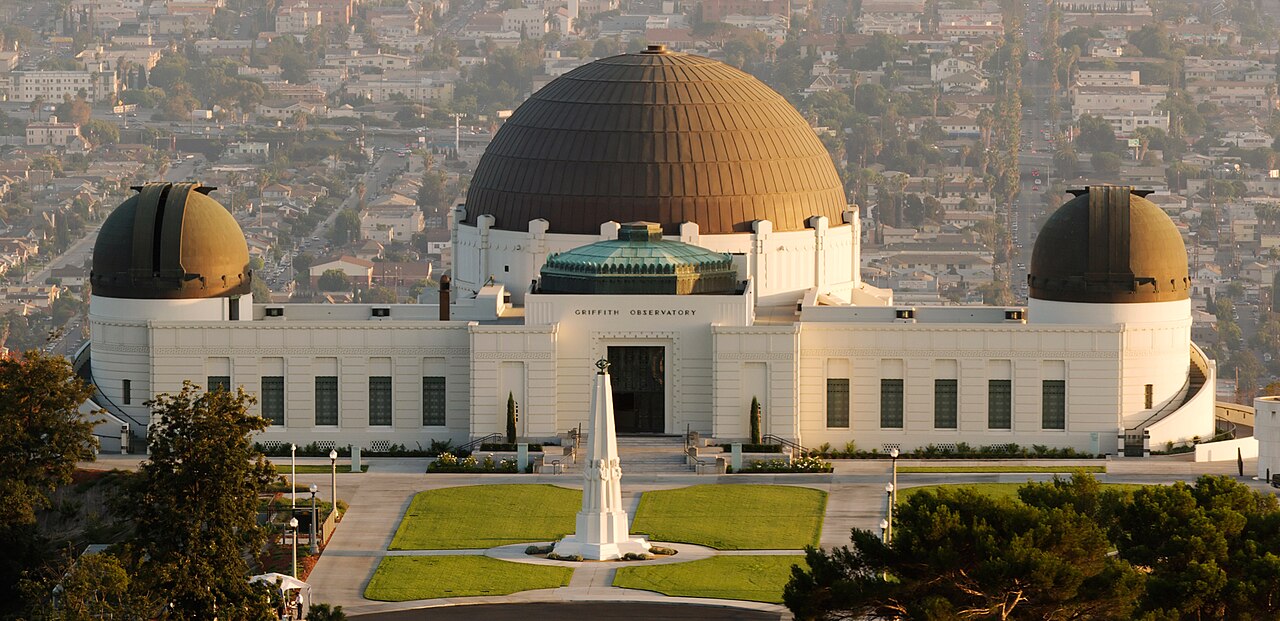
Griffith Observatory
2800 E Observatory Rd, Los Angeles, CA 90027
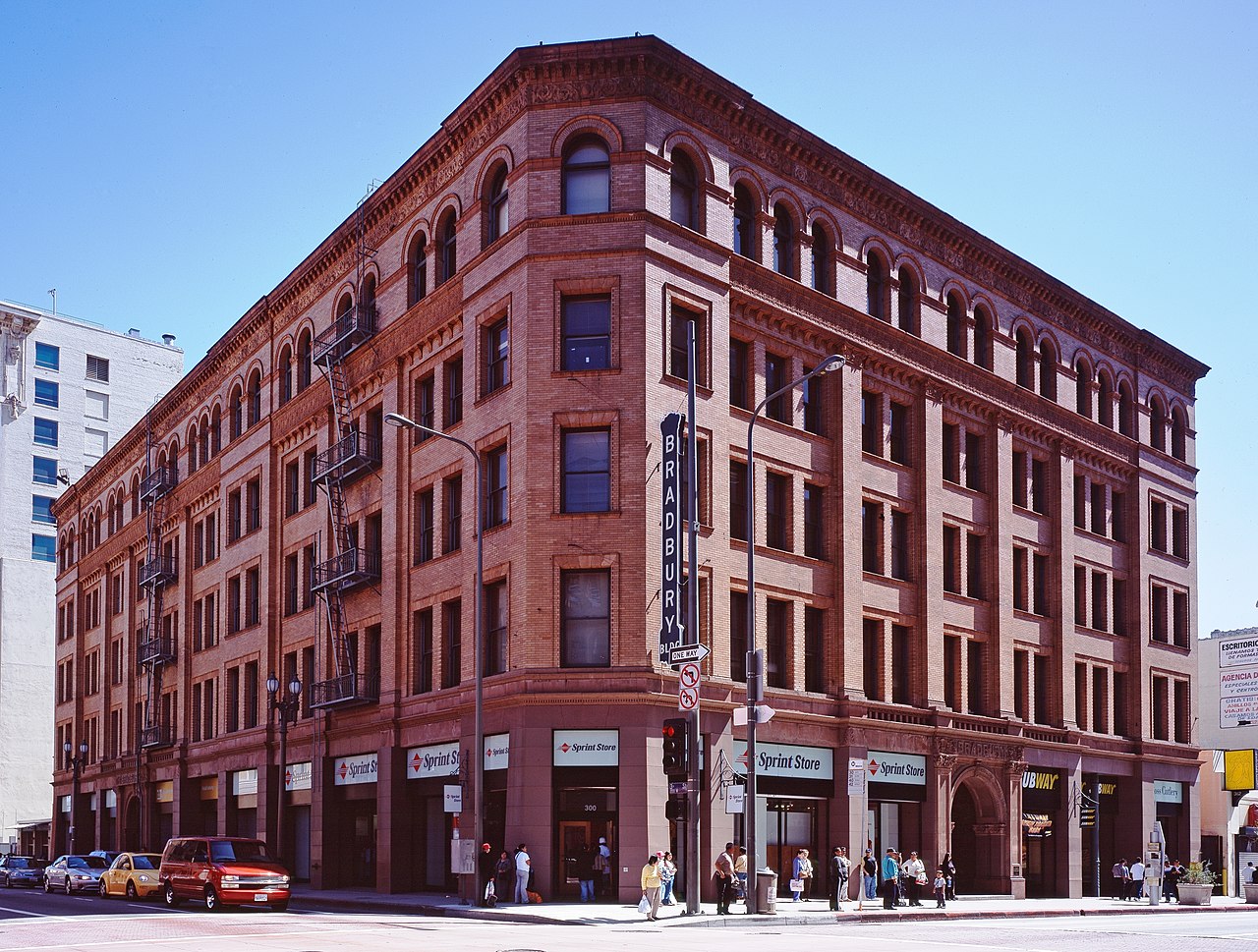
Bradbury Building
304 S Broadway
Beaux-Arts in Los Angeles: Common Questions
Where can I see Beaux-Arts architecture in Los Angeles?
Key locations include Los Angeles City Hall, Griffith Observatory, and the Bradbury Building. Each of these buildings showcases distinctive Beaux-Arts features, making them excellent examples of the style in the city.
When were these Beaux-Arts buildings constructed?
Los Angeles City Hall was completed in 1928, the Griffith Observatory in 1935, and the Bradbury Building was finished earlier, in 1893. These dates reflect the period when Beaux-Arts architecture gained prominence in Los Angeles.
What should I look for in Beaux-Arts architecture?
Look for grand scales, symmetrical layouts, and elaborate classical detailing. Features like decorative sculptures, columned facades, and impressive entrances are hallmarks of the Beaux-Arts style, as seen in the listed buildings.
How does Beaux-Arts architecture in Los Angeles compare to other cities?
While Beaux-Arts architecture shares similar characteristics across cities, Los Angeles incorporates local materials and designs that reflect its unique context. Buildings like City Hall and Griffith Observatory blend classical forms with the city’s modern aspirations.
Can I visit these Beaux-Arts buildings?
Yes, both Griffith Observatory and the Bradbury Building are open to the public, allowing visitors to experience their architectural details firsthand. Los Angeles City Hall also offers tours, providing insight into its historical significance and design.