Los Angeles sprawls across a vast metropolitan landscape where architectural innovation meets endless experimentation. This city has attracted visionary architects who found in its year-round sunshine, dramatic topography, and freewheeling spirit the perfect canvas for bold architectural statements. From the Spanish Colonial Revival mansions of the 1920s to Frank Gehry's sculptural masterpieces, LA's built environment tells the story of a city constantly reinventing itself.
What sets Los Angeles apart architecturally is its embrace of diverse influences and its willingness to let architects push boundaries. The city's relative youth freed it from historical constraints, while its entertainment industry wealth provided patronage for experimental design. Hollywood's culture of spectacle infused even residential architecture with a sense of drama and fantasy. This produced iconic structures like the Stahl House, whose glass walls frame the city lights like a movie screen, and the Theme Building at LAX, which embodies the Space Age optimism of mid-century America.
LA's geography shaped its architecture as much as its culture. The Mediterranean climate encouraged indoor-outdoor living, leading to innovations in transparency and openness. Steep hillside lots inspired cantilevered designs and dramatic overhangs. The frequent threat of earthquakes pushed engineers and architects toward flexible, lightweight construction methods that influenced modernist aesthetics.
Architectural Periods and Evolution
Los Angeles architecture unfolds in distinct waves, each reflecting the city's rapid growth and changing cultural influences. The Spanish Colonial Revival period of the 1920s established LA's foundational aesthetic, drawing inspiration from California's mission heritage and Mediterranean climates. Buildings like Union Station showcase this style's graceful arches, decorative tilework, and courtyards designed for the temperate climate.
The Art Deco movement of the 1920s and 1930s brought sophisticated urban glamour to downtown Los Angeles. The Eastern Columbia Building, with its striking turquoise terra cotta facade, exemplifies this era's optimism and machine-age aesthetics. Meanwhile, architects like Frank Lloyd Wright were developing unique California interpretations of modern design, as seen in Hollyhock House and Ennis House, which blend Prairie School principles with Mayan Revival motifs.
The Mid-Century Modern Revolution
The post-war era marked Los Angeles' emergence as a global center of architectural innovation. European modernist architects like Richard Neutra and Rudolph Schindler found in LA's climate and culture the perfect setting for their glass-and-steel visions. The Case Study House program, which included Pierre Koenig's Stahl House, demonstrated how modern design could create affordable yet sophisticated living spaces perfectly suited to California's lifestyle.
This period also saw the development of Googie architecture, a uniquely Los Angeles style that expressed the optimism of the Space Age through buildings with dramatic angles, atomic-inspired shapes, and bold signage. The Theme Building at LAX remains the most famous example of this exuberant architectural language.
Iconic Neighborhoods and Districts
Hollywood and West Hollywood
Hollywood's architecture reflects the entertainment industry's dual nature of fantasy and commerce. The TCL Chinese Theatre showcases the exotic revival styles popular in the 1920s, while the Capitol Records Building represents mid-century corporate modernism. In the hills above, experimental houses like the Chemosphere and Sheats-Goldstein Residence demonstrate how modernist architects used challenging sites to create architectural drama.
Downtown Los Angeles
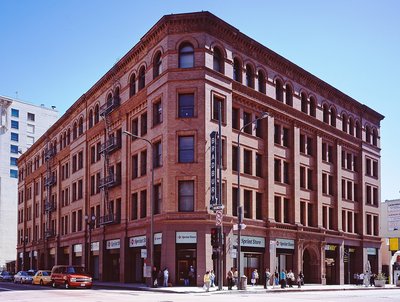
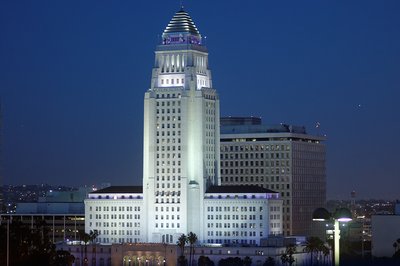
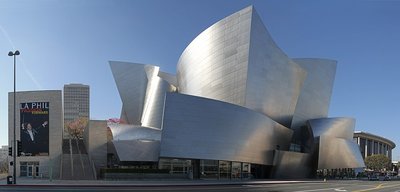
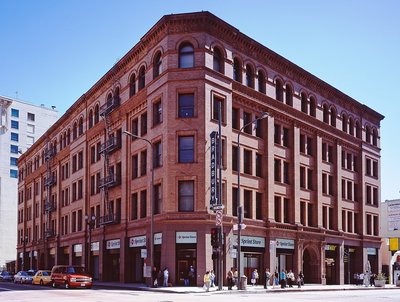
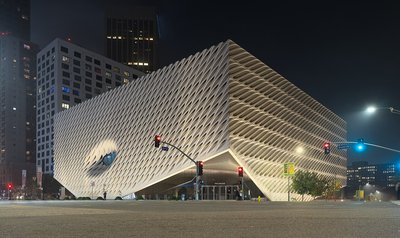
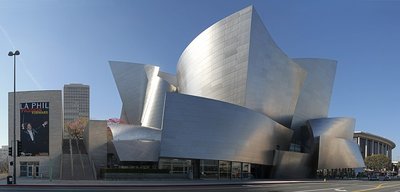
Downtown LA's urban core contains the city's greatest concentration of historic architecture, from the 1893 Bradbury Building's soaring light court to the Art Deco majesty of City Hall. Recent additions like Walt Disney Concert Hall and The Broad have brought contemporary architecture into dialogue with these historic structures, creating a rich urban tapestry that spans more than a century.
Westside and Beverly Hills
The affluent Westside showcases residential architecture at its most refined, from the Spanish Colonial Revival estates of the 1920s to contemporary masterpieces. The Getty Center crowns this area with Richard Meier's travertine-clad complex, which demonstrates how contemporary architecture can work harmoniously with the natural landscape.
Visionary Architects
Frank Lloyd Wright left an indelible mark on Los Angeles with four houses that demonstrate his evolving philosophy of organic architecture. Hollyhock House introduced his textile block system, while the later Ennis House shows this system's most dramatic application. Wright's influence extends far beyond his own buildings, inspiring generations of California modernists.
The Austrian emigre architects Richard Neutra and Rudolph Schindler practically invented the California modern house. Neutra's Lovell Health House pioneered the use of steel frame construction for residential design, while Schindler's Kings Road House introduced radical concepts about flexible living spaces. Their influence can be seen in the work of later practitioners like Pierre Koenig and John Lautner.
Frank Gehry represents Los Angeles' continued role as an architectural laboratory. His Walt Disney Concert Hall demonstrates how adventurous clients and talented architects can create buildings that become instant civic icons. Gehry's sculptural approach to form-making has influenced architects worldwide while remaining deeply rooted in LA's experimental tradition.
What to Notice
When exploring Los Angeles architecture, pay attention to how buildings respond to the unique climate and geography. Notice how architects use overhangs, terraces, and courtyards to create comfortable outdoor living spaces. Look for the innovative use of glass to blur the boundaries between interior and exterior, a technique that reaches its apex in houses like the Stahl House.
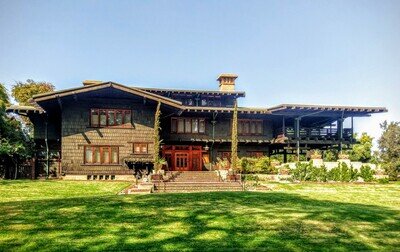
Observe the materials that define LA architecture: the warm stucco of Spanish Colonial Revival buildings, the gleaming steel and glass of mid-century modern houses, and the expressive concrete of Brutalist structures. Each material choice reflects both aesthetic preferences and practical responses to the local climate and construction traditions.
Landscape Integration
Los Angeles architects have pioneered the integration of buildings with their natural settings. Notice how structures like the Getty Center and Hollyhock House work with their dramatic hillside sites rather than fighting them. This sensitivity to landscape reflects both the Mediterranean influence on local architecture and the modernist principle of harmony between built and natural environments.
The city's automotive culture has also profoundly influenced its architecture. Look for buildings designed to be seen from moving cars, like the programmatic architecture of Randy's Donuts or the dramatic profile of the Theme Building. This relationship between architecture and mobility remains a distinctive characteristic of the Los Angeles built environment.
Architectural styles in Los Angeles
Browse the documented buildings by style:
Los Angeles Architecture FAQ
What is the dominant architectural style in Los Angeles?
Los Angeles features a diverse range of architectural styles, with the Spanish Colonial Revival of the 1920s being foundational. Other prominent styles include Art Deco, Beaux-Arts, and Deconstructivism, exemplified by buildings like the Walt Disney Concert Hall. This eclectic mix reflects the city's cultural influences and innovative spirit.
What are the best areas to walk and explore architecture in Los Angeles?
Some of the best areas to explore architecture include Downtown Los Angeles, where you can see landmarks like the Bradbury Building and Los Angeles City Hall. The Arts District and Griffith Park also offer a blend of historic and contemporary designs, providing a rich architectural experience in a vibrant urban setting.
What are the oldest or most famous buildings in Los Angeles?
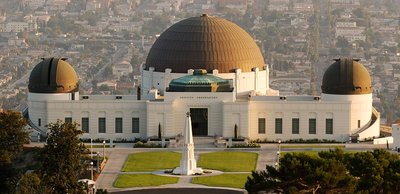
Among the oldest and most famous buildings are the Bradbury Building, known for its Victorian and Romanesque Revival architecture, and Los Angeles City Hall, a classic example of Art Deco and Beaux-Arts styles. The Griffith Observatory is also iconic, celebrating both architecture and the city’s love for astronomy.
How does Los Angeles architecture compare to nearby cities?
Los Angeles architecture stands out for its innovative spirit and embrace of diverse influences compared to nearby cities like San Francisco or San Diego. While these cities have rich historical styles, LA's relative youth and wealth from the entertainment industry have fostered bold experimentation and modern designs.
Can notable buildings in Los Angeles be visited?
Yes, many notable buildings in Los Angeles, including the Walt Disney Concert Hall and Griffith Observatory, welcome visitors. Some, like the Bradbury Building, may have limited access, but guided tours and public events are often available, allowing you to appreciate their architectural significance.