Skyscraper Architecture in Houston
Explore 3 skyscraper buildings that shape Houston's architectural identity
Skyscraper architecture in Houston emerged during the city's economic boom in the latter half of the 20th century, driven by the oil industry and a growing population. This urban transformation was marked by a desire to create iconic structures that reflected Houston's aspirations and modernity. The concentration of these tall buildings is primarily found in the downtown area, where the skyline is dominated by glass and steel towers.
Pennzoil Place, located at 711 Louisiana St, exemplifies the Skyscraper style with its striking vertical lines and expansive glass surfaces. Completed in 1976, this building is notable for its unique two-tower design, which creates a visually appealing silhouette against the Houston skyline. Its reflective glass facade not only enhances its aesthetics but also allows it to harmonize with the changing light of the sky.
Another significant example is Williams Tower at 2800 Post Oak Blvd. Rising to a height of 901 feet, this structure is known for its sleek design and modern materials. Completed in 1983, it features a distinctive illuminated crown that provides a landmark for the Galleria area. The use of glass and steel gives the tower a polished and contemporary look, making it a prominent feature of Houston's architectural landscape.
Lastly, the JPMorgan Chase Tower at 600 Travis St showcases the characteristics of skyscraper architecture with its towering height and extensive use of glass. Completed in 1982, it is the tallest building in Texas and offers a unique stilt base that elevates the structure above street level. This design not only enhances the building's presence but also encourages pedestrian activity in the area.
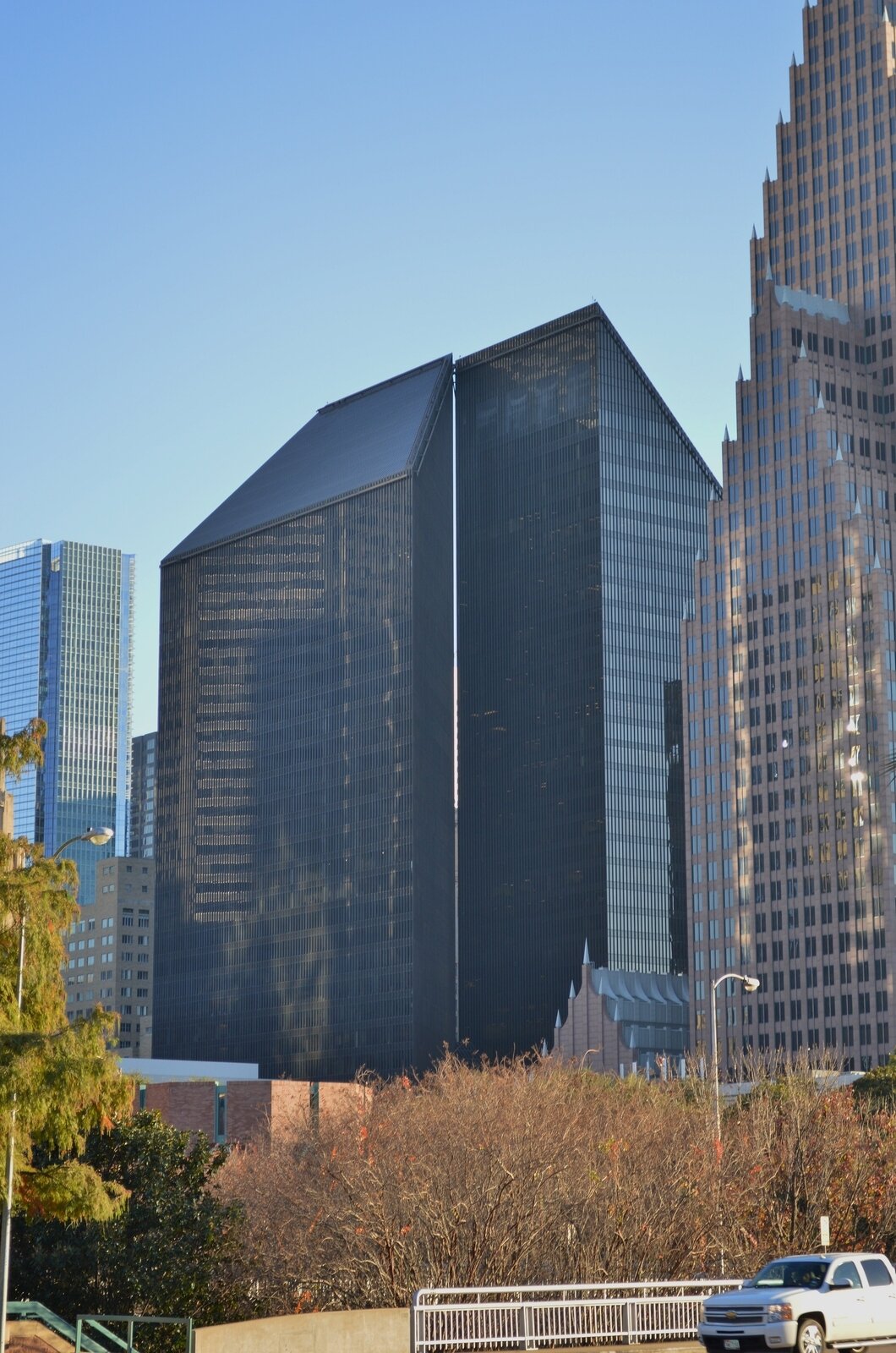
Pennzoil Place
711 Louisiana St, Houston, TX 77002
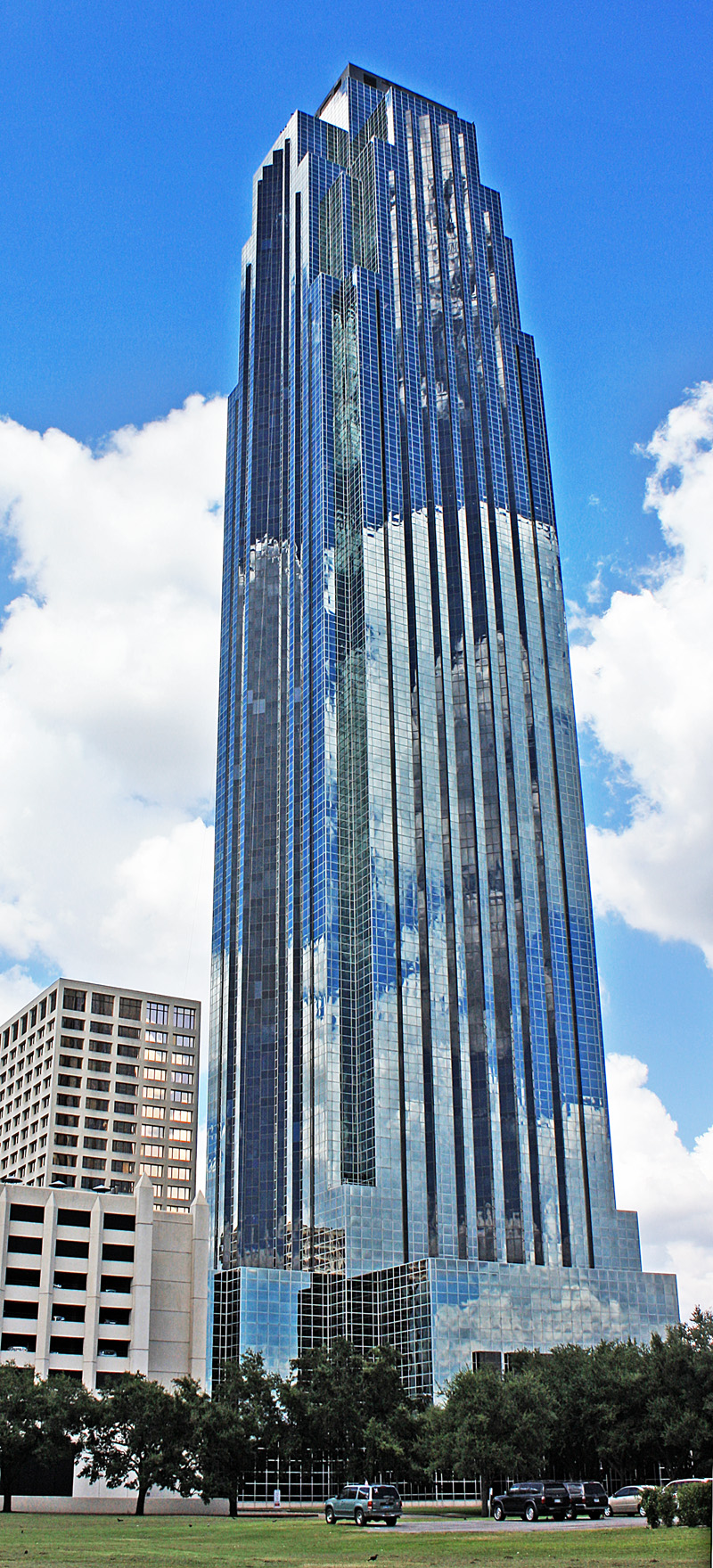
Williams Tower
2800 Post Oak Blvd, Houston, TX 77056
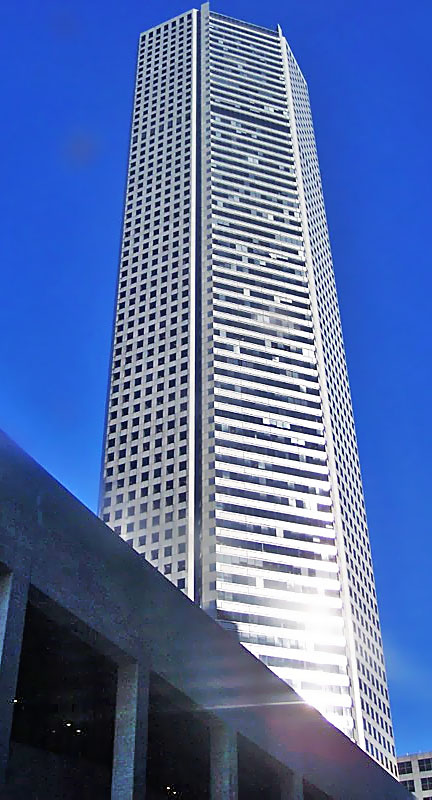
JPMorgan Chase Tower
600 Travis St, Houston, TX 77002
Skyscraper in Houston: Common Questions
Where can I see Skyscraper architecture in Houston?
The best places to see Skyscraper architecture in Houston are in the downtown area and the Galleria. Key buildings to explore include Pennzoil Place, Williams Tower, and JPMorgan Chase Tower, all of which are prominent fixtures of the city's skyline.
When were these skyscrapers built?
Pennzoil Place was completed in 1976, followed by JPMorgan Chase Tower in 1982, and Williams Tower in 1983. These buildings reflect the architectural trends and economic conditions of their respective eras.
What should I look for in Houston's skyscrapers?
When observing Houston's skyscrapers, pay attention to their height, use of glass and steel, and distinctive architectural features. Each building, like the reflective surfaces of Pennzoil Place and the illuminated crown of Williams Tower, offers unique design elements.
How does Houston's skyscraper architecture compare to other cities?
Houston's skyscraper architecture is characterized by its modern materials and vertical emphasis, similar to cities like New York and Chicago. However, Houston's buildings often incorporate local economic influences, particularly from the oil industry, shaping their unique identity.
Can I visit the interiors of these skyscrapers?
Access to the interiors of skyscrapers like JPMorgan Chase Tower and Williams Tower may vary. Some buildings have public spaces or lobbies that can be visited, but others may have restricted access. It's advisable to check in advance for visitor guidelines.