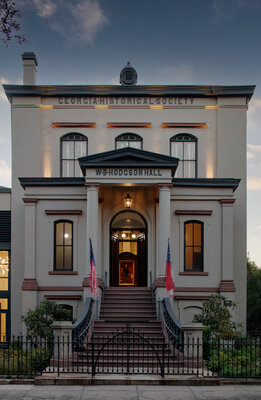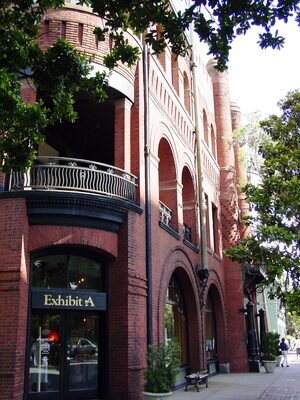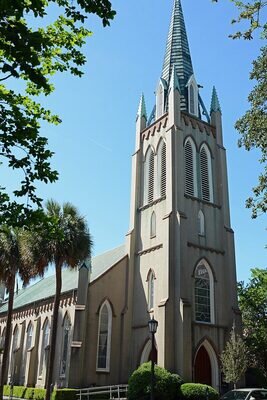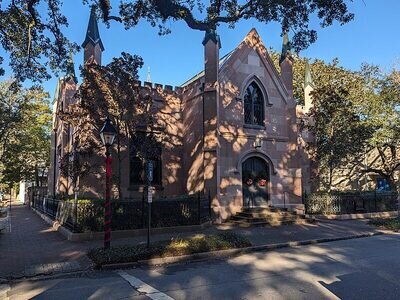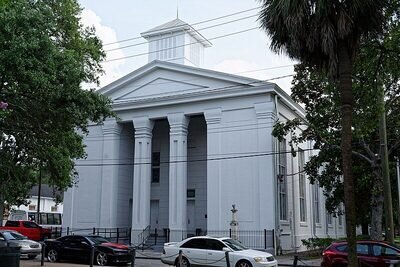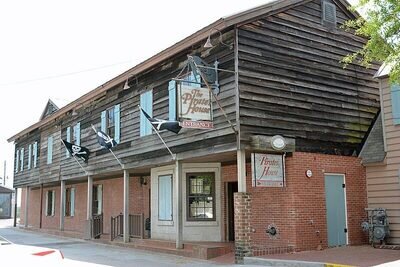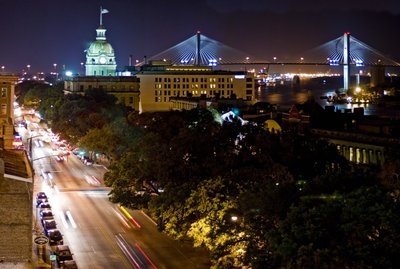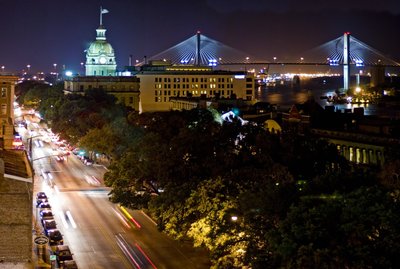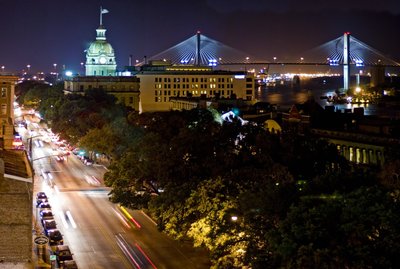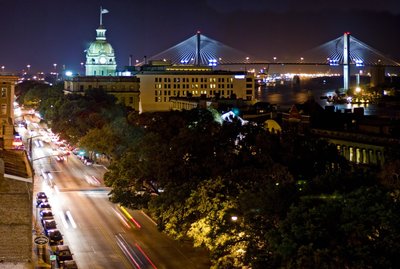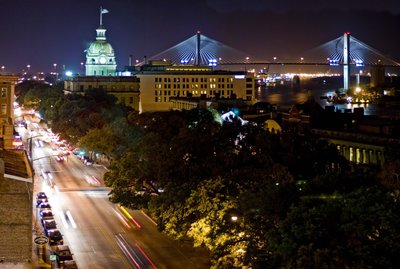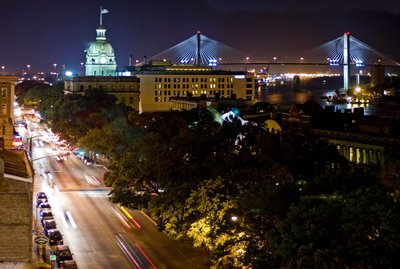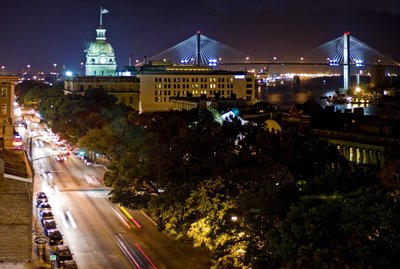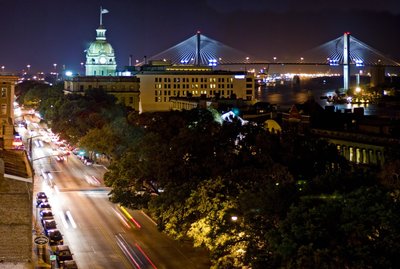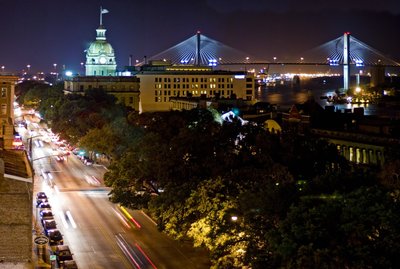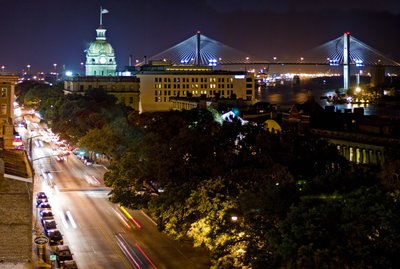
Savannah stands as one of America's most architecturally significant cities, where 18th-century urban planning meets centuries of architectural evolution. Founded in 1733 by James Oglethorpe, the city's distinctive grid of squares creates an urban landscape unlike any other in the United States.
Architectural Timeline
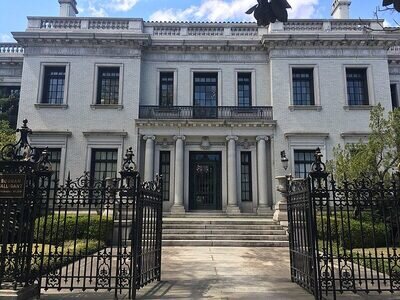
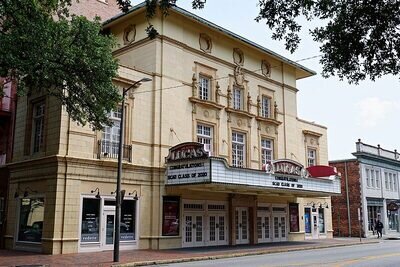
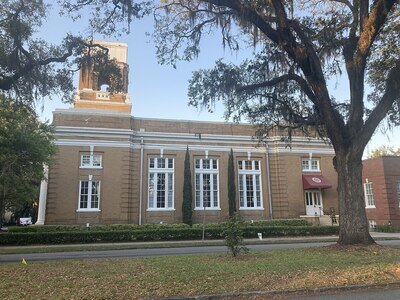
Savannah's architectural story begins with the Oglethorpe Plan, a revolutionary urban design featuring 24 public squares that still define the city's Historic District. This framework provided the stage for successive architectural periods that layered Georgian, Federal, Greek Revival, Gothic Revival, and Victorian styles across the urban landscape.
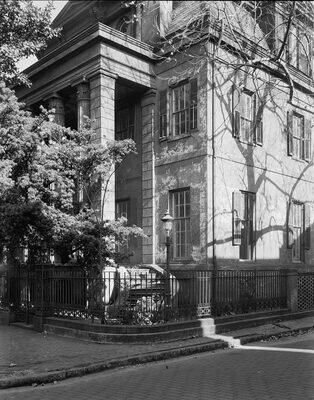
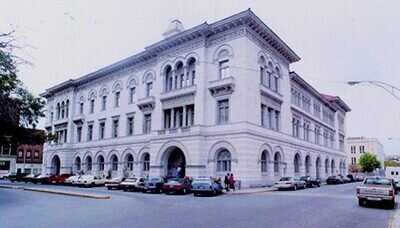
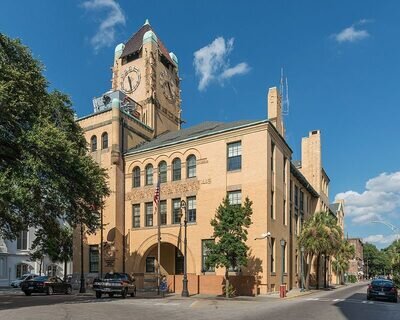
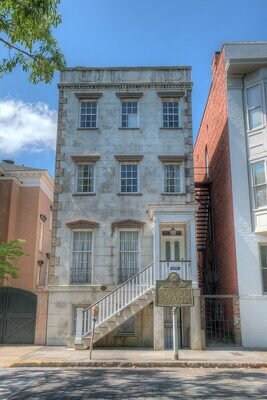
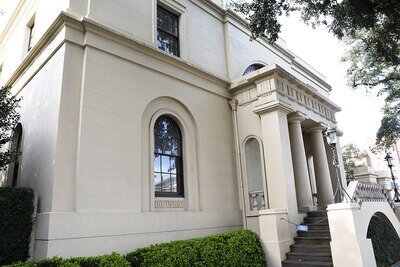
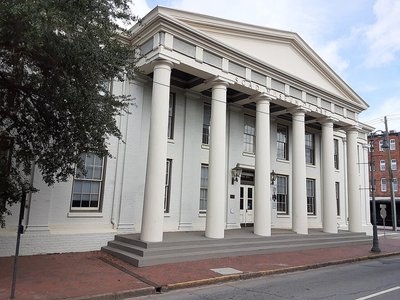
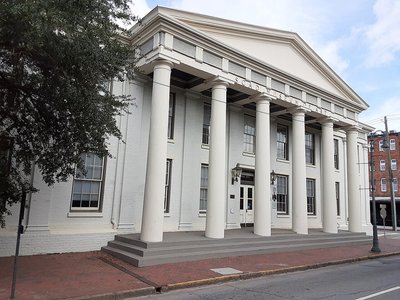
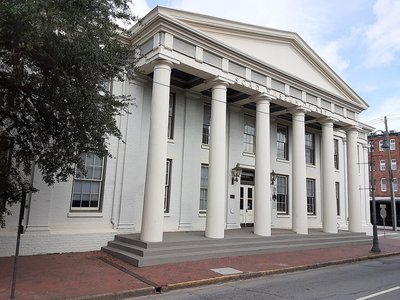
The antebellum period (1820-1860) brought Greek Revival grandeur to the city's mansions and civic buildings. The Owens-Thomas House exemplifies English Regency style, while buildings like the U.S. Custom House showcase the monumental Greek Revival architecture that dominated public buildings.
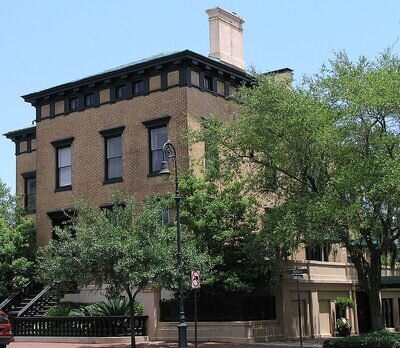
Following the Civil War, Victorian architecture flourished in Savannah's expanding residential areas. The Victorian Historic District south of Forsyth Park contains some of the finest examples of Queen Anne, Second Empire, and Italianate architecture in the South.
Key Neighborhoods
Historic District
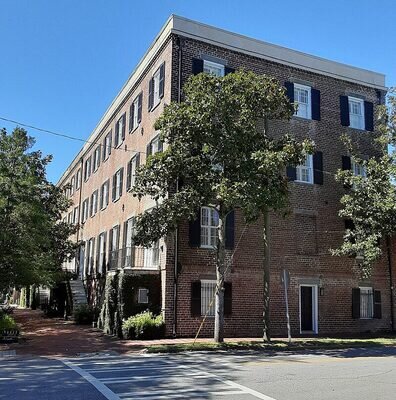
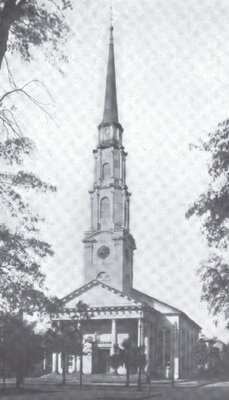
The heart of Savannah encompasses 22 surviving squares, each surrounded by historic buildings representing multiple architectural periods. Johnson Square anchors the district with Christ Church (1733), while Wright Square features the Gothic Revival Federal Building. The squares create intimate urban rooms that showcase everything from modest townhouses to grand mansions.
Victorian District
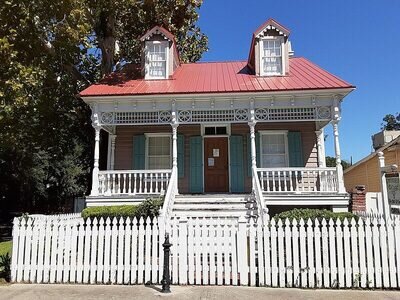
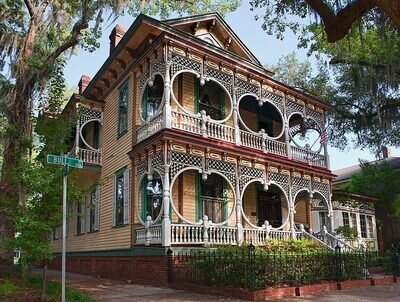
South of Forsyth Park, the Victorian District represents Savannah's post-Civil War expansion. Here, elaborate Queen Anne mansions display the period's characteristic towers, wraparound porches, and decorative millwork. The Gingerbread House on Bull Street serves as an iconic example of Victorian Gothic architecture.
SCAD Campus Area
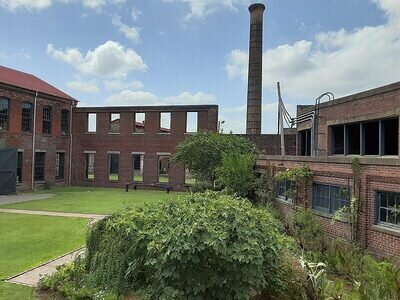
The Savannah College of Art and Design has transformed numerous historic buildings throughout the city. The SCAD Museum of Art occupies a former railway building, while the Jepson Center for the Arts represents contemporary architectural intervention within the historic context.
Forsyth Park Area
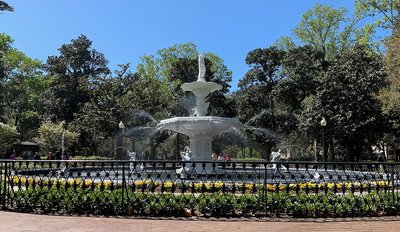
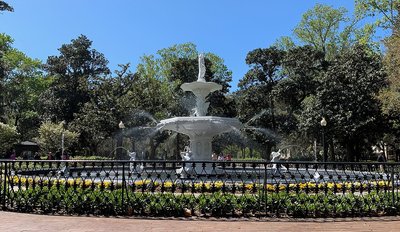
Centered around the iconic fountain (1858), Forsyth Park serves as the transition between the Colonial and Victorian periods. The park's perimeter showcases the evolution from Greek Revival civic buildings to Victorian residential architecture.
Notable Architects
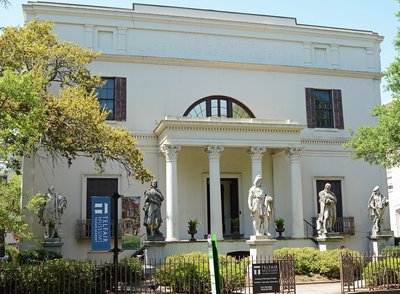
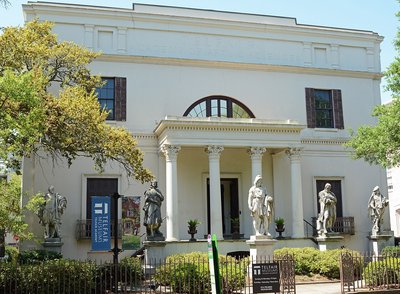
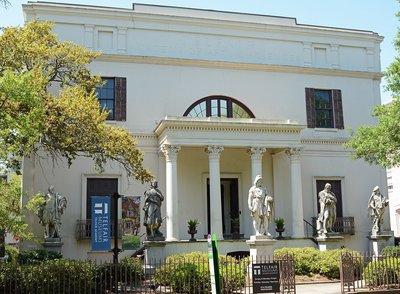
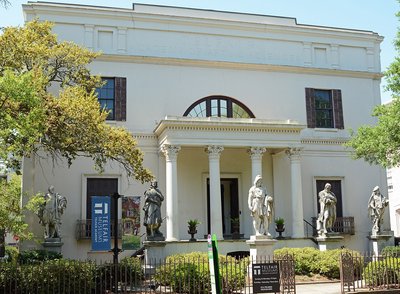
William Jay, trained in England, brought Regency style to Savannah in the 1810s-1820s, designing the Owens-Thomas House and Telfair Academy. Charles Cluskey contributed significant Greek Revival designs, including portions of the U.S. Custom House.
The Victorian period saw contributions from numerous architects, including Alfred Eichberg, who designed several prominent Queen Anne mansions. More recently, Moshe Safdie's Jepson Center demonstrates how contemporary architecture can complement historic fabric.
What to Notice
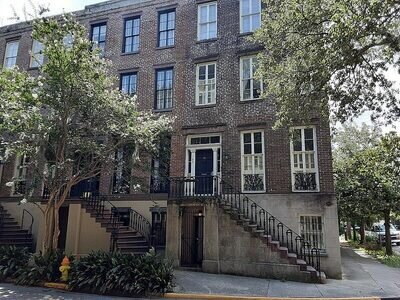
Savannah's architecture reveals itself through specific details that reflect both climate and culture. Look for raised foundations that elevate buildings above flood levels and create cooling air circulation. Notice the prevalence of cast iron details, much of which was manufactured locally or imported from northern foundries.
The city's squares demonstrate sophisticated urban design principles, with each space carefully proportioned and strategically located. Building heights remain consistent, creating human-scaled environments that encourage pedestrian activity.
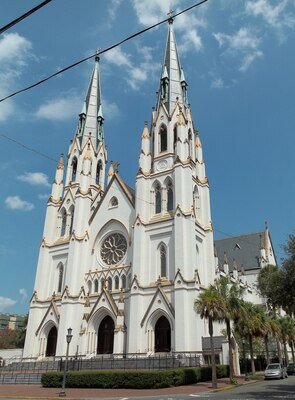
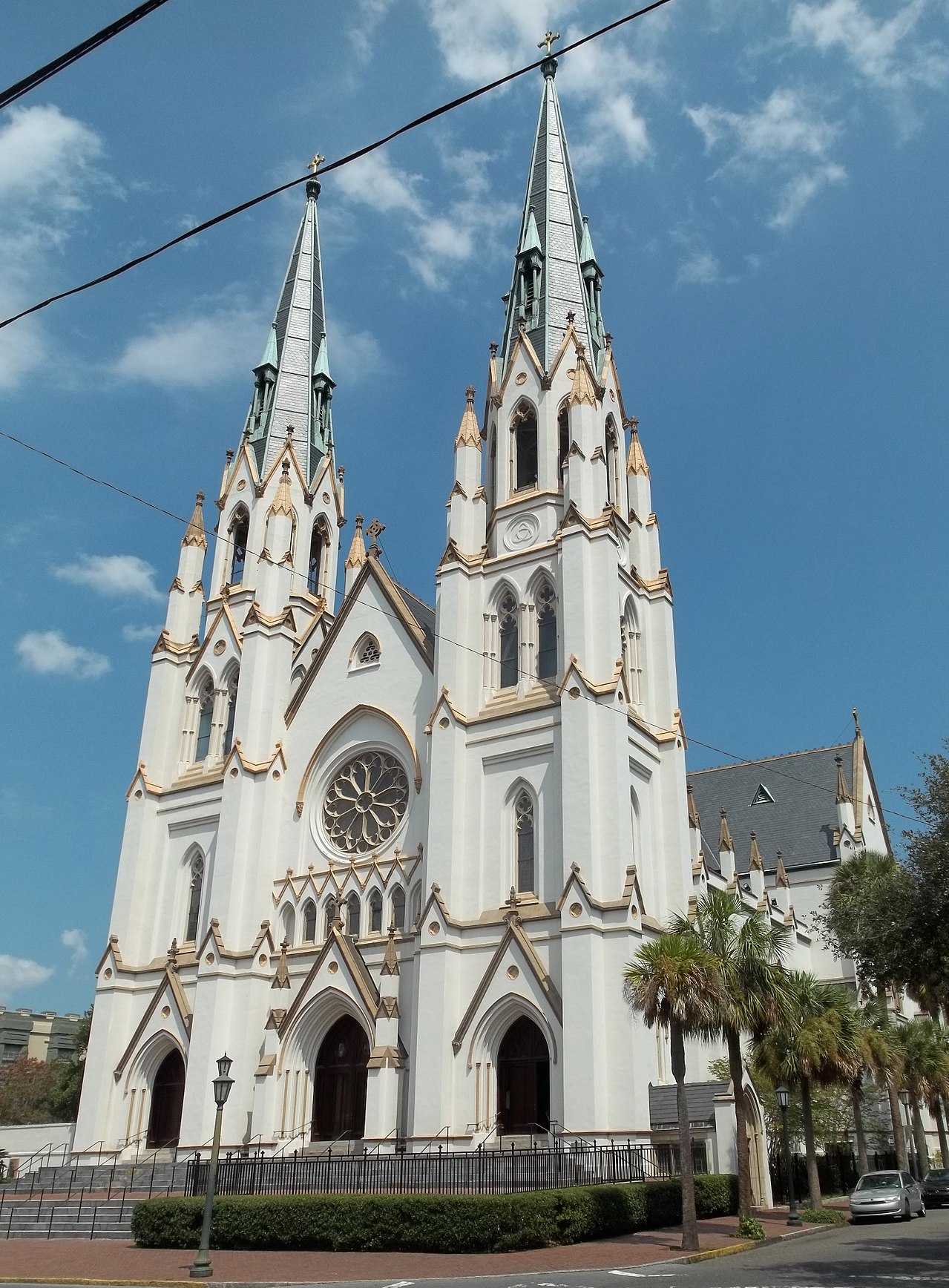
Religious architecture spans from the Gothic Revival spires of Cathedral of St. John the Baptist to the simple meeting-house design of First African Baptist Church. Each building reflects both architectural fashion and religious tradition.
Savannah's coastal location influenced material choices, from tabby construction (a local concrete made with oyster shells) in early buildings to the widespread use of Savannah gray brick, which gives the city its distinctive color palette.
Architectural styles in Savannah
Browse the documented buildings by style:
Savannah Architecture FAQ
What is the dominant architectural style in Savannah?
Savannah's architecture is characterized by a blend of styles, with Victorian architecture being particularly prominent. The city also features significant examples of Greek Revival, Gothic Revival, and Colonial Revival styles. The diversity of architectural styles reflects Savannah's rich history and urban evolution.
What are the best areas to walk for experiencing Savannah's architecture?
The Historic District is the best area to walk for architectural experiences, showcasing 22 squares surrounded by historic buildings. The Victorian District, south of Forsyth Park, offers beautiful examples of post-Civil War architecture. Both areas provide a unique glimpse into Savannah's architectural heritage.
What are some of the oldest or most famous buildings in Savannah?
Notable buildings include the Owens-Thomas House, an example of English Regency style, and Christ Church, built in 1733. The Isaiah Davenport House Museum showcases Colonial Revival and Victorian styles, while the Green-Meldrim House exemplifies Gothic architecture, adding to Savannah's architectural allure.
How does Savannah's architecture compare to nearby cities?
Savannah's architecture is distinct due to its early 18th-century urban planning and the preservation of its historic squares. While nearby cities like Charleston and Atlanta also feature rich architectural histories, Savannah's unique grid layout and combination of styles provide a different experience for visitors.
Can notable buildings in Savannah be visited?
Yes, many notable buildings in Savannah are open for public tours. The Owens-Thomas House, Isaiah Davenport House, and Mercer Williams House are just a few examples. Visitors can explore these architectural gems and learn about their historical significance and architectural styles.