Classical Greek Architecture in Savannah
Explore 5 classical greek buildings that shape Savannah's architectural identity
Classical Greek architecture in Savannah reflects a significant moment in the city's development during the 18th and 19th centuries, driven by the desire to embody democratic ideals and aesthetic values derived from ancient Greece. The economic prosperity of the period allowed for the construction of buildings that showcased these influences, particularly in the Historic District where many of these structures are located.
One notable example is the Harper Fowlkes House, which features the iconic columns and pediments characteristic of Classical Greek architecture. This home stands as a representation of the elegant residential designs that were popular during its construction, highlighting the city’s affinity for classical forms.
The Independent Presbyterian Church is another key structure, distinguished by its prominent columns and a striking pediment, elements that echo the grandeur of ancient temples. This building not only serves a religious purpose but also acts as an architectural landmark in the Bull Street area.
In Forsyth Park, the Forsyth Park Fountain showcases elements inspired by Classical Greek design, particularly in its symmetry and decorative details. The fountain is a focal point of the park and enhances the classical aesthetic that permeates Savannah’s public spaces. Overall, the concentration of Classical Greek architecture in the Historic District, particularly along Bull and Barnard Streets, provides a glimpse into the city’s historical appreciation for classical ideals.
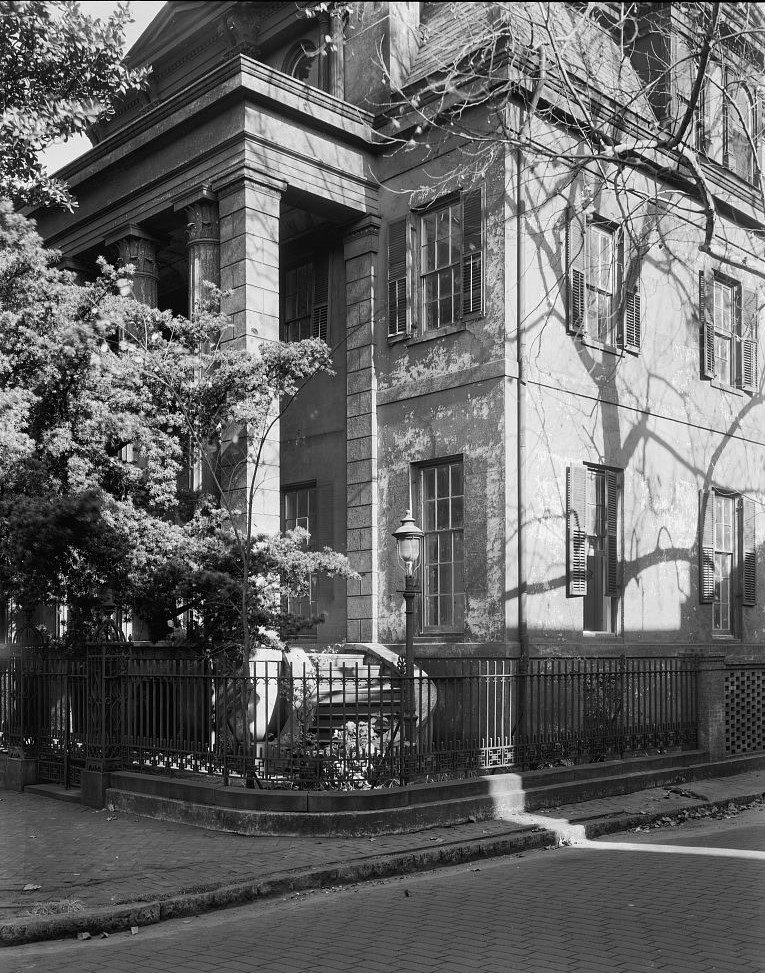
Harper Fowlkes House
230 Barnard St, Savannah, GA 31401
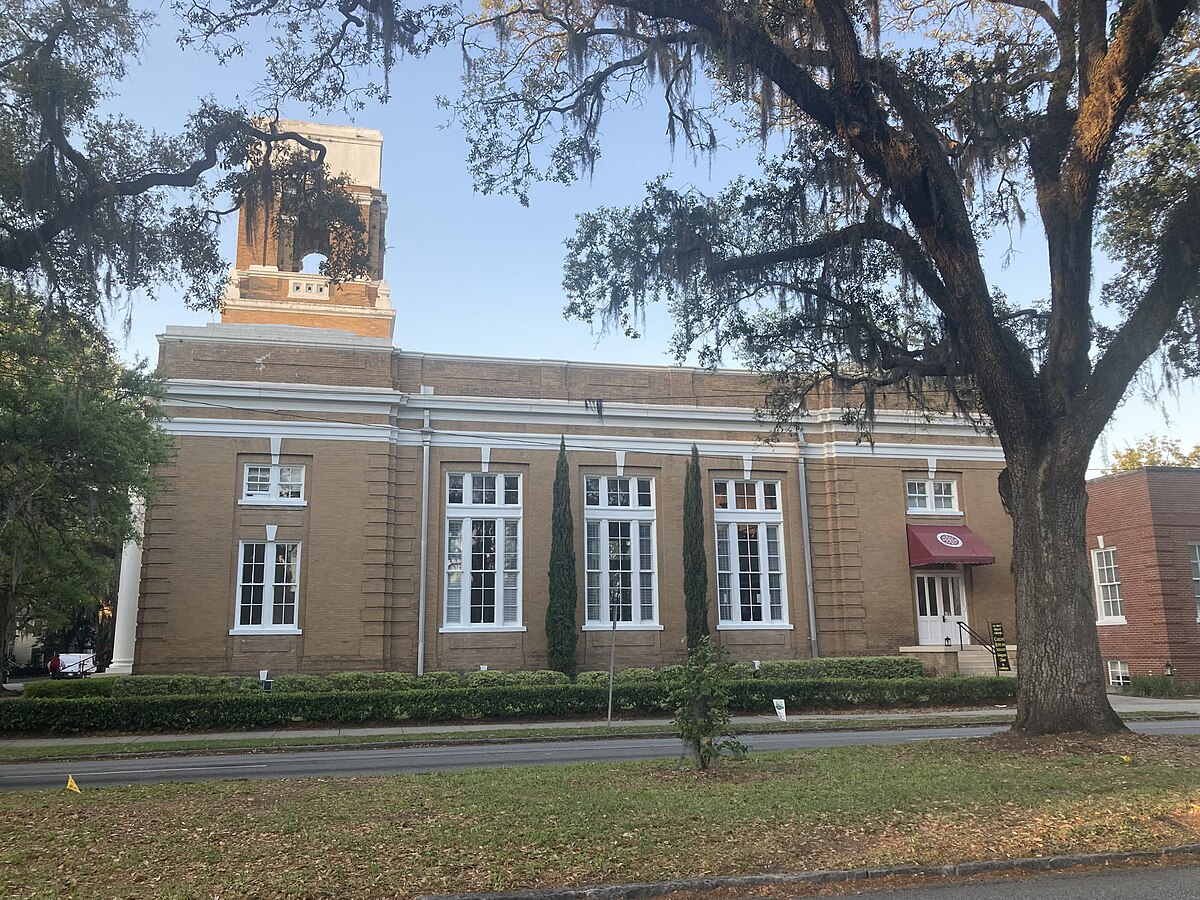
Christ Church
28 Bull St, Savannah, GA 31401
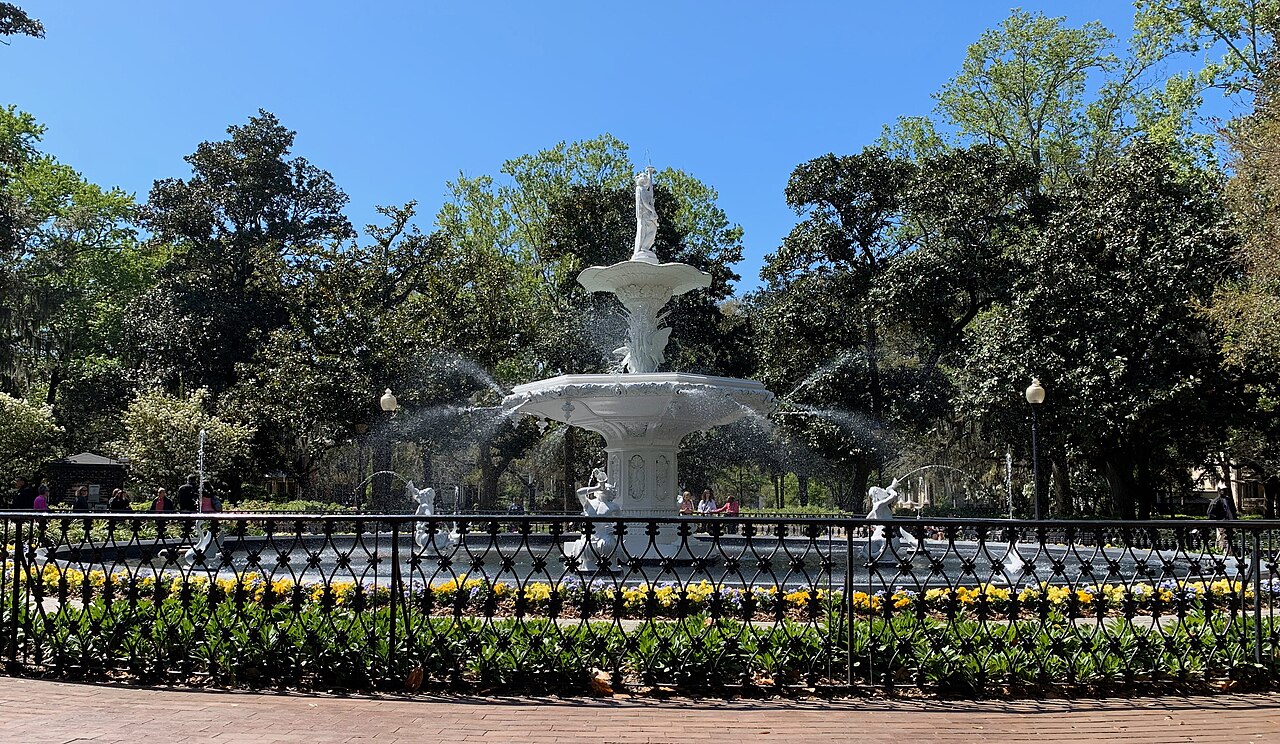
Forsyth Park Fountain
Forsyth Park, Savannah, GA 31401
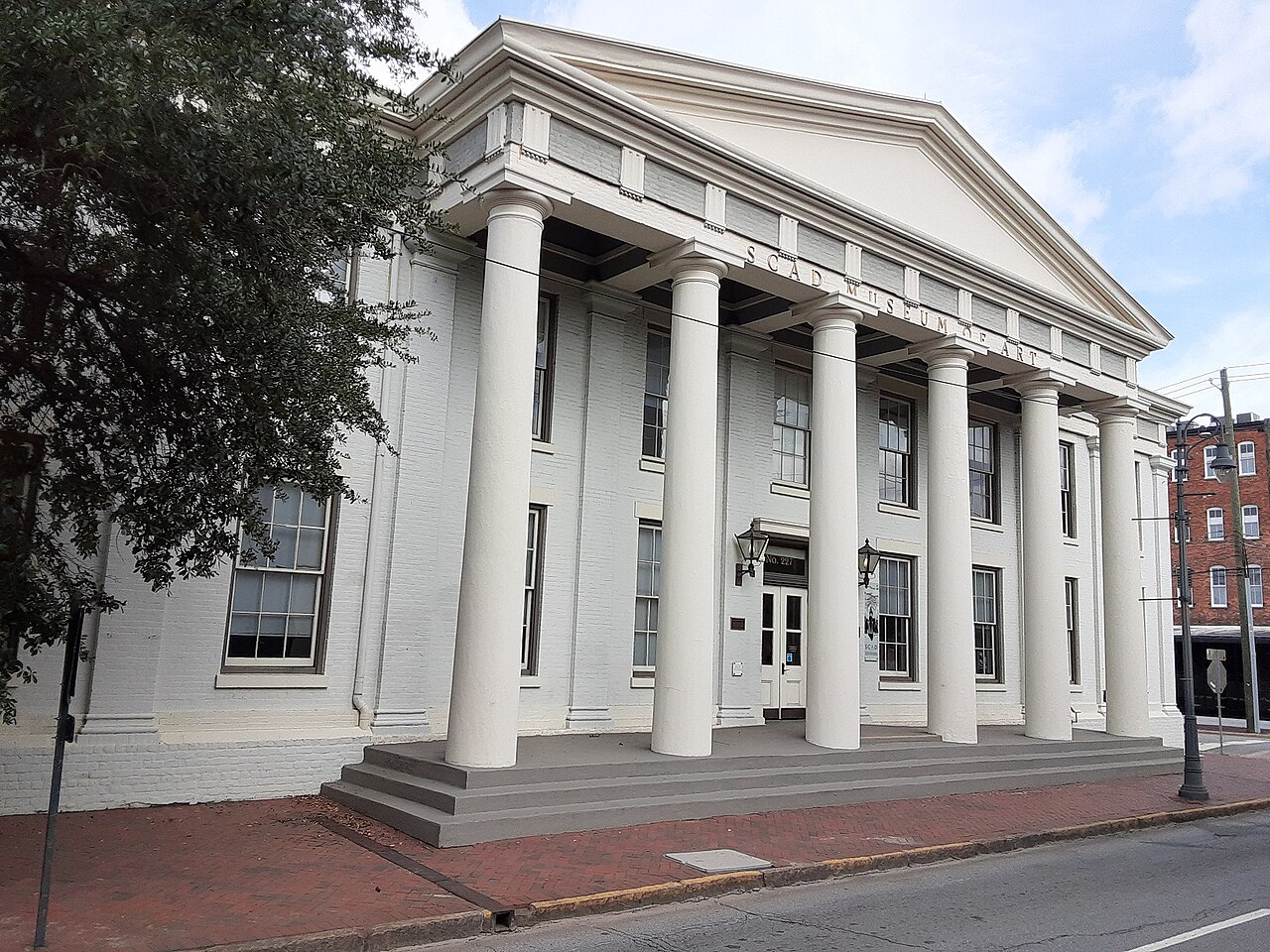
SCAD Museum of Art
601 Turner Blvd, Savannah, GA 31401
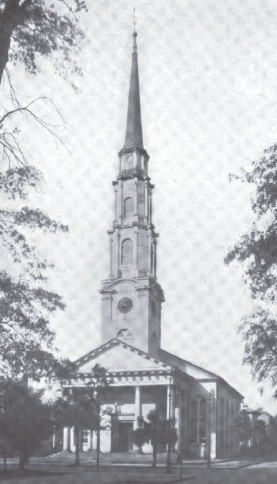
Independent Presbyterian Church
207 Bull Street, Savannah, GA 31401
Classical Greek in Savannah: Common Questions
Where can I see Classical Greek architecture in Savannah?
You can see Classical Greek architecture concentrated in Savannah's Historic District, particularly along Bull and Barnard Streets. Key examples include the Harper Fowlkes House, Independent Presbyterian Church, and Christ Church.
When were these Classical Greek buildings constructed?
Most of the Classical Greek buildings in Savannah were constructed in the 18th and 19th centuries, a time when the city was experiencing economic growth and a revival of classical architectural styles.
What features should I look for in Classical Greek architecture?
Look for key features such as columns, pediments, symmetrical forms, and decorative elements. The Harper Fowlkes House and SCAD Museum of Art exemplify these characteristics well.
How does Savannah's Classical Greek architecture compare to other cities?
Savannah's Classical Greek architecture shares similarities with other cities in the Southeastern United States, but it is particularly noted for its harmonious integration with the city's layout and historic preservation efforts.
Can I visit these Classical Greek buildings?
Yes, many of the buildings, such as the Independent Presbyterian Church and the SCAD Museum of Art, are open to the public. Check each location for visiting hours and any special tours.