Tudor Revival Architecture — A Guide
Overview
Tudor Revival architecture brought the romantic charm of medieval English buildings to 20th-century suburbs across America and Britain. With their distinctive half-timber patterns, steeply pitched roofs, and prominent chimneys, Tudor Revival houses created an idealized vision of English village life that appealed to homeowners seeking warmth, character, and a sense of history.
The style became popular in the early 1900s as suburban development expanded in both Britain and America. Architects adapted medieval English forms — half-timbering, casement windows, steeply pitched roofs — for modern construction, using applied decorative timbers over stucco or brick rather than true timber framing. The style peaked in popularity during the 1920s and 1930s, particularly in upscale suburban neighborhoods across the American Northeast and Midwest.
Key Characteristics
- Decorative half-timber patterns over stucco or brick
- Steeply pitched cross-gable roofs with prominent front-facing gables
- Tall, narrow windows with multiple panes, often casement style
- Massive chimneys, sometimes with decorative chimney pots
- Round-arched or flattened Tudor-arched doorways
- Asymmetrical facades with varied materials and textures
Famous Examples Worldwide
Stan Hywet Hall
Akron, Ohio, 1915
Meadowbrook Hall
Rochester, Michigan, 1929
Coe Hall
Oyster Bay, New York, 1921
Buildings in Our Library (16)
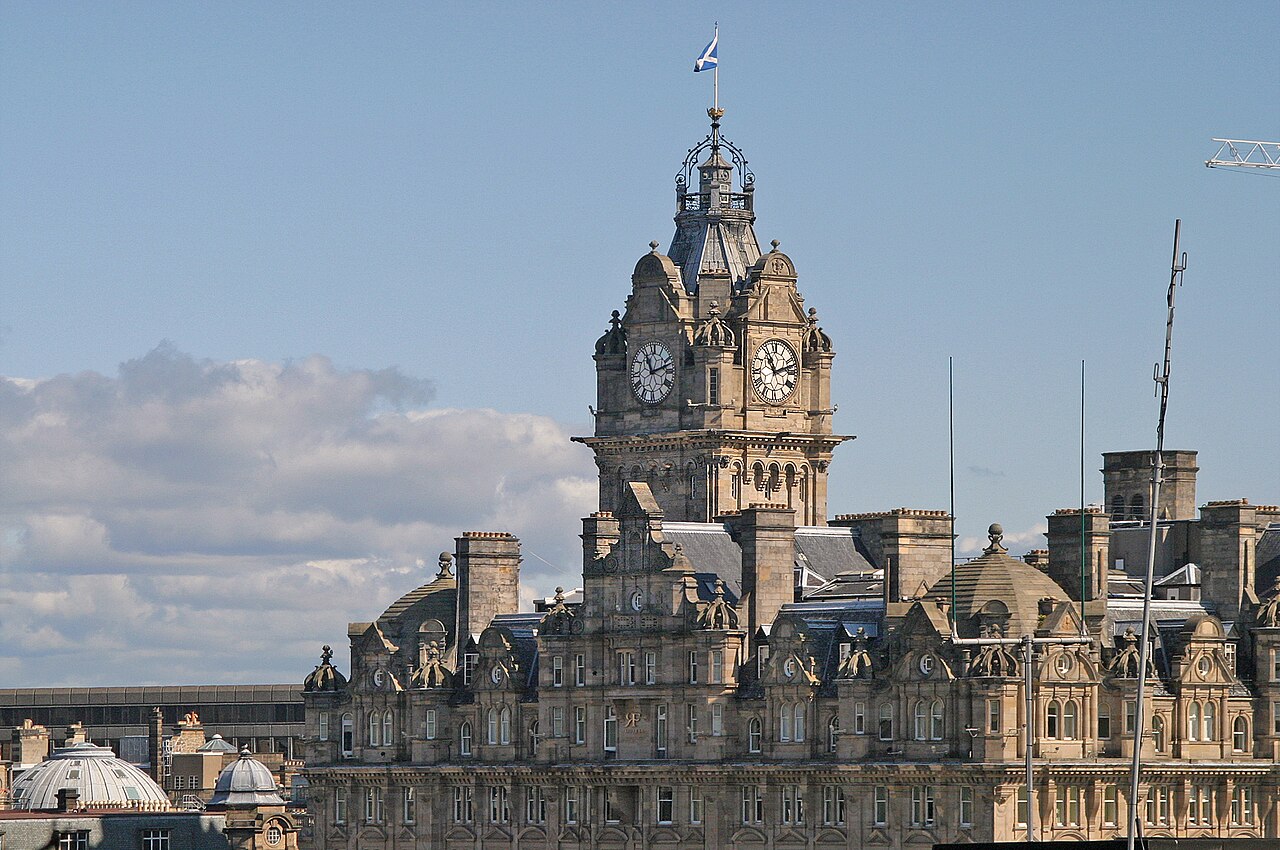
Balmoral Hotel
1 Princes Street, Edinburgh EH2 2EQ, UK


2335 Kearney St
2335 Kearney St, Denver, CO 80207

3637 E 26th Avenue Pkwy
3637 E 26th Avenue Pkwy, Denver, CO 80205

4300 E 6th Avenue Pkwy
4300 E 6th Avenue Pkwy, Denver, CO 80220

Denver
Denver, Colorado. USA


Where to Find Tudor Revival Architecture
Related Styles
Why Tudor Revival Matters Today
Tudor Revival homes remain among the most popular and enduring residential styles in America and Britain. Their crafted quality, warm materials, and romantic appeal demonstrate architecture's ability to create emotional connections to idealized pasts.
Frequently Asked Questions
What is Tudor Revival architecture?
Tudor Revival architecture brought the romantic charm of medieval English buildings to 20th-century suburbs across America and Britain. With their distinctive half-timber patterns, steeply pitched roofs, and prominent chimneys, Tudor Revival houses created an idealized vision of English village life that appealed to homeowners seeking warmth, character, and a sense of history.
When was Tudor Revival architecture popular?
Tudor Revival architecture flourished 1890s–1940s, originating in United Kingdom, United States.
What are the key characteristics of Tudor Revival architecture?
Typical Tudor Revival features include: decorative half-timber patterns over stucco or brick, steeply pitched cross-gable roofs with prominent front-facing gables, tall, narrow windows with multiple panes, often casement style, massive chimneys, sometimes with decorative chimney pots, and round-arched or flattened tudor-arched doorways.
Where can I see Tudor Revival architecture?
In the Architecture Helper library, Tudor Revival buildings are most concentrated in Denver, Edinburgh, and Colorado. USA. Famous examples worldwide include Stan Hywet Hall (Akron, Ohio), Meadowbrook Hall (Rochester, Michigan), and Coe Hall (Oyster Bay, New York).
Which styles are related to Tudor Revival?
Buildings analyzed as Tudor Revival most often also show Victorian, Colonial Revival, Gothic, and Renaissance, so those are the styles worth comparing it against.