Gothic Architecture — A Guide
Overview
Gothic architecture represents one of humanity's most audacious structural achievements. For four centuries, master builders across Europe competed to create churches of ever-greater height, flooding their interiors with colored light through vast stained-glass windows. The result was a body of work — the great cathedrals — that remains among the most sublime achievements of human civilization.
The Gothic style was born at the Abbey Church of Saint-Denis near Paris around 1140, when Abbot Suger employed pointed arches, ribbed vaults, and large windows to create an architecture of luminous transcendence. The innovations spread rapidly: Notre-Dame de Paris, Chartres, Reims, Amiens, Cologne, and Salisbury cathedrals followed in a building campaign that lasted centuries. Each generation pushed the structural system further, achieving ever-greater height and transparency.
Key Characteristics
- Pointed arches distributing weight more efficiently than round arches
- Ribbed vaults creating skeletal ceiling structures
- Flying buttresses transferring roof thrust to external supports
- Vast stained-glass windows filling interiors with colored light
- Soaring vertical proportions emphasizing height and aspiration
- Elaborate stone tracery, pinnacles, and sculptural programs
Famous Examples Worldwide
Notre-Dame de Paris
Paris, 1345
Chartres Cathedral
Chartres, 1220
Cologne Cathedral
Cologne, 1880
Salisbury Cathedral
Salisbury, 1258
Buildings in Our Library (128)
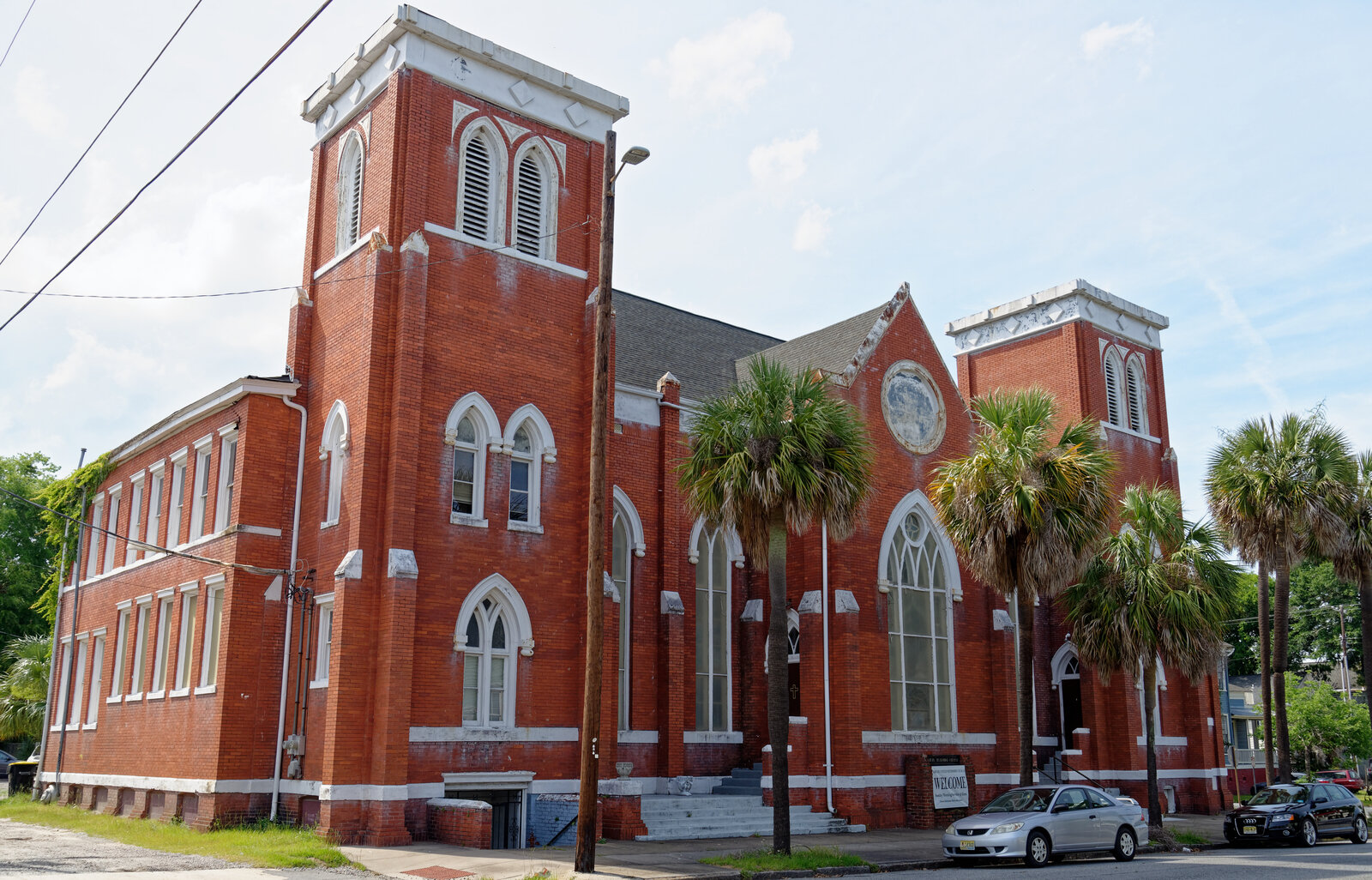
Asbury United Methodist Church
1001 East Henry Street, Savannah, GA 31401
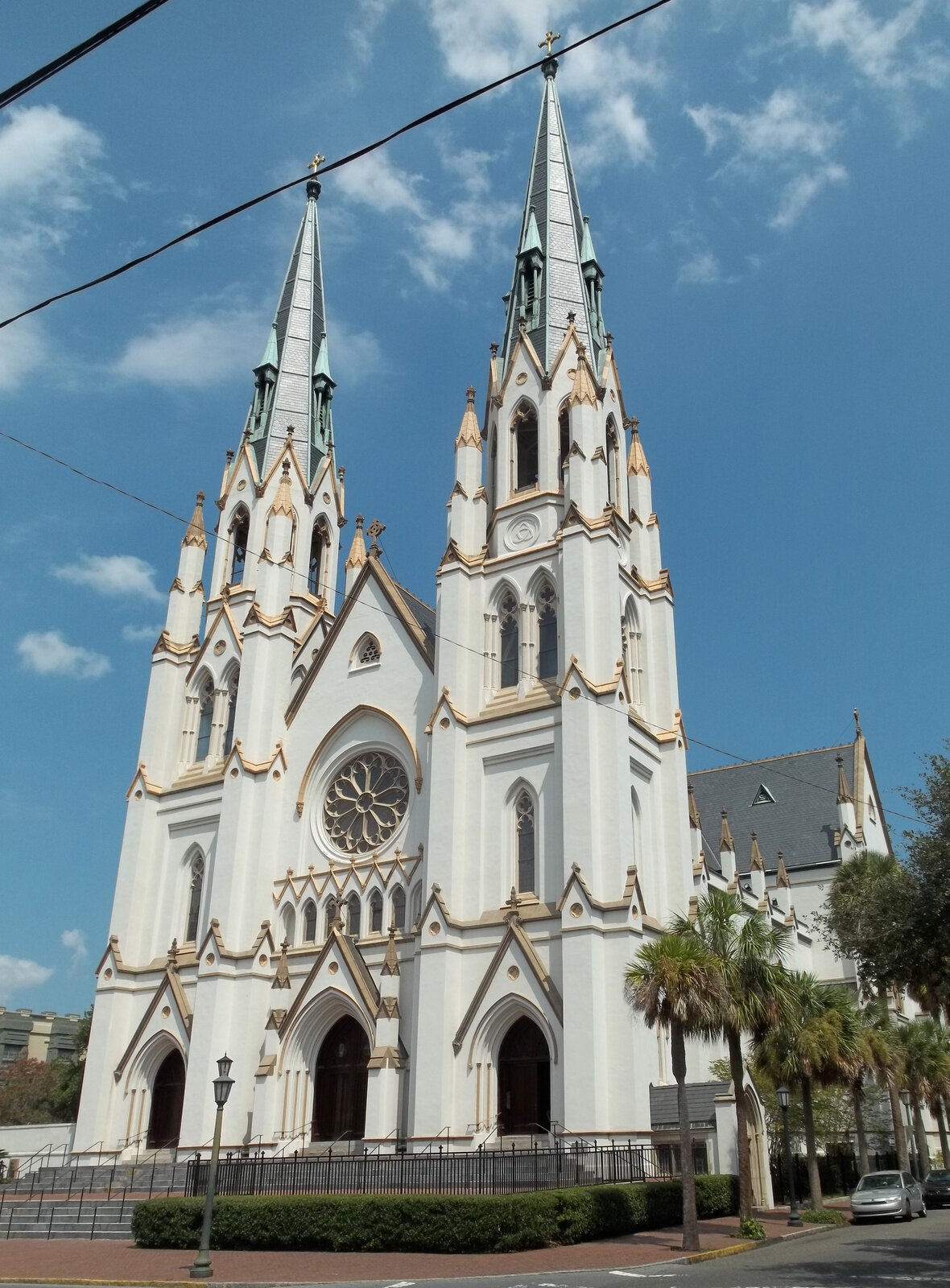
Cathedral of St. John the Baptist
222 E Harris Street, Savannah, GA 31401
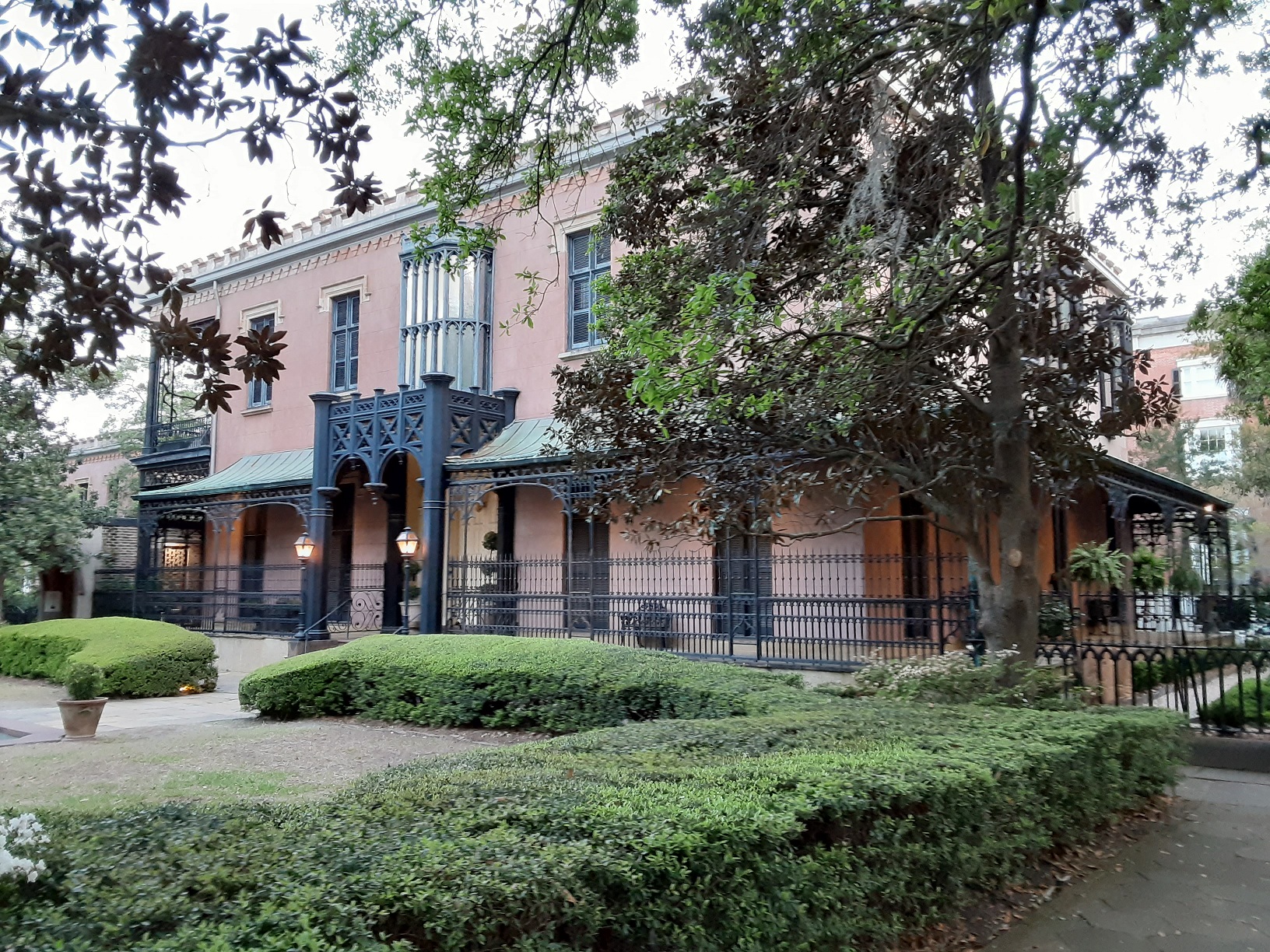
Green-Meldrim House
14 W Macon Street, Savannah, GA 31401
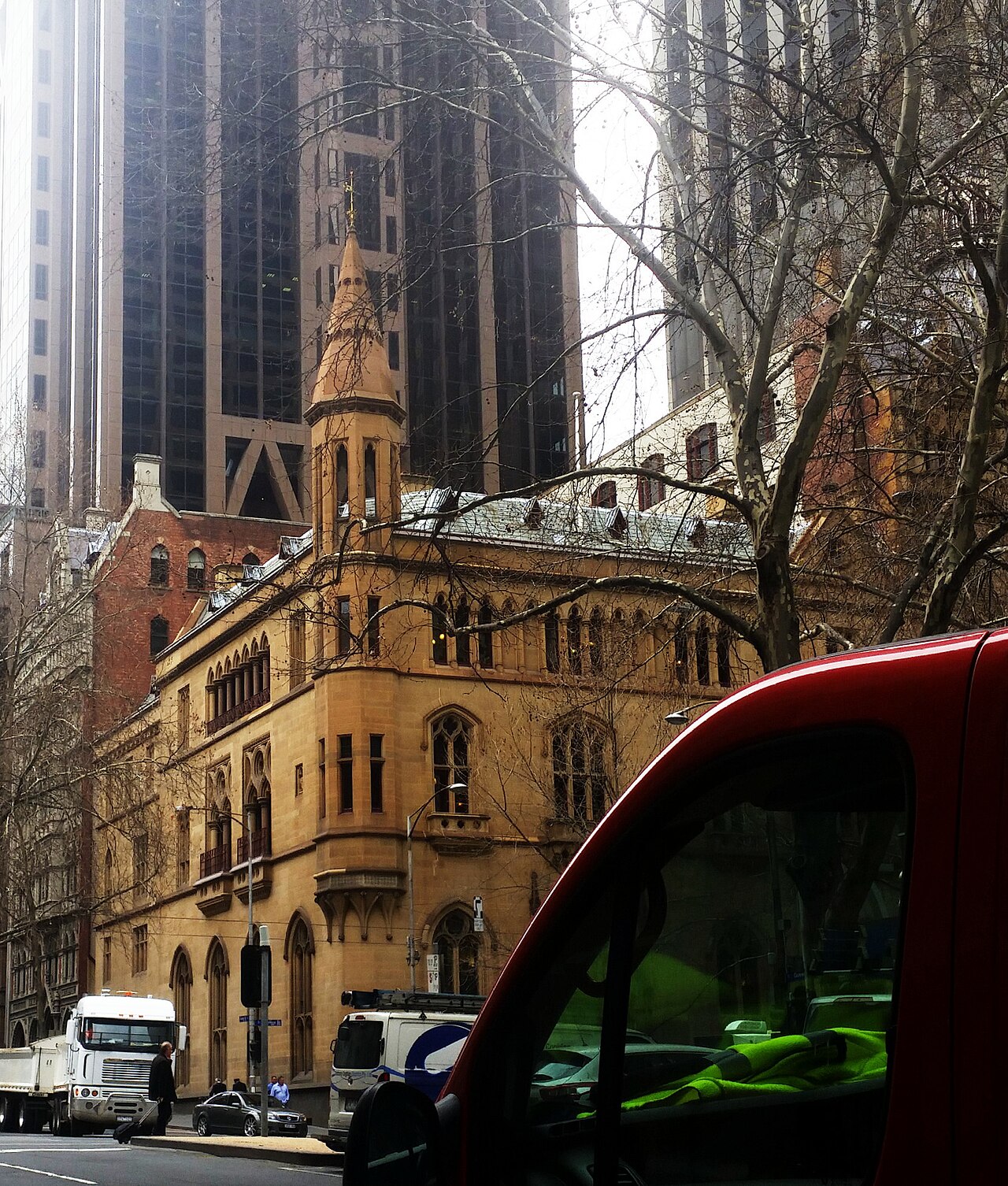
ANZ Gothic Bank
380 Collins St, Melbourne VIC 3000, Australia
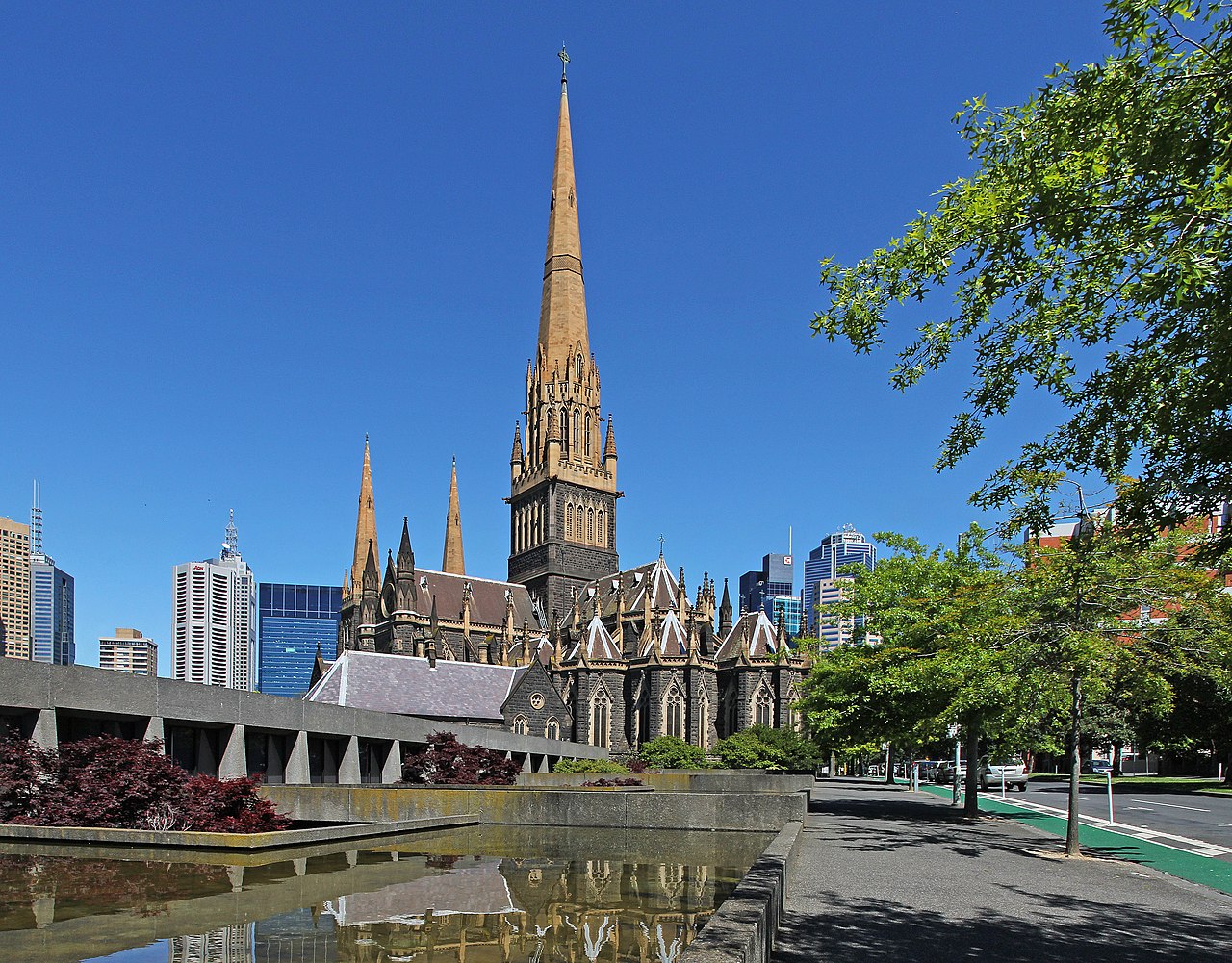
St Patrick's Cathedral
1 Cathedral Pl, East Melbourne VIC 3002, Australia
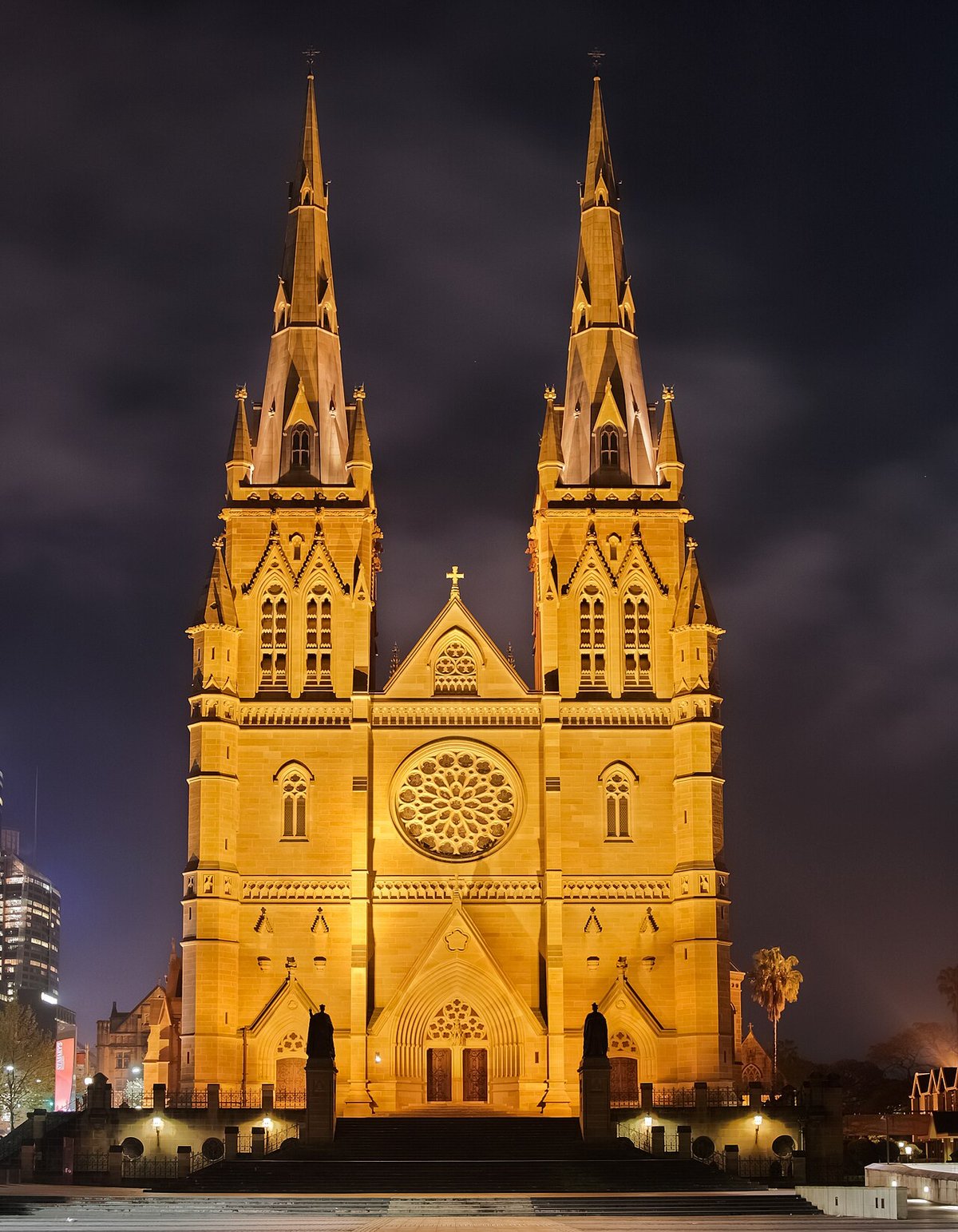
St Marys Cathedral
St Marys Rd, Sydney NSW 2000, Australia
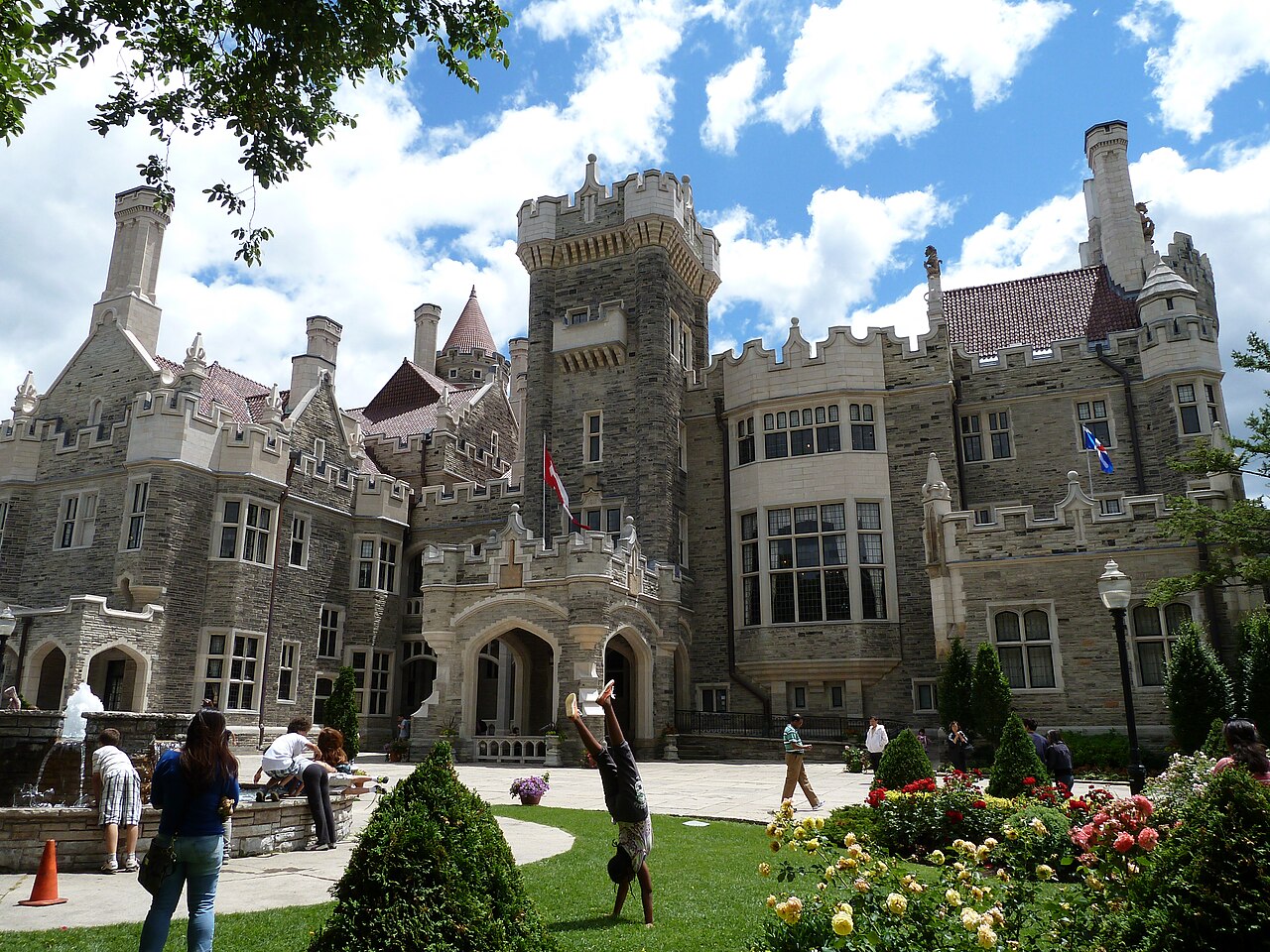
Casa Loma
1 Austin Terrace, Toronto, ON
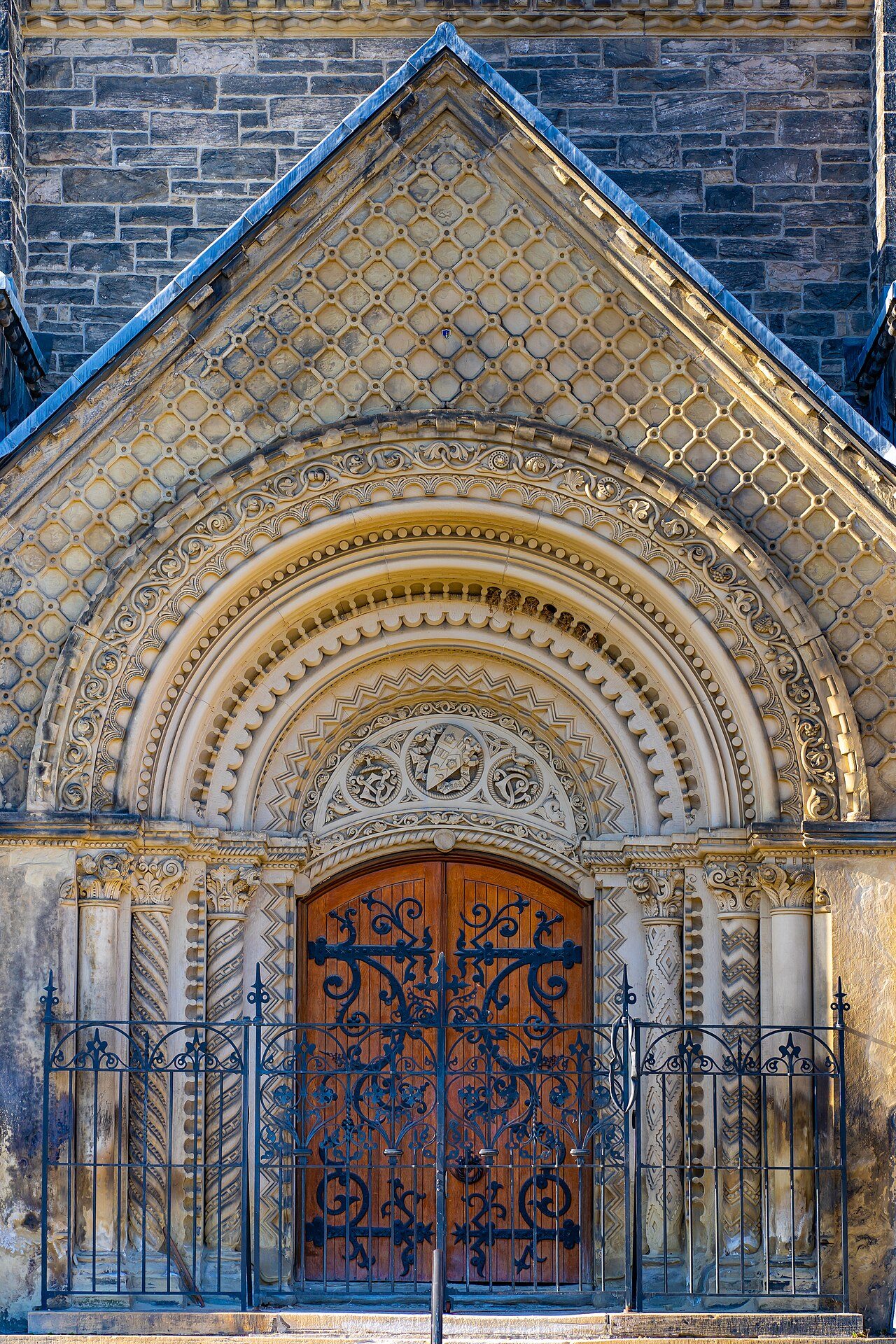
University College
15 King's College Cir, Toronto, ON
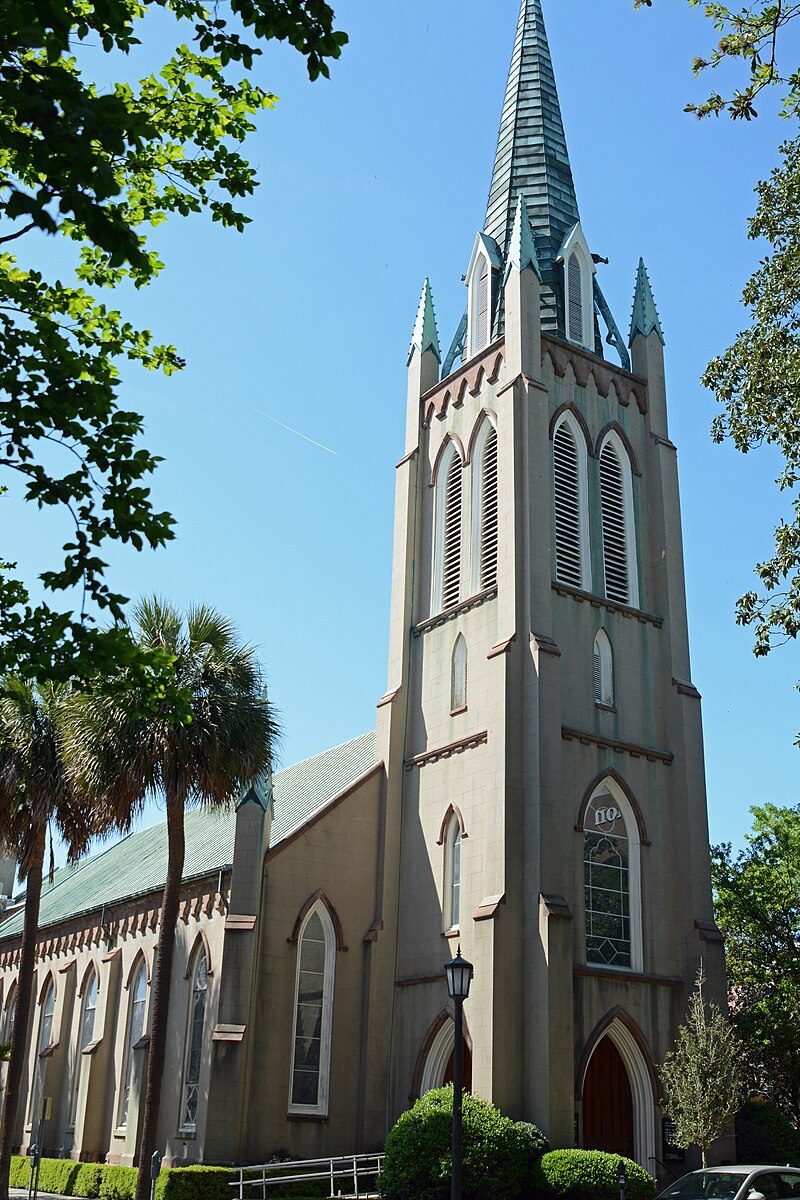
St. John's Episcopal Church
1 W Macon St, Savannah, GA 31401
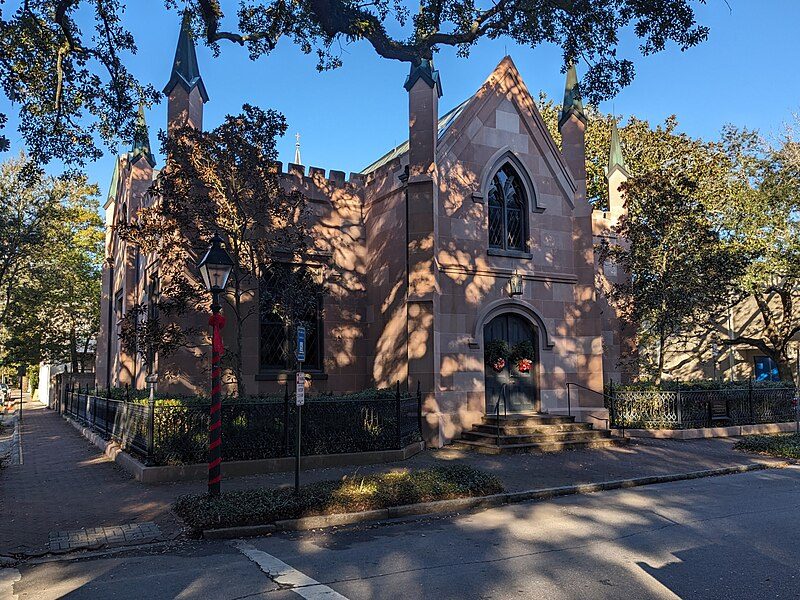
Unitarian Universalist Church of Savannah
313 E Harris St, Savannah, GA 31401
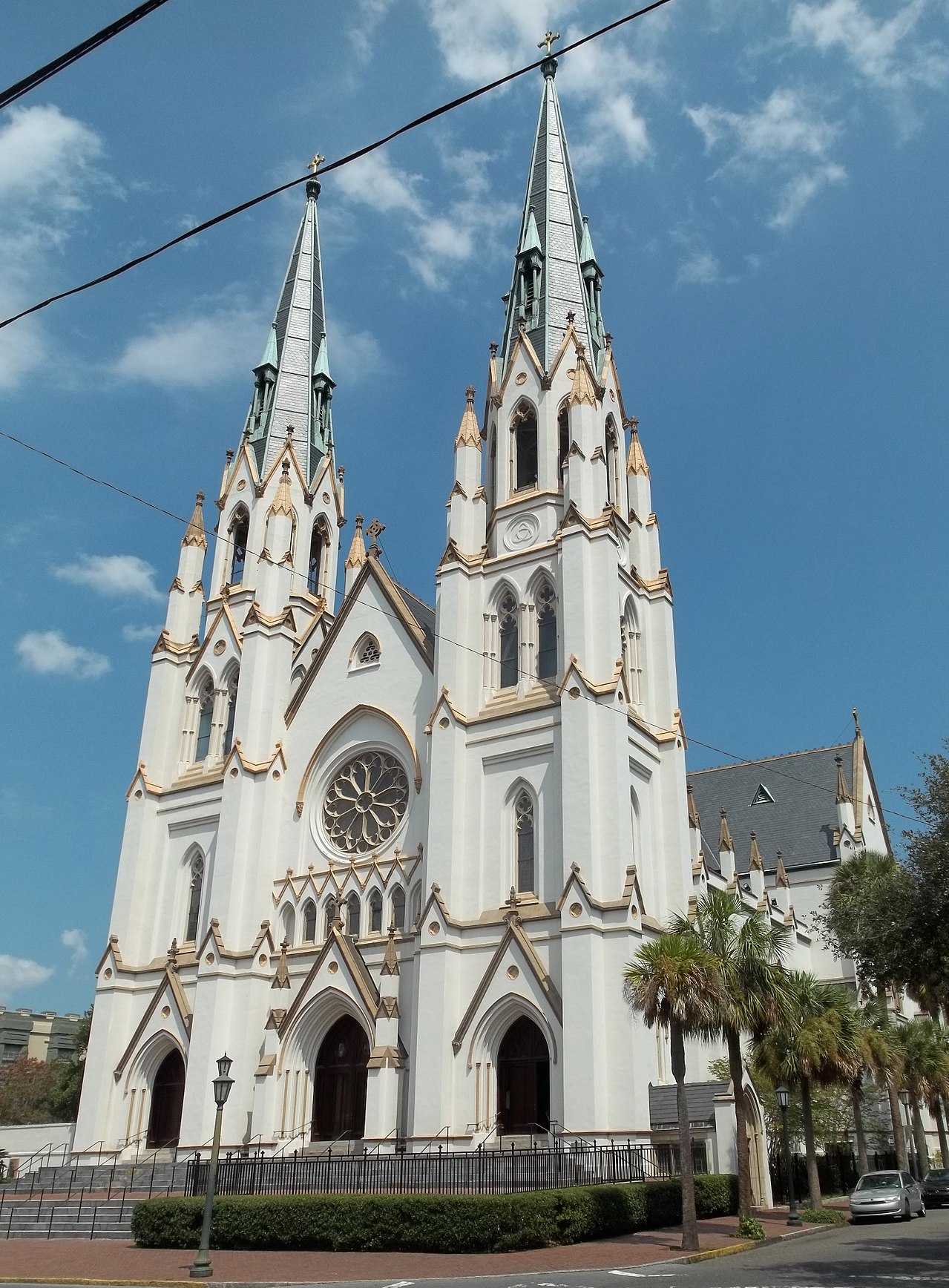
Cathedral Basilica of St. John the Baptist
222 E Harris Street, Savannah, GA 31401
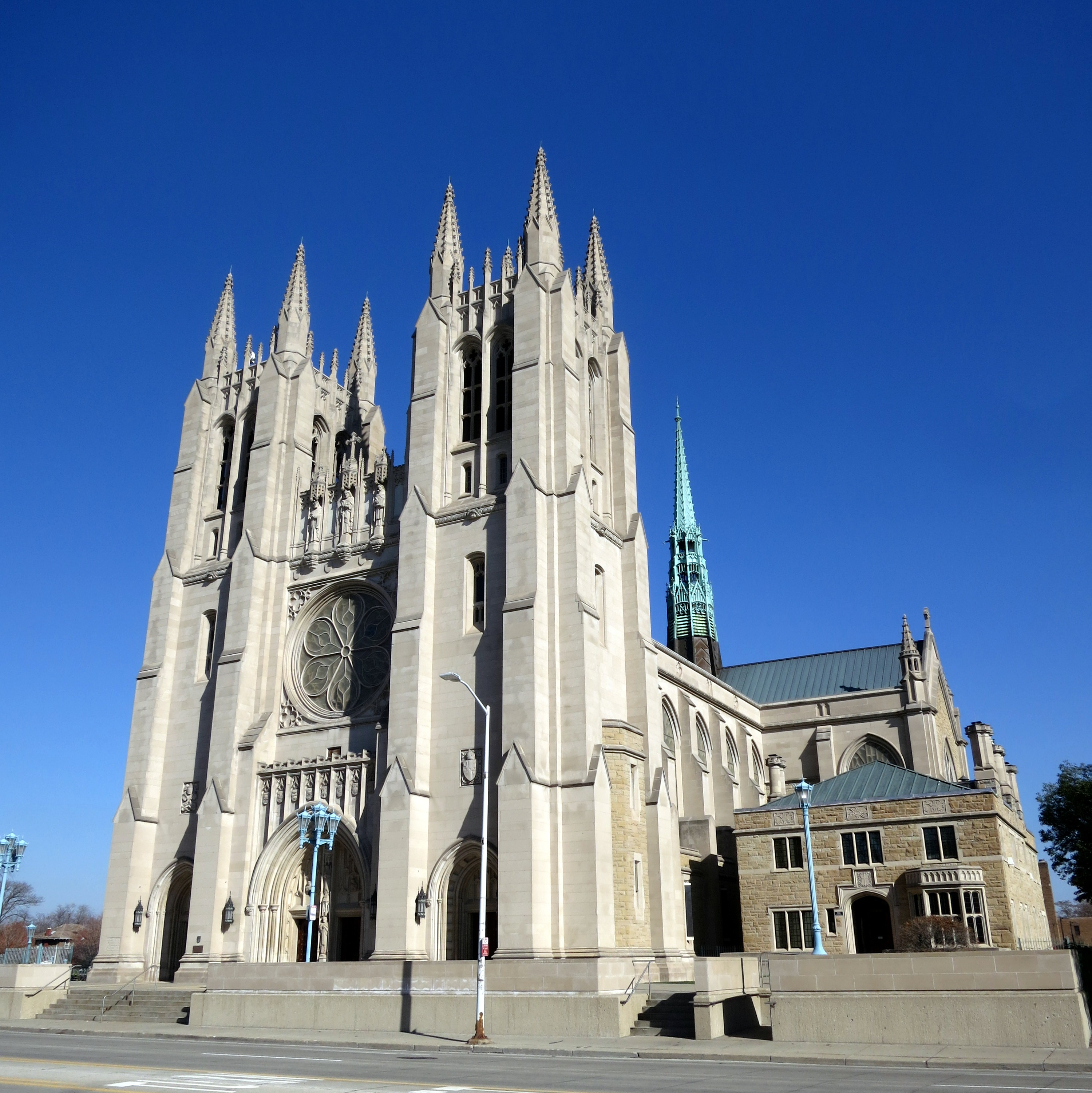
Cathedral of the Most Blessed Sacrament
9844 Woodward Ave, Detroit, MI 48202
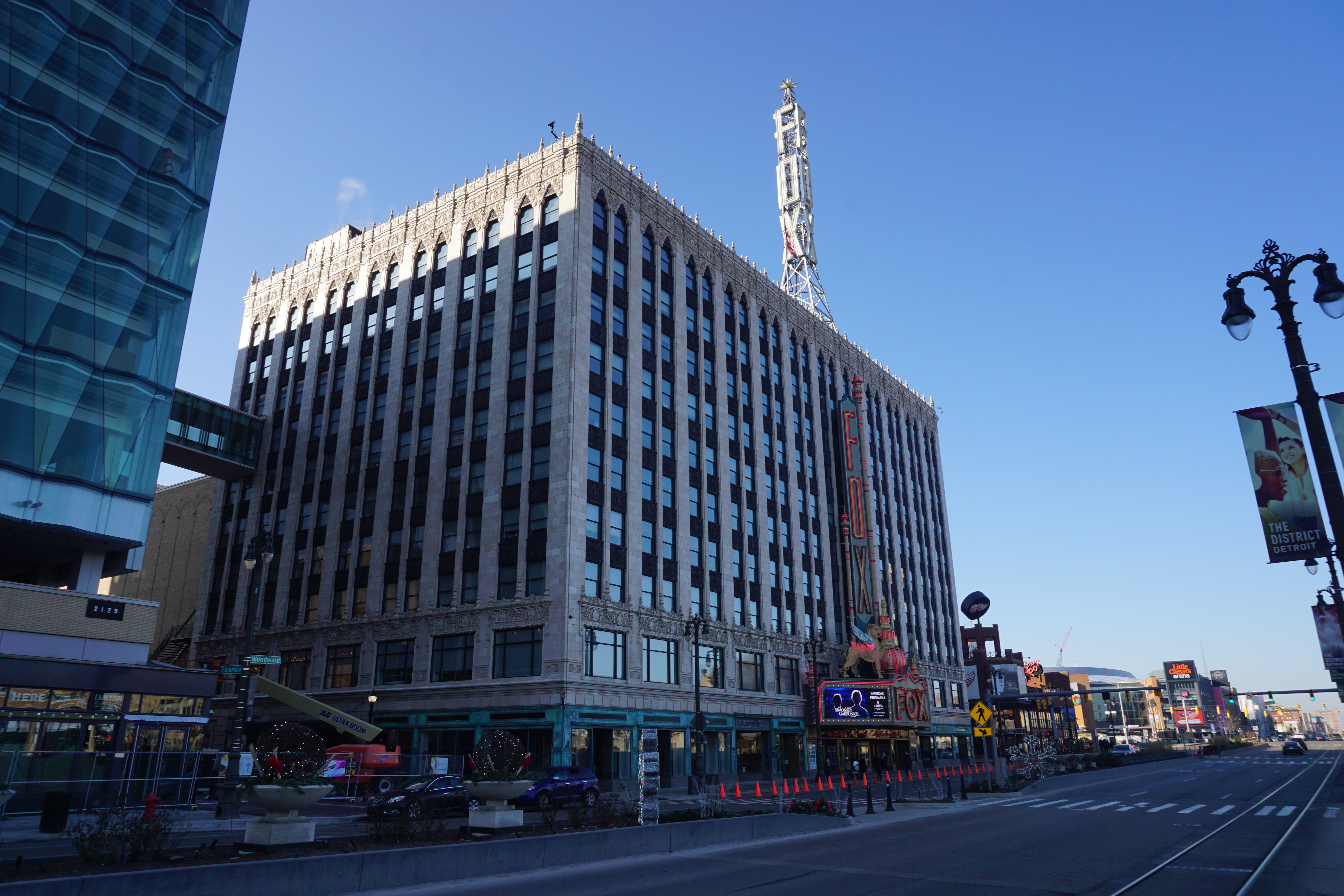
Fox Theatre
2211 Woodward Ave, Detroit, MI 48201
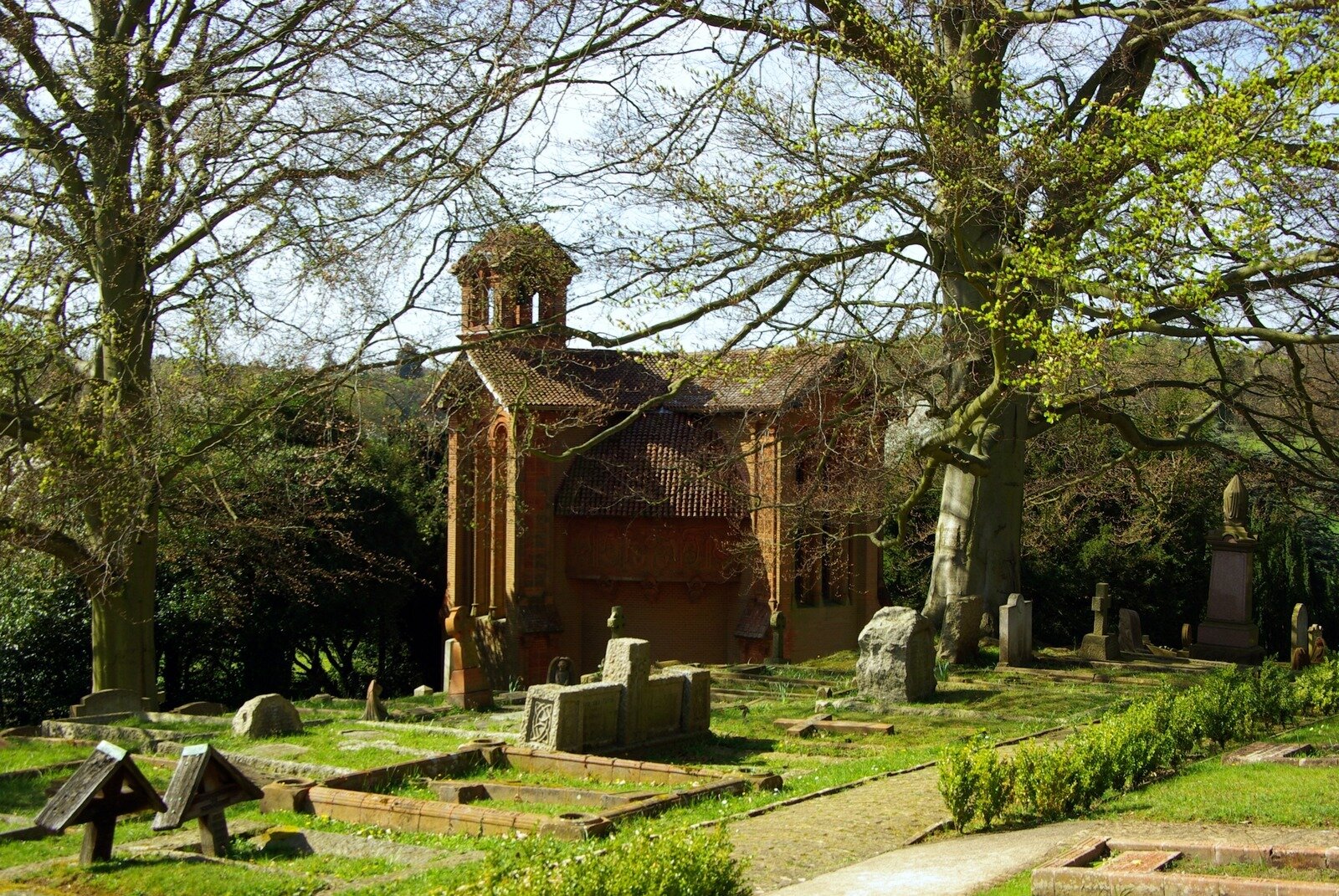
Watts Chapel
Down Lane, Compton, Guildford GU3 1DQ, UK
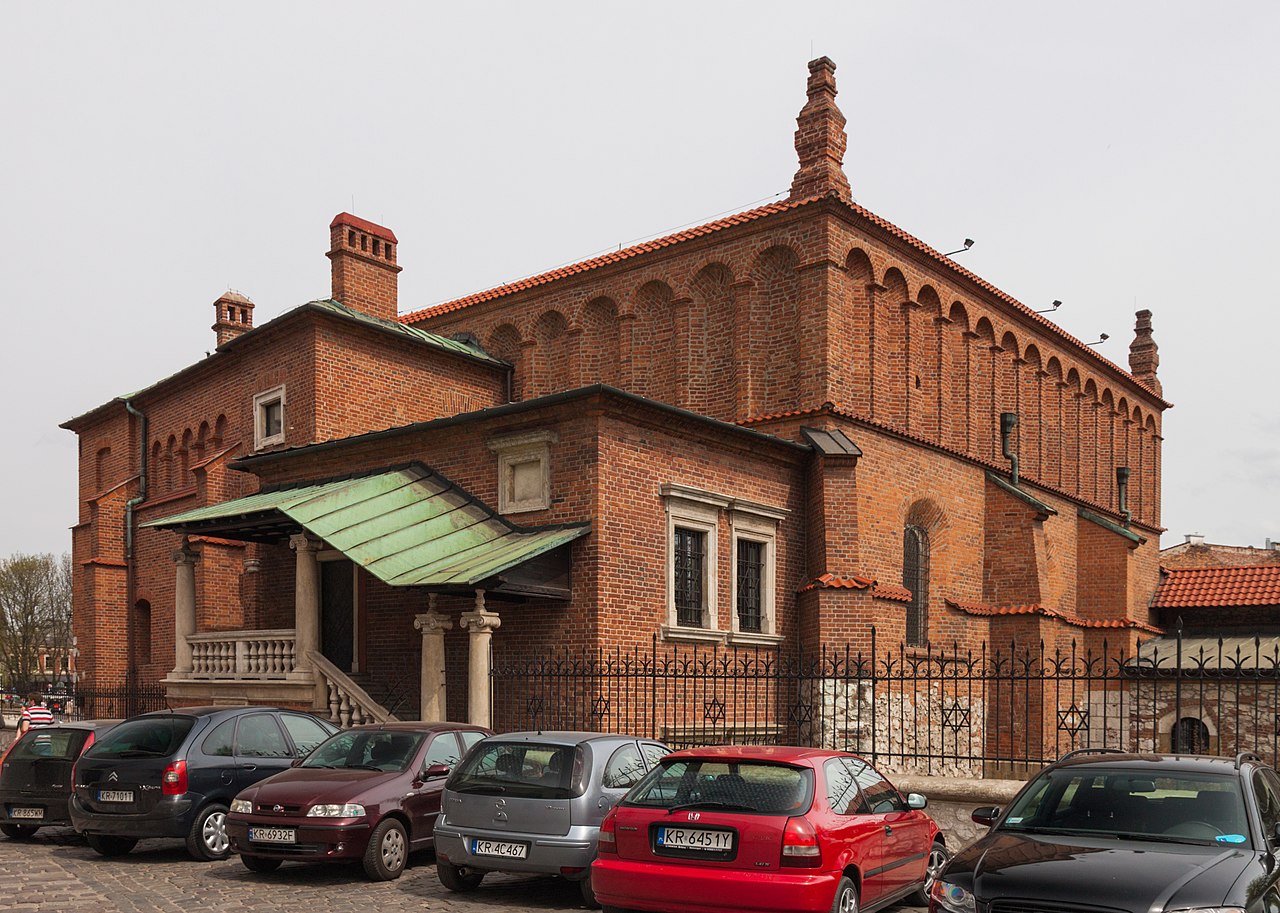
Old Synagogue, Kraków
Szeroka 24, 31-053 Kraków, Poland
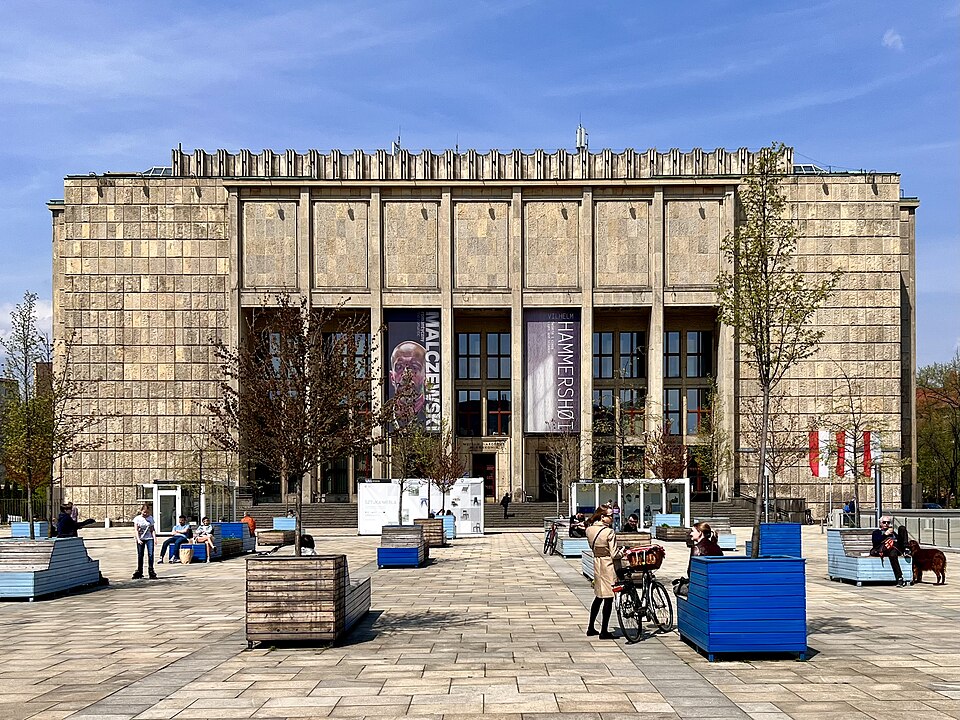
National Museum in Kraków
al. 3 Maja 1, 30-062 Kraków, Poland
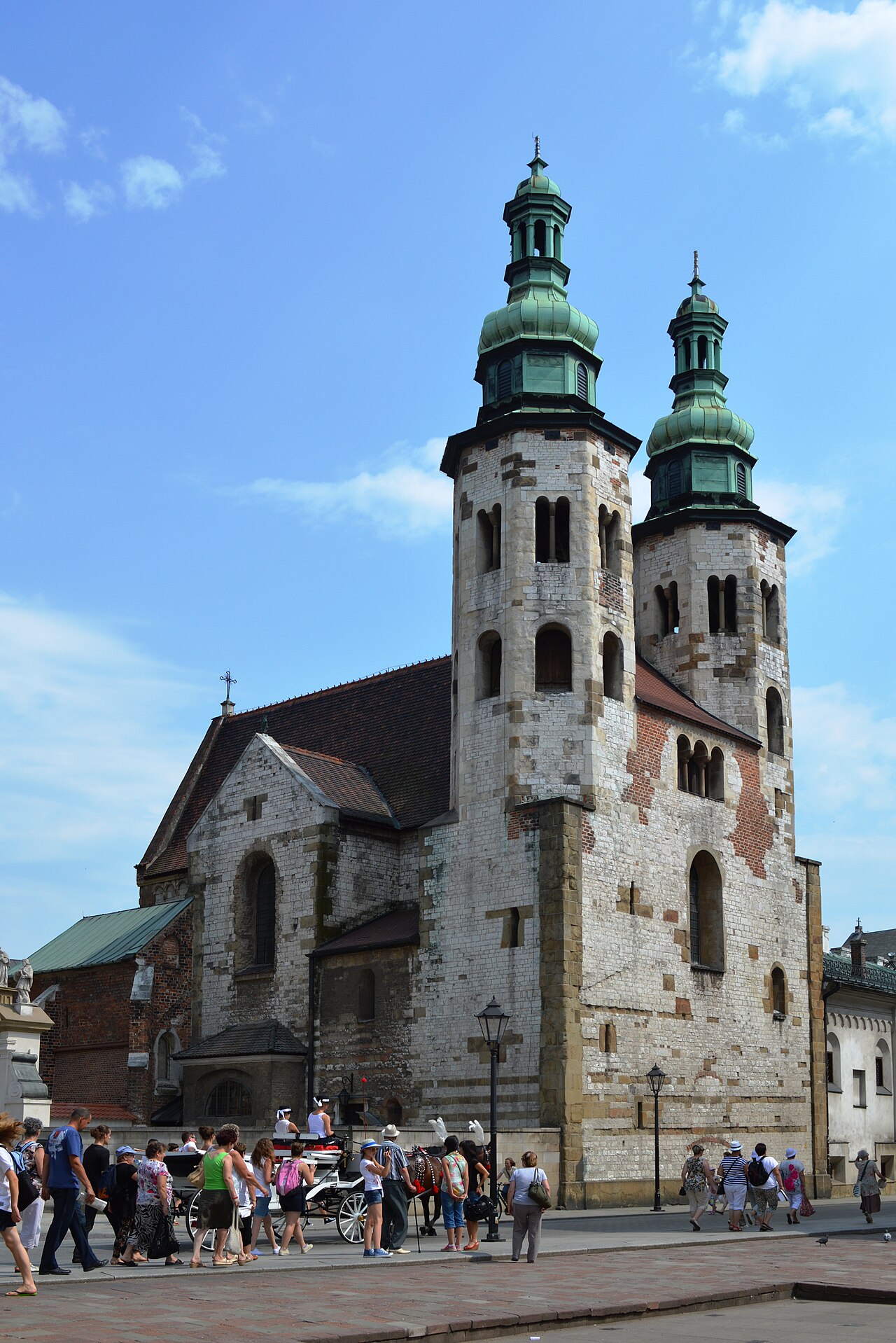
St. Andrew's Church, Kraków
Grodzka 56, 31-044 Kraków, Poland
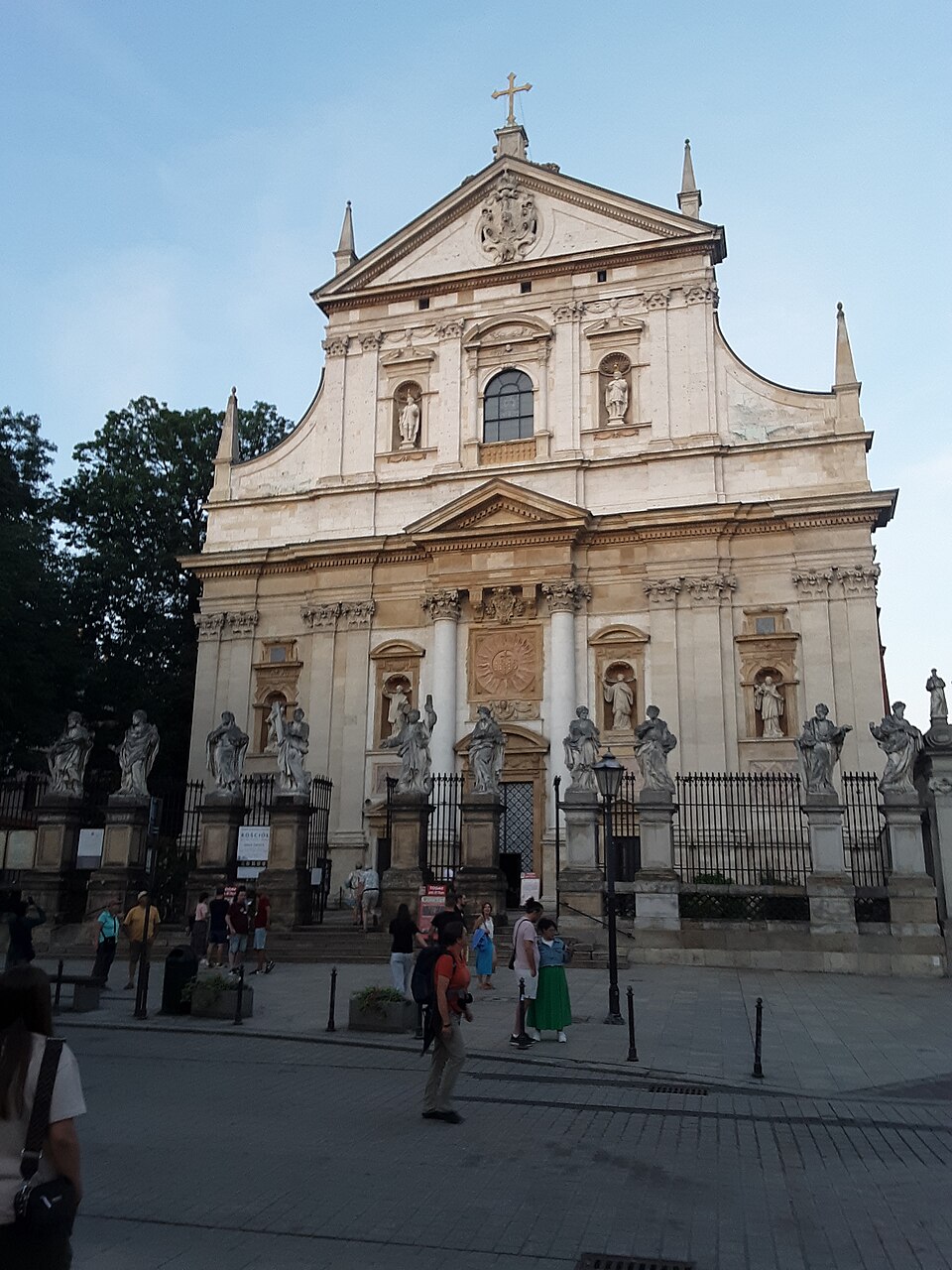
St. Peter and Paul Church
Grodzka 52A, 31-044 Kraków, Poland
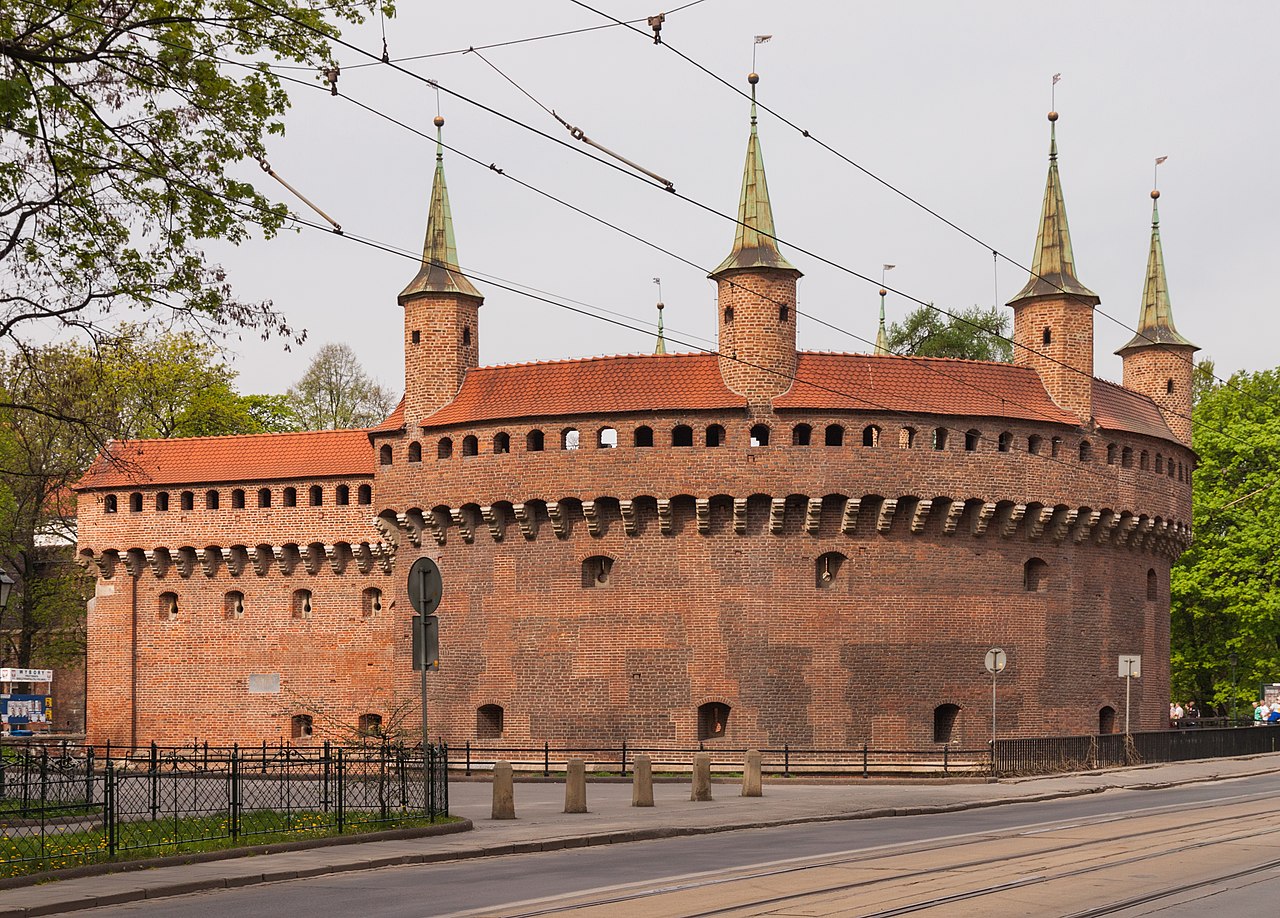
Barbican of Kraków
Basztowa, 30-547 Kraków, Poland
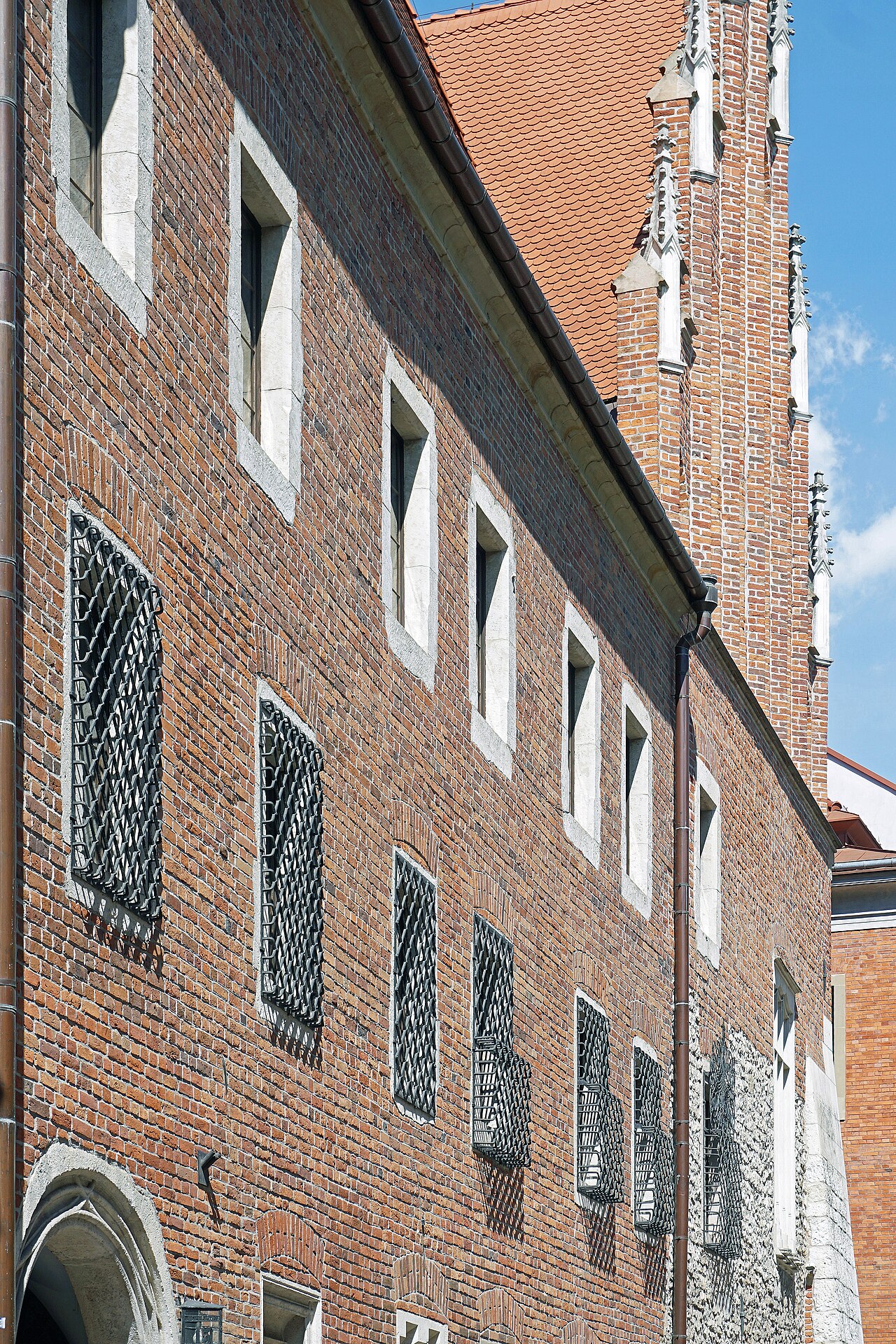
Collegium Maius
Jagiellońska 15, 31-010 Kraków, Poland
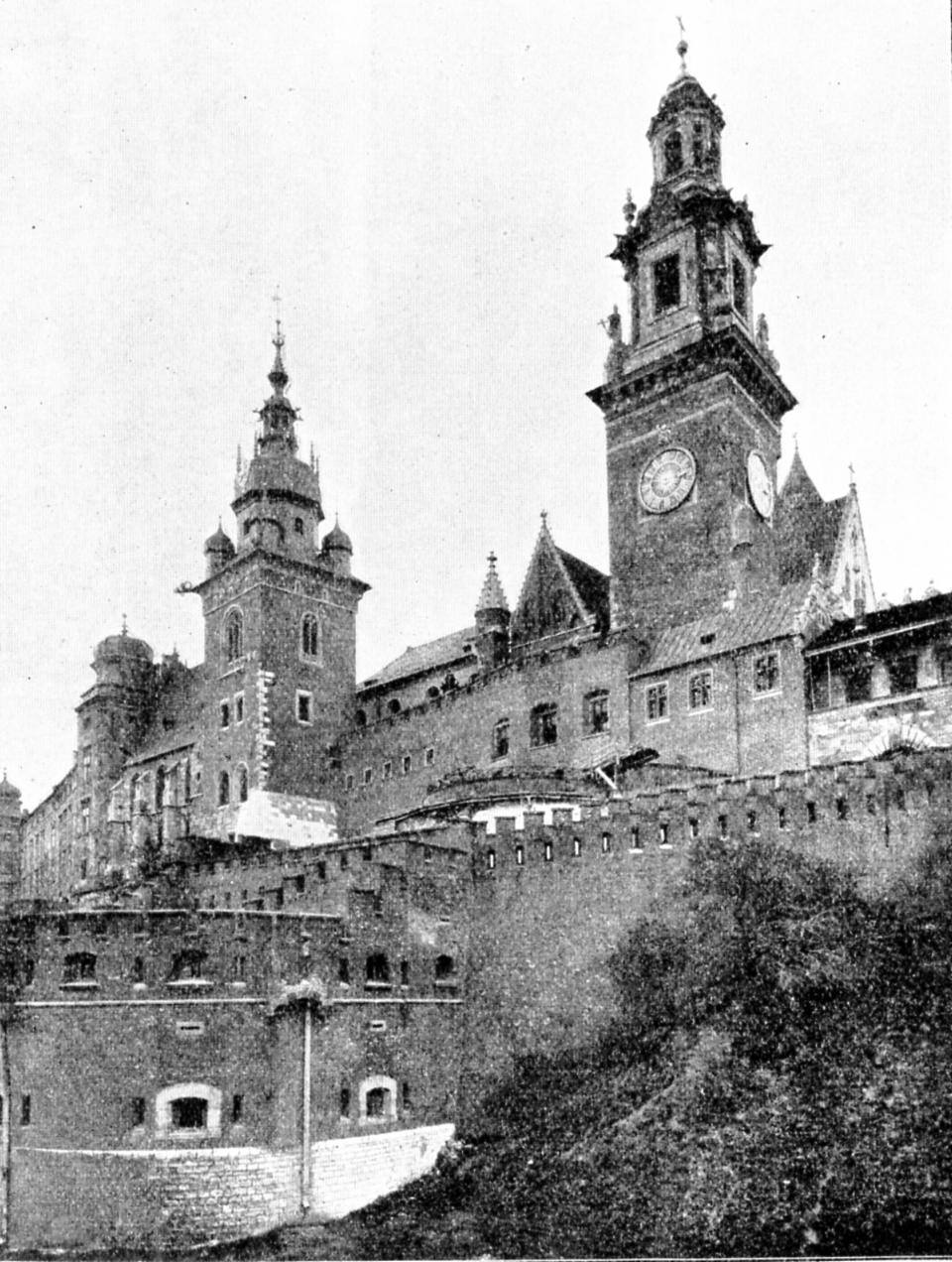
Wawel Cathedral
Wawel 3, 31-001 Kraków, Poland
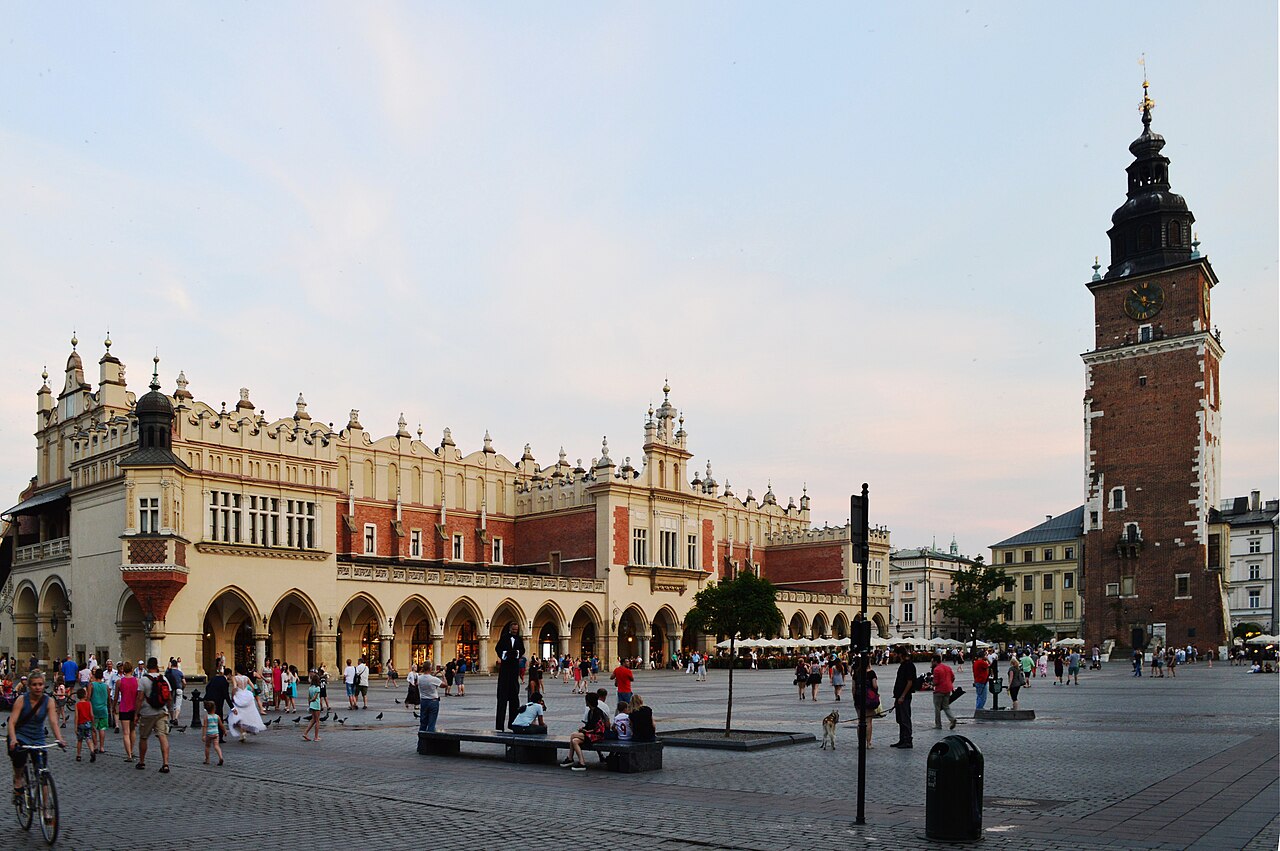
Cloth Hall
Rynek Główny 1/3, 31-042 Kraków, Poland
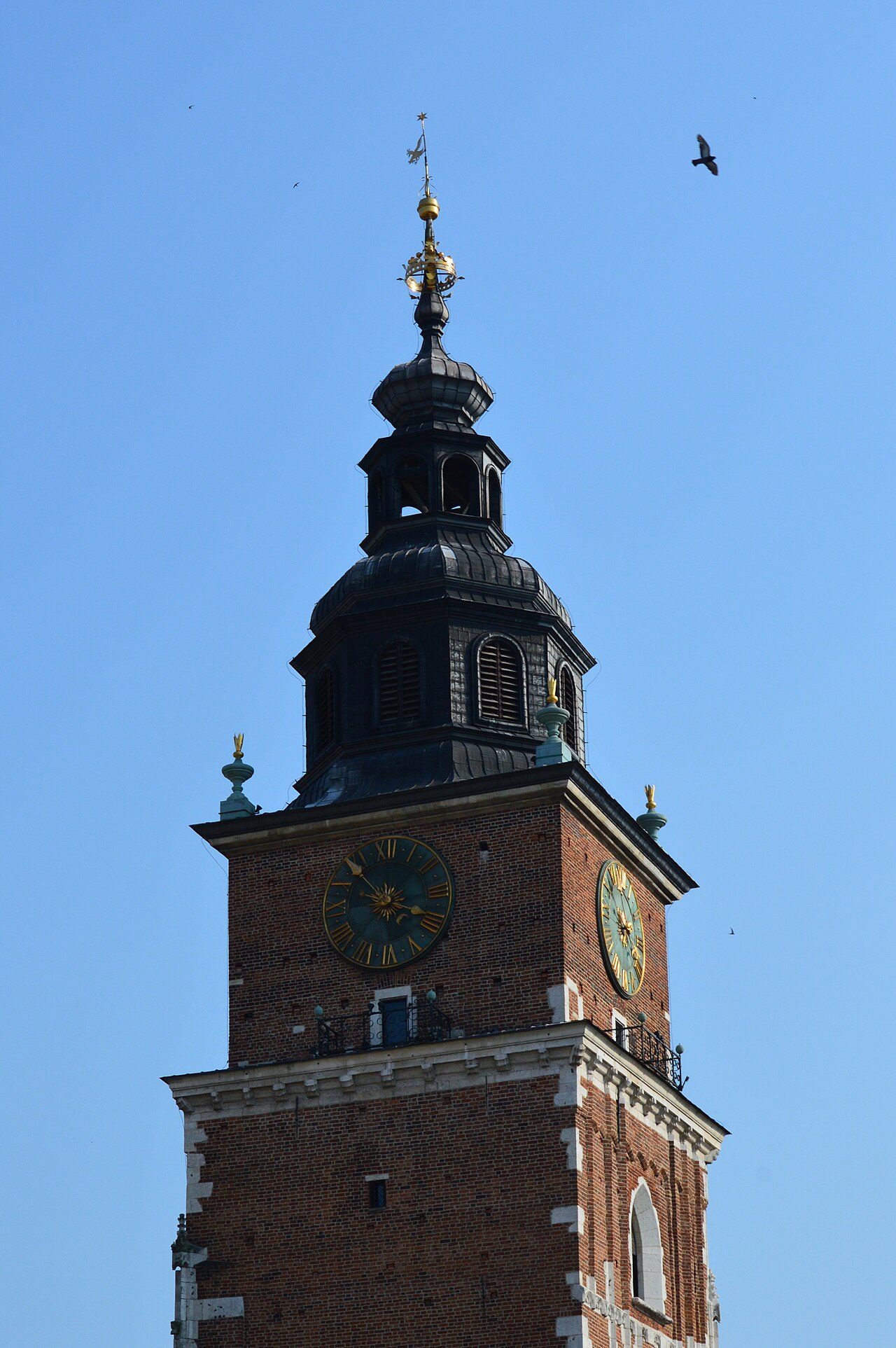
St. Mary's Basilica
Plac Mariacki 5, 31-042 Kraków, Poland
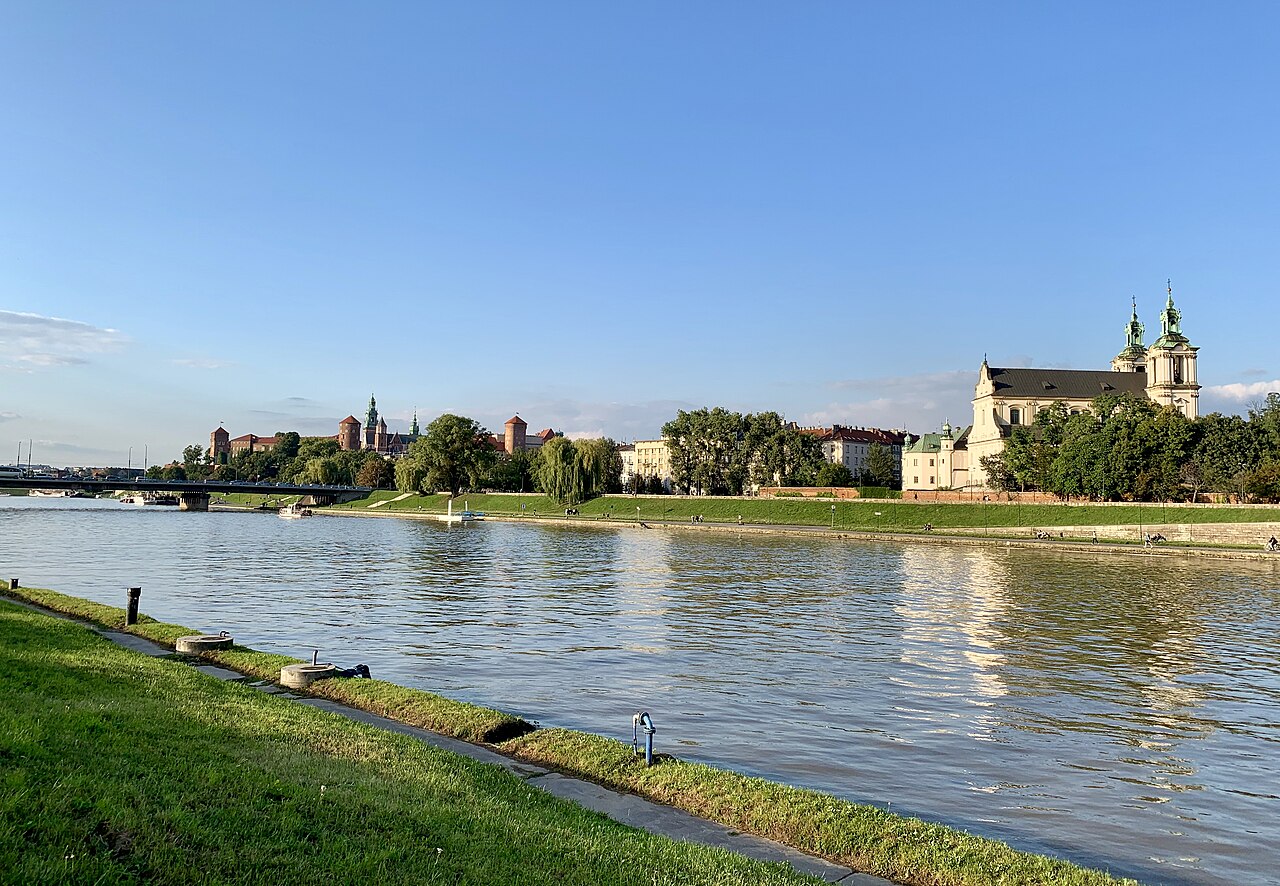
Wawel Castle
Wawel 5, 31-001 Kraków, Poland
Where to Find Gothic Architecture
Related Styles
Why Gothic Matters Today
Gothic architecture pushed the boundaries of what was structurally possible with pre-industrial materials, creating spaces of transcendent beauty that continue to inspire awe. Its lesson — that engineering and artistry are inseparable — remains profoundly relevant.
Frequently Asked Questions
What is Gothic architecture?
Gothic architecture represents one of humanity's most audacious structural achievements. For four centuries, master builders across Europe competed to create churches of ever-greater height, flooding their interiors with colored light through vast stained-glass windows. The result was a body of work — the great cathedrals — that remains among the most sublime achievements of human civilization.
When was Gothic architecture popular?
Gothic architecture flourished 1100s–1500s, originating in France.
What are the key characteristics of Gothic architecture?
Typical Gothic features include: pointed arches distributing weight more efficiently than round arches, ribbed vaults creating skeletal ceiling structures, flying buttresses transferring roof thrust to external supports, vast stained-glass windows filling interiors with colored light, and soaring vertical proportions emphasizing height and aspiration.
Where can I see Gothic architecture?
In the Architecture Helper library, Gothic buildings are most concentrated in Bruges, Kraków, Barcelona, Savannah, and New York. Famous examples worldwide include Notre-Dame de Paris (Paris), Chartres Cathedral (Chartres), and Cologne Cathedral (Cologne).
Which styles are related to Gothic?
Buildings analyzed as Gothic most often also show Victorian, Renaissance, Romanesque Revival, and Romanesque, so those are the styles worth comparing it against.