Contemporary Architecture — A Guide
Overview
Contemporary architecture defies easy definition because it is, by nature, the architecture of the present moment — diverse, experimental, and responsive to rapidly changing technologies, environmental imperatives, and cultural values. What unites contemporary work is an emphasis on sustainability, digital fabrication, material innovation, and designs that respond thoughtfully to their specific sites and communities.
The term 'contemporary' distinguishes current architectural practice from the historical 'Modern' movement. Where modernism sought universal solutions, contemporary architecture embraces pluralism. The rise of computational design tools, parametric modeling, and Building Information Modeling (BIM) has expanded the formal possibilities of architecture, while the climate crisis has made sustainable design an ethical imperative rather than an optional feature.
Key Characteristics
- Emphasis on sustainability, energy efficiency, and green materials
- Free-form geometry enabled by digital design and fabrication
- Transparency and the blurring of interior and exterior spaces
- Adaptive reuse and dialogue with existing urban contexts
- Mixed materials: timber, glass, steel, recycled and bio-based products
- Site-specific design responding to local climate and culture
Famous Examples Worldwide
The Shard
London, 2012
CCTV Headquarters
Beijing, 2012
Bosco Verticale
Milan, 2014
CopenHill
Copenhagen, 2019
Buildings in Our Library (100)
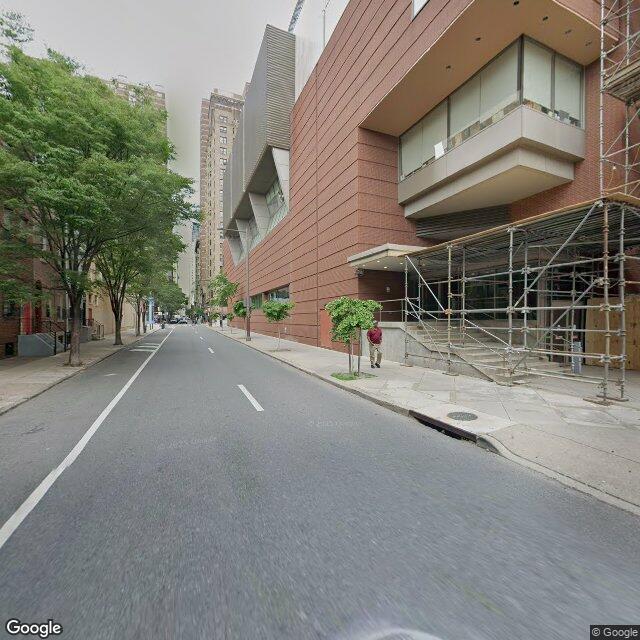
Kimmel Center for the Performing Arts
300 S Broad St, Philadelphia, PA 19102
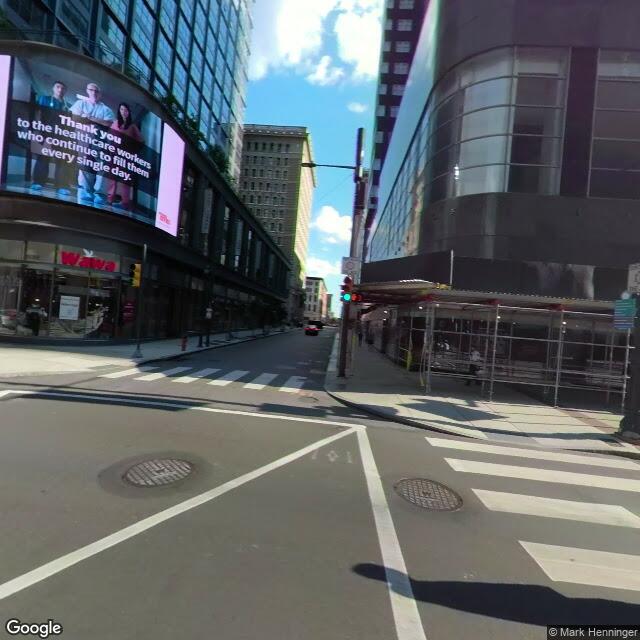
PSFS Building
1200 Market St, Philadelphia, PA 19107

S100 432
S100 432, 2518 KG Den Haag

Where to Find Contemporary Architecture
Related Styles
Why Contemporary Matters Today
Contemporary architecture confronts the defining challenge of our era: how to build beautifully and sustainably on a planet with finite resources. The best contemporary buildings show that environmental responsibility and architectural ambition are not opposed but deeply complementary.
Frequently Asked Questions
What is Contemporary architecture?
Contemporary architecture defies easy definition because it is, by nature, the architecture of the present moment — diverse, experimental, and responsive to rapidly changing technologies, environmental imperatives, and cultural values. What unites contemporary work is an emphasis on sustainability, digital fabrication, material innovation, and designs that respond thoughtfully to their specific sites and communities.
When was Contemporary architecture popular?
Contemporary architecture flourished 1990s–present, originating in Global.
What are the key characteristics of Contemporary architecture?
Typical Contemporary features include: emphasis on sustainability, energy efficiency, and green materials, free-form geometry enabled by digital design and fabrication, transparency and the blurring of interior and exterior spaces, adaptive reuse and dialogue with existing urban contexts, and mixed materials: timber, glass, steel, recycled and bio-based products.
Where can I see Contemporary architecture?
In the Architecture Helper library, Contemporary buildings are most concentrated in Toronto, Minneapolis, Boston, Amsterdam, and Atlanta. Famous examples worldwide include The Shard (London), CCTV Headquarters (Beijing), and Bosco Verticale (Milan).
Which styles are related to Contemporary?
Buildings analyzed as Contemporary most often also show High-Tech, Skyscraper, Brutalism, and Modernism, so those are the styles worth comparing it against.