Industrial Architecture — A Guide
Overview
Industrial architecture celebrates the raw beauty of functional structures — factories, warehouses, bridges, and infrastructure. What was once purely utilitarian has become one of the most influential aesthetic movements in contemporary design, inspiring loft living, creative workspaces, restaurants, and cultural venues worldwide.
The Industrial Revolution created entirely new building types: iron-framed textile mills, railway stations with vast glass-and-iron train sheds, grain elevators, and power stations. Early modernists like Le Corbusier and Walter Gropius recognized the beauty in these unself-conscious structures, celebrating their honest expression of function and material. The adaptive reuse movement of the late 20th century transformed obsolete industrial buildings into some of the world's most desirable living and working spaces.
Key Characteristics
- Exposed structural elements: steel beams, columns, and trusses
- Large multi-pane windows for natural factory lighting
- Brick, steel, and concrete as primary materials
- Open floor plans with high ceilings
- Visible mechanical systems: ductwork, piping, and wiring
- Loading docks, freight elevators, and industrial hardware
Famous Examples Worldwide
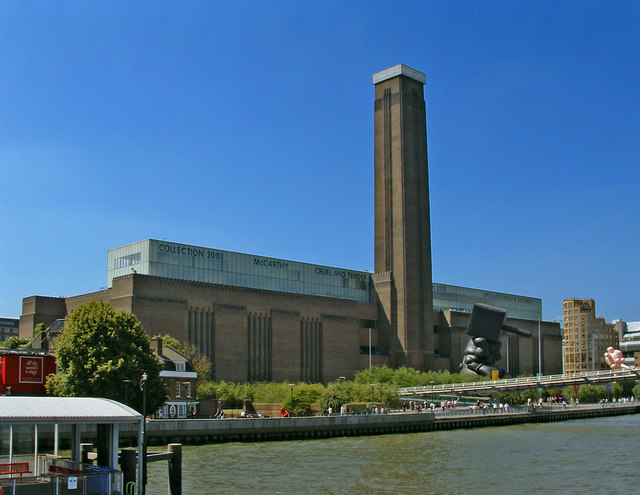
Battersea Power Station
London, 1933
Zeche Zollverein
Essen, 1932
Buildings in Our Library (14)
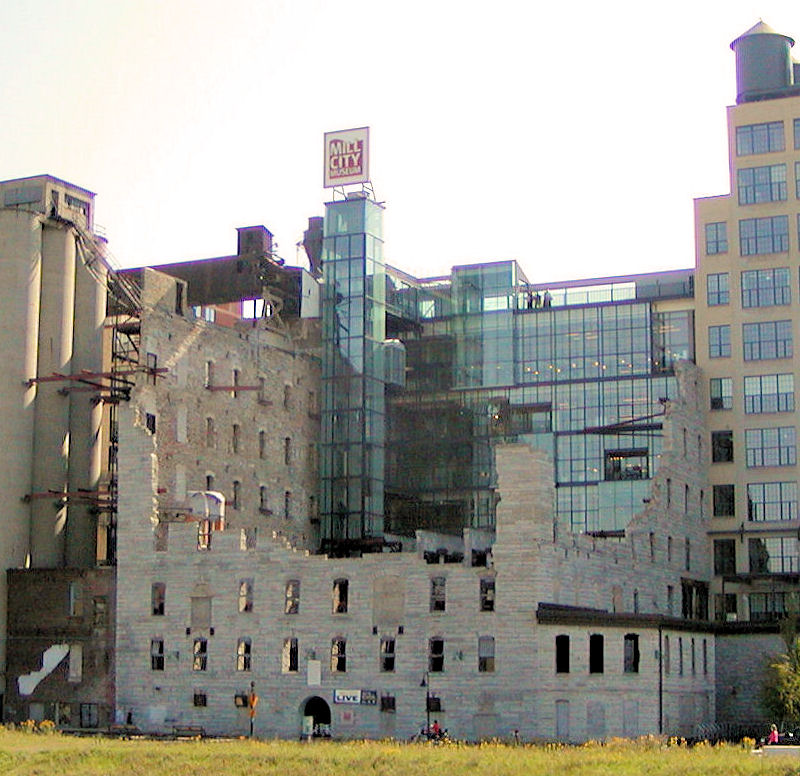
Mill City Museum (Washburn A Mill)
704 S 2nd Street, Minneapolis, MN 55401

Parkview Square
600 North Bridge Road, Singapore 188778
Tate Modern
Bankside, London SE1 9TG
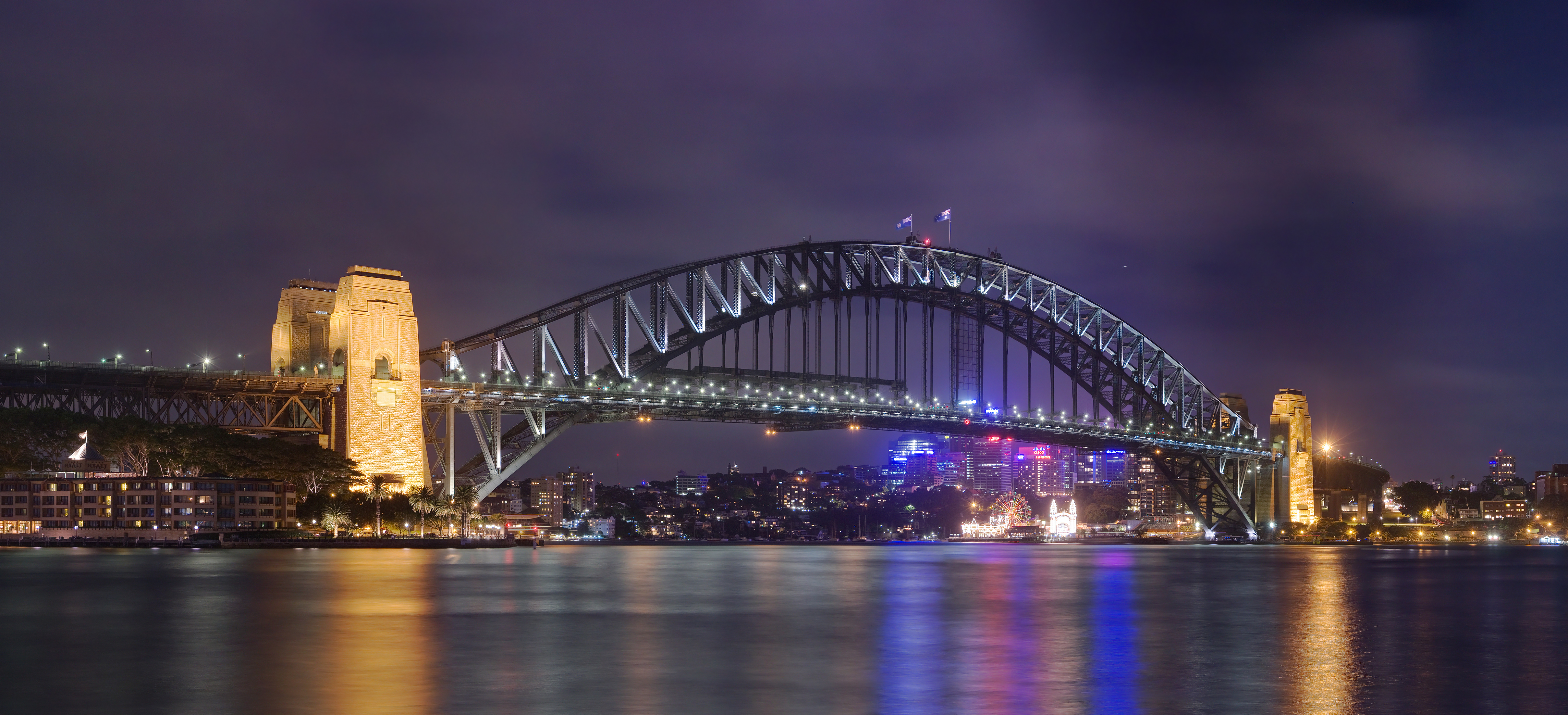
Sydney Harbour Bridge
Sydney Harbour, connecting CBD to North Shore, Sydney NSW...
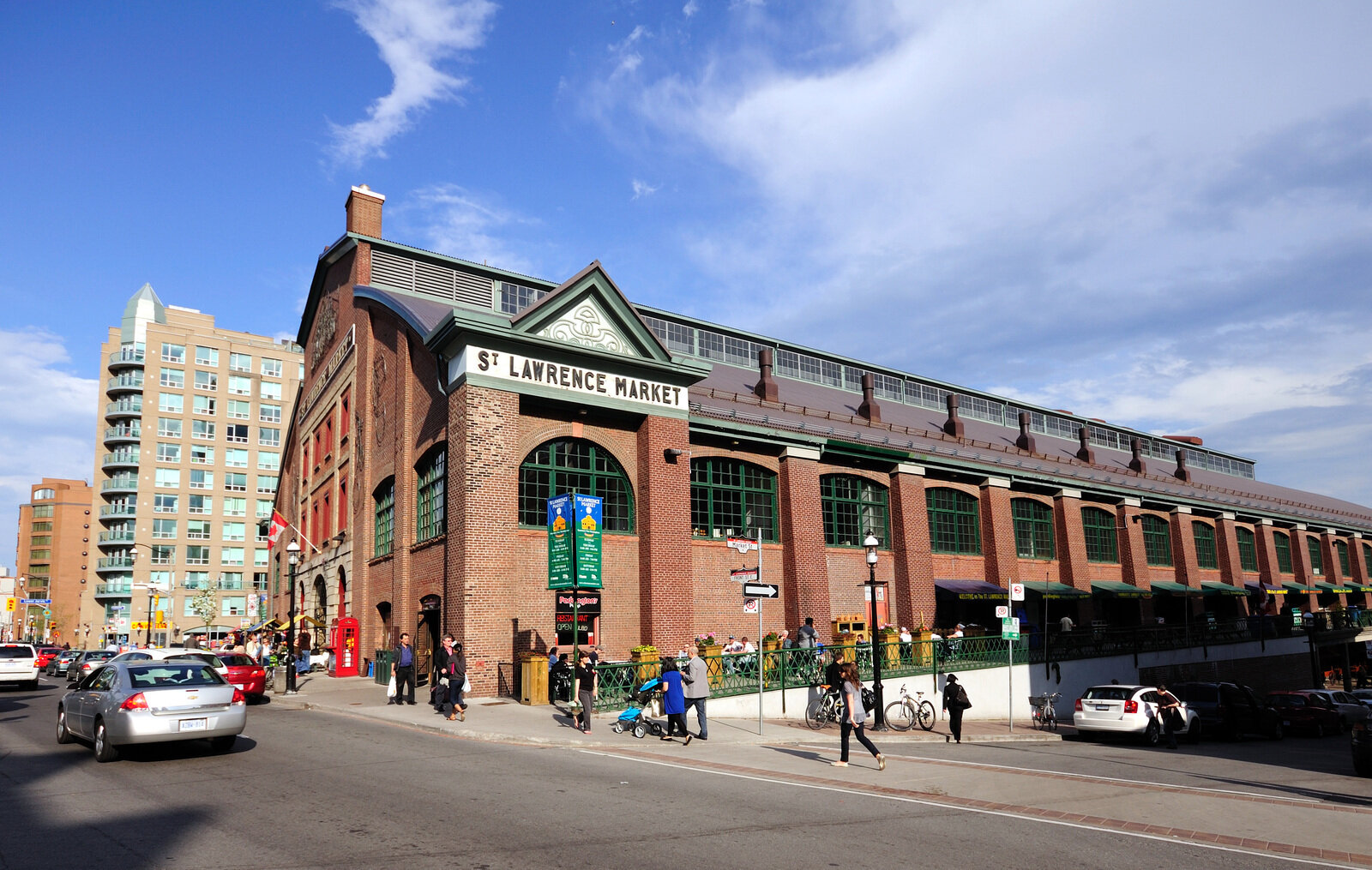
St. Lawrence Market
92-95 Front St E, Toronto, ON M5E 1C2
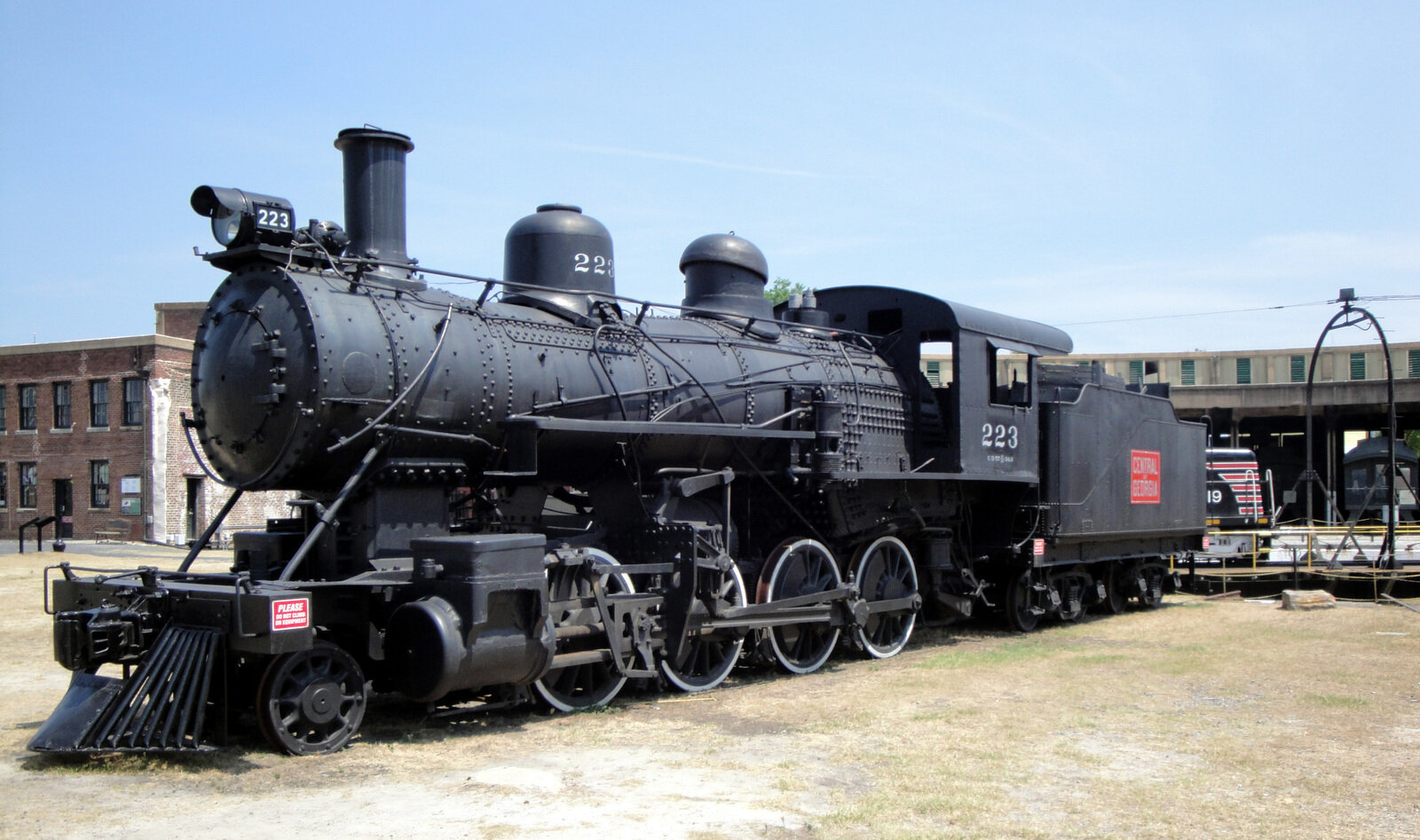
Central of Georgia Railroad Roundhouse Complex
655 Louisville Road, Savannah, GA 31401
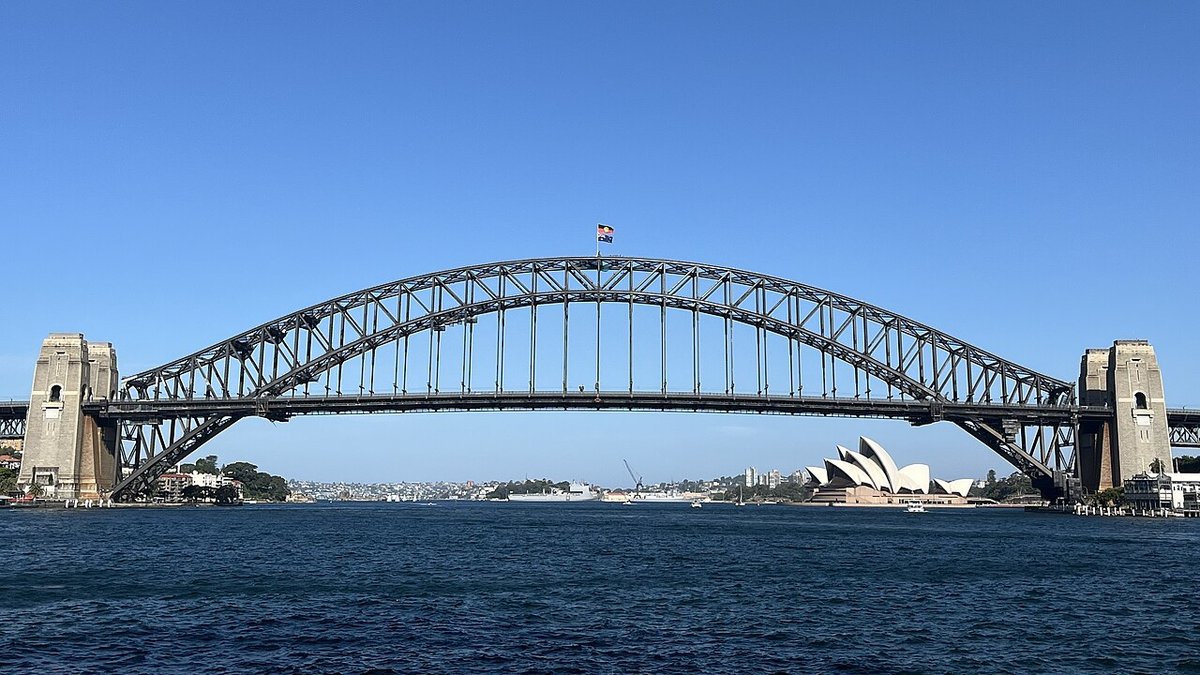
Sydney Harbour Bridge
Sydney Harbour Bridge, Sydney NSW 2060, Australia
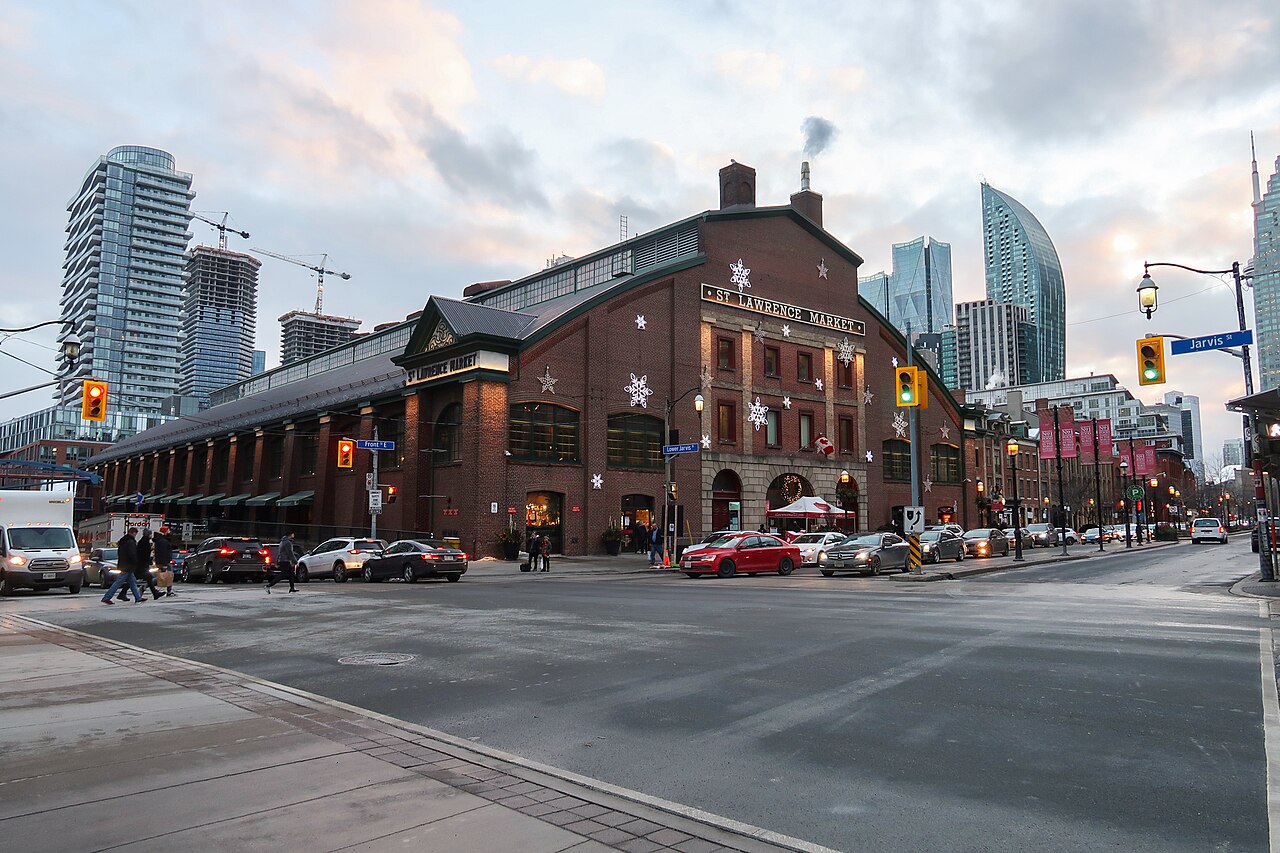
St. Lawrence Market
93 Front St E, Toronto, ON
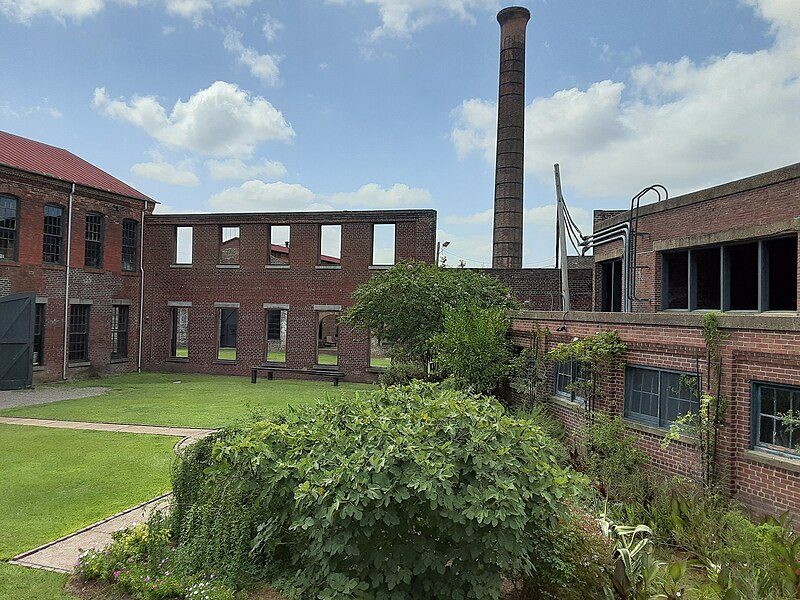
Central of Georgia Roundhouse
655 Louisville Rd, Savannah, GA 31401
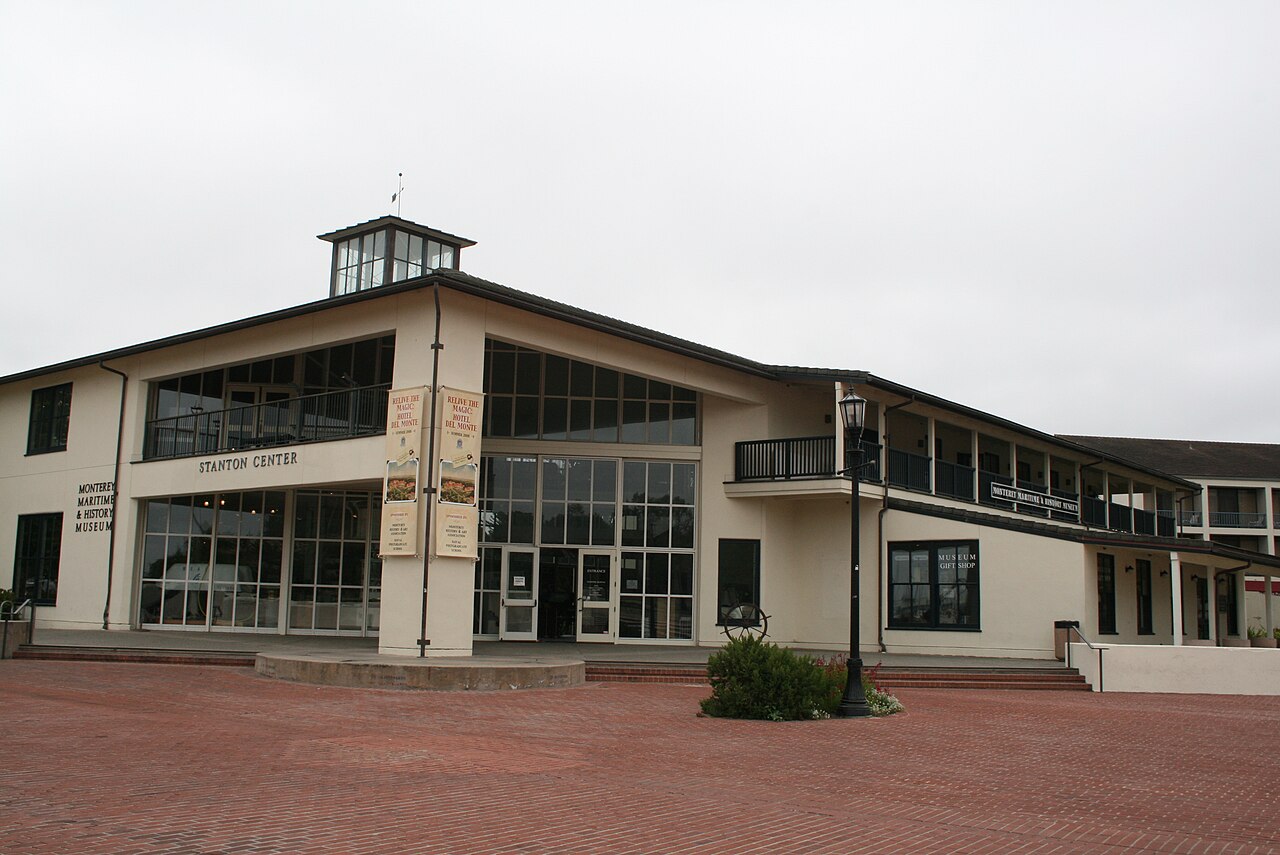
Monterey Maritime Museum
5 Custom House Plaza, Monterey, CA
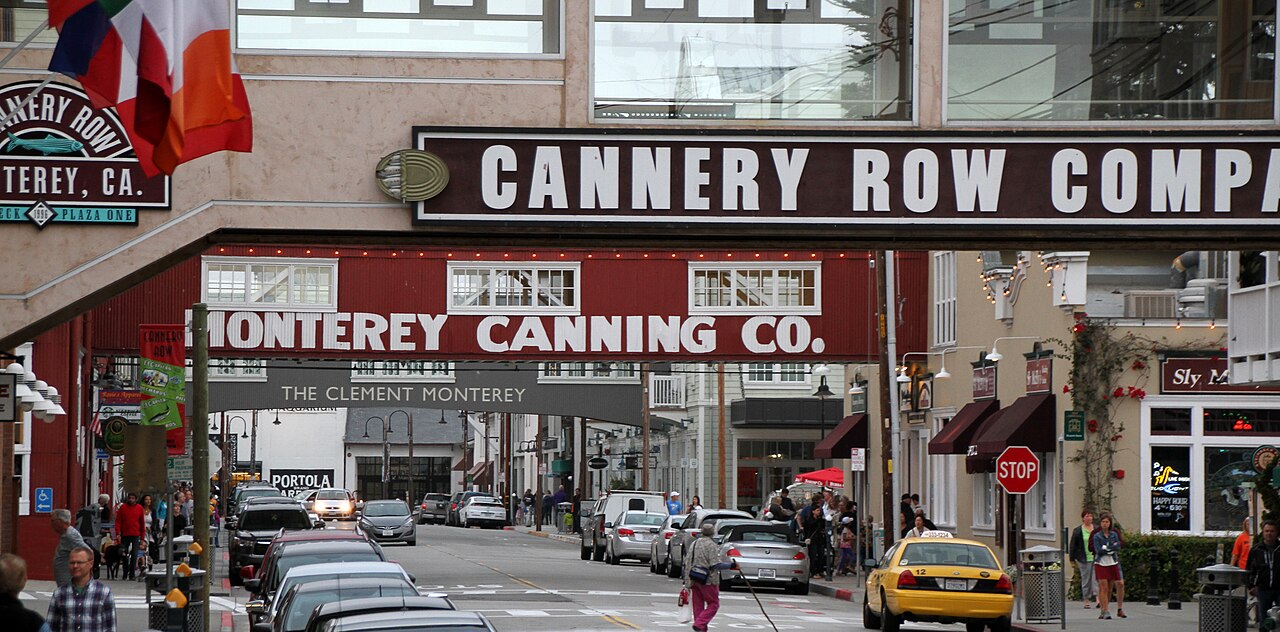
Cannery Row
Cannery Row, Monterey, CA
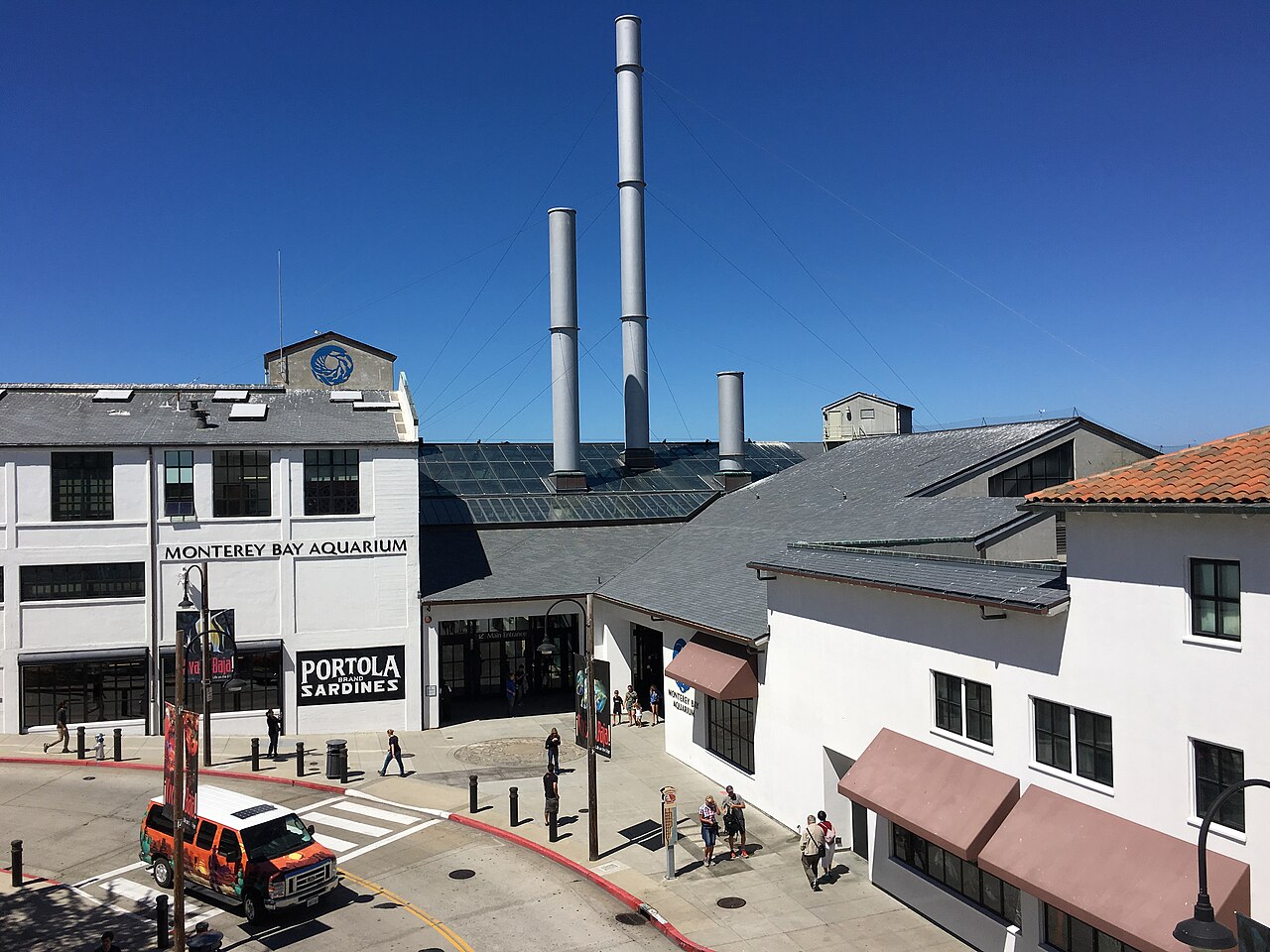
Monterey Bay Aquarium
886 Cannery Row, Monterey, CA
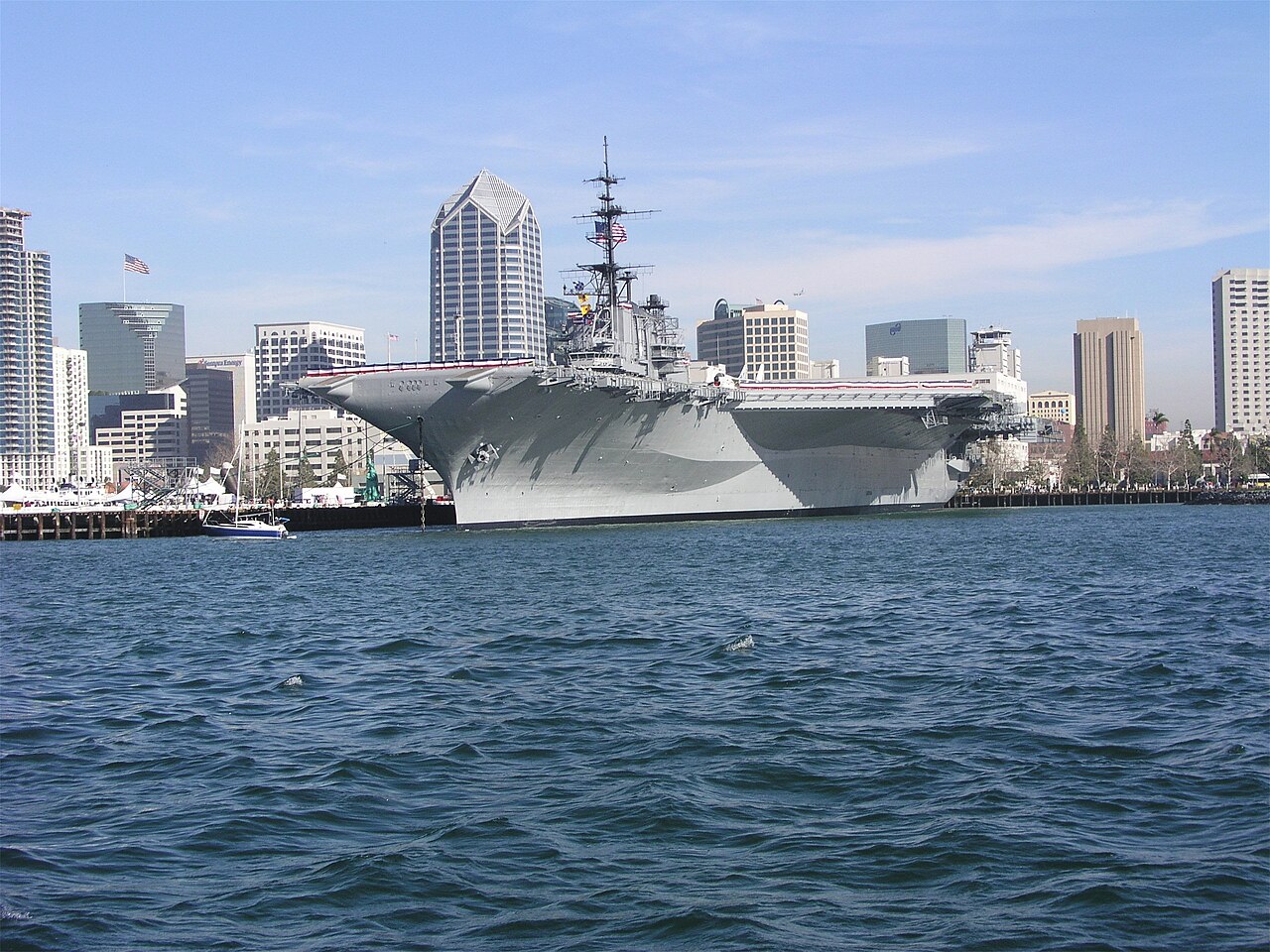
USS Midway Museum
910 N Harbor Dr, San Diego, CA 92101

Where to Find Industrial Architecture
Related Styles
Why Industrial Matters Today
Industrial architecture teaches us to find beauty in function and to see the potential in buildings that have outlived their original purpose. The adaptive reuse of industrial structures is one of the most sustainable forms of development, preserving embodied energy while creating vibrant new spaces.
Frequently Asked Questions
What is Industrial architecture?
Industrial architecture celebrates the raw beauty of functional structures — factories, warehouses, bridges, and infrastructure. What was once purely utilitarian has become one of the most influential aesthetic movements in contemporary design, inspiring loft living, creative workspaces, restaurants, and cultural venues worldwide.
When was Industrial architecture popular?
Industrial architecture flourished 1850s–present, originating in United Kingdom, United States.
What are the key characteristics of Industrial architecture?
Typical Industrial features include: exposed structural elements: steel beams, columns, and trusses, large multi-pane windows for natural factory lighting, brick, steel, and concrete as primary materials, open floor plans with high ceilings, and visible mechanical systems: ductwork, piping, and wiring.
Where can I see Industrial architecture?
In the Architecture Helper library, Industrial buildings are most concentrated in Monterey, Toronto, Sydney, Savannah, and San Diego. Famous examples worldwide include Tate Modern (London), Battersea Power Station (London), and Zeche Zollverein (Essen).
Which styles are related to Industrial?
Buildings analyzed as Industrial most often also show Contemporary, Brutalism, Victorian, and Modernism, so those are the styles worth comparing it against.